

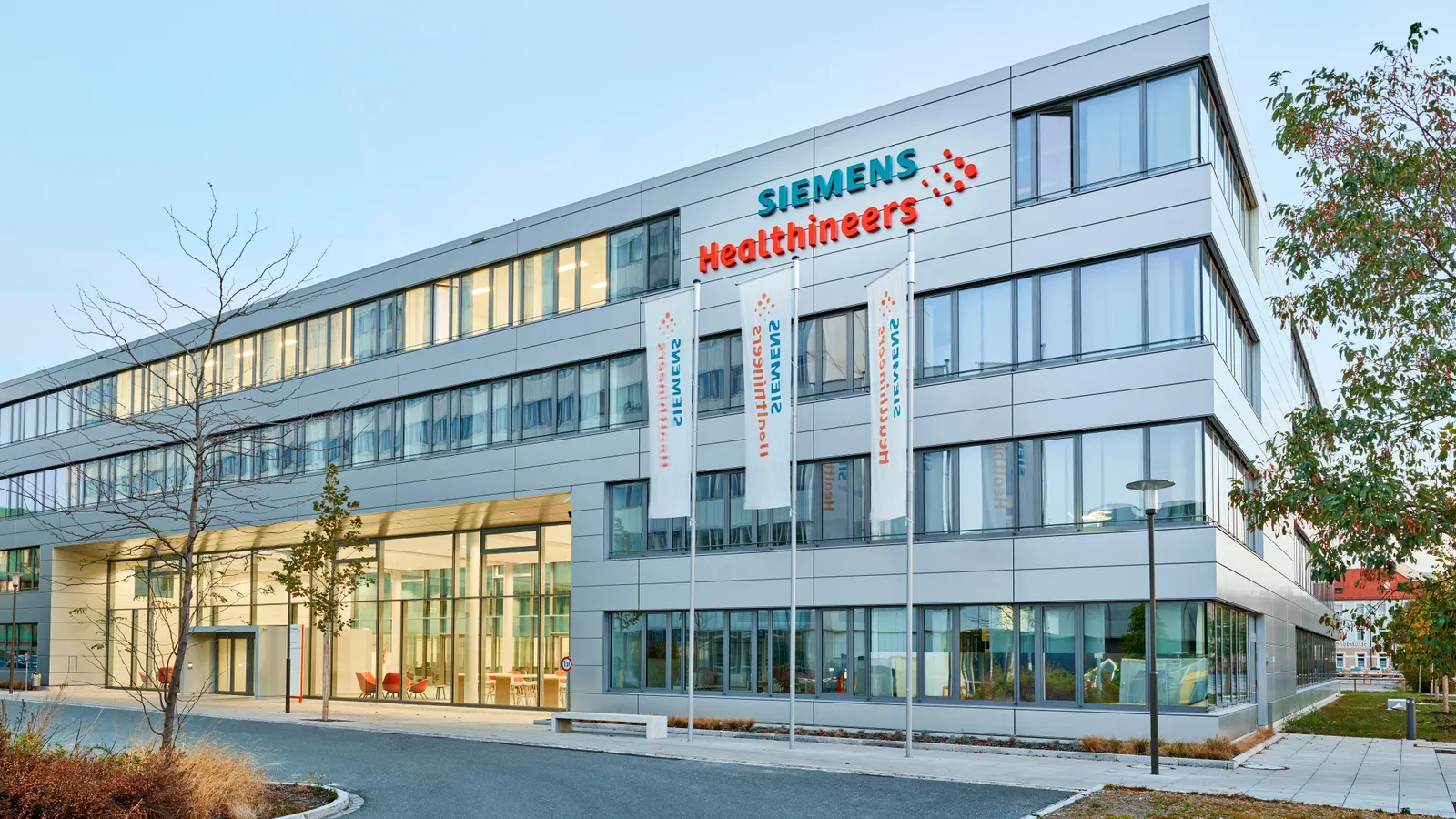
In a strategic move to stabilize its most significant geographic market and navigate a period of internal transformation, Siemens Healthineers has officially appointed João Seabra as the new President and Head of the Americas. The announcement, made on Thursday, marks a pivotal moment for the German medical technology giant as it grapples with a downward revision of its annual sales forecast and ongoing structural shifts within its global diagnostics business. Seabra, a veteran executive who has spent over two decades with the organization, will formally assume the role on October 1, 2024, succeeding John Kowal.
The leadership transition comes at a delicate time for Siemens Healthineers. Just one day after announcing Seabra’s promotion, the company disclosed a reduction in its full-year revenue growth expectations, citing persistent headwinds in its diagnostics division and a cooling market in China. By placing Seabra at the helm of the Americas—a region that serves as the company’s largest revenue generator—Siemens Healthineers is signaling a commitment to operational continuity and a focus on high-growth service models.
A Career Defined by Growth and Operational Scaling
João Seabra’s ascent to the presidency of the Americas is the culmination of a 23-year tenure at Siemens Healthineers. Having joined the company in 2001, Seabra has held various roles of increasing responsibility across different global markets. Between 2015 and 2018, he served as the lead for operations in Western Europe and West Africa, where he was credited with streamlining distribution networks and improving service delivery in diverse regulatory environments.
However, it was Seabra’s most recent tenure as the Head of Enterprise Services that solidified his reputation as a growth-oriented leader. Since taking over the division in 2018, Seabra oversaw a massive scaling of the business, effectively quadrupling its revenue. Under his direction, Enterprise Services shifted its focus toward "Value Partnerships"—long-term, consultative agreements with major healthcare providers that go beyond the traditional sale of medical imaging equipment. These partnerships often involve multi-year commitments where Siemens Healthineers manages a hospital’s entire fleet of technology, provides clinical workflow optimization, and shares in the operational risks and rewards.
Darleen Caron, Chief Human Resources Officer at Siemens Healthineers, emphasized that Seabra’s ability to foster these deep-rooted customer relationships was a primary factor in his selection. "Under João’s leadership, Siemens Healthineers created value partnerships of increasing scope and impact with key customers," Caron stated. This experience is expected to be vital in the North American market, where health systems are increasingly looking for ways to reduce costs and improve patient outcomes through integrated technology solutions rather than one-off capital purchases.
Navigating the Leadership Transition
Seabra will be relocating from Portugal to the United States to take up his new post. He replaces John Kowal, who had stepped into the role following the departure of David Pacitti, who left the company to become the CEO of medical device manufacturer Avanos. Kowal’s tenure was relatively brief; he had previously served as the president of the Americas for Siemens Healthineers’ Varian unit—the oncology specialist acquired by Siemens for $16.4 billion in 2021.
In a public statement, Siemens Healthineers expressed gratitude for Kowal’s "many years of successful service," particularly during the integration of Varian. Kowal, in a social media post, indicated that his decision to step down was motivated by a desire to pursue "personal passions" in the short term. The transition from Kowal to Seabra is viewed by industry analysts as a move to install a leader with deep roots in the core Siemens Healthineers service philosophy as the company seeks to integrate its various business units—Imaging, Diagnostics, Varian, and Advanced Therapies—more cohesively.
The Context of a "Generational Change"
The appointment of Seabra is not an isolated event but rather the latest piece of a broader organizational puzzle. In May 2024, Siemens Healthineers CEO Bernhard Montag announced what he described as a "comprehensive generational change" within the company’s leadership ranks. This overhaul was designed to modernize the management structure and prepare the company for its next phase of growth, dubbed the "New Era" strategy.
This realignment has seen new leaders installed across several key departments, including diagnostic imaging, advanced therapies, and the Europe, Middle East, and Africa (EMEA) region. The company also recently appointed a new Chief Technology Officer to spearhead digital innovation and artificial intelligence integration. By refreshing its executive suite, Siemens Healthineers aims to become more agile in a competitive landscape that includes formidable rivals such as GE HealthCare and Philips.
Challenges in the Diagnostics Division and the China Market
While the Americas region remains a stronghold for the company, the global organization is currently facing significant pressure from its diagnostics business. For several quarters, the diagnostics unit has struggled to regain its footing following the decline of COVID-19-related testing revenue. Furthermore, the company is in the midst of a complex "carve-out" process for the diagnostics division, a move intended to give the unit more autonomy and potentially prepare it for a spin-off or sale in the future.
The third-quarter financial results, reported shortly after Seabra’s appointment, highlighted the urgency of these challenges. CEO Bernhard Montag noted that falling sales in the diagnostics sector were exacerbated by structural changes in the China market. China, once a reliable engine of growth for medtech firms, has recently implemented volume-based procurement (VBP) policies and stricter localized manufacturing requirements, which have compressed margins and slowed capital equipment sales.
"The market in China is currently characterized by a wait-and-see attitude among customers," Montag explained during a call with analysts. He attributed this to a combination of government-led anti-corruption campaigns in the healthcare sector and delayed hospital spending as providers wait for further clarity on national stimulus programs for medical equipment upgrades.
Financial Outlook and Market Implications
The headwinds in China and the sluggish performance of the diagnostics unit have forced Siemens Healthineers to temper its financial outlook. CFO Jochen Schmitz informed investors that the company now expects full-year revenue growth to be between 3.5% and 4%, a one-percentage-point decrease from the previous guidance.

This revision reflects the reality that while the Imaging and Varian segments continue to perform well—driven by strong demand for MRI machines and radiotherapy systems—the diagnostics division is expected to see a further decline in sales during the fourth quarter. The company’s ability to hit its revised targets will depend heavily on the performance of the Americas region under Seabra’s new leadership.
Industry analysts suggest that Seabra’s primary task will be to defend the company’s market share in the U.S. while simultaneously driving the adoption of high-margin software and service contracts. The North American market is currently undergoing a shift toward ambulatory surgery centers (ASCs) and outpatient care, requiring a different sales approach than the traditional large-scale hospital model. Seabra’s experience in scaling Enterprise Services is expected to be a significant asset in navigating this transition.
The Path Forward: Integration and Innovation
As João Seabra prepares to take the reins on October 1, the broader medical technology industry is watching closely. The Americas region accounts for roughly 40% of Siemens Healthineers’ total revenue, making it the bedrock of the company’s financial stability. Any disruption in this market could have cascading effects on the company’s ability to fund its research and development initiatives, particularly in the fields of AI-assisted diagnostics and robotic-assisted surgery.
The "Value Partnership" model that Seabra championed in Europe will likely become a cornerstone of his strategy in the Americas. By shifting the conversation from "how much does this scanner cost" to "how can we improve your clinical throughput over the next ten years," Siemens Healthineers hopes to insulate itself from the volatility of capital equipment budgets.
Furthermore, the integration of Varian remains a top priority. As the former home of Seabra’s predecessor, the Varian unit represents the company’s foray into comprehensive cancer care. Ensuring that Varian’s oncology solutions are seamlessly offered alongside Siemens’ imaging and laboratory products will be a key metric of Seabra’s success.
In conclusion, the appointment of João Seabra as President and Head of the Americas is a calculated move to install a proven operator at a time of significant transition. While the company faces external pressures from the Chinese market and internal hurdles within its diagnostics division, it is doubling down on a leadership team comprised of long-term insiders who understand the company’s culture and its strategic pivot toward service-oriented healthcare. The coming months will determine if this "generational change" can provide the stability and growth needed to satisfy investors and maintain Siemens Healthineers’ position as a global leader in medical technology.
