A recent culinary endeavor by acclaimed food blogger Kathryne Taylor of Cookie and Kate has captured the attention of home cooks and fast-casual dining enthusiasts alike. Taylor announced the successful reverse-engineering of Chipotle Mexican Grill’s much-lauded new cilantro lime sauce, presenting a detailed recipe that promises to bring the creamy, fresh, and subtly spicy condiment directly into home kitchens. This development underscores a broader trend of consumer desire for restaurant-quality flavors made accessible through homemade renditions, offering both customization and cost efficiency.
Taylor, a self-professed devotee of Chipotle’s offerings, particularly their burrito bowls, described her experience with the new sauce as transformative, elevating her standard order. Her motivation to replicate the sauce stemmed from a frequent patronage of the fast-casual chain, which she openly admits to visiting "every other week." The challenge, she explained, was to dissect Chipotle’s publicly available ingredient list and accurately deduce the proportions and preparation methods required to achieve an identical, or even superior, flavor profile. After a meticulous process of taste-testing her homemade version alongside the original, Taylor confidently asserts that her recipe is "hard to tell the difference" from Chipotle’s, adding a personal preference for her creation.
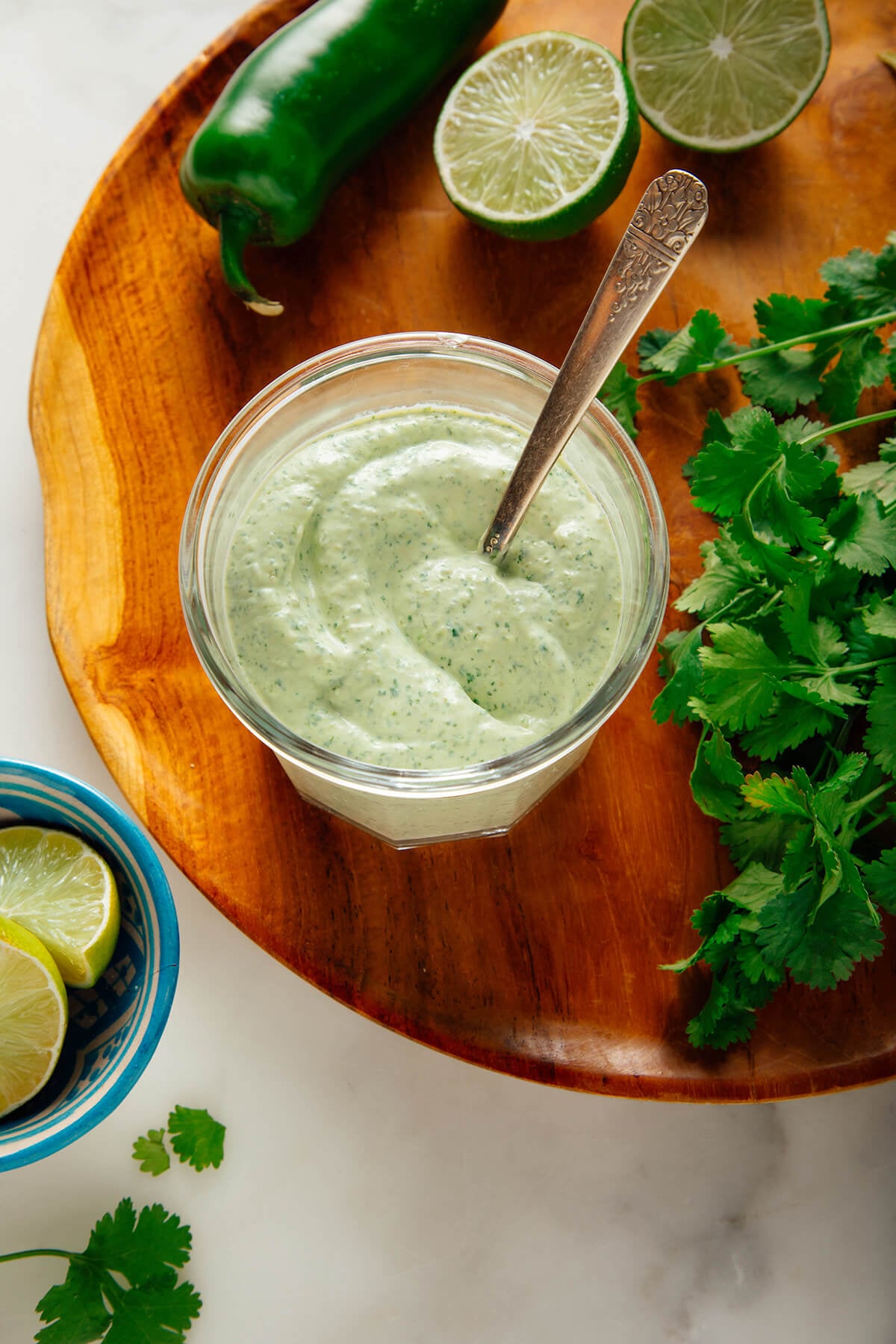
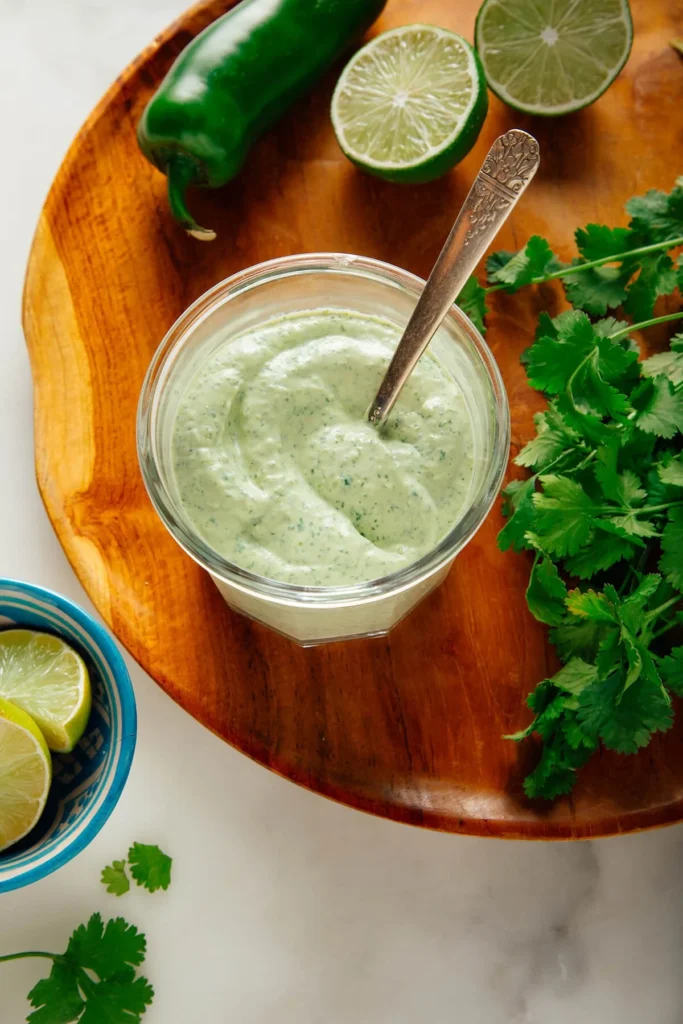
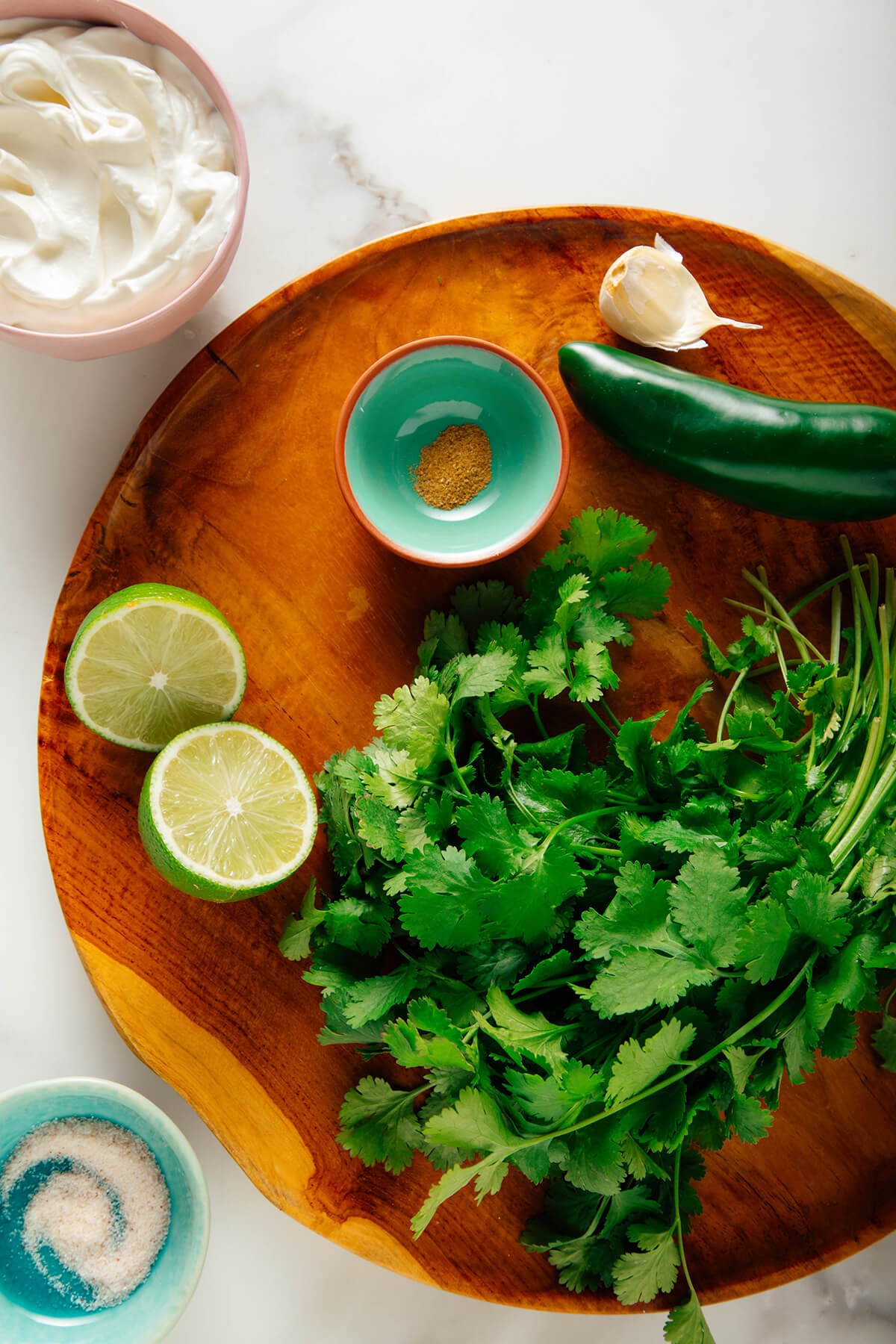
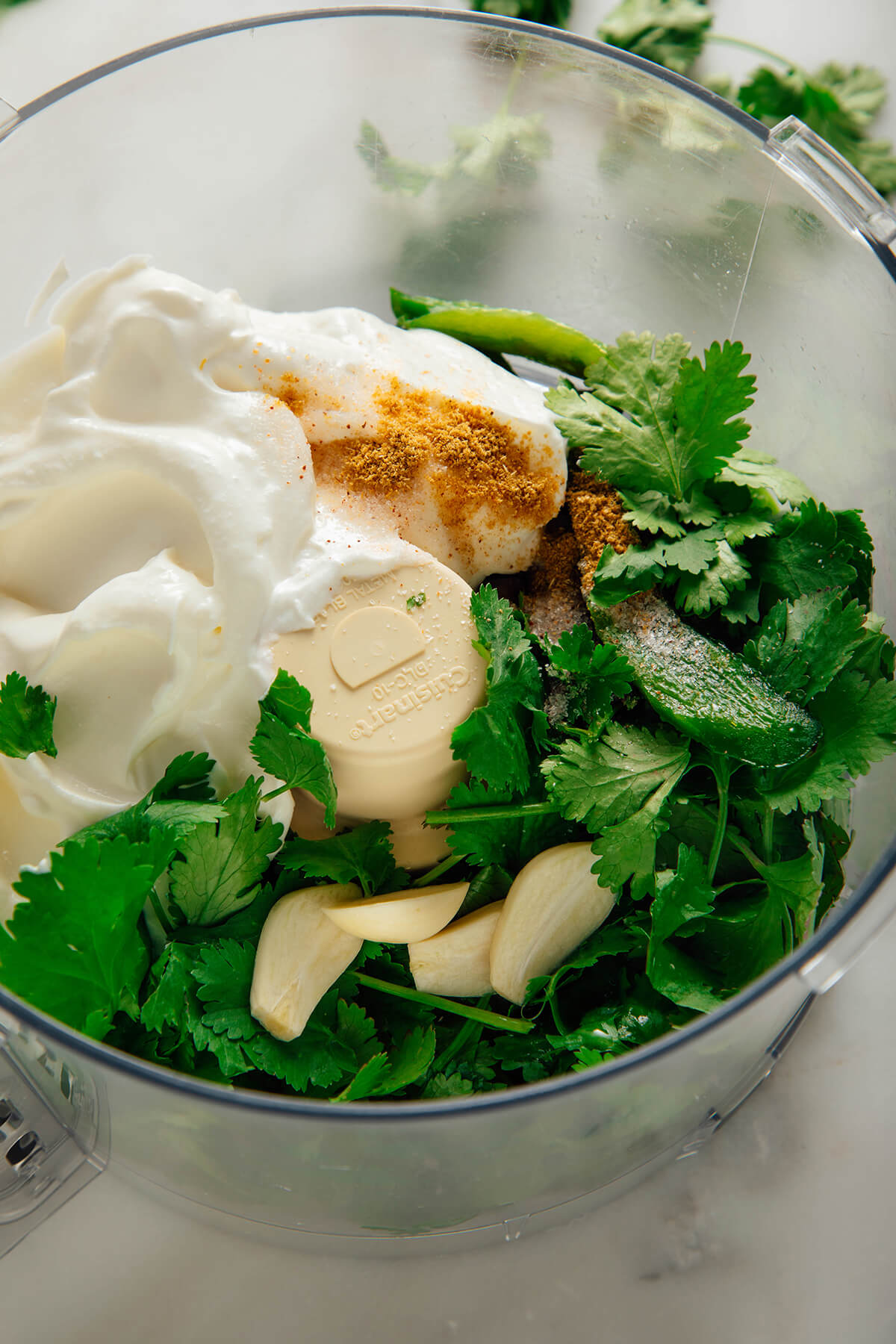
The core components of Taylor’s replicated sauce mirror those listed by Chipotle: cilantro, lime, Mexican spices (specifically cumin in her interpretation), sour cream, and roasted jalapeños. The precise balance of these elements was key to her success. The revelation of this recipe provides home cooks with an opportunity to recreate a beloved restaurant item, tapping into a growing movement of culinary self-reliance and the pursuit of familiar flavors outside commercial establishments.
The Rise of Restaurant Copycat Recipes
The phenomenon of "copycat" recipes, where home chefs attempt to duplicate signature dishes from popular restaurants, is not new, but it has seen a significant resurgence in recent years. Driven by factors such as increased interest in home cooking, economic considerations, and the desire for dietary control, platforms like food blogs and social media have become fertile ground for sharing and refining these culinary adaptations. According to a 2023 report by Statista, over 60% of U.S. consumers cooked at home five or more times a week, indicating a robust engagement with home culinary activities. This trend is further fueled by the accessibility of online resources and the satisfaction derived from mastering complex or unique flavors.
Chipotle, known for its commitment to fresh, real ingredients and customizable menu options, has cultivated a loyal customer base. Its transparent approach to ingredients, often highlighting their natural origins, inadvertently provides a starting point for home cooks seeking to emulate their dishes. The introduction of new menu items, like the cilantro lime sauce, often generates considerable buzz and prompts consumers to experiment with replicating those flavors at home. This interaction between restaurant innovation and home culinary experimentation creates a dynamic ecosystem where popular dishes inspire creativity beyond the restaurant kitchen.
A Deeper Dive into the Replication Process
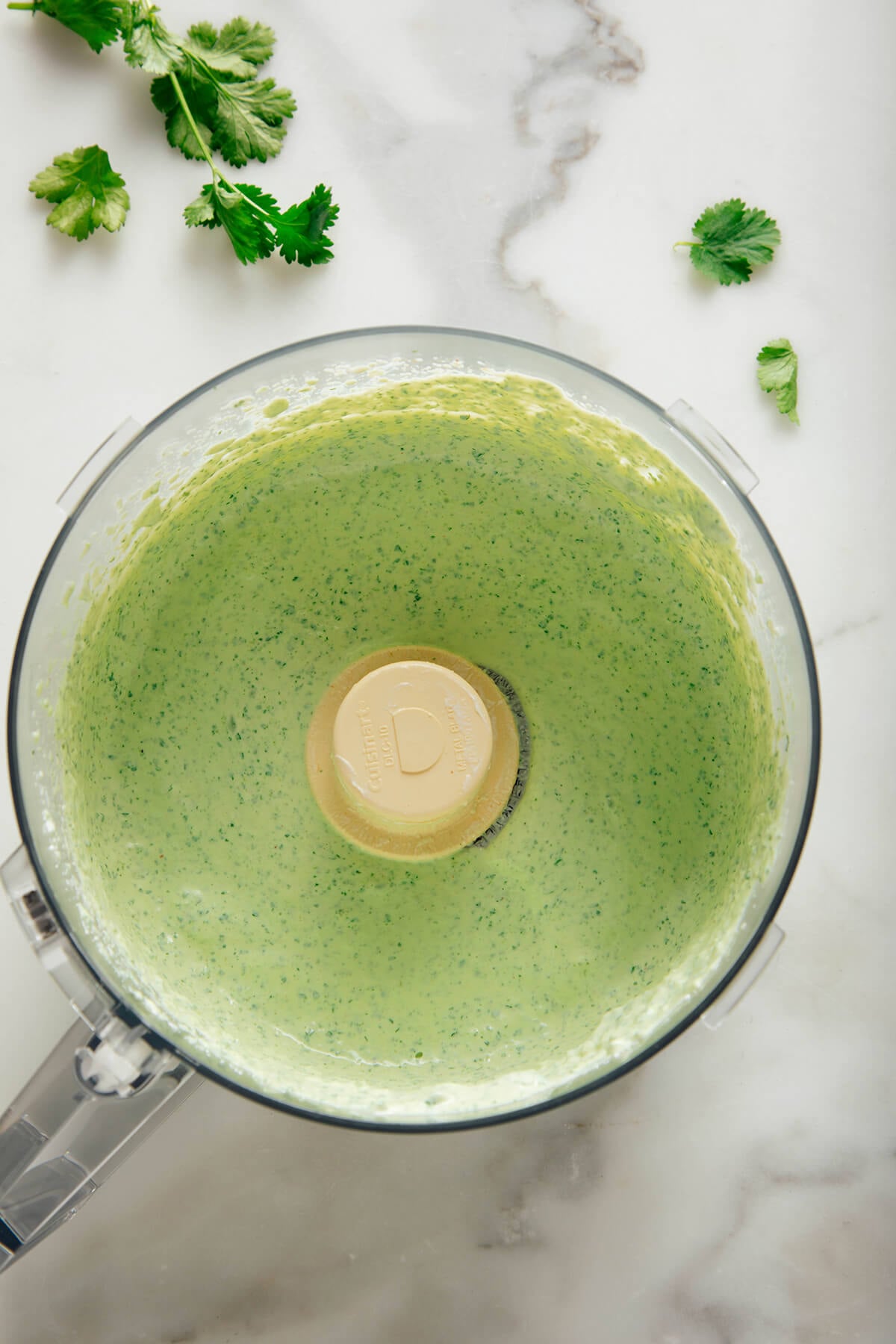
Taylor’s approach to reverse-engineering the sauce involved a careful analysis of the listed ingredients, followed by iterative testing to fine-tune the ratios. The recipe calls for standard kitchen equipment, primarily a food processor, making it accessible to most home cooks. The ingredient list is straightforward, emphasizing fresh produce and common pantry staples, which aligns with Chipotle’s own brand ethos.
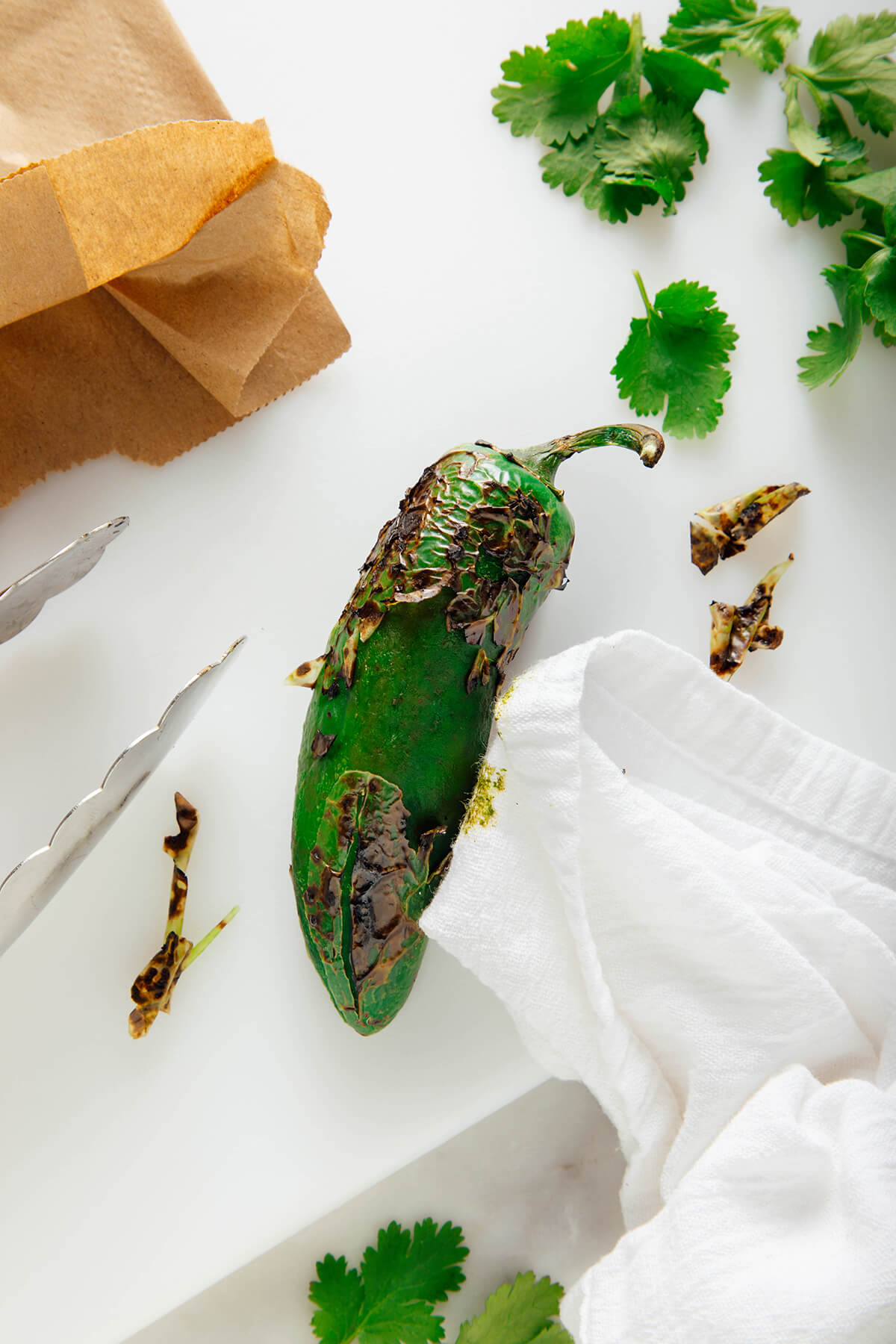
A critical element in the sauce, as identified by both Chipotle’s ingredient list and Taylor’s recipe, is the jalapeño. Taylor highlights the nuanced difference between using fresh versus charred jalapeños. Chipotle’s version explicitly uses charred jalapeño, a technique that significantly alters the pepper’s flavor profile. Charring mellows the jalapeño’s heat, introduces a smoky depth, and softens its texture, contributing to a smoother sauce. Taylor provides detailed instructions for charring jalapeños over a gas flame or in a skillet, ensuring that home cooks can achieve this specific flavor complexity.
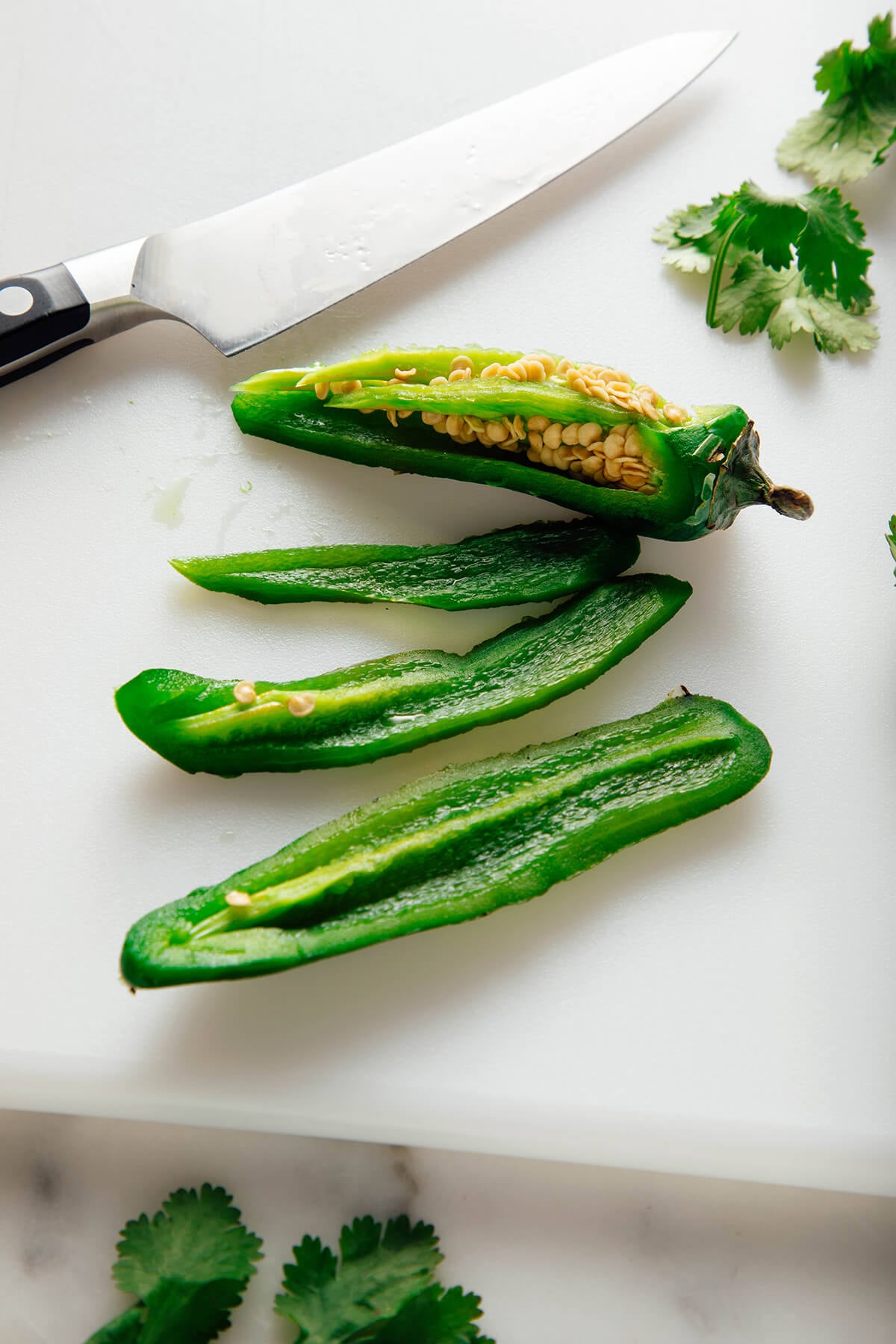
For those preferring a quicker or bolder flavor, Taylor suggests using fresh jalapeño, noting that it delivers a more pronounced spicy kick. She advises starting with half a pepper and adjusting to taste, allowing for personalization of the spice level. This flexibility is a hallmark of successful copycat recipes, empowering individuals to tailor dishes to their preferences, a level of customization often limited in commercial settings. The inclusion of cumin as the primary "Mexican spice" in her rendition also reflects a common practice in Mexican cuisine, adding an earthy warmth that complements the brightness of cilantro and lime.
Chronology of a Culinary Replication
- Early 2024 (Inferred): Chipotle introduces its new cilantro lime sauce as a menu enhancement, aiming to provide a fresh, creamy, and spicy alternative to traditional sour cream. The sauce quickly gains popularity among patrons.
- Spring 2024 (Inferred): Kathryne Taylor, a frequent Chipotle customer, discovers and becomes a fan of the new sauce, incorporating it regularly into her burrito bowl orders.
- Late Spring/Early Summer 2024 (Inferred): Inspired by the sauce’s appeal and her commitment to recreating restaurant components from scratch, Taylor embarks on a reverse-engineering project. She consults Chipotle’s ingredient list and begins experimenting with proportions.
- Summer 2024 (Publication): After multiple rounds of meticulous taste-testing, comparing her homemade batches directly against Chipotle’s original, Taylor finalizes her recipe. She then publishes the detailed instructions on her popular food blog, Cookie and Kate, making the "copycat" sauce accessible to her wide readership. The recipe quickly garners interest from her followers, eager to replicate the popular condiment at home.
Serving Versatility and Broader Applications
Beyond its intended use in burrito bowls, the homemade cilantro lime sauce boasts remarkable versatility, making it a valuable addition to any culinary repertoire. Taylor suggests its use on nachos, quesadillas, tacos, and burritos, seamlessly integrating it into a wide array of Mexican-inspired dishes. The sauce’s creamy texture and vibrant flavor profile also lend themselves to broader applications. By adding a dollop of mayonnaise, it can be transformed into a zesty salad dressing, showcasing its adaptability.
Anecdotal evidence from Taylor’s household highlights its diverse appeal; her husband reportedly drizzles it on steak, akin to chimichurri, indicating its potential as a fresh, herbaceous accompaniment to various proteins. The recipe’s adaptability encourages experimentation, positioning the sauce not just as a condiment, but as a foundational flavor enhancer that can elevate numerous meals. This aspect resonates with the modern consumer’s desire for multi-functional ingredients that minimize waste and maximize culinary creativity.
Economic and Lifestyle Implications
The ability to recreate popular restaurant items at home carries significant economic and lifestyle implications. From an economic standpoint, preparing dishes from scratch is often considerably more cost-effective than purchasing them from fast-casual establishments. While Chipotle offers fresh ingredients, the cumulative cost of frequent dining can add up. By sourcing ingredients for the cilantro lime sauce—cilantro, limes, sour cream, jalapeños, and cumin—consumers can produce a larger quantity of the condiment for a fraction of the price of multiple restaurant servings. This economic benefit is particularly pertinent in an era of rising food costs and increased budget consciousness.
From a lifestyle perspective, home cooking empowers individuals with greater control over their diet. They can select organic ingredients, adjust sodium or fat content, and cater to specific dietary needs or preferences (such as Taylor’s suggestion for a vegan sour cream substitute). This level of control is often limited in restaurant settings, even those known for customization. The act of cooking itself also offers therapeutic benefits and fosters a deeper connection to food. It encourages culinary skill development, from mastering techniques like charring peppers to understanding flavor balances. This shift towards more intentional and engaged home cooking reflects a broader societal trend towards wellness and mindful consumption.
Industry Perspectives and Future Outlook
While the proliferation of copycat recipes might, at first glance, appear to pose a threat to restaurant chains, industry analysts often view it differently. For companies like Chipotle, these homemade renditions are often seen as a testament to the popularity and distinctiveness of their menu items. It validates their flavor profiles and reinforces brand recognition. Rather than deterring customers, such recipes can sometimes serve as a form of free marketing, keeping the brand top-of-mind and encouraging continued patronage for the sake of convenience or the "original" experience.
Furthermore, the fast-casual industry is constantly evolving, adapting to consumer demands for both convenience and quality. The existence of robust home cooking communities dedicated to replicating restaurant flavors suggests that consumers value both aspects. Restaurants continue to thrive by offering speed, consistency, and unique culinary experiences that are difficult or time-consuming to replicate perfectly at home.
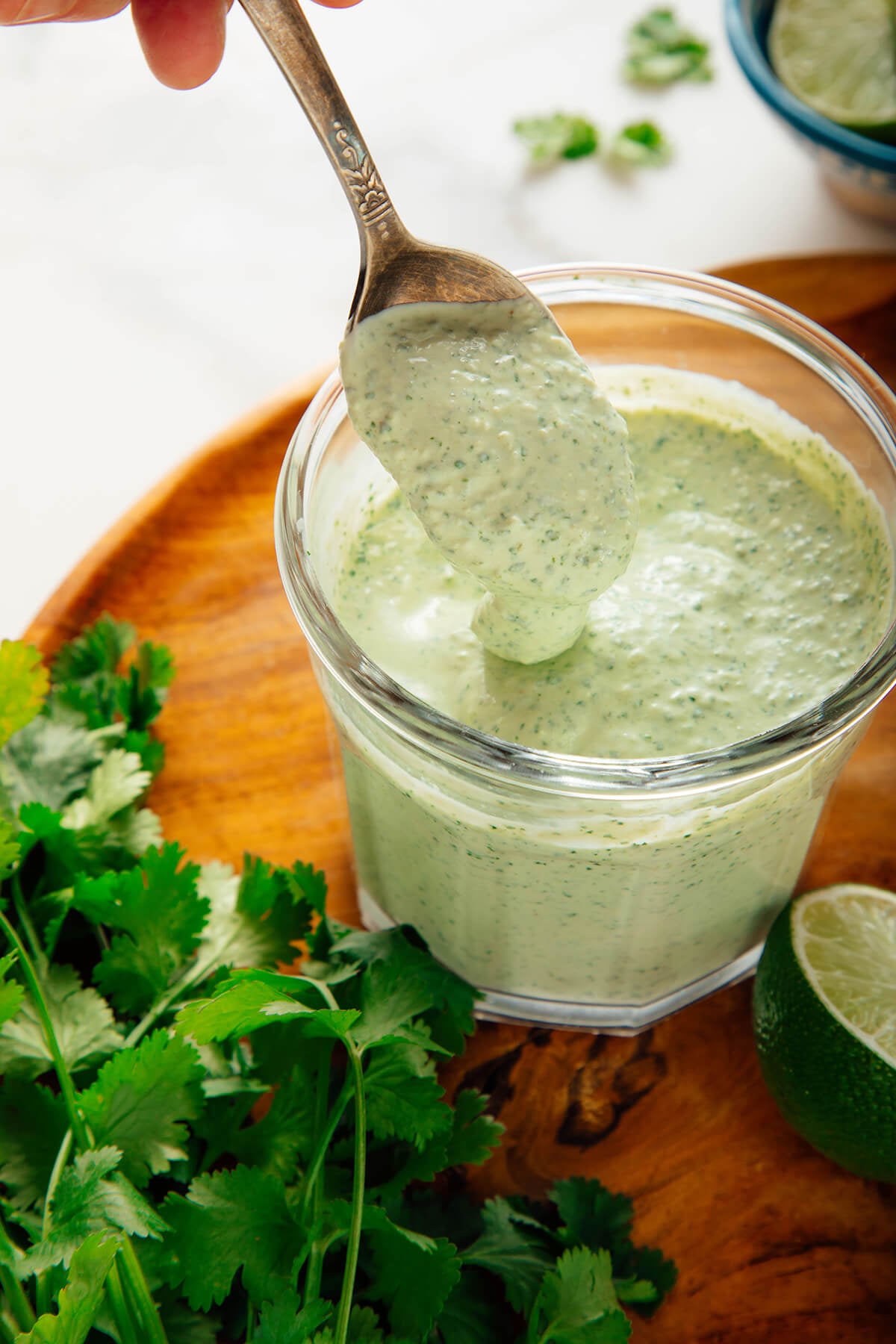
The success of Kathryne Taylor’s cilantro lime sauce recipe exemplifies the dynamic interplay between professional culinary innovation and grassroots home cooking. It highlights how consumer engagement with food extends beyond mere consumption, fostering a vibrant culture of sharing, adapting, and celebrating flavors. As more consumers seek to balance convenience with health, cost-effectiveness, and culinary adventure, the trend of reverse-engineering beloved restaurant dishes is poised to continue its growth, cementing the role of food bloggers and home chefs as influential figures in the evolving gastronomic landscape. The shared pursuit of delicious, accessible food continues to inspire creativity, both in commercial kitchens and within the comfort of one’s own home.