






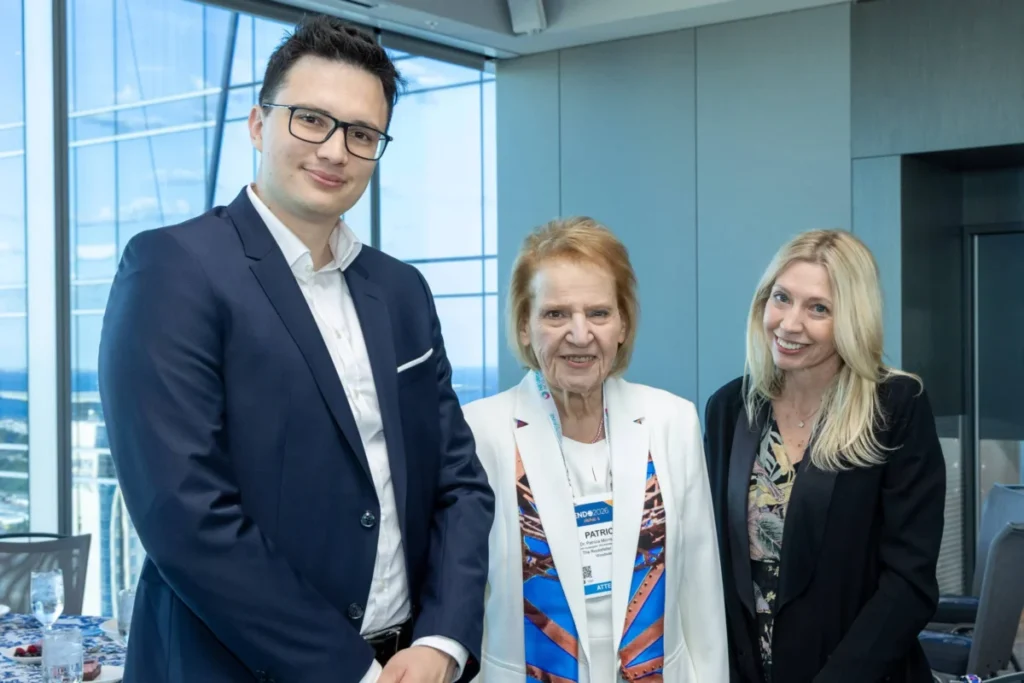
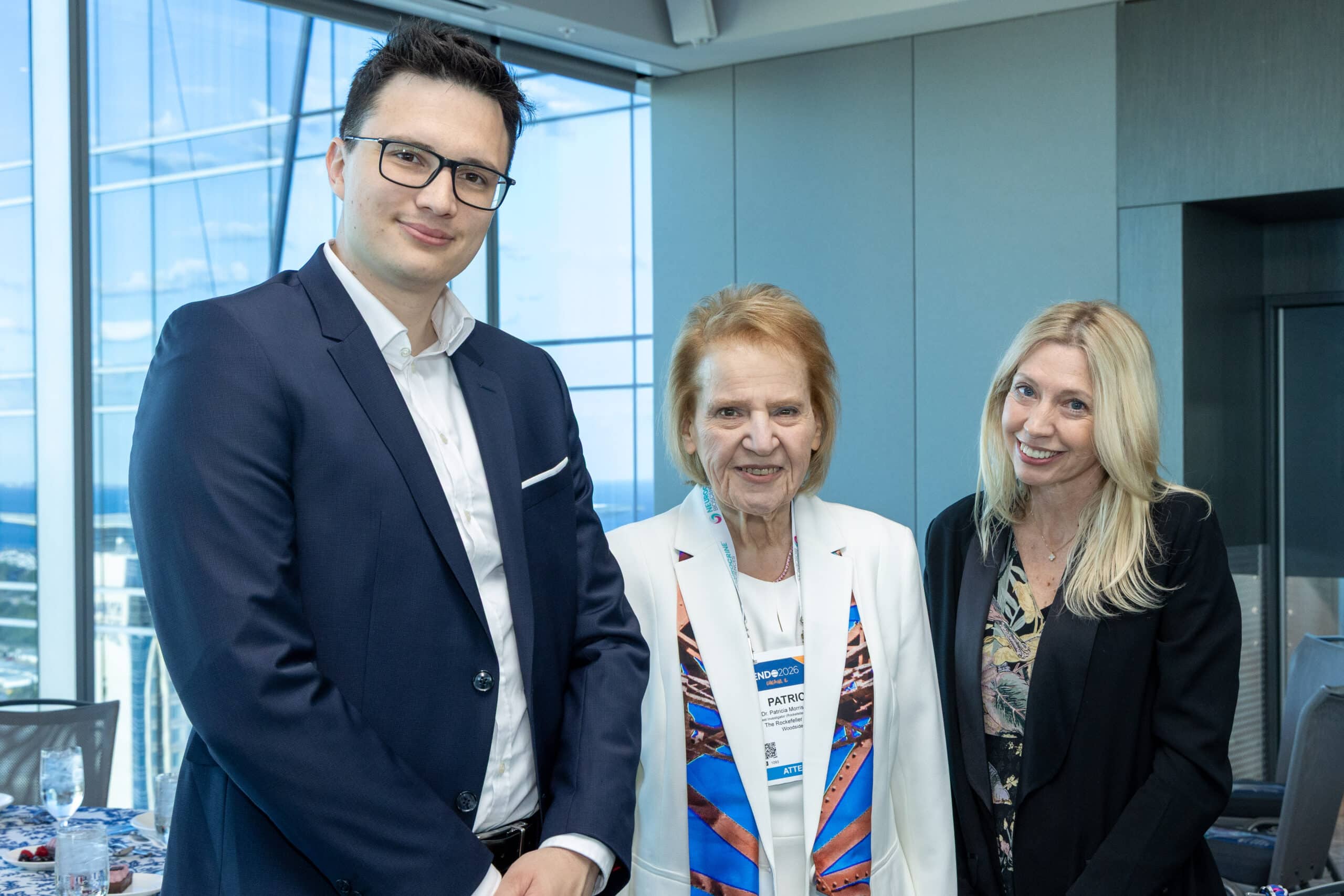
The 2026 Excellence in Endocrinology Dinner, held during the annual ENDO 2026 conference in Chicago, Illinois, served as the backdrop for a significant recognition of emerging talent in the field of metabolic research. Rok Herman, MD, an internal medicine resident at the University Medical Centre Ljubljana in Slovenia, was officially presented with the 2026 C. Wayne Bardin, MD, International Travel Award. This prestigious accolade, bestowed by the Endocrine Society, honors outstanding abstracts submitted by international fellows or junior faculty members, highlighting work that promises to shift the paradigm of clinical practice. Dr. Herman’s award-winning research focuses on the multi-faceted mechanisms of tirzepatide, a dual GIP (glucose-dependent insulinotropic polypeptide) and GLP-1 (glucagon-like peptide-1) receptor agonist, and its unexpected role in the activation of brown adipose tissue (BAT).
The recognition comes at a time when the global medical community is intensely focused on the "next generation" of anti-obesity medications. While the efficacy of these drugs in weight reduction is well-documented, the underlying mechanisms—specifically regarding energy expenditure—remain a subject of rigorous investigation. Dr. Herman’s work, titled the TABFAT (Tirzepatide Brown and Beige Adipose Tissue Activation) trial, provides a critical piece of this physiological puzzle, suggesting that the benefits of tirzepatide extend beyond mere appetite suppression to include the active stimulation of thermogenic fat.
The TABFAT Trial: Methodology and Core Findings
The TABFAT trial was designed as a randomized, placebo-controlled clinical study specifically targeting premenopausal women with obesity. This demographic is of particular interest in endocrine research due to the complex interplay between sex hormones, metabolic rate, and fat distribution. The primary objective was to determine whether tirzepatide could influence the metabolic activity and volume of brown adipose tissue, a specialized type of fat responsible for non-shivering thermogenesis.
Over a 24-week treatment period, researchers employed a sophisticated array of imaging modalities to track changes in adipose tissue. These included cold-stimulated PET/CT imaging—the gold standard for identifying metabolic activity in BAT—alongside magnetic resonance imaging (MRI) and infrared thermography. The use of multiple imaging techniques allowed the team to capture a comprehensive view of how the tissue responded to the pharmacological intervention.
The results were statistically significant and biologically compelling. At the beginning of the study, PET/CT scans detected active brown adipose tissue in 41.2% of the participants in the group slated for tirzepatide treatment. By the conclusion of the 24-week period, that figure had risen to 64.7%. In contrast, the placebo group showed no such increase in BAT detection or activity. Furthermore, the volume and thermogenic intensity of the brown fat in the tirzepatide group were notably enhanced.
Beyond the activation of existing brown fat, Dr. Herman and his colleagues reported evidence of "browning" or "beiging" of white subcutaneous fat. White adipose tissue (WAT) is primarily used for energy storage, whereas "beige" fat represents white fat cells that have acquired thermogenic properties similar to brown fat. The ability to convert energy-storing fat into energy-burning fat is considered a "watershed moment" in obesity research, as it suggests a path toward increasing a patient’s basal metabolic rate through targeted therapy.
A Paradigm Shift in Energy Expenditure
The implications of the TABFAT trial extend to the very definition of how modern obesity medications function. For several years, the prevailing understanding of GLP-1 and GIP agonists focused on their "incretin effect"—enhancing insulin secretion, slowing gastric emptying, and signaling satiety to the brain. Dr. Herman’s findings suggest that tirzepatide also modulates energy expenditure at the cellular level.
"In the TABFAT trial, we asked a different question: Beyond eating less, does tirzepatide also change how the body burns energy?" Dr. Herman explained during the ENDO 2026 proceedings. The data suggests an affirmative answer. By activating BAT, the body consumes more calories to produce heat, effectively increasing the "engine’s" idle speed. This dual-action approach—reducing caloric intake while simultaneously increasing caloric burn—could explain why tirzepatide has shown superior weight-loss results in various clinical trials compared to single-receptor agonists.
This research addresses a long-standing challenge in weight management: the metabolic adaptation that often accompanies weight loss. Typically, as a person loses weight, their resting metabolic rate drops, making further weight loss difficult and regain likely. If pharmacological agents can maintain or increase BAT activity during weight loss, they may help counteract this adaptive thermogenesis, leading to more sustainable long-term outcomes for patients with obesity.
The Path of a Physician-Scientist: From Ljubljana to Chicago
The journey to the 2026 C. Wayne Bardin Award began years ago in Slovenia, where Dr. Herman’s interest in internal medicine was sparked during his time as a medical student. He attributes much of his success to the early intervention of mentors at the University Medical Centre Ljubljana, who integrated him into research teams while he was still completing his basic medical education. This early exposure to the rigors of clinical inquiry fostered a passion for endocrinology, a field he describes as a unique blend of "precise physiology, complex clinical reasoning, and direct therapeutic impact."
Dr. Herman’s rise in the field has been marked by a commitment to the "physician-scientist" model. He currently serves as an internal medicine resident at the Department of Endocrinology, Diabetes and Metabolic Diseases in Ljubljana. Despite the heavy clinical load of residency, he has maintained a prolific research output, earning multiple domestic awards before achieving this latest international recognition.
Reflecting on the award, Dr. Herman emphasized the personal and professional sacrifices required to bring a technically demanding clinical trial like TABFAT to fruition. He noted that the recognition validates the "countless days and nights" spent on data analysis and trial management. He specifically cited his mentors, Professor Andrej Janež and Professor Mojca Jensterle, as instrumental in his development, as well as the support of his family.
The choice of the C. Wayne Bardin Award is particularly poignant for Dr. Herman. Dr. Bardin was a titan of endocrinology known for his ability to balance high-level research with clinical excellence and personal integrity. "Prof. Bardin’s career reflects the path of someone trying to excel as a physician, push research forward, and be present for one’s family all at once," Dr. Herman remarked. "Seeing such an example… feels like a quiet form of mentorship across time."

Institutional and Regional Significance
For the University Medical Centre Ljubljana and the broader Slovenian medical community, Dr. Herman’s achievement serves as a testament to the quality of research being conducted in Central Europe. While major pharmaceutical breakthroughs are often associated with large North American or Western European institutions, the TABFAT trial demonstrates that high-quality, mechanistic clinical research can thrive in smaller, highly specialized centers.
Dr. Herman believes the award strengthens the ability of Slovenian institutions to build international collaborations. By proving that their results can stand alongside work from the world’s leading endocrine centers, the Ljubljana team is positioning itself as a key player in global metabolic research. This is particularly relevant as the department expands its focus to other areas of obesity pharmacotherapy, including the effects of weight-loss drugs on skeletal muscle status—a study they hope to present at next year’s ENDO meeting.
Future Horizons in Endocrine Research
The conclusion of the TABFAT trial’s primary imaging phase is only the beginning of Dr. Herman’s investigative pipeline. He is currently finalizing the analysis of adipose tissue biopsies, moving from macro-level imaging to micro-level cellular analysis. These biopsies are expected to provide deeper insights into the genetic and molecular triggers that lead to brown fat activation and white fat beiging.
Furthermore, Dr. Herman’s research interests remain diverse. He is currently involved in projects exploring:
- Postural Orthostatic Tachycardia Syndrome (POTS): Investigating the underlying endocrine mechanisms that contribute to this complex autonomic disorder.
- Polyendocrine Metabolic Ovarian Syndrome: Examining bone-metabolic interactions in patients with complex hormonal imbalances.
- Indolent Systemic Mastocytosis: Studying the impact of this rare condition on bone health.
- Fasting Adaptations: Analyzing how the endocrine system adapts to various fasting protocols, which has implications for both metabolic health and longevity.
As Dr. Herman noted, this "dynamic period" in his career is exactly what he envisioned when he first fell in love with research. His philosophy remains grounded in the belief that being a strong researcher inherently makes one a better physician. By understanding the "why" behind a drug’s effectiveness, a clinician can better tailor treatments to the individual needs of their patients.
Conclusion and Broader Impact
The presentation of the 2026 C. Wayne Bardin, MD, International Travel Award to Dr. Rok Herman at ENDO 2026 highlights a pivotal moment in the study of obesity and metabolic health. As tirzepatide and similar medications become more prevalent in clinical practice, the discovery that they can actively stimulate brown adipose tissue offers a new frontier for therapeutic intervention.
The Endocrine Society continues to serve as a vital platform for such discoveries, bridging the gap between local clinical observations and global scientific standards. For Dr. Herman, the award is both a personal milestone and a motivation to continue exploring the "precise physiology" of the human body. As the medical community awaits the full publication of the TABFAT trial results later this year, the focus remains on how these insights can be translated into more effective, personalized care for the millions of individuals living with obesity worldwide. Through the activation of brown fat and the regulation of appetite, the next generation of therapies may finally offer a comprehensive solution to one of the most pressing health challenges of the 21st century.