

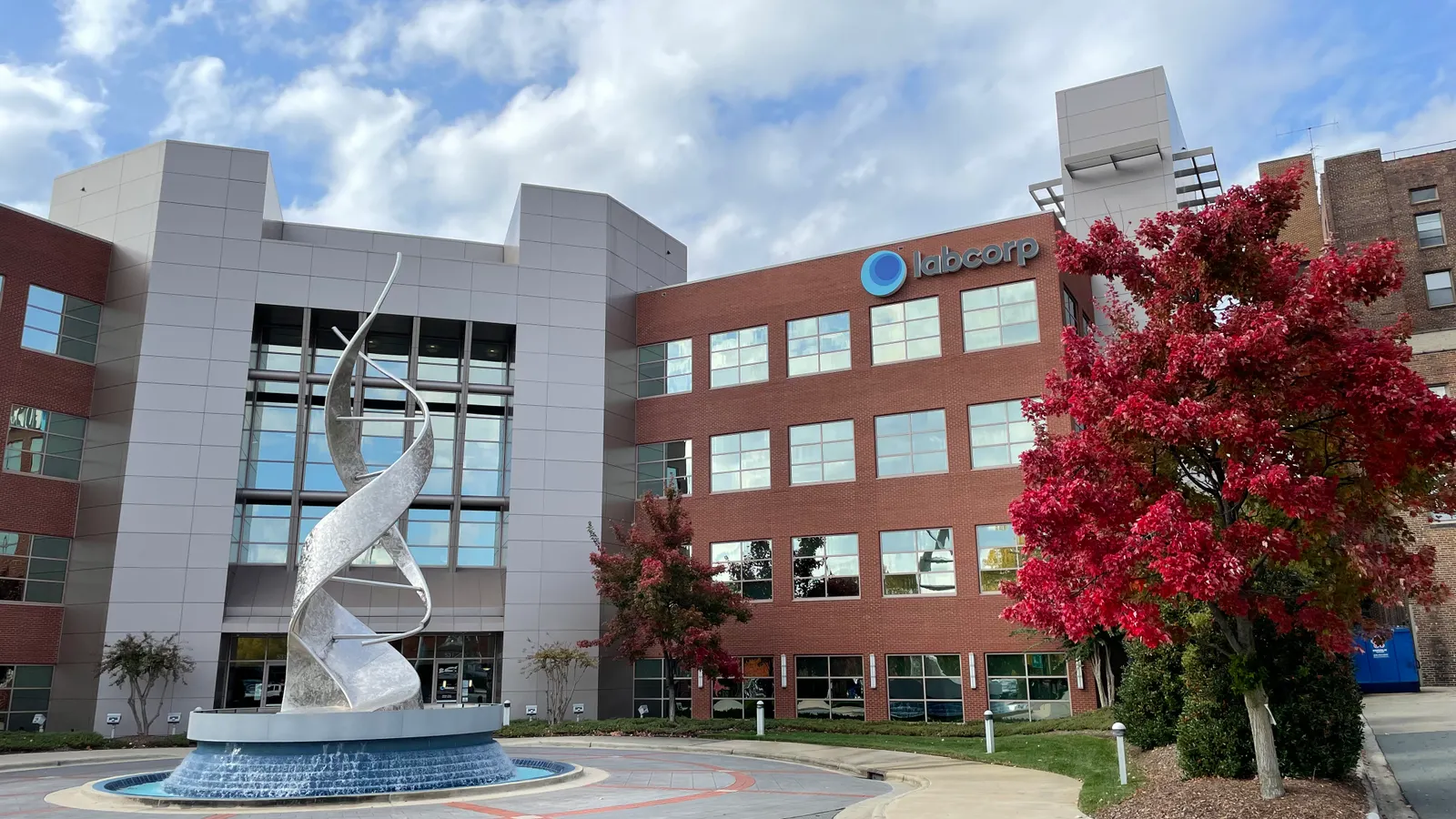
Labcorp, a global leader in innovative and comprehensive laboratory services, has announced the nationwide implementation of PathAI’s AISight Dx software across its pathology network in the United States. This strategic deployment marks a significant milestone in the modernization of diagnostic medicine, transitioning traditional glass-slide microscopy into a fully digital, artificial intelligence-enhanced workflow. The integration allows Labcorp’s pathologists to utilize advanced computational tools to review, interpret, and manage digital images of surgical pathology slides for primary diagnosis. By moving toward a digital-first environment, the company aims to improve diagnostic consistency, reduce turnaround times for critical patient results, and foster a more collaborative environment for its medical professionals.
The adoption of the AISight Dx platform is the culmination of a multi-year strategic relationship between Labcorp and PathAI, a Boston-based leader in AI-powered pathology solutions. This rollout represents one of the largest clinical implementations of digital pathology technology to date, positioning Labcorp at the forefront of a technological shift that is currently reshaping the diagnostic landscape. The move is expected to address several systemic challenges within the field of pathology, including a growing shortage of specialized medical personnel and an increasing volume of complex diagnostic cases, particularly in oncology.
A Chronology of Strategic Collaboration and Innovation
The partnership between Labcorp and PathAI was not an overnight development but rather the result of a deliberate, long-term investment strategy. The timeline of this collaboration illustrates the gradual maturation of artificial intelligence from an experimental research tool to a cornerstone of clinical practice.
The relationship began in 2019 when Labcorp made a strategic investment in PathAI. At the time, the goal was to explore how machine learning could be applied to pathology to improve the accuracy of diagnoses and the efficiency of clinical trials. By 2021, the two entities expanded their collaboration, specifically focusing on utilizing PathAI’s technology to support global clinical trials. This phase allowed for the rigorous testing of AI algorithms in a controlled environment, ensuring that the technology could meet the high standards required for regulatory approval and clinical utility.
In 2022, PathAI achieved a major regulatory milestone by receiving Food and Drug Administration (FDA) 510(k) clearance for its digital pathology platform. This clearance was essential for the technology to be used in primary diagnosis, rather than just as a secondary or research tool. The regulatory momentum continued into 2025, when PathAI received an expanded 510(k) clearance. This specific regulatory designation is significant because it grants PathAI the authority to validate and implement major technical changes—such as the addition of new monitors, scanners, file formats, and web browsers—without requiring a new FDA submission for every modification. This flexibility is a critical component of Labcorp’s ability to scale the technology across its vast and diverse network of laboratories.
Technical Specifications of the AISight Dx Platform
The AISight Dx software serves as a comprehensive digital ecosystem for the pathology workflow. Traditionally, pathology involves the physical transport of glass slides containing tissue samples to a pathologist, who then views them under a conventional microscope. AISight Dx replaces this physical dependency with high-resolution digital imaging and a robust data management system.
The platform provides several core functionalities:
- Image Management and Review: Pathologists can view high-resolution "Whole Slide Images" (WSI) on specialized monitors, allowing for precise zooming and navigation that often exceeds the capabilities of traditional lenses.
- AI-Powered Insights: The software integrates computational pathology tools that can highlight areas of interest, quantify biomarkers (such as HER2 or PD-L1 in breast and lung cancer), and provide "heatmaps" that direct the pathologist’s attention to potential abnormalities.
- Secure Storage and Connectivity: Digital slides are stored in secure, cloud-based or local servers, enabling instant access for second opinions or consultations. This eliminates the risk of slide breakage or loss during transit.
- System Interoperability: The platform is designed to connect seamlessly with existing Laboratory Information Systems (LIS), ensuring that patient data and diagnostic images are synchronized across the healthcare continuum.
By utilizing these tools, Labcorp aims to standardize the diagnostic process. In traditional pathology, there can be subjective variability between different pathologists. AI-enabled tools provide an objective baseline, helping to ensure that a patient in a rural clinic receives the same diagnostic precision as one in a major metropolitan medical center.
Leadership Perspectives and Strategic Vision
The executive leadership at Labcorp has been vocal about the transformative potential of this technology. Marcia Eisenberg, Ph.D., Chief Scientific Officer at Labcorp, emphasized that the expanded agreement is a key driver in the company’s mission to integrate AI insights into routine clinical care. According to Eisenberg, the goal is not to replace the pathologist but to empower them with data-driven insights that lead to faster and more consistent results.
This sentiment was echoed by Labcorp CEO Adam Schechter during the J.P. Morgan Healthcare Conference earlier this year. Schechter outlined a broad vision for the company where AI is not limited to pathology but is also integrated into microbiology and cytology operations. He highlighted the concept of "virtual staining," a process where AI can simulate different chemical stains on a single tissue sample. This would allow pathologists to visualize various cellular structures without the need for multiple physical slides, significantly speeding up the diagnostic process and preserving limited tissue samples.
"The goal is to equip the pathologist to know exactly where to look and when to look," Schechter stated during the conference. He noted that by identifying issues faster, Labcorp can provide clinicians with the information they need to initiate treatment plans earlier, which is often a decisive factor in patient outcomes.

Addressing Industry Challenges through Digital Transformation
The shift to digital pathology comes at a critical time for the healthcare industry. The United States is currently facing a projected shortage of pathologists. As the population ages and the incidence of cancer rises, the demand for complex diagnostic services is outstripping the supply of qualified specialists. Digital pathology allows for "telepathology," where a slide scanned in one state can be reviewed by a sub-specialist in another, effectively optimizing the distribution of medical expertise.
Furthermore, the integration of AI addresses the "data explosion" in modern medicine. Pathologists are increasingly required to integrate genomic data, proteomic data, and traditional morphology into a single diagnosis. AISight Dx provides a platform where these disparate data points can be synthesized, allowing the pathologist to act as a "data chief" for the patient’s diagnostic journey.
Market Implications and Future Outlook
The broader diagnostic market is watching Labcorp’s rollout closely. As one of the largest laboratory operators in the world, Labcorp’s adoption of PathAI’s technology sets a precedent for the industry. It signals to other diagnostic providers, hospital systems, and technology developers that digital pathology has moved past the "early adopter" phase and into the mainstream of clinical practice.
Analysts suggest that this move could lead to significant long-term cost savings for Labcorp by reducing the physical infrastructure required for slide storage and transport, although the initial capital investment in high-capacity scanners and IT infrastructure is substantial. More importantly, the data generated through the AISight Dx platform will likely serve as a massive dataset for training future AI models, potentially leading to the discovery of new digital biomarkers that could predict a patient’s response to specific therapies.
As Labcorp continues its nationwide rollout, the focus will remain on validating the clinical impact of these tools. The company’s commitment to "routine care integration" suggests that digital pathology will soon become the standard of care for millions of patients across the United States. This transition represents a fundamental change in how the medical community understands and treats disease, moving toward a future where human expertise and artificial intelligence work in tandem to provide the most accurate diagnostic picture possible.
In conclusion, the nationwide implementation of PathAI’s AISight Dx by Labcorp is more than a simple software update; it is a structural transformation of the pathology discipline. By combining the scale of Labcorp’s laboratory network with PathAI’s computational prowess, the two companies are establishing a new benchmark for diagnostic excellence in the 21st century. The implications for patient care—ranging from faster cancer diagnoses to more personalized treatment pathways—mark a new era in the intersection of technology and medicine.
