
When individuals express a desire to lose weight, their underlying objective is typically to reduce excess body fat. However, without a meticulously designed strategy, a caloric deficit can inadvertently lead to the loss of not only fat but also valuable muscle tissue. To mitigate this muscle loss and optimize fat reduction, integrating resistance training, ensuring adequate sleep, and adhering to a high-protein diet are paramount components of a well-rounded weight management plan. Protein plays a critical and multifaceted role in this process, influencing key physiological factors such as satiety, metabolic rate, and muscle preservation. While intense resistance training provides the essential stimulus for muscle retention, a diet rich in protein ensures the body has an abundant supply of amino acids, thereby preventing the catabolism of muscle tissue for energy.
The market offers a plethora of protein powders, presenting a convenient and lean source of this essential macronutrient. These supplements can be instrumental in helping individuals meet their daily protein requirements while simultaneously maintaining a calorie deficit. This article delves into an evaluation of over 100 protein powders, with a focus on identifying the top nine products best suited for weight loss objectives.
It is crucial to note that the information presented herein is for informational purposes only and should not be construed as medical advice. It is not intended for the diagnosis, prevention, or treatment of any health conditions. Always consult with a qualified healthcare professional before commencing any new supplement regimen or exercise program.
Methodology: Selecting the Premier Protein Powders for Weight Loss
The selection process for identifying the best protein powders for weight loss involved a comprehensive evaluation based on several key criteria. These included, but were not limited to:
- Protein-to-Calorie Ratio: Prioritizing powders that offer a high concentration of protein relative to their caloric content, ensuring maximum protein intake for minimal caloric expenditure.
- Macronutrient Profile: Assessing the balance of protein, carbohydrates, and fats, with an emphasis on low carbohydrate and fat content to support a calorie deficit.
- Ingredient Quality and Purity: Examining ingredient lists for the absence of added sugars, artificial sweeteners, fillers, and unnecessary additives, favoring natural and whole-food-based ingredients.
- Taste and Mixability: Evaluating the palatability and ease of dissolution in various liquids, as enjoyment and convenience are crucial for consistent adherence.
- Third-Party Testing and Certifications: Verifying that products have undergone independent testing for purity, potency, and safety, with certifications such as Informed Choice or NSF Certified for Sport being highly valued, particularly for athletes.
- Cost-Effectiveness: Considering the price per serving to ensure accessibility and value for consumers.
Top Protein Powder Selections for Weight Loss in 2025
After rigorous testing and analysis, the following protein powders have been identified as the leading options for individuals seeking to achieve their weight loss goals:
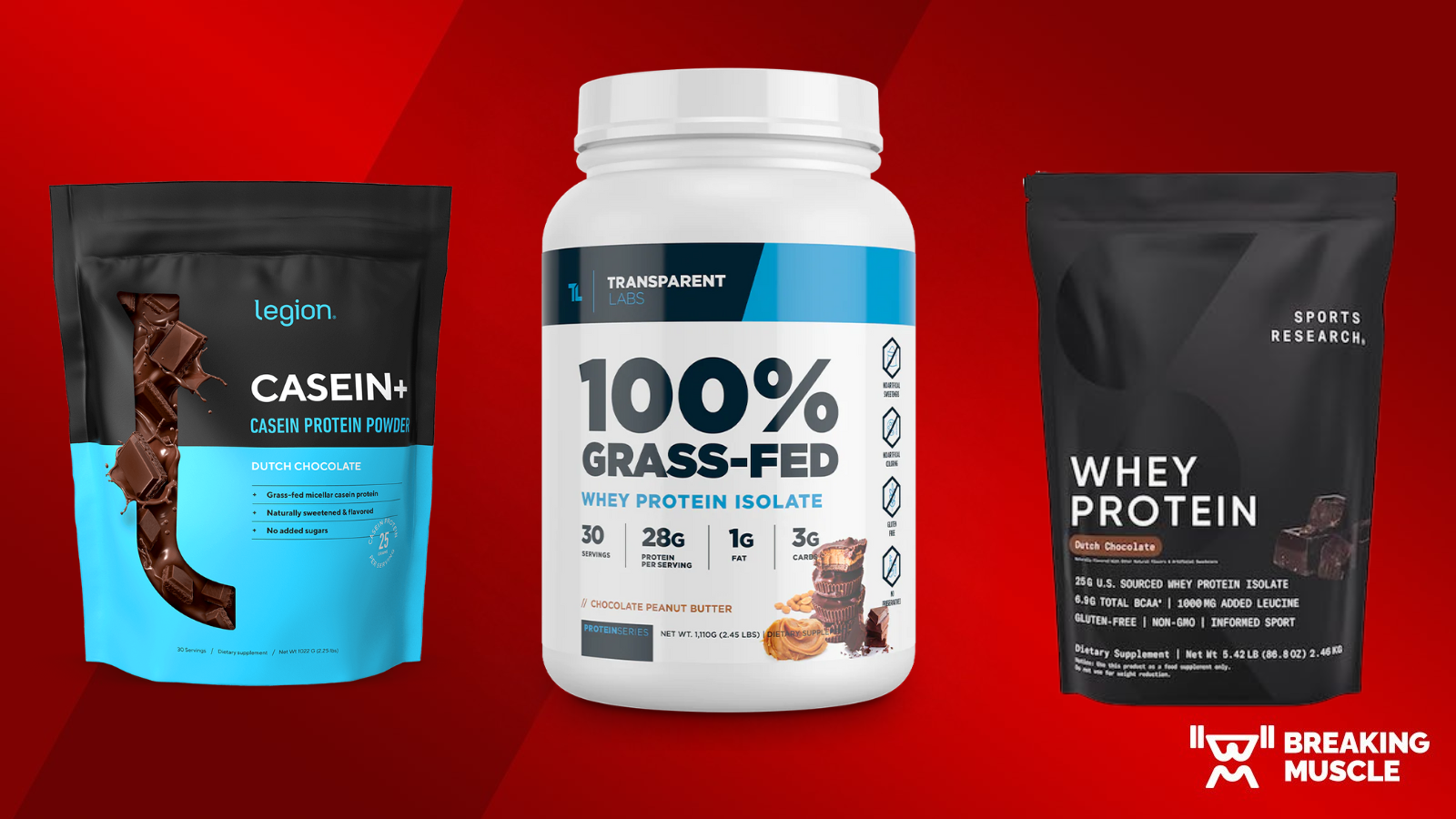
Best Overall Protein Powder for Weight Loss: Transparent Labs 100% Grass-Fed Whey
Transparent Labs 100% Grass-Fed Whey distinguishes itself with an exceptional protein-to-calorie ratio, delivering 28 grams of protein for just 130 calories per serving. This potent formulation is designed to maximize protein intake within a caloric deficit, a critical factor in preventing muscle loss during weight reduction. The product is further validated by third-party testing, holding Informed Choice certification, and is notably free from artificial ingredients. Available in 15 distinct flavors, it offers a palatable option for a wide range of preferences.
Pros:
- Exceptional protein-to-calorie ratio.
- Third-party tested and Informed Choice certified.
- Free from artificial ingredients.
- Wide variety of flavor options.
Cons:
- Some customer reviews indicate potential challenges in contacting customer service.
The Chocolate Peanut Butter and Mocha flavors have been personally tested and highly recommended for their delicious taste and excellent mixability in both blenders and shaker bottles. This powder has proven effective in curbing sweet cravings and promoting satiety between meals, a significant advantage during weight management.
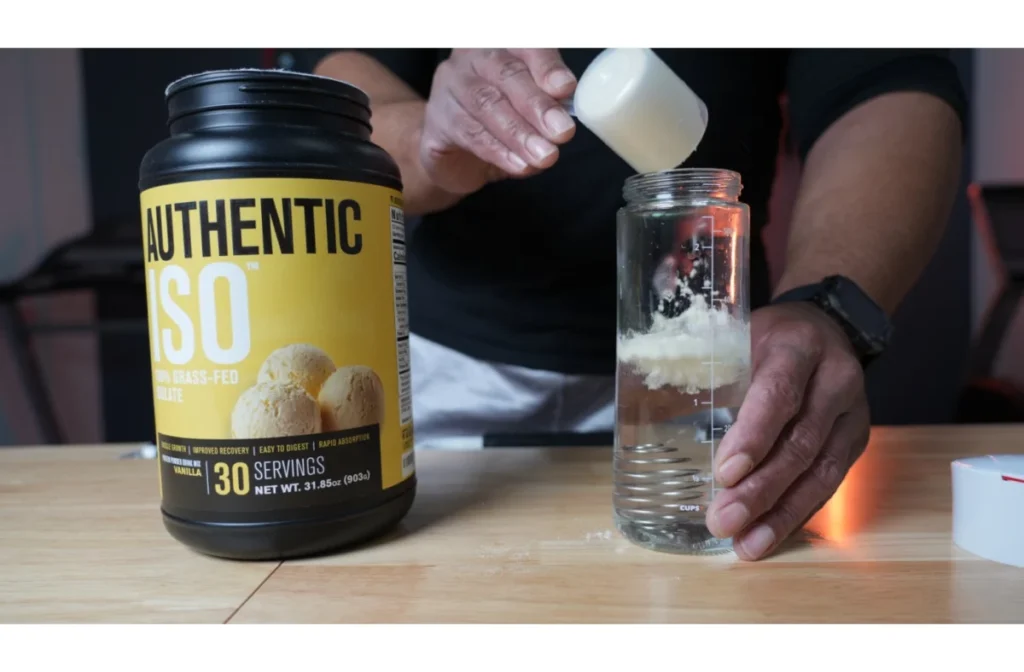
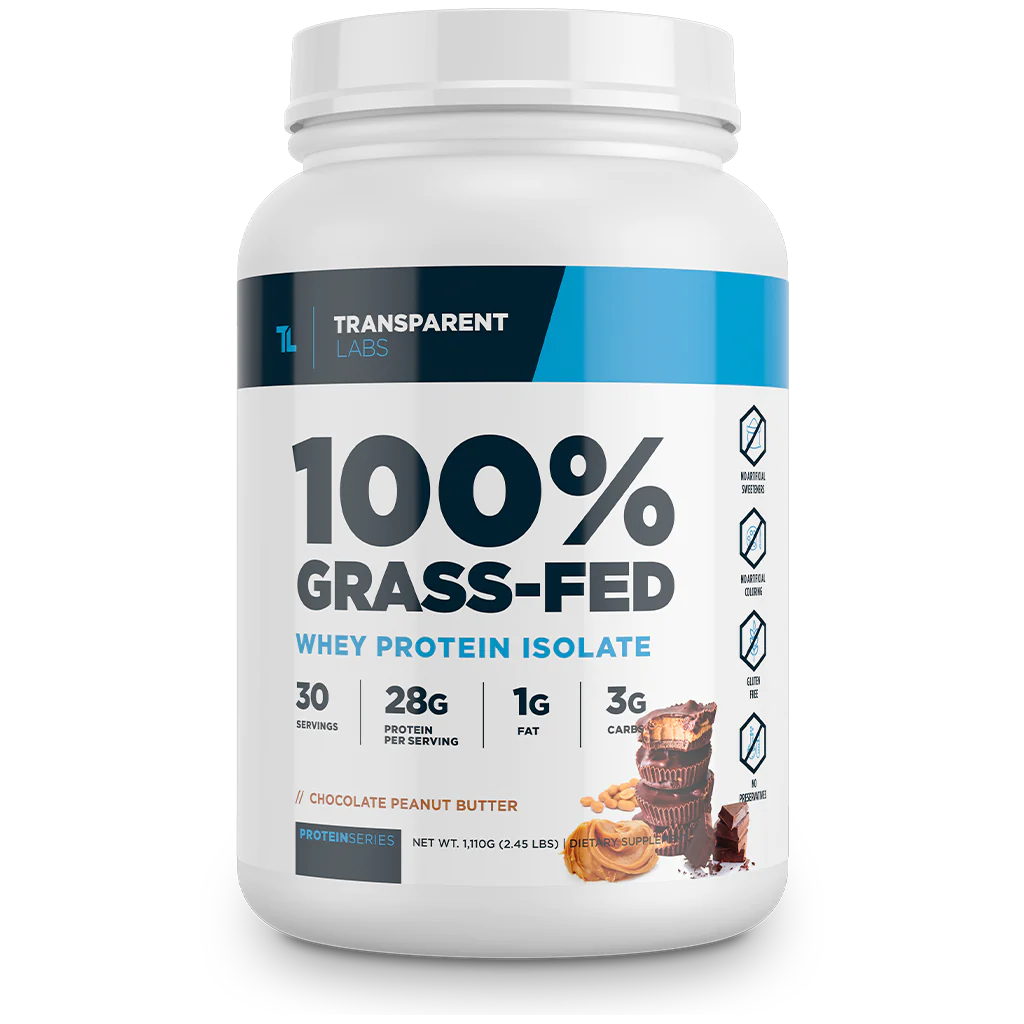
Best Affordable Protein Powder for Weight Loss: Jacked Factory Authentic Iso
Jacked Factory Authentic Iso emerges as a budget-friendly yet highly effective option, offering one of the best value propositions in the whey protein market. Certain flavors, such as Cookies & Cream and Peanut Butter, can be purchased for as low as $1.05 per serving. Despite its affordability, this protein powder boasts a nutrient profile conducive to weight loss, featuring 25 grams of protein, 2 grams of carbohydrates, and a mere 0.5 grams of fat per serving – the lowest fat content among the reviewed products.
Pros:
- Highly cost-effective.
- Excellent macronutrient profile for weight loss.
- Great taste and texture according to testers.
Cons:
- Sweetened with sucralose, an artificial sweetener linked to potential health concerns in some studies.
- Does not undergo third-party testing, lacking independent verification of ingredient purity.
Testers have lauded Jacked Factory Authentic Iso for its superior mixability, with one reviewer noting it did not settle at all and provided a dessert-like taste experience. However, its reliance on artificial sweeteners and lack of third-party testing are points of consideration.
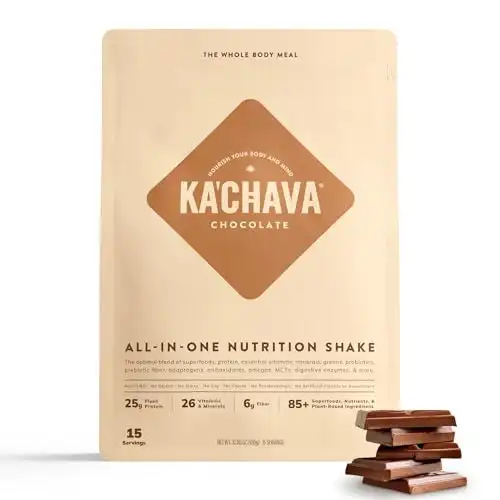
Best Plant-Based Protein Powder for Weight Loss: Ka’Chava
For those seeking a vegan-friendly protein solution that supports weight loss, Ka’Chava presents a compelling choice. Marketed as a "whole-body meal," it functions as a meal replacement rather than a simple protein supplement. Consequently, its calorie, carbohydrate, and fat counts are higher (240 calories, 25 grams of carbohydrates, and 7 grams of fat per serving). While the carbohydrate content may be a consideration for individuals on very low-carb diets, it delivers 25 grams of plant-based protein from a blend of peas, brown rice, and quinoa, effectively aiding muscle preservation during a calorie deficit.
Pros:
- Comprehensive nutrient profile, functioning as a meal replacement.
- Rich in plant-based protein from multiple sources.
- Includes adaptogens, probiotics, greens, and prebiotics.
Cons:
- Higher in calories, carbohydrates, and fat compared to typical protein powders.
- Significantly more expensive than other options on the list.
Ka’Chava is praised for its delicious taste when blended into smoothies and its inclusion of beneficial adaptogens, probiotics, and greens, contributing to overall well-being. However, its premium price point makes it the most expensive option, despite its comprehensive nutritional profile.
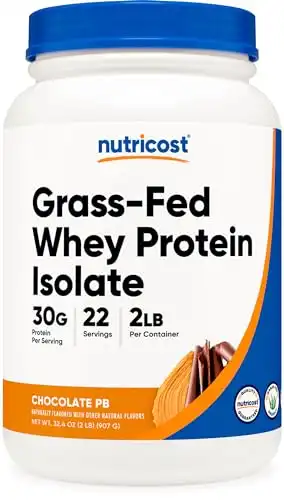
Best Protein Powder for Weight Loss on Amazon: Nutricost Grass-Fed Whey Protein Isolate
Nutricost Grass-Fed Whey Protein Isolate earns its designation as the top choice for weight loss protein powder available on Amazon due to its optimal calorie and macronutrient composition for fat reduction. It offers a high protein content per serving, crucial for enhancing satiety and preserving lean muscle mass during a calorie deficit. With minimal fat and carbohydrates, this powder maximizes protein intake without contributing excess calories, making it an efficient choice for weight loss.
Pros:
- Ideal macronutrient profile for weight loss.
- High protein content per serving.
- Good taste and mixability.
- Available on Amazon for convenient purchasing.
Cons:
- Uses artificial sweeteners, which some consumers prefer to avoid.
The Vanilla flavor was noted for its excellent blendability in both milk and water, delivering an authentic vanilla taste. While it uses artificial sweeteners, the sweetness level was found to be well-balanced. For those prioritizing natural sweeteners, alternatives like Promix or Transparent Labs are suggested.
Best Meal Replacement Protein Powder for Weight Loss: Huel Black Edition
Huel Black Edition is a standout meal replacement for weight loss, particularly due to its favorable protein-to-carbohydrate ratio. It provides an impressive 40 grams of protein per serving, the highest among the reviewed products, alongside 24 grams of carbohydrates. While the carbohydrate content may be higher than what is recommended for ketogenic diets, it falls within the acceptable range for most individuals aiming for weight loss, as experts suggest consuming 100 to 150 grams of carbohydrates daily can still facilitate weight loss.
Pros:
- Highest protein content per serving among the list.
- Balanced protein-to-carbohydrate ratio for general weight loss.
- Good for feeling full and sustained energy.
Cons:
- Some flavors may have an artificial aftertaste.
- Mixability can be challenging.
The Chocolate flavor of Huel Black Edition received high marks for its authentic taste, attributed to the use of real cocoa powder. While the Vanilla flavor was less impressive, the product generally provides a feeling of fullness and sustained energy without causing digestive upset, a benefit noted by testers.
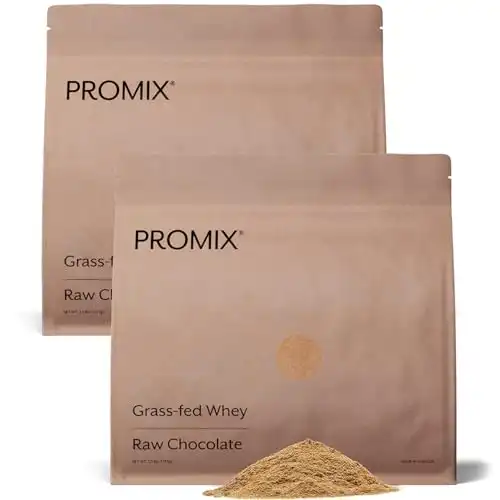
Best Clean Protein Powder for Weight Loss: Promix Grass-Fed Whey
Promix Grass-Fed Whey is recognized as the premier "clean" protein powder for weight loss, distinguished by its rigorous third-party testing for heavy metals and its gluten-free verification. The brand’s commitment to transparency is evident in its simple ingredient formulations, with options like the Vanilla flavor containing only four ingredients and eschewing artificial additives entirely.
Pros:
- Third-party tested for purity and safety.
- Simple ingredient list with no artificial additives.
- Good protein-to-carb ratio for weight loss.
Cons:
- May not be sweet enough for some palates.
- Mixability can result in some clumps.
- Not certified for sport-specific banned substances.
This protein powder offers a solid protein-to-carb ratio, aligning with research indicating that a higher protein intake relative to carbohydrates can support weight loss and prevent weight regain. Testers found the Vanilla flavor to be pleasant, though it could benefit from increased sweetness and improved mixability. It’s important for athletes to note that while Promix is third-party tested, it is not specifically certified for sport, making it less suitable for competitive athletes subject to anti-doping regulations.
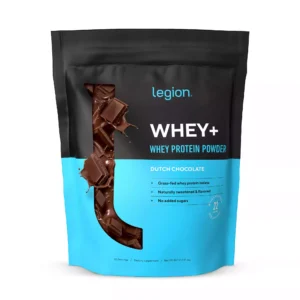
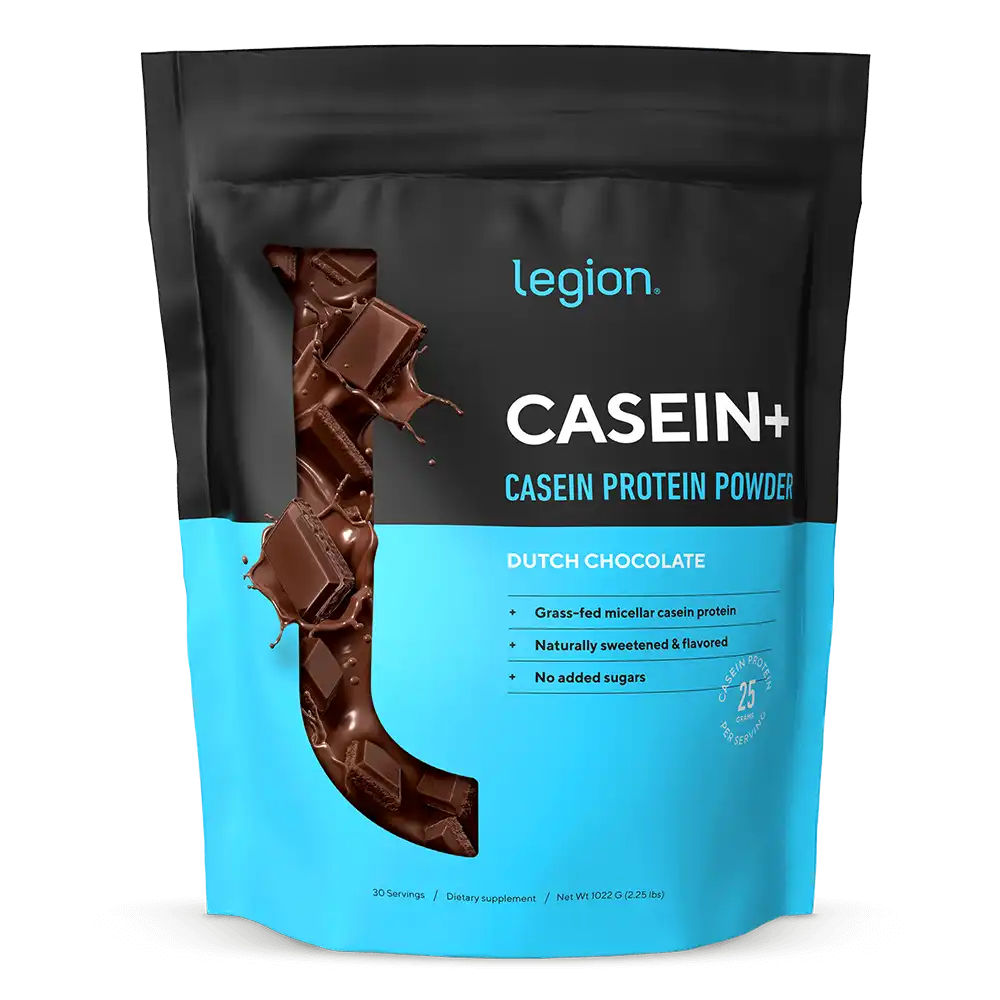
Best Casein Protein Powder for Weight Loss: Legion Athletics Casein+
Legion Athletics Casein+ stands out as an excellent casein protein powder for weight loss due to its all-natural formulation, free from artificial sweeteners, flavors, and colors. It undergoes third-party testing by Labdoor for purity and potency, ensuring a high-quality product. Each serving provides 25 grams of protein with only 110 calories, a ratio highly conducive to weight loss.
Pros:
- All-natural ingredients, free from artificial additives.
- Third-party tested for purity and potency.
- Low in calories with a high protein content.
- Slow-digesting protein ideal for sustained satiety.
Cons:
- Casein protein can have a thicker consistency and may take longer to dissolve.
- A slight chalky aftertaste may be present.
Casein protein is known for its slow digestion and absorption rate, making it an effective tool for managing hunger and providing a sustained release of amino acids, particularly beneficial during sleep or extended periods between meals. This gradual release helps mitigate muscle breakdown often associated with calorie restriction. The Dutch Chocolate flavor is described as reminiscent of a dark chocolate bar, though the consistency is thicker than whey and may leave a subtle chalky aftertaste.
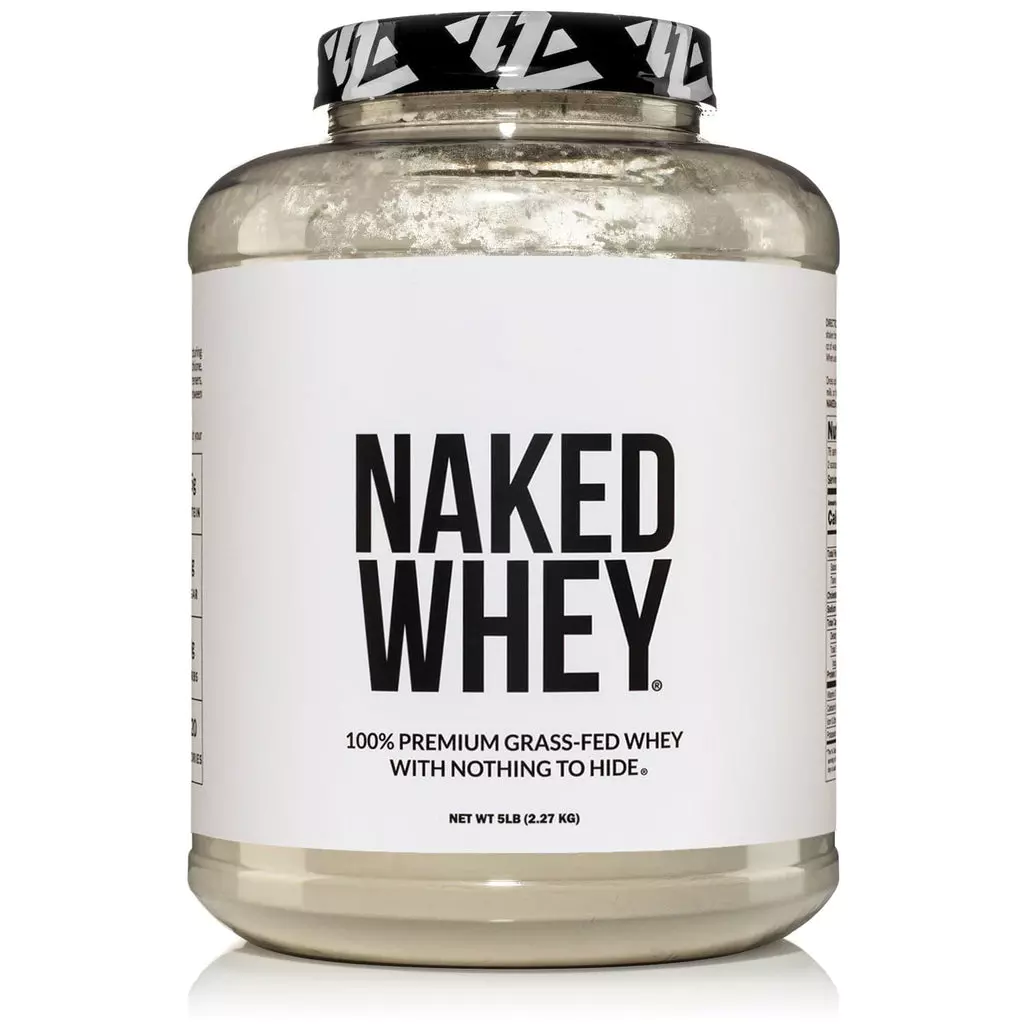
Best Unflavored Protein Powder for Weight Loss: Naked Grass-Fed Whey
Naked Grass-Fed Whey’s unflavored protein powder is celebrated for its unparalleled simplicity and purity, featuring a single ingredient: whey protein concentrate sourced from grass-fed cows. This minimalist approach reflects the brand’s dedication to transparency and its commitment to excluding additives, fillers, and artificial components.
Pros:
- Single-ingredient formula, emphasizing purity.
- No artificial ingredients or fillers.
- Neutral taste profile allows for versatile use.
- Sweetened naturally with coconut sugar in flavored varieties.
Cons:
- The unflavored version has a very slight taste that might be noticeable to some.
- Serving size can feel substantial, requiring extra liquid for optimal blending.
The unflavored variety offers a neutral taste, making it highly adaptable for incorporation into various recipes and smoothies without altering their inherent flavors. While a very subtle vanilla note and an earthy undertone have been detected, it blends well into smoothies. Naked also offers five flavored options, all sweetened with coconut sugar, a less intense sweetener than artificial alternatives.
Best Protein Powder for Weight Loss and Muscle Gain: Sports Research Whey Protein
Sports Research Whey Protein is recognized for its balanced approach to weight loss and muscle gain, offering a solid protein-to-calorie ratio of 25 grams of protein to 140 calories. It holds Informed Sport Certification, is competitively priced at approximately $1.20 per serving, and is lauded for its taste by testers.
Pros:
- Excellent protein-to-calorie ratio.
- Informed Sport Certified.
- Fairly priced.
- Great taste and mixability.
- Contains Vitamin D, linked to muscle health.
Cons:
- Fat content is slightly higher than some competitors.
Nutritionally, Sports Research performs well, with its protein and carbohydrate content aligning favorably with many competitors. While the fat content is on the higher side, the inclusion of Vitamin D, which has been associated with improved muscle health in recent research, adds value. The Creamy Vanilla flavor is described as tasting like vanilla ice cream when mixed with milk, but the flavor is diluted and predominantly sweet when mixed with water. Mixability is excellent, with no grittiness or clumping reported.
The Role of Protein Powder in Weight Loss
Protein powder serves as a valuable asset in weight loss by primarily:
- Promoting Satiety: Protein is known to increase feelings of fullness, helping to reduce overall calorie intake.
- Preserving Muscle Mass: During a caloric deficit, adequate protein intake is crucial for preventing muscle breakdown, which can negatively impact metabolism.
- Boosting Metabolism: The thermic effect of food is higher for protein compared to carbohydrates and fats, meaning the body expends more calories digesting protein.
- Convenience: Protein shakes offer a quick and easy way to consume a significant amount of protein with controlled calories, carbohydrates, and fats.
The lean nature of most protein powders, characterized by a high protein-to-total calorie ratio, makes them an efficient tool for reaching daily protein targets while adhering to caloric restrictions.
Selecting the Right Protein Powder for Your Weight Loss Journey
When choosing a protein powder for weight loss, several factors warrant careful consideration:
Protein Content and Quality
Opt for powders that provide approximately 25 grams of protein per serving. Whey, soy, or pea protein isolates are often recommended due to their ultra-filtered nature, which removes excess carbohydrates and fats.
Calories per Serving
A moderate calorie count, typically between 100 and 160 calories per serving, is advisable. The majority of these calories should originate from protein to best support weight loss efforts. It’s important to remember that protein provides four calories per gram, so a 25-gram protein serving will generally translate to around 110-120 calories if the powder is exceptionally lean.
Ingredient Quality
Scrutinize the ingredient list for added sugars, artificial sweeteners, fillers, and unnecessary additives. Prioritize products with minimal ingredients for a cleaner nutritional profile. While some powders may include ingredients like creatine, probiotics, or BCAAs, assess whether these additions align with your personal health and fitness objectives.
Taste and Mixability
Personal preference is key. A protein powder that you enjoy the taste and texture of is more likely to be consumed consistently, thereby contributing to your weight loss goals.
Third-Party Testing
For assurance of quality, purity, and safety, select protein powders that have undergone third-party testing. Certifications such as Informed Choice or NSF Certified for Sport are particularly important for athletes to ensure the absence of contaminants and banned substances. This also guarantees that the product’s ingredients match its label.
What to Avoid in a Weight Loss Protein Powder
When selecting a protein powder with weight loss in mind, it is generally recommended to steer clear of products with:
- Added Sugars: These contribute unnecessary calories and can hinder weight loss.
- Excessive Carbohydrates and Fats: While some carbohydrates are necessary, high amounts can detract from a calorie deficit. Similarly, excessive fats increase caloric density.
- Artificial Additives: Many consumers prefer to avoid artificial sweeteners, flavors, and colors, opting for more natural alternatives. Brands like Transparent Labs and Naked Nutrition are noted for their natural formulations.
Final Verdict: The Efficacy of Protein Powder for Weight Loss
As a certified nutrition coach, it is essential to underscore that protein powder is not a prerequisite for successful weight loss. However, its convenience and efficacy make it a beneficial addition to a comprehensive weight loss strategy that incorporates resistance training, quality sleep, and healthy lifestyle habits. A high-protein diet, particularly during a weight loss phase, plays a crucial role in appetite management and muscle preservation. If a protein powder can assist in meeting daily protein targets while maintaining a calorie deficit, its inclusion in a regular routine is certainly warranted.
Frequently Asked Questions About Protein Powder for Weight Loss
Should you drink protein shakes when trying to lose weight?
Protein shakes can be an effective means of preserving lean muscle mass during weight loss. For individuals prioritizing weight loss, a lean whey protein isolate, such as Transparent Labs 100% Grass-Fed Whey, is recommended due to its high protein-to-calorie ratio, minimizing the intake of additional carbohydrates and fats.
How much protein should I eat in a day to lose weight?
For individuals with weight loss goals, a recommended protein intake is between 1.2 to 1.6 grams per kilogram of body weight (approximately 0.5 to 0.7 grams per pound). This range supports muscle mass while facilitating a necessary calorie deficit for weight loss.
What type of protein is best for weight loss?
Lean protein sources are generally preferred. Whey protein isolates, which undergo processing to reduce fat and carbohydrate content, offer a favorable protein-to-calorie ratio. While some plant-based proteins can be naturally higher in carbohydrates, high-quality options can provide comparable benefits to whey protein for lean body mass promotion. Lean animal proteins include chicken breast, fish, and eggs. Plant-based lean protein sources include tofu, beans, and lentils.
What should I drink for weight loss?
When focusing on weight loss, prioritize calorie-free beverages such as water, seltzer, black coffee, and unsweetened tea. Avoid calorie-dense drinks like sugary sodas, sports drinks, fruit juices, and alcohol, as these can consume significant caloric intake without providing satiety, diverting calories that could otherwise be used for nutrient-dense foods.
Which protein is best for belly fat loss?
There is no specific protein that targets belly fat loss exclusively. However, prioritizing lean protein sources, such as whey protein isolate, can contribute to overall weight loss goals. The reduced carbohydrate and fat content in isolates maximizes the protein-to-calorie ratio, making them an efficient choice for supporting protein intake within a calorie deficit.