








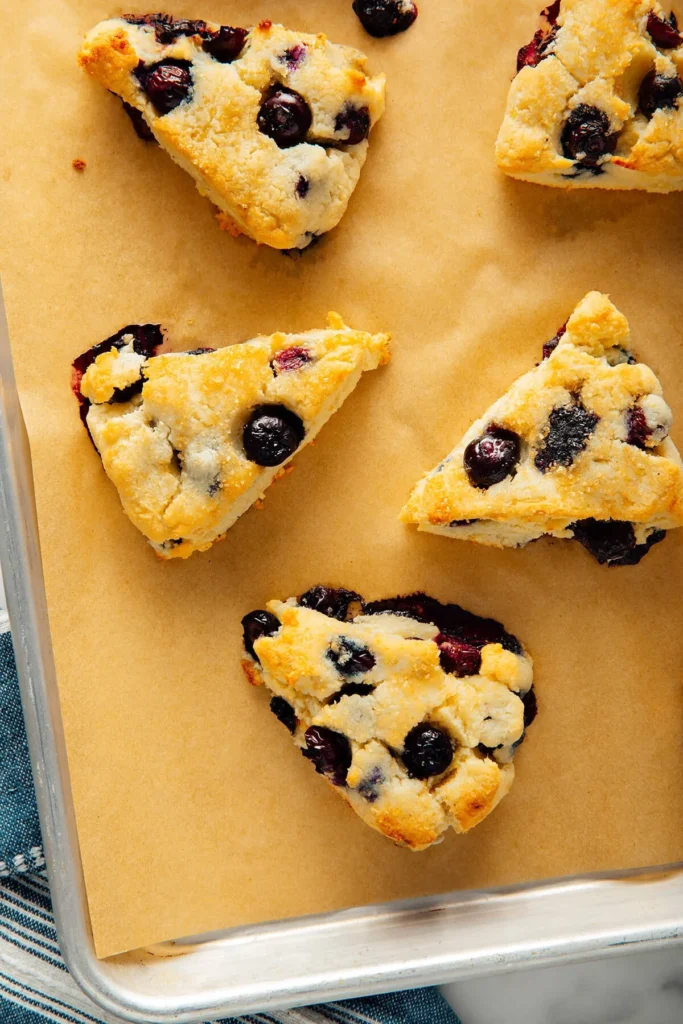
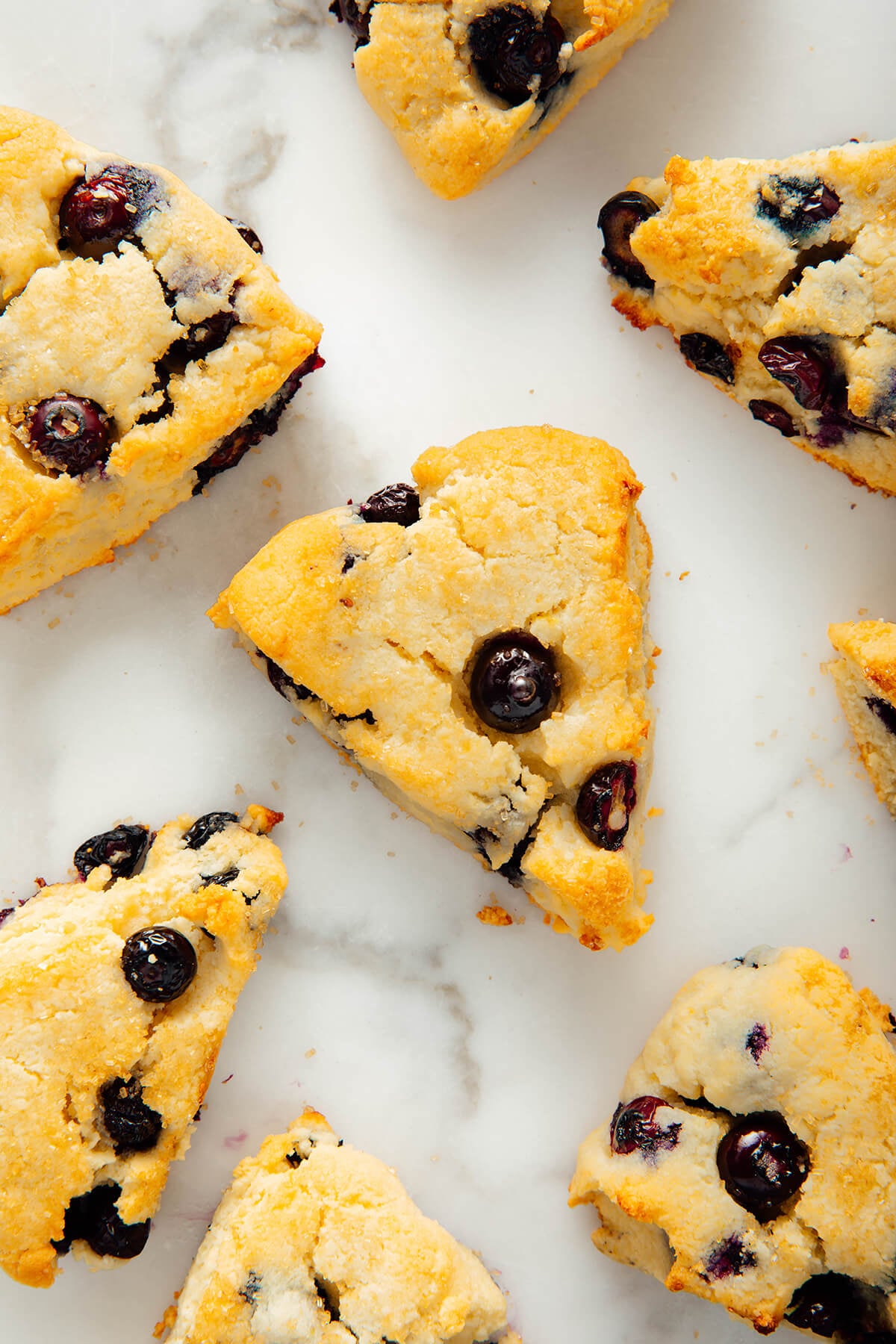
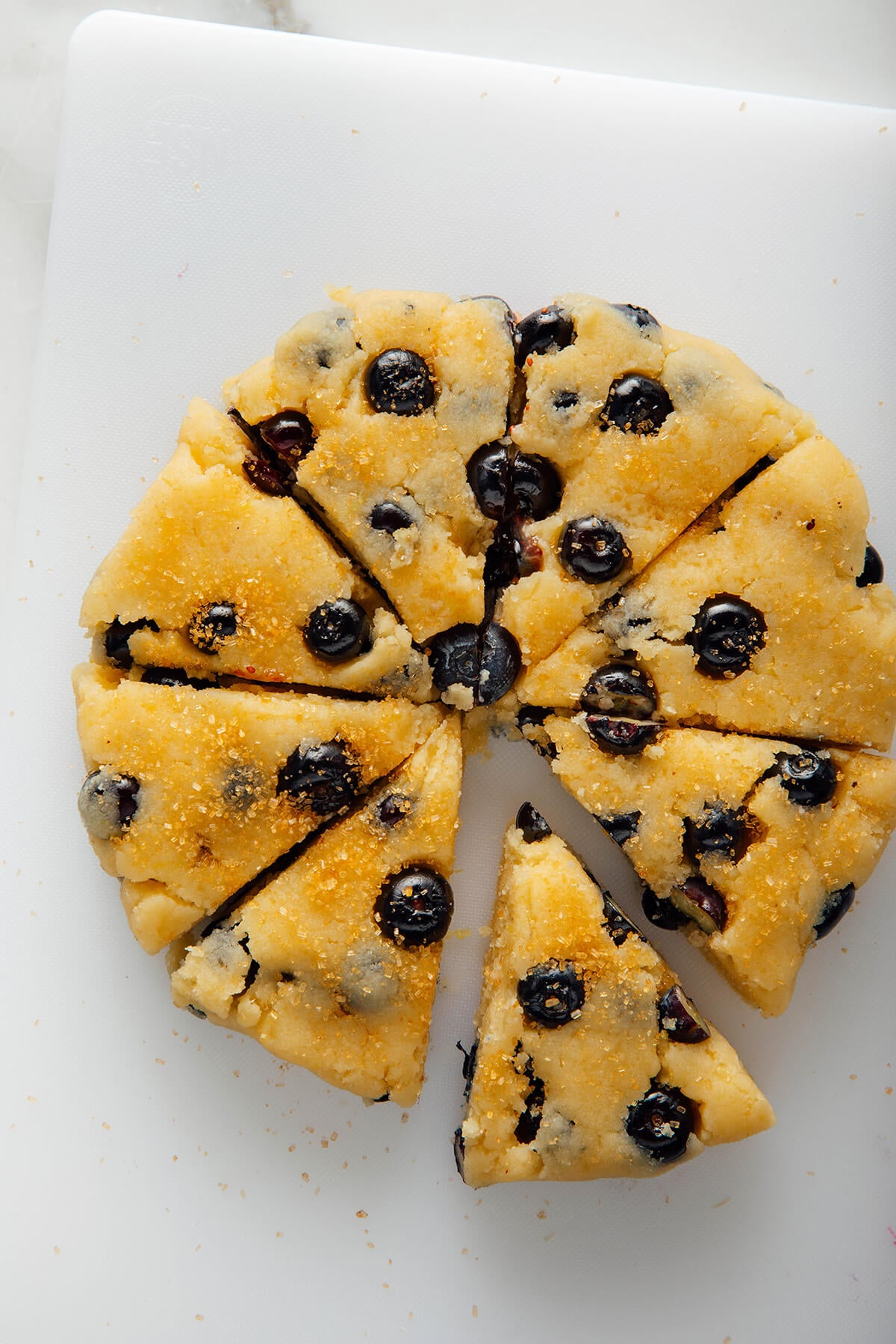
A groundbreaking recipe for almond flour scones has emerged, challenging conventional perceptions of gluten-free baking and setting a new standard for texture, flavor, and adaptability. Developed by renowned food blogger and cookbook author Kathryne Taylor of Cookie+Kate, these innovative scones, initially conceived as a gluten-free alternative, are now lauded for their universal appeal, delivering a superior culinary experience regardless of dietary needs. Featuring perfectly tender insides, golden exteriors with a delicate crunch, and vibrant additions like jammy burst blueberries, bright lemon zest, and a light sprinkle of raw sugar, the recipe marks a significant advancement in wholesome baking.
The Genesis of a Gluten-Free Breakthrough
The development of these almond flour scones was not an isolated culinary experiment but rather a direct response to evolving consumer demand and a testament to iterative recipe refinement. Kathryne Taylor, celebrated for her emphasis on whole, plant-forward ingredients, had previously published a highly popular recipe for Blueberry Scones, which utilized either whole wheat or all-purpose flour. Following its release, Taylor’s platform received numerous inquiries from readers seeking guidance on adapting the recipe for almond flour, a growing favorite in the health-conscious baking community. This surge in interest underscored a broader market trend: a robust and increasing demand for high-quality, delicious gluten-free alternatives that do not compromise on taste or texture.
Almond flour, derived from finely ground blanched almonds, has gained considerable traction in recent years due to its nutritional profile—being lower in carbohydrates, higher in protein and healthy fats, and naturally gluten-free. However, its unique properties, including the absence of gluten’s elastic structure and its higher fat content, pose distinct challenges for bakers accustomed to traditional wheat flours. Achieving the desired rise, crumb, and structural integrity in baked goods, particularly delicate items like scones, often requires extensive reformulation. Many early attempts at almond flour baking resulted in products that were either too dense, crumbly, or had an overly pronounced almond flavor, failing to replicate the nuanced appeal of their wheat-based counterparts.
Recognizing the potential for a truly exceptional gluten-free scone and embracing the challenge posed by almond flour, Taylor embarked on a dedicated research and development phase. Her goal was not merely to create a passable substitute but to elevate the almond flour scone to a level where it could rival, or even surpass, conventional versions in flavor and texture.
An Odyssey of Seven Trials: The Pursuit of Perfection
The journey to perfecting the almond flour scone recipe proved to be an arduous one, necessitating an exhaustive seven distinct trials before the desired outcome was achieved. This rigorous development process highlights the scientific and artistic blend inherent in high-level culinary innovation. Substituting almond flour for wheat flour required more than a simple one-to-one swap; it demanded a fundamental rethinking of ingredient ratios and baking mechanics.
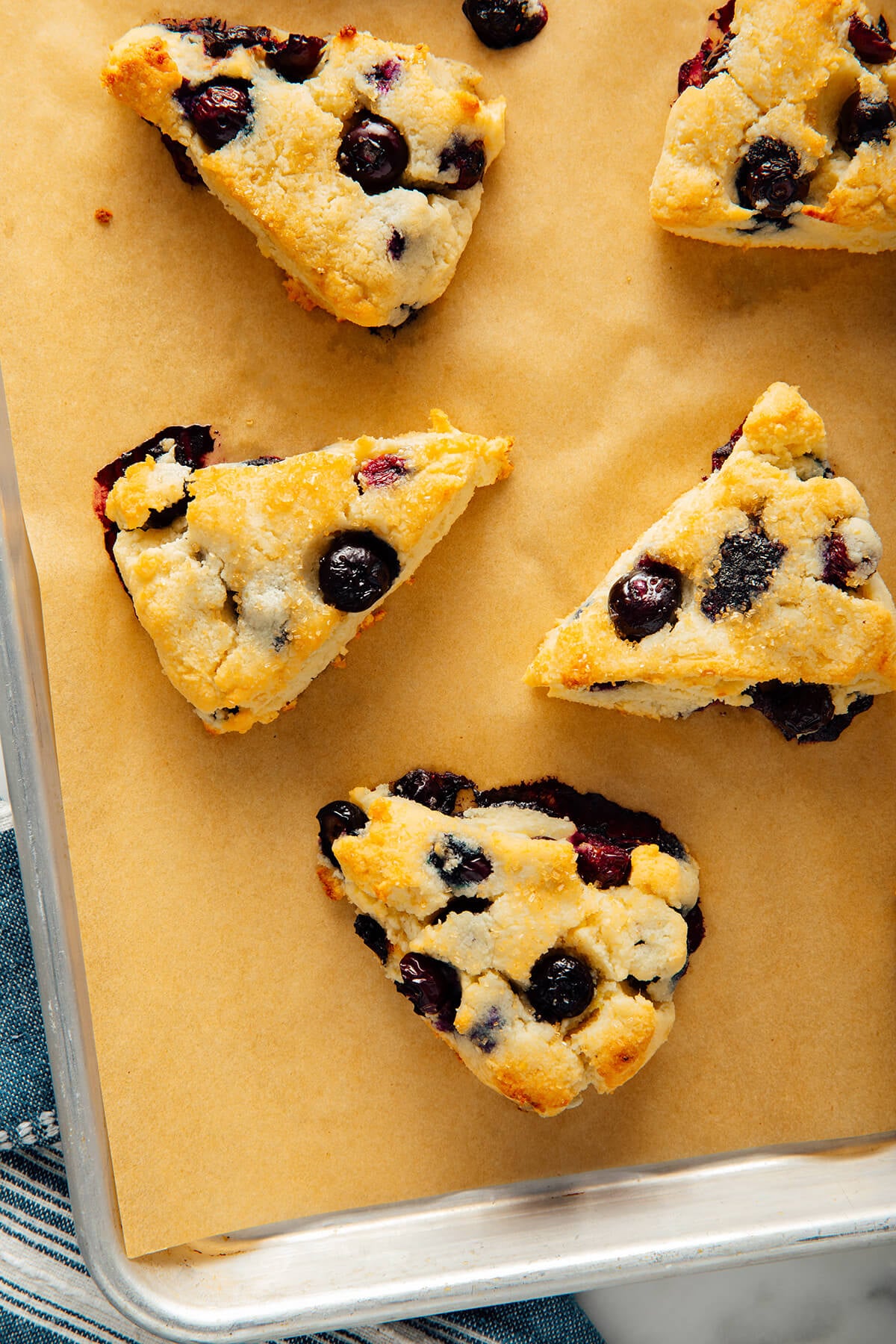
During these trials, Taylor and her team meticulously adjusted various components, including leavening agents, binders, fats, and liquids. Early iterations faced common challenges associated with gluten-free baking: inconsistent rise, a tendency towards excessive dryness, or conversely, a crumb that lacked structure and cohesiveness. The absence of gluten meant relying on other ingredients to provide structure, leading to experimentation with specific quantities of eggs and dairy (like yogurt, known for its tenderizing properties and acidity that activates baking soda). Fat content, crucial for tenderness, also required careful calibration, as almond flour itself is rich in fat. Balancing these elements to achieve the characteristic "tender insides" and "golden exteriors that offer a light crunch along the edges" was a complex iterative process of baking, tasting, and refining.
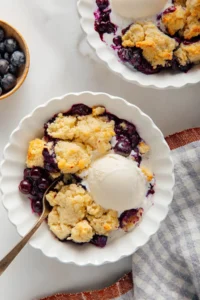
A notable anecdote from this development period was the unexpected byproduct of one of the trials: a successful formulation that ultimately became the topping for a Peach Cobbler recipe. This serendipitous discovery underscores the nature of culinary research, where even deviations from the primary objective can lead to valuable secondary innovations. Ultimately, the relentless pursuit of perfection culminated in a recipe that seamlessly integrated almond flour, delivering a scone that, despite being entirely almond-based, avoids an "overtly almond" flavor, allowing the fruit and zest notes to shine.
Ingredient Integrity and Nutritional Advantage
The success of the almond flour scones is deeply rooted in the careful selection and understanding of its core ingredients. Central to the recipe is, of course, almond flour itself. The recipe developer specifically noted successful testing with "Bob’s Red Mill’s super-fine almond flour" and "Whole Foods 365’s almond flour," emphasizing the importance of quality and grind consistency. The term "super-fine" is critical, as coarser almond meal can yield a grainier texture, deviating from the desired tender crumb.
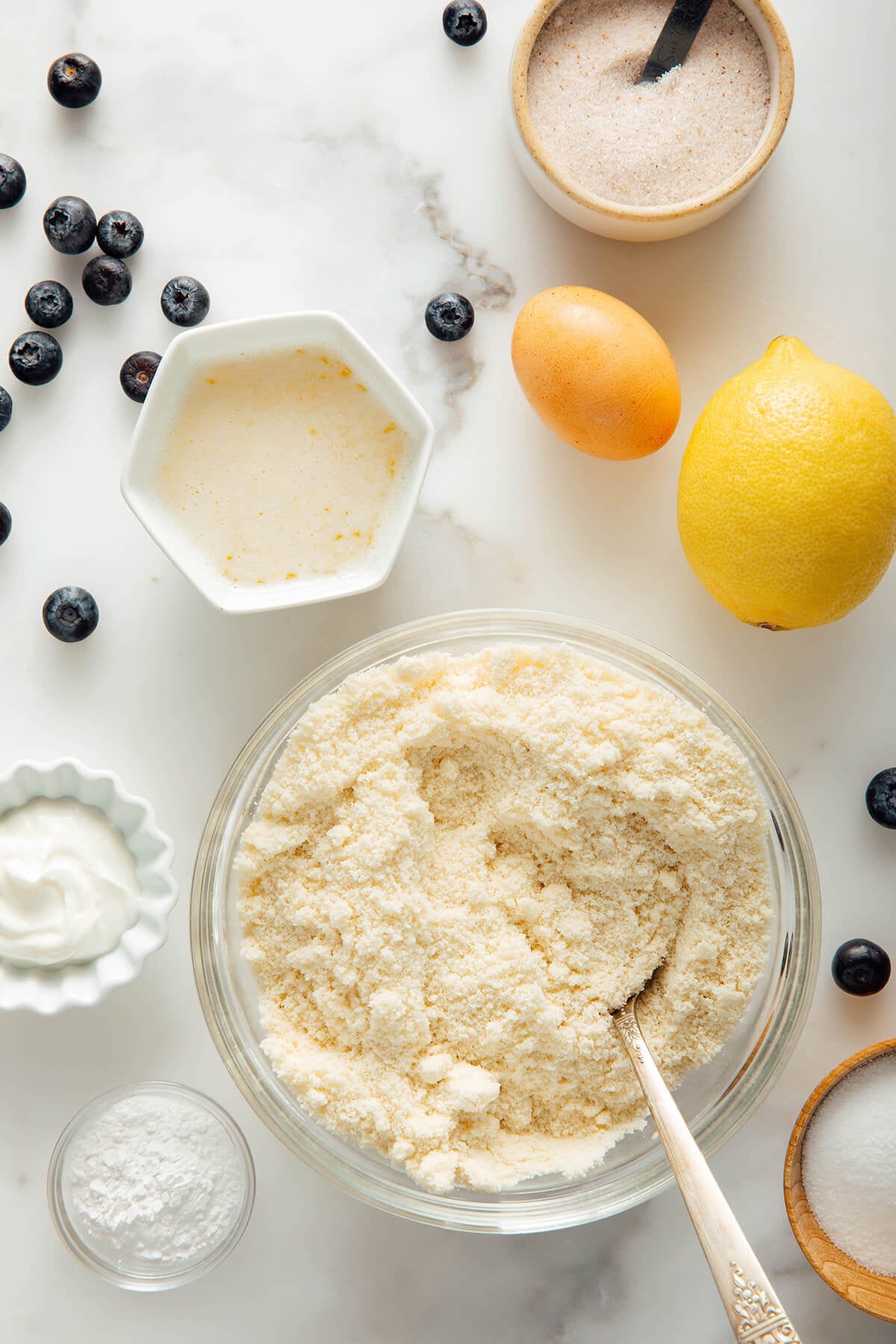
Beyond its gluten-free status, the nutritional advantages of using almond flour are substantial. A typical serving of almond flour boasts significantly fewer carbohydrates and a lower glycemic index compared to traditional wheat flours, making it a favorable choice for individuals managing blood sugar levels or following lower-carb diets. It is also a richer source of dietary fiber, vitamin E (a powerful antioxidant), magnesium, and healthy monounsaturated fats. This makes the almond flour scone not just a delicious treat, but a more nutritionally dense option, aligning with broader public health trends towards healthier, more functional foods.
The recipe’s incorporation of fresh blueberries contributes vital antioxidants and vitamins, while lemon zest adds a burst of natural flavor without relying on artificial enhancers. The use of simple, wholesome ingredients reinforces the recipe’s appeal to health-conscious consumers and those seeking clean-label products.
Culinary Attributes and Sensory Experience
The final almond flour scone recipe is a triumph of sensory engineering. The "perfectly tender insides" refer to a moist, delicate crumb that melts in the mouth, a texture often elusive in gluten-free baked goods. This tenderness is contrasted beautifully by "golden exteriors that offer a light crunch along the edges," providing a satisfying textural interplay. The visual appeal is enhanced by the vibrant hues of "jammy burst blueberries," which release their sweet-tart juices during baking, creating pockets of intense fruit flavor. The addition of "lemon zest" introduces a bright, aromatic counterpoint, lifting the overall profile, while a "light sprinkle of raw sugar" on top provides a delicate sweetness and a sparkling finish.
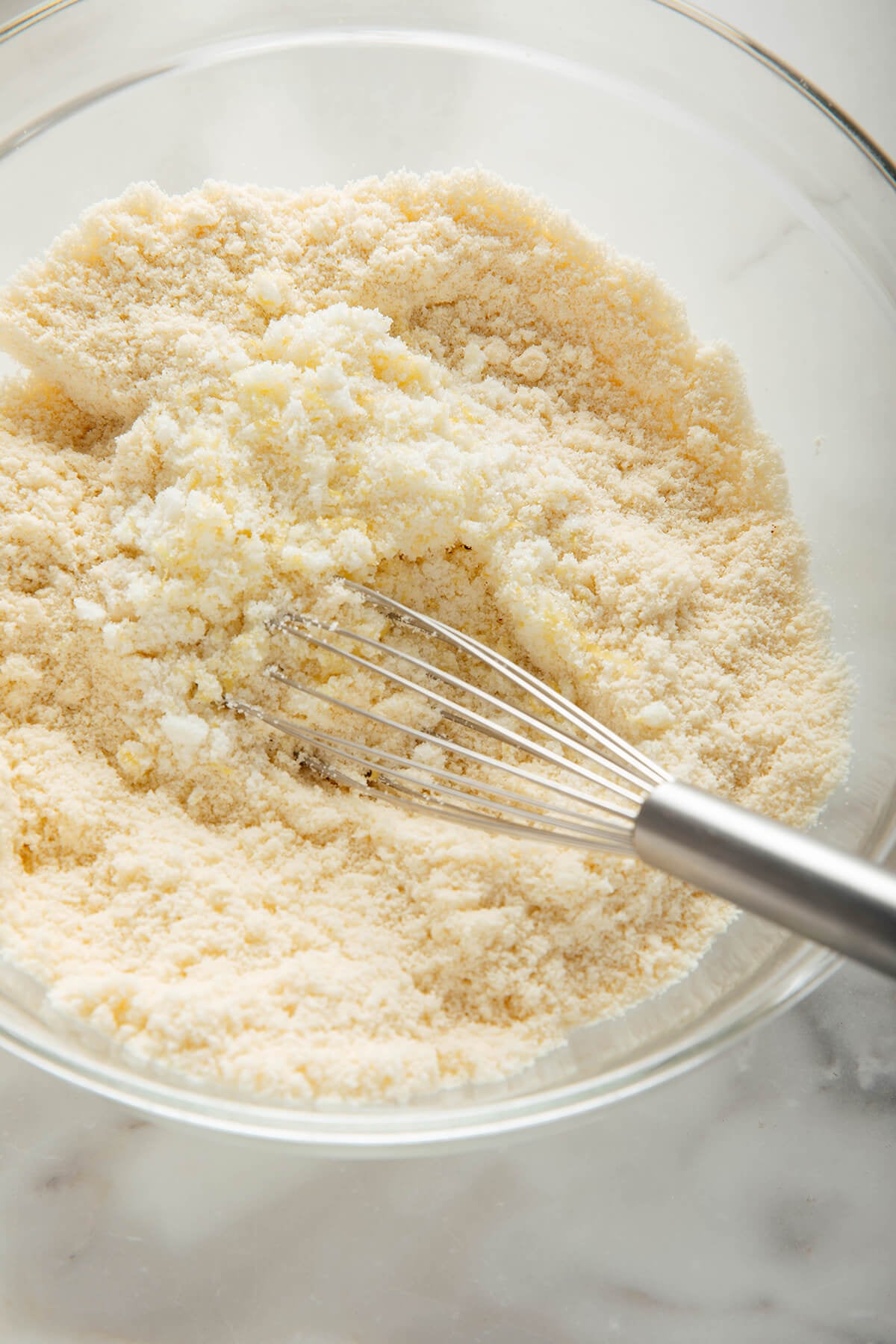
Culinary critics who have sampled the resulting product have noted that the recipe successfully navigates the common pitfalls of gluten-free baking, delivering a scone that holds its own against, and in many cases surpasses, traditional wheat-based versions. The absence of an overpowering almond flavor allows the nuanced fruit and citrus notes to truly come forward, making it a versatile base for various flavor profiles.
Versatility: A Cornerstone of Innovation
One of the most compelling aspects of this almond flour scone recipe is its remarkable versatility, a testament to the robustness of its base formulation. The developer outlined several "Suggested Flavor Variations," demonstrating how the core recipe can be easily adapted to suit diverse palates and seasonal ingredients. This adaptability not only broadens the recipe’s appeal but also underscores the inherent stability of the almond flour dough.
-
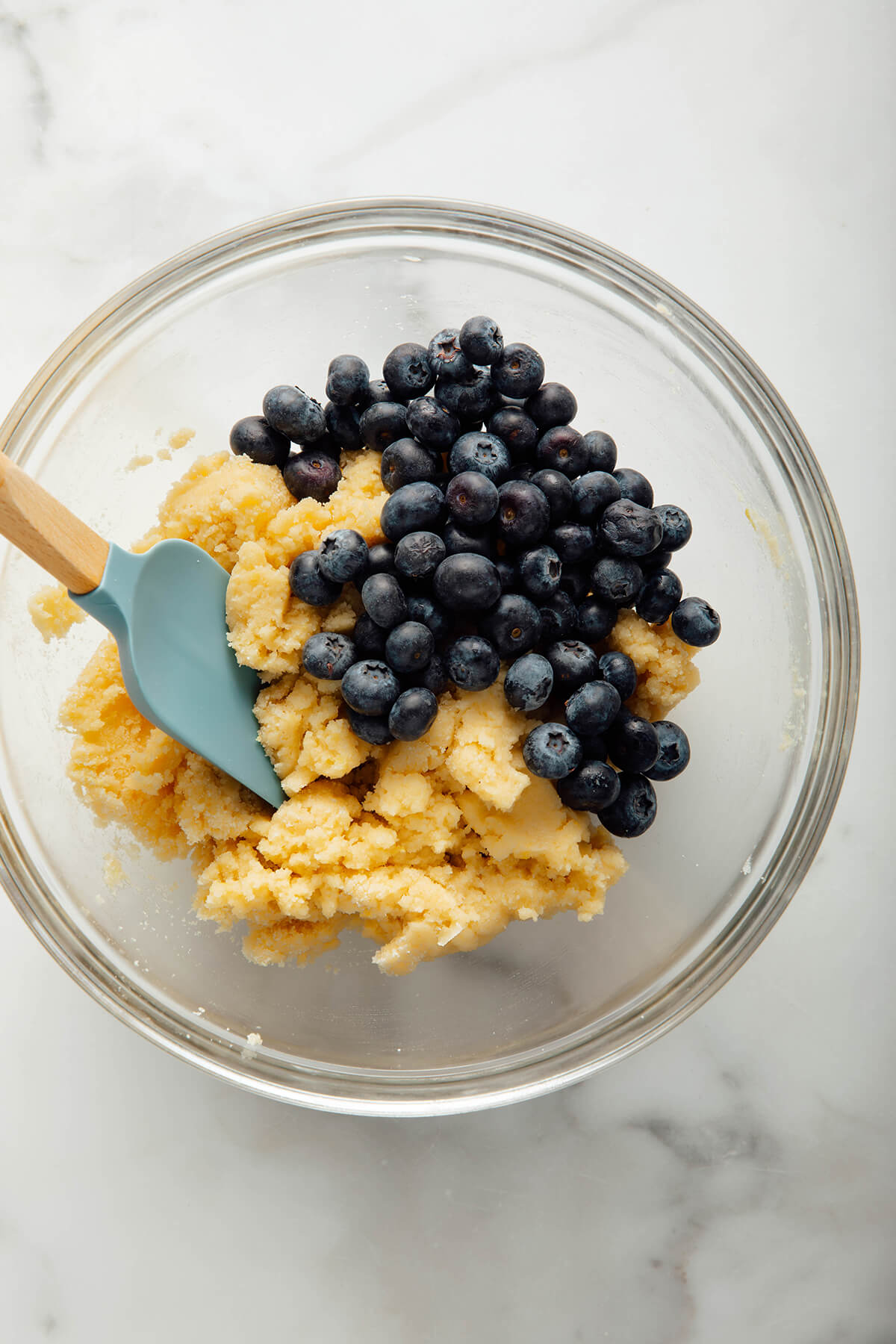
Berry Scones: Beyond blueberries, the recipe can accommodate other berries such as raspberries, blackberries (halved if large), or sliced strawberries. The lemon zest can be maintained or swapped for orange zest, offering a different citrus dimension. This flexibility caters to seasonal availability and personal preference.
-
Cherry Scones: For those who appreciate deeper, richer fruit notes, halved and pitted cherries are suggested. In this variation, the lemon zest is omitted, and 1/2 teaspoon of almond extract is added. This deliberate choice enhances the natural almond flavor, creating a harmonious pairing with the cherries—a classic flavor combination often found in patisserie.
-
Chocolate Chip Scones: A departure from fruit-centric profiles, this variation omits all fruit and zest, allowing up to 3/4 cup of chocolate chips to take center stage. The developer specifically highlighted a successful combination of ½ cup semi-sweet chocolate chips and ½ cup toasted chopped pecans, illustrating how textures and flavors can be layered for added complexity. This option taps into the enduring popularity of chocolate in baked goods.
-
Savory Cheddar Scones: Perhaps the most radical and innovative variation, the savory cheddar scone demonstrates the profound adaptability of the almond flour base. By omitting fruit and zest and reducing the sugar to a mere 1 teaspoon, the recipe transforms into a savory delight. Stirring in 3/4 cup of shredded sharp cheddar cheese, and optionally 3 tablespoons of chopped green onion, creates a profoundly satisfying snack or accompaniment to a meal. This particular variation has been singled out by the developer as "one of my all-time favorite snacks," highlighting its unexpected success and broad appeal. The ability to pivot from sweet to savory with such ease speaks volumes about the foundational strength of the almond flour dough.
Market Impact and Broader Implications
The introduction of such a meticulously developed and versatile almond flour scone recipe carries significant implications for the gluten-free market and the broader baking industry.
-
Elevating Gluten-Free Standards: By delivering a product that is not just "good for gluten-free" but genuinely excellent, this recipe helps to dispel the lingering stereotype that gluten-free baked goods are inherently inferior. It sets a new benchmark for texture and flavor, encouraging other developers to strive for similar levels of quality.
-
Expanding Consumer Base: The recipe’s appeal extends beyond those with gluten sensitivities or celiac disease. Its lower carbohydrate profile and wholesome ingredients attract health-conscious consumers, while its superior taste and texture draw in general consumers simply looking for a delicious scone. This broad appeal can help to normalize and integrate gluten-free options more seamlessly into mainstream culinary offerings.
-
Driving Ingredient Demand: Increased popularity of such recipes will likely further boost demand for high-quality almond flour and other alternative baking ingredients. This could spur innovation and competition among ingredient suppliers, potentially leading to more accessible and diverse options for both home and professional bakers.

-
Empowering Home Bakers: The detailed recipe and clear instructions, supported by visual aids (like the "Watch How to Make Scones" video mentioned in the original context), empower home bakers to confidently tackle what might otherwise seem like a complex gluten-free project. This accessibility fosters a greater sense of accomplishment and encourages culinary exploration.
-
Influence on Professional Baking: The success of this recipe in a home baking context could inspire professional bakeries and cafes to incorporate similar almond flour-based items into their menus, catering to a wider demographic and enhancing their reputation for innovative and inclusive offerings.
Conclusion
Kathryne Taylor’s almond flour scone recipe stands as a testament to diligent culinary innovation and a deep understanding of ingredients. Through a painstaking development process, she has not only addressed a significant market need for high-quality gluten-free options but has also crafted a recipe that transcends dietary classifications. Its unparalleled texture, balanced flavor profile, and remarkable versatility position it as a landmark achievement in modern baking. As consumers increasingly seek out healthier, inclusive, and genuinely delicious food choices, this almond flour scone is poised to become a staple, influencing future trends and inspiring a new generation of bakers to explore the boundless possibilities of alternative flours.