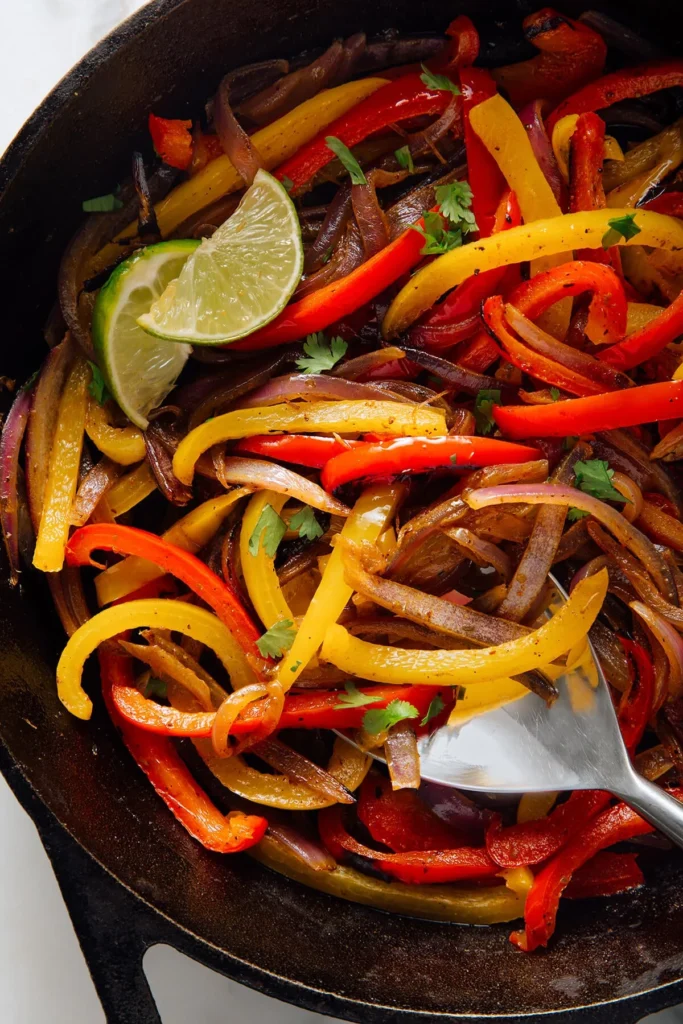
In a significant development for home culinary enthusiasts, the acclaimed food blog Cookie+Kate has officially launched a highly anticipated recipe for sizzling fajita vegetables, designed to elevate dinner tables with its vibrant flavors and remarkably straightforward preparation. This new offering, inspired by classic Tex-Mex fajitas and the popular vegetable bowls from fast-casual giants like Chipotle, is quickly garnering attention for its promise of achieving a coveted texture—perfectly caramelized edges combined with a tender yet firm interior—all within a rapid 20-minute cooking timeframe. The recipe, meticulously developed by bestselling cookbook author Kathryne Taylor, marks a notable addition to the growing repertoire of accessible, high-quality vegetarian and plant-based dishes available to the modern home cook.
The core innovation of this new recipe lies in its method, which addresses a common challenge for home cooks: achieving the ideal balance of char and tenderness in sautéed vegetables. Taylor, known for her dedication to perfecting recipes, openly shared that the desired texture—peppers and onions caramelized on the edges, cooked until mostly tender, yet far from mushy—required "quite a few tries" to nail. This iterative development process underscores a commitment to culinary excellence, ensuring that the final published method is indeed "simple and foolproof." The culmination of this effort is a dish that not only delivers on flavor but also on textural complexity, a hallmark often sought in professional kitchens. A final squeeze of lime juice introduces a crucial acidic counterpoint, brightening the sweet and savory profiles of the cooked vegetables and amplifying their overall taste.

The Art and Science Behind the Perfect Fajita Vegetable Texture
The secret to this recipe’s success lies in several strategic culinary techniques and ingredient selections, meticulously outlined by Taylor. A key recommendation involves the selection of bell peppers: while green peppers are common, the recipe specifically advocates for red, orange, or yellow varieties. This choice is not merely aesthetic; these peppers are inherently sweeter and possess a richer flavor profile, contributing significantly to the dish’s overall depth. Culinary experts often highlight the importance of ingredient quality and appropriate varietal selection in maximizing flavor outcomes.
The cooking vessel plays a critical role. A medium-sized skillet, approximately 10 inches in diameter, is advised. While cast iron is traditionally favored for its ability to retain and distribute heat evenly, offering a classic presentation for fajitas, the author confirms that stainless steel skillets perform equally well, providing flexibility for home cooks based on their existing equipment. The material of the pan directly influences heat transfer and the development of the Maillard reaction, which is responsible for the desired caramelization and savory flavor compounds.

Perhaps the most ingenious aspect of the cooking method is the simultaneous steaming and sautéing technique. By keeping a lid handy and covering the skillet intermittently, the recipe minimizes the need for excessive oil while effectively cooking the vegetables. This approach ensures the vegetables soften uniformly without becoming mushy, thanks to the trapped steam, while the direct contact with the hot pan allows for the development of those coveted caramelized edges. This controlled environment also prevents the minimal oil used from burning, circumventing the common issue of smoke alarms being triggered during high-heat sautéing—a practical consideration for any home kitchen. Furthermore, the instruction to "not stir too often" is crucial; allowing the vegetables to sizzle against the pan for several minutes at a time is paramount for the Maillard reaction to occur, building layers of flavor and achieving the desired char.
Historical Context and Culinary Evolution of Fajitas
To fully appreciate the significance of Cookie+Kate’s latest offering, it is useful to delve into the rich history of fajitas themselves. Originating from Tex-Mex cuisine, fajitas traditionally featured thinly sliced, grilled skirt steak (faja being the Spanish word for strip or belt, referring to the cut of meat). This dish emerged from the ranchlands of South Texas in the 1930s and 40s, where Mexican vaqueros (cowboys) were often given less desirable cuts of beef, such as skirt steak, as part of their pay. They learned to marinate and grill these cuts over open fires, serving them with tortillas and simple accompaniments.

Over decades, fajitas evolved from a regional specialty to a mainstream restaurant phenomenon. By the 1970s and 80s, they became a sizzling sensation in Tex-Mex restaurants across the United States, famous for their theatrical presentation on hot cast-iron platters. As culinary trends shifted towards healthier eating and greater inclusivity of plant-based options, the concept of fajitas naturally expanded beyond meat. Vegetable fajitas, initially conceived as a vegetarian alternative, have since gained immense popularity in their own right, celebrated for their vibrant colors, fresh flavors, and satisfying texture. This evolution reflects a broader trend in American cuisine where traditional dishes are reinterpreted to meet contemporary dietary preferences and ethical considerations.
The Chipotle Effect: Democratizing Restaurant Flavors for Home
A notable inspiration for this recipe, as explicitly stated by the author, comes from the fajita vegetables served at Chipotle Mexican Grill. The fast-casual dining chain has played a pivotal role in popularizing certain Mexican-inspired flavors and preparations, making them accessible to a wide audience. Chipotle’s model emphasizes fresh ingredients and customizable meals, and their fajita vegetables have become a staple request for many customers seeking a flavorful, nutritious addition to their burrito bowls, tacos, and salads.

The success of Chipotle’s fajita vegetables underscores a significant trend in contemporary food culture: the desire among home cooks to replicate beloved restaurant dishes. This recipe from Cookie+Kate directly addresses that demand, offering a "better-than-restaurant" quality that is both achievable and consistently delicious. By demystifying the process and providing precise instructions, Taylor empowers individuals to recreate a familiar and cherished flavor profile in their own kitchens, often with fresher ingredients and tailored to personal preferences, potentially offering a more cost-effective and healthier alternative to dining out.
Broader Culinary Trends and Implications
The release of this fajita vegetable recipe is timely, aligning with several prominent culinary and lifestyle trends:

- The Rise of Plant-Based and Vegetarian Cuisine: With increasing awareness of health, environmental impact, and animal welfare, plant-based eating continues its upward trajectory. This recipe provides a robust, flavorful, and satisfying option that can serve as a main course or a substantial side, making it highly attractive to vegetarians, vegans, and those looking to reduce their meat consumption. Its classification as dairy-free, egg-free, gluten-free, nut-free, soy-free, and tomato-free further broadens its appeal to individuals with various dietary restrictions and preferences.
- Demand for Convenience and Speed: In an era of demanding schedules, recipes that promise high-quality results in a short amount of time are invaluable. The "20 minutes or less" preparation time positions these fajita vegetables as an ideal solution for weeknight dinners, meal prepping, or spontaneous gatherings, allowing busy individuals to enjoy nutritious, flavorful food without extensive culinary effort.
- The Influence of Food Blogging and Online Recipes: Cookie+Kate, as a leading food blog and platform for a bestselling cookbook author, exemplifies the profound impact of online resources on modern cooking. Food blogs have democratized recipe sharing, providing a vast, accessible library of dishes and techniques. Taylor’s commitment to thorough testing and detailed explanations builds trust with her audience, solidifying her position as a reliable source for quality recipes. This particular recipe reinforces the blog’s reputation for delivering practical yet gourmet-level culinary solutions.
- Focus on Healthy Eating: Bell peppers are rich in vitamins A and C, antioxidants, and fiber, while onions offer prebiotics and various beneficial compounds. The recipe’s emphasis on minimal oil and fresh ingredients makes it a inherently healthy choice, contributing to a balanced diet without compromising on taste. This aligns with a broader societal shift towards mindful eating and wellness.
Versatility in Meal Planning and Beyond
Beyond its straightforward preparation, the recipe’s versatility is a significant asset, allowing it to seamlessly integrate into diverse meal plans and culinary contexts. While traditional Tex-Mex fajitas often feature thinly sliced, grilled skirt steak, these fajita vegetables are presented as a highly adaptable component.
- Tacos, Burritos, and Burrito Bowls: The most immediate application is as a core ingredient in Mexican and Tex-Mex staples. Paired with components such as seasoned black beans, refried pinto beans, fresh salsa (like pico de gallo or salsa verde), guacamole, avocado slices, corn and black bean salsa, or even a drizzle of cilantro-lime dressing, the fajita vegetables form a complete and satisfying meal. The textural contrast between the tender, charred vegetables and softer fillings, along with the burst of fresh flavors, creates a dynamic culinary experience.
- Salad Bowls: For a lighter, yet equally flavorful option, the fajita vegetables can be incorporated into salad bowls. Combining them with chopped romaine lettuce or other greens, a vibrant cilantro-lime dressing, a sprinkle of cheese, and crunchy crumbled tortilla chips transforms them into a hearty and refreshing salad, perfect for lunch or a lighter dinner.
- Breakfast and Brunch Applications: Demonstrating their exceptional adaptability, leftover fajita vegetables are noted to reheat remarkably well and can be creatively repurposed for breakfast or brunch. Served alongside scrambled or fried eggs, with additional cheese, a dollop of sour cream, and crumbled tortilla chips, they transform a simple breakfast into a hearty, savory, and satisfying start to the day. This inventive use of leftovers not only minimizes food waste but also introduces exciting flavor profiles to morning meals.
Authorial Commitment and Future Outlook
Kathryne Taylor’s dedication to quality and meticulous recipe development, as evidenced by the multiple iterations required to perfect this fajita vegetable recipe, reinforces her standing as a trusted voice in the culinary landscape. Her commitment to sharing "simple and foolproof" methods reflects a broader mission to empower home cooks, making delicious, healthy, and accessible meals a reality for everyone. The clear, informative style of presentation, coupled with detailed tips and serving suggestions, positions this recipe not just as a standalone dish, but as a foundational component for countless culinary creations.

The nutritional information provided, while an estimate, offers transparency and further caters to health-conscious individuals, reflecting a growing industry standard for online recipes. The comprehensive nature of the recipe’s introduction, from inspiration to serving suggestions and dietary classifications, underscores a thoughtful approach to recipe development and dissemination.
In conclusion, the launch of Cookie+Kate’s fajita vegetable recipe represents more than just a new dish; it signifies a thoughtful response to contemporary culinary trends, a triumph of iterative recipe development, and a valuable contribution to the repertoire of plant-based, convenient, and restaurant-quality home cooking. This recipe is poised to become a staple in kitchens seeking to infuse their meals with vibrant flavors and satisfying textures, simplifying the pursuit of delicious and healthy eating for a wide audience.