

A recent clinical trial has showcased the substantial metabolic health benefits of a novel, bioavailable formulation of berberine, marking a significant advancement in the application of this well-established natural compound. The study, focusing on polysaccharide-encapsulated berberine, revealed marked improvements in fasting glucose, cholesterol profiles, and circulating GLP-1 levels, signaling a promising future for this ingredient in metabolic support. This development comes amidst broader trends in the supplement industry, including burgeoning research into functional mushrooms and ongoing expansions in manufacturing capabilities.
The encapsulated berberine, marketed as Metaberine by Zeus Hygia and exclusively distributed in North America by CK Ingredients, demonstrated notable efficacy when administered at a modest dose of 200 mg daily for a two-week period. Participants in the trial experienced a statistically significant reduction in fasting glucose levels, a critical indicator for metabolic health and diabetes risk. Concurrently, the formulation led to a significant decrease in total cholesterol and LDL (low-density lipoprotein) cholesterol, often referred to as "bad" cholesterol, which is a key factor in cardiovascular health. In a complementary positive outcome, the study also reported a significant increase in HDL (high-density lipoprotein) cholesterol, known as "good" cholesterol, which plays a role in removing cholesterol from arteries. Furthermore, the supplementation resulted in an elevation of circulating glucagon-like peptide-1 (GLP-1) levels. GLP-1 is a crucial incretin hormone that plays a vital role in glucose regulation and satiety, and its modulation is a target for many pharmaceutical interventions in metabolic disease.
Michael Chernyak, president of CK Ingredients, highlighted the long-standing challenge associated with traditional berberine. "The main challenge with conventional berberine is not its biological potential, but how poorly it is absorbed by the body," Chernyak stated. He elaborated that many product formulators are keenly aware of the inherent limitations of native berberine, specifically its poor solubility and consequently low bioavailability. This inherent characteristic has historically restricted its widespread and effective application in dietary supplements, despite its known biological activities.

To address this bioavailability issue, Zeus Hygia developed a proprietary encapsulation technology, branding it as BioSOLVE for the encapsulated form of berberine. A comparative pharmacokinetic study, conducted in a rat model, provided robust evidence of significantly improved absorption of the encapsulated berberine compared to its native counterpart. This technological advancement is believed to be the cornerstone of the positive clinical outcomes observed in the recent human trial.
Chernyak identified metabolic health as the primary area where this enhanced berberine formulation holds the most significant potential. This includes applications in cardiometabolic health formulations, support for Polyendocrine Metabolic Ovarian Syndrome (PMOS), and weight management products. The term "cardiometabolic health" refers to the collective risk factors that increase a person’s risk of heart disease, stroke, and diabetes. PMOS, a less commonly discussed but increasingly recognized condition, often involves a complex interplay of hormonal imbalances and metabolic dysfunction.
He also addressed the popular, albeit potentially transient, narrative surrounding berberine. "The ‘nature’s Ozempic’ storyline certainly created substantial consumer awareness, but we don’t believe that is the most sustainable scientific positioning for berberine," he remarked. Chernyak emphasized a more grounded and evidence-based approach to market positioning. "We see the bigger opportunity in positioning it as a clinically supported metabolic health ingredient," he concluded, advocating for a focus on its scientifically validated benefits rather than sensationalized comparisons.

While acknowledging that prior concerns regarding the safety of berberine have surfaced in Europe, Chernyak expressed optimism for the future, driven by ongoing scientific investigation. "We look forward to more clinical studies on berberine’s efficacy," he said, noting that three additional studies specifically evaluating the benefits of encapsulated berberine are currently in progress. These ongoing investigations are expected to further solidify the scientific understanding and broaden the application scope of this enhanced ingredient.
Functional Mushrooms: From Preclinical Promise to Pet Product Innovation
The realm of functional mushrooms continues to be a vibrant area of research and product development, with recent activity spanning preclinical studies and the launch of new pet-focused products. These versatile fungi, renowned for their diverse array of bioactive compounds, are gaining traction for their potential to support various aspects of human and animal health.
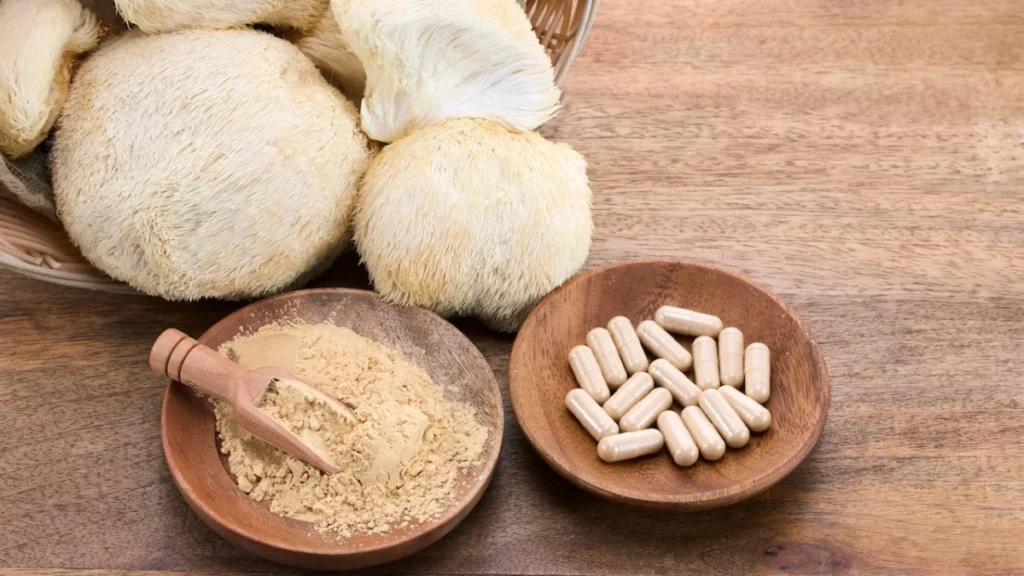
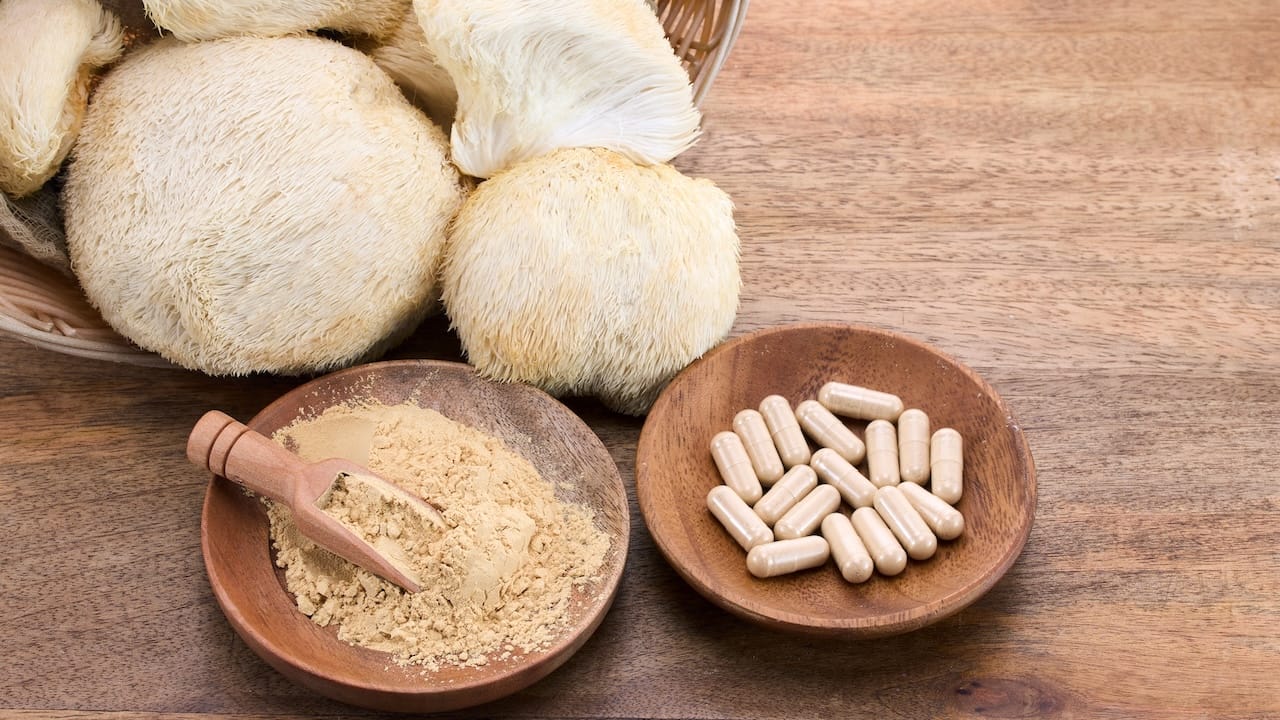
Preclinical research is actively exploring the mechanisms and potential therapeutic applications of various mushroom species. For instance, Lion’s Mane (Hericium erinaceus) has been a subject of intense scientific scrutiny, particularly for its potential cognitive benefits. Studies have investigated its ability to promote nerve growth factor (NGF) synthesis, a protein crucial for the survival, development, and function of neurons. While much of this research is still in its early stages and primarily conducted in vitro or in animal models, it lays the groundwork for future human clinical trials. Other popular functional mushrooms like Reishi (Ganoderma lucidum), Cordyceps (Cordyceps sinensis), and Chaga (Inonotus obliquus) are also being investigated for their immunomodulatory, adaptogenic, and antioxidant properties.
Beyond human consumption, the pet supplement market is witnessing an influx of functional mushroom-based products. This trend reflects a growing consumer demand for natural and holistic approaches to pet wellness. Companies are formulating products designed to support pet immunity, joint health, and cognitive function, leveraging the known benefits of mushrooms like Turkey Tail (Trametes versicolor) for immune support and Lion’s Mane for cognitive function in aging pets. The appeal of these products lies in their perceived natural origin and the increasing awareness among pet owners about the potential health advantages offered by these ancient remedies. The development of these pet-specific formulations requires careful consideration of palatability, dosage, and safety for animal consumption, often involving specialized extraction methods to ensure efficacy and digestibility.
Manufacturing Expansions and Improvements Signal Industry Growth
The dietary supplement industry is also experiencing significant investment in infrastructure and operational enhancements, with manufacturers expanding and refining their production facilities. These upgrades are crucial for meeting growing demand, ensuring product quality, and adhering to increasingly stringent regulatory standards.
Expansion projects range from increasing overall production capacity to implementing advanced automation and quality control systems. Companies are investing in state-of-the-art equipment for encapsulation, tableting, powder blending, and liquid filling, aiming to streamline processes and reduce lead times. Furthermore, there is a discernible trend towards adopting more sustainable manufacturing practices, including energy efficiency initiatives and waste reduction programs.
Quality assurance remains a paramount focus, driving investments in sophisticated analytical laboratories equipped with advanced instrumentation for raw material testing, in-process monitoring, and finished product analysis. This commitment to quality is essential for building consumer trust and ensuring the safety and efficacy of supplements. The implementation of advanced traceability systems, often utilizing blockchain technology, is also gaining traction, allowing for greater transparency throughout the supply chain, from ingredient sourcing to final product distribution. These manufacturing advancements are not only indicative of the industry’s growth but also its dedication to delivering high-quality, reliable products to consumers worldwide.
Broader Implications for Metabolic Health and Consumer Wellness
The advancements in berberine bioavailability, coupled with the continued exploration of functional mushrooms and the strengthening of manufacturing infrastructure, paint a picture of a dynamic and evolving dietary supplement industry. The improved efficacy of encapsulated berberine offers a compelling new option for individuals seeking to manage metabolic health through natural means. Its potential to positively impact glucose and lipid metabolism, alongside GLP-1 levels, aligns with growing public health concerns surrounding metabolic syndrome, type 2 diabetes, and cardiovascular disease.
The "nature’s Ozempic" narrative, while cautioned against by industry experts like Chernyak, did succeed in bringing attention to the broader concept of metabolic regulation and the role of dietary interventions. However, the scientific community’s focus on positioning berberine as a "clinically supported metabolic health ingredient" is a more sustainable and responsible approach. This shift emphasizes evidence-based benefits and educates consumers about the nuanced ways in which natural compounds can contribute to well-being.
The expansion of functional mushroom applications into the pet sector highlights a growing understanding of the interconnectedness of health across species and a broader acceptance of natural solutions for wellness. As research into these complex fungi continues, their therapeutic potential is likely to be further elucidated, leading to even more targeted and effective applications.
Finally, the significant investments in manufacturing capabilities underscore the industry’s maturity and its commitment to meeting the demands of a growing global market. These improvements ensure that innovative ingredients and products can be produced at scale, with consistent quality and safety, ultimately benefiting consumers seeking to enhance their health and well-being through dietary supplements. The ongoing convergence of scientific discovery, product innovation, and manufacturing excellence positions the supplement industry as a vital contributor to public health and wellness.