









The global healthcare ecosystem has long occupied a precarious position in the crosshairs of cybercriminals, with hospitals and primary care providers frequently bearing the brunt of ransomware and data exfiltration campaigns. However, 2026 has marked a significant and alarming shift in the threat landscape, as the focus of these attacks has expanded aggressively into the medical technology sector. While medtech firms were once considered secondary targets compared to data-rich hospital databases, a rapid succession of high-profile breaches involving industry titans such as Stryker, Medtronic, and Abbott has signaled a new era of digital vulnerability for device manufacturers. This surge in activity has disrupted global supply chains, compromised sensitive patient information, and forced a fundamental reckoning regarding the cybersecurity protocols governing the life sciences industry.
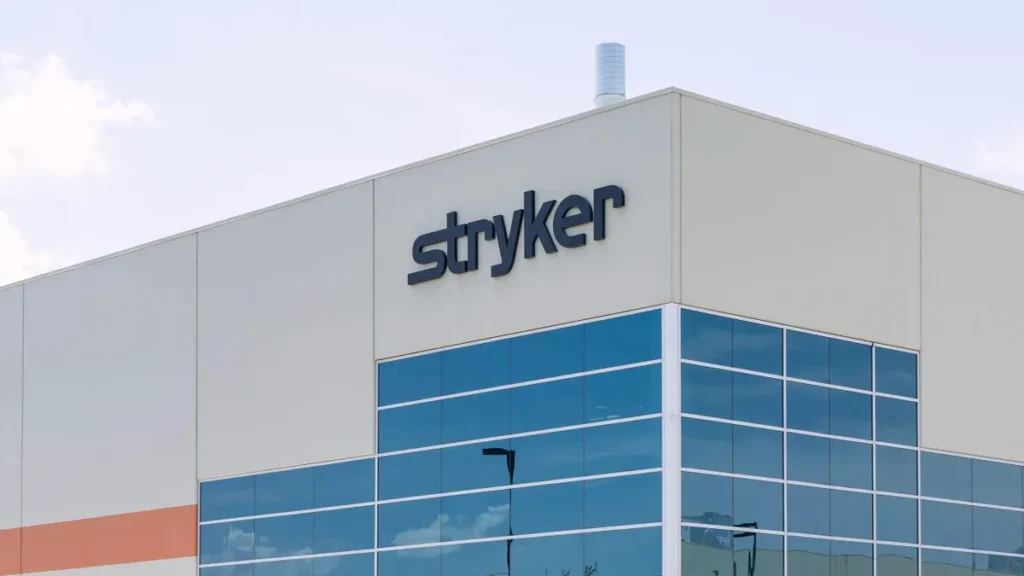
The escalation began in the first quarter of the year when Stryker, one of the world’s leading medical technology companies, disclosed a sophisticated breach of its global Microsoft environment. The intrusion was not merely a passive data theft but a targeted disruption of the company’s core operational infrastructure. For several weeks, Stryker’s internal systems for ordering, shipping, and manufacturing were effectively paralyzed, creating a bottleneck that reverberated through surgical centers worldwide. By the time the company released its July financial reports, the lingering effects of the attack were still evident, with executives noting that the recovery process remained ongoing. The incident served as a "canary in the coal mine," demonstrating that the digitization of medtech operations—while essential for efficiency—has created expansive new attack surfaces for bad actors.
A Chronology of Escalation in 2026
The timeline of 2026 cyber incidents suggests a coordinated or at least highly persistent effort by hacking collectives to exploit the medtech supply chain. Following the Stryker disclosure, Intuitive Surgical, the pioneer of robotic-assisted surgery, reported a breach stemming from a targeted phishing campaign. Unlike the infrastructure-heavy attack on Stryker, the Intuitive incident focused on the "human element," successfully compromising employee credentials to gain access to customer and personnel data. This highlighted a dual-threat environment where companies must defend against both brute-force infrastructure attacks and subtle social engineering.

As the second quarter progressed, the list of affected companies grew to include Medtronic and Abbott Laboratories. These firms, which produce everything from pacemakers to glucose monitors, represent the backbone of chronic disease management. While the specific vectors of these attacks varied, the common thread was the targeting of proprietary systems and the potential for lateral movement into patient-facing platforms. By mid-year, iRhythm Technologies and AdaptHealth also confirmed they had fallen victim to digital intrusions, suggesting that the "contagion" of cyber instability was spreading beyond the largest conglomerates to specialized device makers and distributors.

The most recent developments occurred in August 2026, with Cook Medical and Baylor Genetics reporting significant breaches. The Baylor Genetics incident was particularly concerning due to the depth of the data compromised. According to the company’s disclosure, a third party gained unauthorized access to a repository containing not only employee records but also sensitive patient information, including genetic test results, Social Security numbers, and financial account details. The breach at Baylor Genetics underscores the high stakes of medtech cybersecurity: when these companies fail, they lose more than just operational hours; they lose the most intimate data a human being can possess.
Quantifying the Impact: Data and Financial Consequences
The financial and systemic costs of these breaches are staggering. According to industry analysts, the average cost of a data breach in the healthcare sector has climbed to over $11 million per incident in 2026, a figure that is significantly higher than in the finance or retail sectors. For medtech firms, these costs are compounded by the necessity of forensic audits, legal settlements, and the potential for regulatory fines. Stryker’s Q1 results, for instance, reflected a tangible "hit" to earnings per share, attributed directly to the downtime caused by their system disruption.
Beyond the immediate financial loss, the "trust deficit" created by these attacks poses a long-term risk. A 2026 survey of hospital procurement officers indicated that cybersecurity resilience has moved into the top three criteria for selecting a device vendor, alongside clinical efficacy and price. Hospitals, already struggling with their own security challenges, are increasingly wary of introducing "Trojan Horse" devices into their networks—products that might offer a backdoor for hackers to enter the broader hospital infrastructure.
Data from the Cybersecurity and Infrastructure Security Agency (CISA) suggests that the medtech sector is currently experiencing a 35% year-over-year increase in reported "significant cyber incidents." Analysts attribute this to several factors, including the high resale value of medical records on the dark web and the critical nature of the devices, which makes companies more likely to consider ransom payments to restore life-saving manufacturing lines.
Regulatory Response and the FDA’s New Mandates
The wave of attacks has prompted a swift response from federal regulators. The Food and Drug Administration (FDA) has significantly increased its oversight of device security under the authorities granted by Section 524B of the Federal Food, Drug, and Cosmetic Act. This legislation requires medical device manufacturers to submit a plan to monitor, identify, and address post-market cybersecurity vulnerabilities.

In light of the 2026 breaches, the FDA has signaled that it will no longer accept "vague assurances" regarding digital safety. New guidelines issued in response to the Stryker and Medtronic incidents require a "Software Bill of Materials" (SBOM) for every new device, providing a transparent inventory of every software component within a product. This allows healthcare providers to quickly identify if a newly discovered vulnerability in a common software library affects their specific inventory of medical devices.
Furthermore, the FBI and CISA have issued joint advisories specifically targeting the medtech sector, urging companies to move toward "Zero Trust" architectures. The consensus among security experts is that the traditional "perimeter" defense—relying on firewalls to keep hackers out—is no longer sufficient. Instead, companies must operate under the assumption that their networks are already compromised, focusing on segmenting critical manufacturing data from general corporate environments.
The Intersection of Patient Safety and Cyber Risk
While the 2026 attacks have primarily resulted in data theft and operational delays, the "nightmare scenario" for the industry remains a breach that directly impacts patient safety. The prospect of a hacker remotely interfering with an implanted cardiac device or an insulin pump is no longer the stuff of science fiction. While there have been no confirmed reports of patient harm resulting directly from the 2026 breaches, the potential for such an event is the driving force behind the current industry-wide panic.
The breach at Baylor Genetics, involving genetic data, introduces a different kind of patient risk: the permanent compromise of biological identity. Unlike a credit card number, genetic information cannot be changed. The theft of this data opens the door to insurance fraud, genetic discrimination, and long-term privacy violations that could haunt patients for decades.
Industry Reactions and Future Outlook
In the wake of these attacks, the medtech industry is undergoing a period of intense introspection. Many firms have announced massive increases in their cybersecurity budgets, with some redirecting funds from traditional R&D to bolster their digital defenses. There is also a growing movement toward collective defense. Organizations like the Health Information Sharing and Analysis Center (H-ISAC) have seen a record surge in membership as medtech firms realize that they cannot fight global hacking syndicates in isolation.

"The events of this year have been a wake-up call," said one senior executive at a leading device firm, speaking on the condition of anonymity. "We used to think of ourselves as manufacturers of hardware. We now realize we are software companies that happen to make hardware. Our security posture has to reflect that reality."
As 2026 draws to a close, the medtech industry finds itself at a crossroads. The transition to connected, "smart" medical devices is irreversible, offering too many clinical benefits to abandon. However, the events involving Stryker, Abbott, and their peers have proven that this connectivity comes with a steep price. The coming years will likely see a consolidation of security standards, with "secure by design" becoming the mandatory baseline rather than an optional feature. For now, the industry remains on high alert, waiting to see which firm will be the next to disclose a breach in what has become the most challenging year in the history of medical technology cybersecurity.