

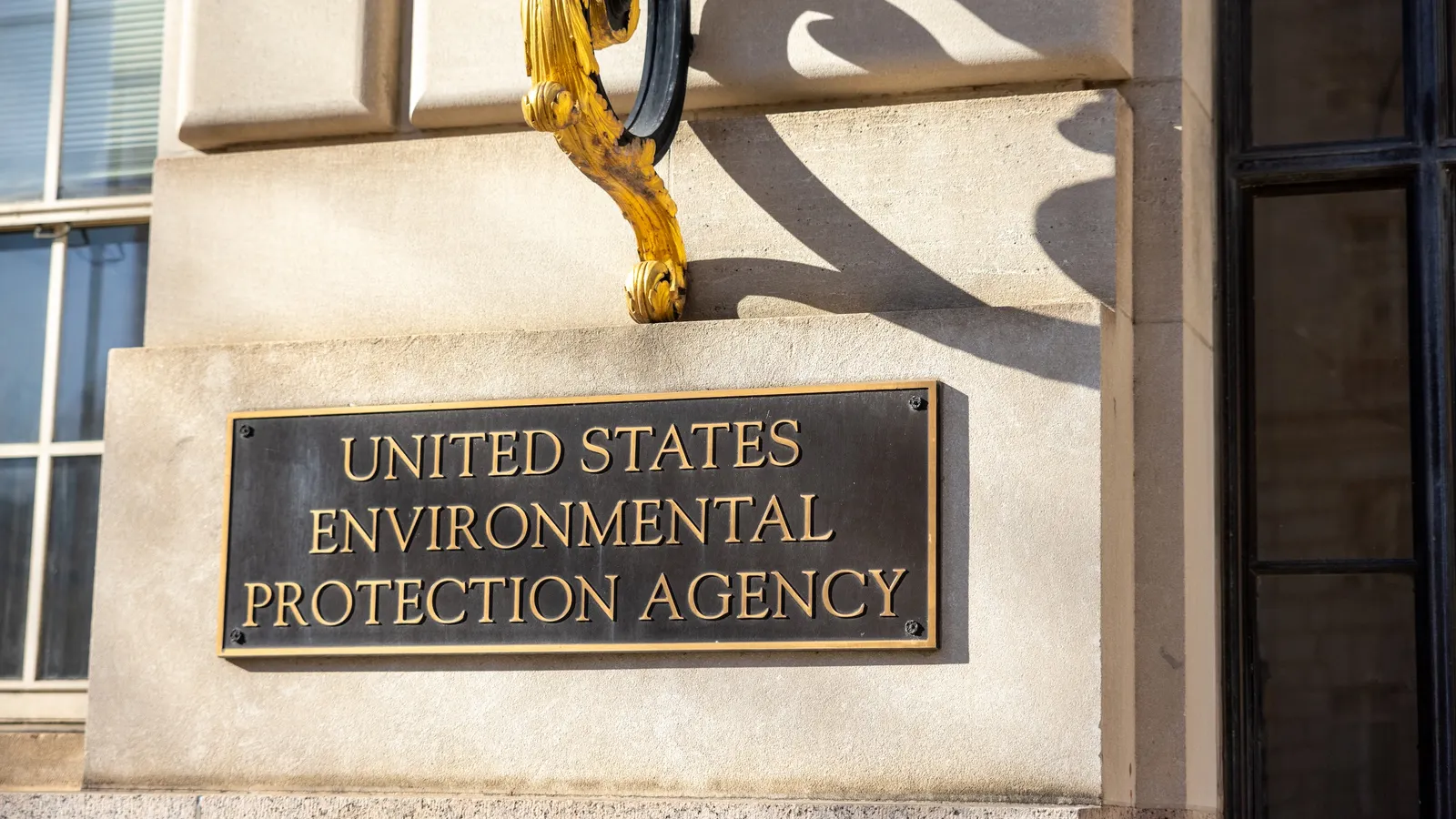
The United States Environmental Protection Agency (EPA) has formally introduced a proposal to relax the 2024 emissions standards for facilities utilizing ethylene oxide (EtO), a potent carcinogenic gas essential for the sterilization of approximately half of all medical devices produced in the country. This regulatory shift, announced on March 16, 2026, marks a significant departure from the more stringent air quality protections established two years ago and represents a cornerstone of the current administration’s broader efforts to reduce compliance burdens on the domestic manufacturing sector. The proposal follows a period of intense lobbying from the medtech industry and a series of executive actions aimed at preventing potential shortages of life-saving medical equipment, such as surgical kits, catheters, and pacemakers.
Under the new proposal, the EPA would offer commercial sterilization facilities a degree of flexibility that was previously unavailable. Specifically, facilities that process more than 10 tons of ethylene oxide per year would be given a choice: they can either install advanced, continuous monitoring systems to track emissions in real-time or adhere to a set of adjusted, less rigorous standards for aeration room vents. This move is designed to address industry concerns regarding the high capital costs associated with the 2024 requirements, which mandated significant infrastructure upgrades, including the sealing of building leaks and the installation of high-efficiency catalytic oxidizers or scrubbers for exhaust vents that were previously unregulated.
The Critical Role of Ethylene Oxide in Global Healthcare
Ethylene oxide is a colorless, flammable gas that has been a mainstay of the medical device industry for decades. Its primary value lies in its ability to penetrate deeply into packaged medical devices to kill microorganisms without damaging the products themselves. Unlike steam sterilization, which uses high heat and moisture, or gamma radiation, which can degrade certain polymers, EtO is effective at low temperatures. This makes it the only viable sterilization method for a vast array of sophisticated medical tools, including those with integrated electronics, delicate plastic components, or multi-layered packaging.
According to data from the Food and Drug Administration (FDA), approximately 20 billion medical devices are sterilized with EtO in the U.S. every year. These include everything from simple bandages and syringes to complex heart valves and orthopedic implants. Because the sterilization process is often the final step in the manufacturing chain, any disruption at a sterilization facility can lead to immediate shortages in hospitals and surgical centers. The medtech industry has long argued that overly aggressive environmental regulations could force the closure of older facilities, creating a "bottleneck" in the supply chain that could jeopardize patient safety more acutely than the long-term risks of air pollution.
A Chronology of Regulatory Tension
The path to the current proposal has been marked by a decade of scientific discovery and political friction. In 2016, the EPA’s Integrated Risk Information System (IRIS) updated its assessment of ethylene oxide, concluding that the gas was significantly more toxic than previously understood. The IRIS report linked long-term EtO exposure to an increased risk of white blood cell cancers, such as non-Hodgkin lymphoma and leukemia, as well as breast cancer in women.
Following this assessment, the EPA began the slow process of updating the National Emission Standards for Hazardous Air Pollutants (NESHAP). In early 2024, under a different regulatory climate, the agency finalized a rule that required sterilization plants to reduce EtO emissions by more than 99%. The 2024 rule was hailed by environmental advocates and public health organizations as a long-overdue protection for "fenceline" communities—those located in the immediate vicinity of industrial plants.
However, the implementation of these standards faced immediate pushback. By mid-2025, the political landscape shifted. In July 2025, President Donald Trump issued a proclamation that effectively paused the enforcement of the 2024 standards, citing the need to "promote American security with respect to sterile medical equipment." The proclamation granted a two-year reprieve for facilities to meet the new standards, a move that the administration argued would prevent the offshore migration of the sterilization industry. This reprieve was met with a lawsuit in January 2026, filed by the Southern Environmental Law Center (SELC) and the Natural Resources Defense Council (NRDC), who alleged the administration lacked the legal authority to unilaterally suspend Clean Air Act protections. The current EPA proposal is seen by many as the administration’s attempt to formalize that pause into a permanent regulatory adjustment.
Economic Justification and the Omission of Health Costs
One of the most controversial aspects of the new EPA proposal is its economic modeling. The agency estimates that the proposed changes will save the sterilization industry approximately $43 million per year in compliance and operational costs. These savings are expected to be realized through reduced capital expenditures on monitoring equipment and the ability of older plants to continue operations without undergoing total facility overhauls.
Critically, the EPA has confirmed that it no longer includes the "cost to human health" from increased pollution in its regulatory impact analyses. This change in methodology represents a fundamental shift in how the federal government evaluates environmental rules. Previously, the "benefits" of a regulation were calculated based on the number of avoided cancer cases, hospitalizations, and premature deaths. By removing these variables, the agency’s cost-benefit analysis skews heavily toward industry savings, a move that the administration argues provides a more "realistic" view of the economic impact of federal mandates.

There are currently about 90 commercial sterilization facilities in the United States, owned by roughly 50 different companies. While some large-scale providers, such as Sterigenics and Sotera Health, have already begun investing in emission-reduction technologies, many smaller, independent facilities have warned that the 2024 standards would be financially ruinous.
Divergent Reactions from Stakeholders
The reaction to the EPA’s proposal has been polarized, reflecting the ongoing tension between economic stability and public health. AdvaMed, the leading trade association and lobbying group for the medical technology industry, has expressed strong support for the agency’s new direction.
"We appreciate the EPA’s efforts in listening to and understanding the importance of supplying safe, sterile medtech without interruption while protecting employees and communities near sterilization facilities," said Scott Whitaker, CEO of AdvaMed. Whitaker emphasized that the industry has been working with the EPA for years to find a "middle ground" that ensures the continuity of the medical supply chain. He noted that the flexibility provided in the new proposal would allow companies to maintain their sterilization throughput while still making "reasonable" improvements to their environmental footprint.
Conversely, public health advocates and environmental justice groups have condemned the proposal as a step backward that puts vulnerable populations at risk. Laura Kate Bender, vice president of nationwide advocacy and public policy for the American Lung Association, pointed to the localized nature of the risk. "No one should have to live with elevated cancer risk because of air pollution in their community," Bender stated. She noted that many of these sterilization facilities are located in or near residential neighborhoods, schools, and playgrounds, and that the "relaxed" standards could lead to measurable increases in cancer clusters over the coming decades.
Environmental groups have also raised concerns about the "choice" mechanism in the proposal. They argue that by allowing facilities to opt out of continuous monitoring, the EPA is effectively allowing them to "police themselves," making it nearly impossible for regulators or the public to verify if emission limits are actually being met.

Broader Implications and the Path Forward
The EPA’s proposal is now subject to a 45-day public comment period, during which the agency will collect feedback from industry experts, health professionals, and the general public. Given the high stakes, the comment period is expected to be contentious, with thousands of submissions likely from both sides of the issue.
The outcome of this regulatory battle will have implications far beyond the sterilization industry. It serves as a test case for the administration’s "deregulatory" agenda and its efforts to prioritize domestic industrial capacity over environmental mandates. Furthermore, the ongoing litigation from the SELC and NRDC remains a significant wildcard; if the courts rule that the administration’s initial pause was illegal, the EPA may be forced to revert to the 2024 standards regardless of this new proposal.
For the medical community, the primary concern remains the reliability of the supply chain. While alternative sterilization methods—such as nitrogen dioxide, vaporized hydrogen peroxide, and chlorine dioxide—are being explored and in some cases validated by the FDA, they are not yet capable of handling the sheer volume of devices currently processed by ethylene oxide. Until such technologies reach maturity and scale, the healthcare system remains tethered to EtO, leaving policymakers to navigate the narrow and difficult path between protecting the air people breathe and ensuring the availability of the tools doctors need to save lives.
