








Achieving successful weight management, particularly targeting stubborn belly fat, is a multifaceted endeavor where dietary choices play a pivotal role. While no single food can miraculously eliminate abdominal fat, strategic dietary inclusions, especially those rich in protein and amenable to portion control, can significantly contribute to overall fat loss. Among the diverse culinary landscape, certain cheeses, often perceived as indulgent, can in fact be valuable allies in this journey. This perspective is championed by Tara Collingwood, MS, RDN, CSSD, LD/N, ACSM-CPT, a distinguished Board Certified Sports Dietitian and co-author of the Flat Belly Cookbook for Dummies. Collingwood emphasizes that "No single food causes belly fat loss. However, higher-protein cheeses that are easy to portion can support fullness and muscle maintenance, both of which are important for overall fat loss." This expert insight underscores a nuanced approach to diet, moving beyond simple caloric restriction to embrace nutrient density and satiety.
Understanding Belly Fat and Its Health Implications
Before delving into specific dietary recommendations, it is crucial to understand what constitutes belly fat and why its reduction is a significant health objective. Belly fat, or abdominal fat, is broadly categorized into two types: subcutaneous fat, which lies just under the skin, and visceral fat, which surrounds the organs deep within the abdominal cavity. While both contribute to overall weight, visceral fat is particularly concerning due to its strong association with an increased risk of serious health conditions. These include cardiovascular diseases, type 2 diabetes, insulin resistance, certain cancers, and metabolic syndrome. Visceral fat is metabolically active, releasing inflammatory compounds and hormones that can negatively impact various bodily functions. Therefore, strategies aimed at reducing overall body fat, with a particular emphasis on dietary composition, are critical not only for aesthetic reasons but, more importantly, for long-term health and well-being.


The Pivotal Role of Protein in Weight Management
Protein stands as a cornerstone macronutrient in any effective weight loss regimen, and its importance is amplified when targeting fat reduction and maintaining muscle mass. Protein contributes to satiety more effectively than carbohydrates or fats, helping to curb appetite and reduce overall caloric intake. This is due to its influence on various hunger-regulating hormones, such as ghrelin and GLP-1. Additionally, protein has a higher thermic effect of food (TEF) compared to other macronutrients. This means that the body expends more energy to digest, absorb, and metabolize protein, slightly increasing daily calorie expenditure. Crucially, adequate protein intake is essential for preserving lean muscle mass, especially during periods of calorie deficit. Muscle tissue is more metabolically active than fat tissue, meaning it burns more calories at rest. Protecting muscle mass therefore helps maintain a higher resting metabolic rate, which is advantageous for sustained fat loss. By integrating protein-rich foods, individuals can feel fuller for longer, minimize cravings, and support their metabolic health, all of which are vital for reducing belly fat.
Expert-Backed Cheese Choices for a Healthier Waistline
Contrary to popular belief that all cheeses are detrimental to weight loss, Collingwood’s recommendations highlight specific varieties that, when consumed mindfully, can be beneficial. The key lies in selecting cheeses that offer a high protein-to-calorie ratio and whose strong flavors naturally encourage smaller, more satisfying portions.
1. Cottage Cheese: A Protein Powerhouse
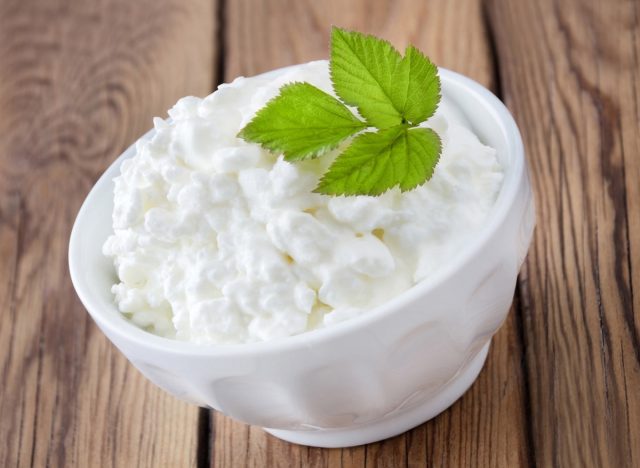
Cottage cheese consistently ranks as one of the top protein-rich dairy products, making it an excellent choice for individuals focused on fat loss and muscle maintenance. A typical half-cup serving of low-fat cottage cheese can provide approximately 12-15 grams of protein, along with essential amino acids vital for muscle repair and growth. This high protein content contributes significantly to satiety, helping individuals feel full and satisfied for extended periods, thereby reducing the likelihood of overeating or snacking on less healthy options.
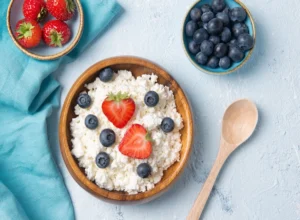
Beyond protein, cottage cheese is a good source of calcium, phosphorus, and B vitamins, which are crucial for bone health and energy metabolism. The versatility of cottage cheese is another advantage; it can be enjoyed in various ways, from a savory snack topped with black pepper and chives to a sweet treat mixed with berries and a drizzle of honey. Collingwood notes, "Maintaining muscle is important for metabolism, especially when you’re trying to lose abdominal fat. Low-fat or full-fat can work depending on portions and preferences." This emphasizes that while low-fat options reduce calorie intake, even full-fat cottage cheese can be incorporated in controlled portions, offering a richer texture and flavor for greater satisfaction.
2. Greek-Style Feta: Flavorful and Satisfying
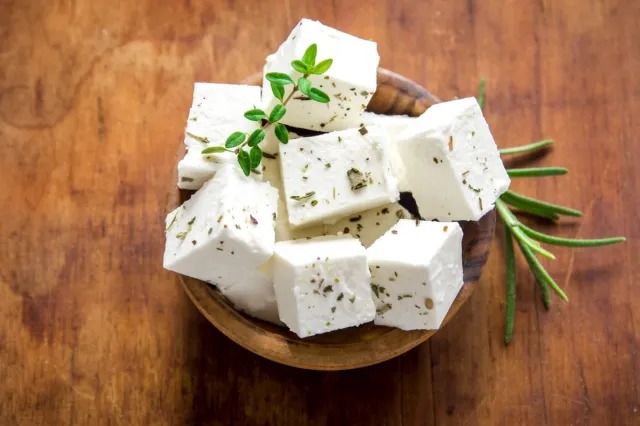
Greek-style feta cheese, renowned for its distinctive tangy and salty flavor, is another excellent option for those looking to manage their weight. Its robust taste profile means that a small amount can impart significant flavor to a dish, naturally aiding in portion control. A one-ounce serving of feta typically contains around 4-5 grams of protein and a moderate amount of fat and calories.
Feta’s strong flavor enhances the palatability of meals without requiring large quantities, making it an ideal choice for adding satisfaction without excess calories. Collingwood points out, "Feta has a strong flavor, so a little goes a long way. That makes it easier to control portions while still adding satisfaction to meals. Great crumbled over salads or roasted vegetables." This characteristic makes it perfect for sprinkling over salads, roasted vegetables, or incorporating into omelets, providing a burst of flavor and a touch of protein that can elevate a simple meal into a more fulfilling experience. Its calcium content also supports bone health, an important consideration in a balanced diet.
3. Part-Skim Mozzarella: Calorie-Conscious and Convenient
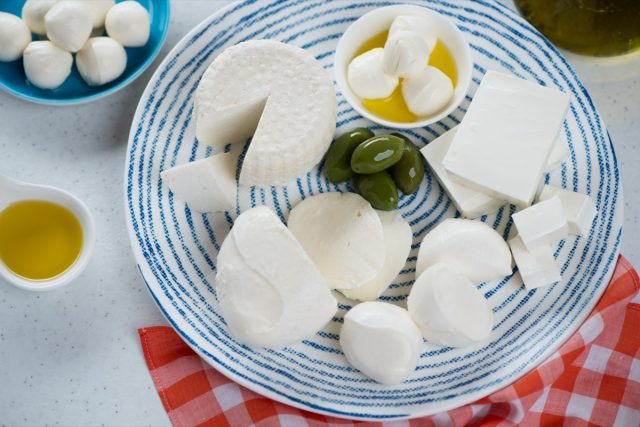
Part-skim mozzarella is a lean cheese option that delivers a good balance of protein and calcium with relatively fewer calories and less saturated fat compared to its full-fat counterparts. A standard one-ounce serving of part-skim mozzarella contains approximately 6-7 grams of protein and about 70-80 calories.
Its mild flavor and excellent melting properties make it incredibly versatile for a wide range of dishes, from pizzas and pasta bakes to sandwiches and wraps. The availability of part-skim mozzarella in convenient forms, such as string cheese, further facilitates portion control. String cheese sticks, typically around one ounce each, offer a pre-portioned snack that is easy to grab and consume on the go, making it a practical choice for managing hunger between meals. Collingwood highlights, "Mozzarella is relatively low in calories and provides protein and calcium, nutrients that support body composition when included in a balanced diet. String cheese portions make this especially easy to manage." These attributes make part-skim mozzarella an accessible and effective component of a weight-loss diet focused on nutrient intake and controlled portions.
4. Parmesan: Concentrated Flavor and Nutrition
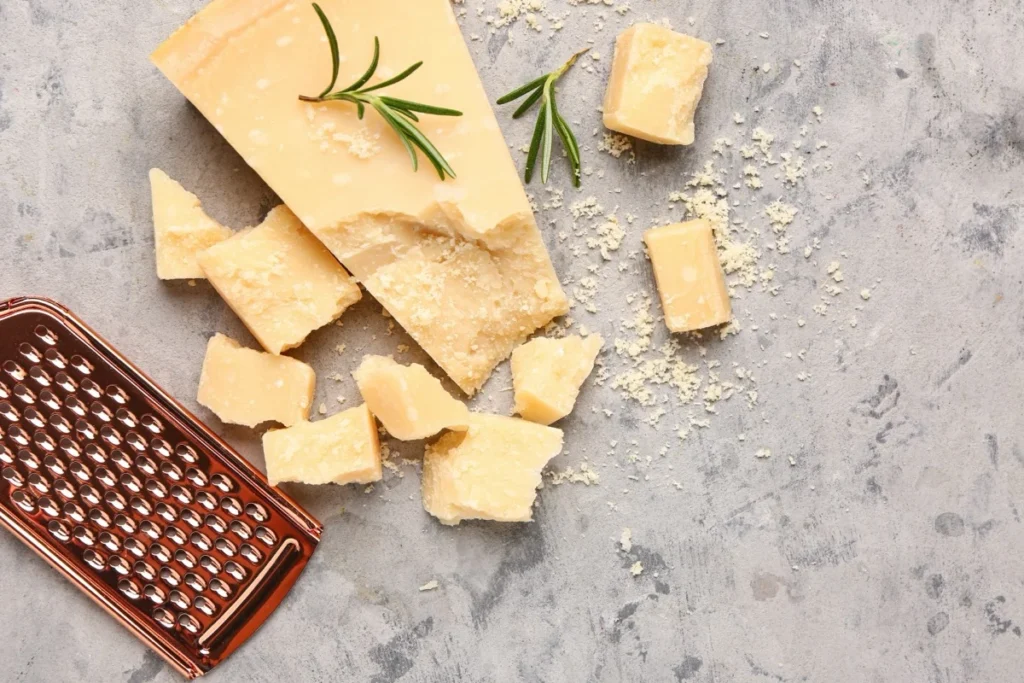
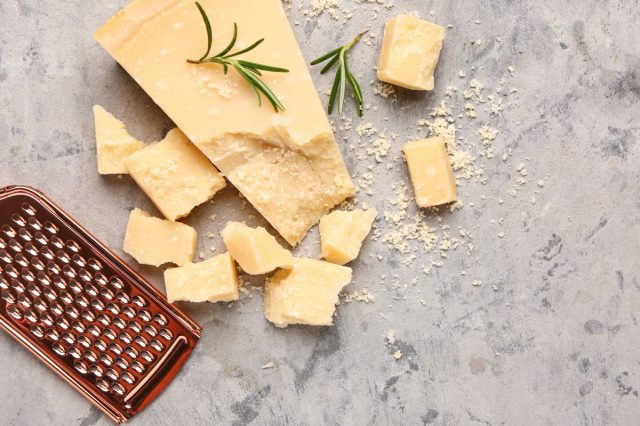
Parmesan, a hard, aged Italian cheese, is celebrated for its intense, umami-rich flavor. This powerful taste makes it another excellent cheese for portion control, as a small amount can significantly enhance the flavor of a dish. A one-tablespoon serving of grated Parmesan typically provides around 2-3 grams of protein and about 20-30 calories, making it a calorie-efficient way to add depth to meals. When considering larger portions, a one-ounce serving can offer around 10 grams of protein.
As a hard cheese, Parmesan is also a concentrated source of calcium, essential for bone density and various metabolic functions. Its unique flavor profile allows it to be used sparingly yet effectively, adding a savory kick to salads, soups, roasted vegetables, or whole-grain pasta dishes without adding excessive calories or fat. Collingwood notes, "Hard cheeses like Parmesan are flavorful and protein-dense, meaning you can use small amounts and still feel satisfied. A tablespoon or two adds big flavor without many calories." This strategic use of Parmesan enables individuals to enjoy the richness of cheese while adhering to a calorie-controlled eating plan.
5. Swiss Cheese: Lower Sodium and Nutrient-Dense
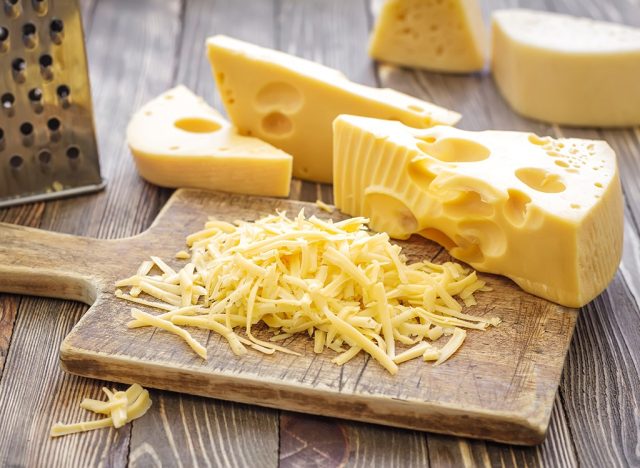
Swiss cheese is a distinguished option, recognized for its distinctive holes and nutty, slightly sweet flavor. It stands out among cheeses for its relatively lower sodium content compared to many other varieties, which can be particularly beneficial for individuals monitoring their sodium intake to manage fluid retention and bloating. A one-ounce slice of Swiss cheese typically provides about 8 grams of protein and around 100 calories.
In addition to protein, Swiss cheese is a good source of calcium and phosphorus, contributing to bone health. Its substantial texture and satisfying flavor make it an excellent addition to sandwiches made with whole-grain bread, or paired with fruit for a balanced snack. The protein content helps promote satiety, while its lower sodium profile addresses potential concerns related to water retention, which can sometimes be confused with fat gain. Collingwood suggests, "Swiss cheese offers protein with less sodium than many other cheeses, which can be helpful for people watching their bloating or water retention. Pairs well with whole-grain bread or fruit." This combination of nutritional benefits makes Swiss cheese a smart choice for those seeking a flavorful, protein-rich cheese without excessive sodium.
6. Part-Skim Ricotta: Creamy Versatility
Part-skim ricotta cheese is a soft, creamy cheese that offers an impressive nutritional profile, particularly for those aiming to increase protein intake. A half-cup serving of part-skim ricotta provides approximately 14 grams of protein, along with significant amounts of calcium and phosphorus. Its smooth texture and mild flavor make it incredibly versatile, adaptable to both sweet and savory culinary applications.
This adaptability is key for adherence to a calorie-controlled plan, as it allows for a wider range of meal and snack options. For a sweet treat, ricotta can be paired with fresh berries, a sprinkle of cinnamon, or a touch of stevia. In savory dishes, it can be incorporated into lasagna, stuffed shells, or even spread on whole-grain toast with herbs and vegetables. Collingwood advocates for ricotta, stating it "provides protein and calcium and works well in both sweet and savory dishes, making it easier to stick with a calorie-controlled plan. Try it with berries or herbs and vegetables." This flexibility helps prevent dietary monotony and makes healthy eating more enjoyable and sustainable.
7. Goat Cheese: Tangy and Digestible
Goat cheese, or chèvre, offers a unique flavor profile that is both rich and tangy, often described as earthy or tart. This distinct taste contributes to its effectiveness in portion control, as a small amount can deliver a powerful flavor punch. A one-ounce serving of goat cheese typically contains around 6 grams of protein and approximately 75-80 calories.
Beyond its flavor, some individuals find goat cheese easier to digest than cheeses made from cow’s milk, potentially due to differences in protein structure and fat composition. This can be a significant advantage for those with mild sensitivities to cow’s dairy. Its creamy yet crumbly texture makes it an excellent addition to salads, bowls, or even as a spread on crackers, adding a luxurious touch without excessive caloric load. Collingwood notes, "Goat cheese is rich and tangy, which helps with portion control, and some people find it easier to digest than cow’s milk cheeses. A little adds creaminess to salads and bowls." The combination of unique flavor, good protein content, and potential digestibility benefits positions goat cheese as a valuable inclusion for a varied and effective fat-loss diet.
Beyond Cheese: A Holistic Approach to Fat Loss
While incorporating protein-rich, portion-controlled cheeses can be a valuable strategy, it is crucial to remember that no single food or food group operates in isolation when it comes to weight management. A holistic approach is essential for sustainable belly fat reduction and overall health. This encompasses several interconnected pillars:
- Calorie Deficit: Ultimately, fat loss requires consuming fewer calories than the body expends. Protein-rich foods help achieve this deficit by promoting satiety, but mindful eating and tracking intake are still vital.
- Balanced Diet: Beyond protein, a diet rich in whole, unprocessed foods is paramount. This includes ample servings of fruits, vegetables, whole grains, and lean protein sources. These foods provide essential vitamins, minerals, and fiber, which support digestive health, regulate blood sugar, and contribute to overall well-being.
- Regular Physical Activity: Exercise plays a critical role in burning calories, building muscle mass, and improving metabolic health. A combination of cardiovascular exercise and strength training is most effective for reducing visceral fat and enhancing body composition.
- Adequate Sleep: Poor sleep quality and insufficient sleep are linked to increased cortisol levels and alterations in hunger hormones (ghrelin and leptin), which can lead to increased appetite and fat storage, particularly in the abdominal region. Aim for 7-9 hours of quality sleep per night.
- Stress Management: Chronic stress elevates cortisol, a hormone that promotes the accumulation of visceral fat. Incorporating stress-reducing practices such as meditation, yoga, or spending time in nature can be beneficial.
- Hydration: Drinking sufficient water supports metabolism, aids in satiety, and is crucial for all bodily functions.
Conclusion
The journey to reduce belly fat and improve overall health does not necessitate a bland or restrictive diet. As Tara Collingwood, MS, RDN, CSSD, LD/N, ACSM-CPT, astutely highlights, incorporating certain protein-rich cheeses can be a delicious and effective strategy. By focusing on varieties like cottage cheese, Greek-style feta, part-skim mozzarella, Parmesan, Swiss cheese, part-skim ricotta, and goat cheese, individuals can leverage their high protein content for satiety, muscle maintenance, and enhanced metabolism. The inherent flavors of these cheeses often lend themselves to smaller, more satisfying portions, simplifying calorie management. However, these choices are most impactful when integrated into a broader lifestyle that prioritizes a balanced diet, consistent physical activity, adequate sleep, and effective stress management. By making informed food choices and adopting a holistic approach, individuals can enjoy the richness of cheese while making tangible progress towards their belly fat reduction goals and cultivating a healthier, more vibrant life.