









Snacking, often misconstrued as a dietary indulgence, holds a pivotal role in the success or failure of a weight management regimen. The strategic selection of snacks can either bolster nutritional intake and facilitate calorie control or inadvertently contribute to an excess of empty calories, derailing progress. When approached mindfully, snacking on items rich in vital nutrients such as protein and fiber can be a powerful ally in achieving and sustaining weight loss goals. As the new year often brings renewed commitments to health and wellness, understanding which store-bought options truly support these ambitions becomes paramount.
Leading the discourse on this topic is Tara Collingwood, MS, RDN, CSSD, LD/N, ACSM-CPT, a Board Certified Sports Dietitian and co-author of the Flat Belly Cookbook for Dummies. Collingwood, a trusted authority in nutritional science, has identified seven exemplary store-bought snacks that align with effective weight loss principles. These recommendations are not merely about calorie restriction but emphasize satiety, sustained energy, and nutrient density, reflecting a holistic approach to dietary health. This article delves into Collingwood’s expert selections, exploring the underlying nutritional science, broader market trends, and the implications for consumers aiming for healthier eating habits.
The Evolving Science of Strategic Snacking for Weight Management

For decades, dietary advice often oscillated between rigid meal structures and a general caution against snacking. However, contemporary nutritional science, supported by a growing body of research, has increasingly highlighted the benefits of strategic snacking. The key distinction lies between impulsive, calorie-dense snacking and planned, nutrient-rich inter-meal consumption. The latter can play a crucial role in regulating blood sugar levels, preventing extreme hunger that often leads to overeating at main meals, and boosting the intake of essential macronutrients like protein and fiber.
Protein, in particular, is recognized for its high satiety index. It promotes feelings of fullness more effectively than carbohydrates or fats, reducing the likelihood of subsequent caloric intake. This is partly due to its impact on hunger-regulating hormones, such as cholecystokinin (CCK) and peptide YY (PYY), which signal satiety to the brain. Furthermore, the body expends more energy digesting protein compared to other macronutrients, a phenomenon known as the thermic effect of food.
Fiber, especially soluble fiber found in whole grains, fruits, vegetables, and legumes, also contributes significantly to satiety. It absorbs water, forming a gel-like substance in the digestive tract that slows gastric emptying and nutrient absorption, leading to prolonged feelings of fullness. Beyond satiety, adequate fiber intake is crucial for digestive health, blood sugar control, and maintaining a healthy gut microbiome, all of which indirectly support weight management.
The global prevalence of overweight and obesity underscores the urgency of accessible and effective dietary strategies. According to the World Health Organization (WHO), obesity rates have nearly tripled since 1975, with more than 1.9 billion adults classified as overweight in 2016, and over 650 million of these being obese. In this landscape, educating consumers on smart food choices, especially for convenient options like snacks, becomes a vital public health imperative. The advice from experts like Tara Collingwood offers practical, actionable steps for individuals navigating the often-confusing grocery aisles.
Expert-Approved Snacking Solutions: A Deep Dive into Collingwood’s Top 7
Collingwood’s recommendations are carefully curated to provide both nutritional value and practicality, addressing common cravings while adhering to principles of balanced eating.
-
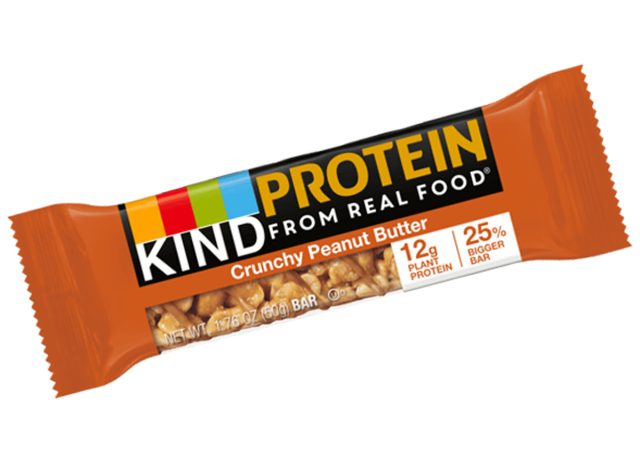
KIND Bars (e.g., KIND Protein or KIND Healthy Grains)
KIND Bars, particularly their Protein and Healthy Grains variants, are highlighted as an excellent grab-and-go option. Collingwood notes they are "bars made from nuts, seeds, and whole grains. With protein and fiber help keep you full. Often recommended by dietitians as better than sugary bars." This assessment is rooted in their robust nutritional profile. A typical KIND Protein bar can deliver 12-15 grams of protein and 5-6 grams of fiber, coupled with healthy fats from almonds, peanuts, and other seeds. These healthy monounsaturated and polyunsaturated fats are crucial for satiety and overall cardiovascular health. The emphasis on whole ingredients, minimal processing, and lower sugar content sets them apart from many traditional granola bars that often contain high fructose corn syrup or excessive added sugars, which can lead to rapid blood sugar spikes and subsequent crashes, ultimately stimulating further hunger. The combination of protein, fiber, and healthy fats in KIND Bars ensures sustained energy release and prolonged satiety, making them a strategic choice for bridging meals without compromising weight loss efforts. -
Lesser Evil Himalayan Pink Salt Popcorn
For those with a penchant for savory, crunchy snacks, Collingwood recommends Lesser Evil Himalayan Pink Salt Popcorn. She describes it as "A lighter, whole grain, air popped snack with fewer calories. Popcorn is a whole grain!" This is a crucial distinction. Traditional movie-style popcorn can be laden with unhealthy oils, butter, and excessive sodium. However, air-popped popcorn, especially varieties like Lesser Evil that use minimal, quality ingredients (like organic popcorn, coconut oil, and Himalayan pink salt), transforms a seemingly indulgent snack into a healthful one. As a whole grain, popcorn provides dietary fiber, which aids digestion and contributes to feelings of fullness. A typical serving offers a significant volume for relatively few calories (often around 110-140 calories per bag), making it an excellent choice for satisfying hunger and cravings without overeating. The fiber content also supports a healthy gut and can help stabilize blood sugar levels, preventing the energy dips that lead to unhealthy snacking.
-
FlavaNaturals FlavaBars
Addressing the universal sweet tooth, FlavaNaturals FlavaBars offer a sophisticated and health-conscious solution. Collingwood points out, "Premium dark chocolate bars with about 500 mg of cocoa flavanols per serving which is much higher than typical dark chocolate. Available in flavors like classic dark, blueberry dark, and roasted almond + Himalayan salt." This recommendation taps into the growing understanding of dark chocolate’s health benefits, particularly its rich flavanol content. Cocoa flavanols are powerful antioxidants linked to improved cardiovascular health, enhanced cognitive function, and reduced inflammation. While still a treat, the high flavanol concentration makes these bars a more beneficial choice than standard milk chocolate or even many dark chocolates with lower cocoa percentages and higher sugar content. The mindful enjoyment of a small, high-quality dark chocolate bar can satisfy sweet cravings, potentially preventing the consumption of larger, less healthy desserts, thus aiding in overall calorie management and adherence to a weight loss plan. -
Bada Bean Bada Boom Crunchy Roasted Broad Bean Snack
For a satisfying crunch packed with plant-based power, Collingwood champions Bada Bean Bada Boom Crunchy Roasted Broad Bean Snacks. She emphasizes their dual benefits: "The plant-based protein boasts about 6 to 7 grams of protein per serving to help curb hunger and 4 to 5 grams of fiber per serving, which supports fullness and may help regulate appetite. It is also low in calories, 100 to 110 calories per 1 oz serving. Comes in portion control bags." Broad beans (fava beans) are an underutilized legume, rich in both protein and dietary fiber, making them an excellent choice for satiety and digestive health. Their crunchy texture provides a sensory satisfaction often sought in less healthy fried snacks. The availability in portion-controlled bags is a critical feature for weight management, as it removes the guesswork and temptation to overeat, a common pitfall with bulk snacks. This snack offers a complete package: high protein, high fiber, low calorie, and portion-controlled, making it a standout for appetite regulation. -
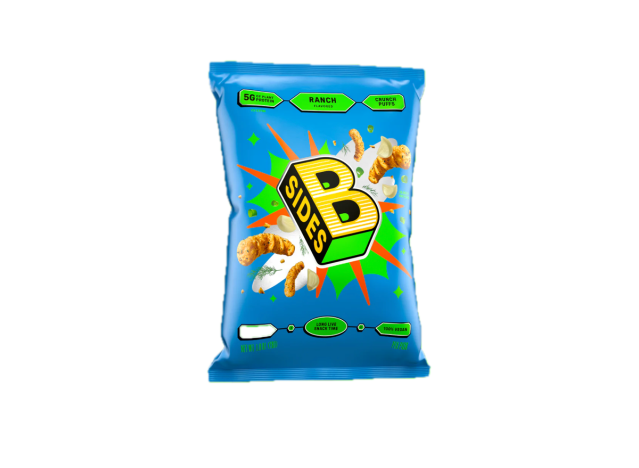
B-Sides Ranch Crunch Puffs
Another stellar savory option comes in the form of B-Sides Ranch Crunch Puffs. Collingwood describes them as "Plant-protein puffs made with oats & pea protein – savory and filling with some protein boost." This product offers a healthier alternative to conventional cheese puffs or potato chips, which are typically high in unhealthy fats, artificial ingredients, and empty calories. By utilizing oats and pea protein, B-Sides Puffs deliver a significant protein punch while maintaining a desirable crunchy texture and savory flavor. Pea protein is a complete protein, meaning it contains all nine essential amino acids necessary for muscle repair and growth, which is beneficial for maintaining metabolic rate during weight loss. The combination of plant-based protein and fiber from oats ensures sustained energy and prolonged satiety, helping to curb cravings for less nutritious snacks. This innovation in plant-based snacking reflects a broader industry trend towards healthier, functional ingredients. -
That’s It. Fruit bars
For a naturally sweet and simple option, Collingwood recommends That’s It. Fruit bars. She praises their minimalist approach: "Very simple and clean with usually just two fruits (e.g., apple + mango or apple + strawberry). No added sugar, preservatives, or fillers." In a market saturated with "fruit snacks" that are often glorified candies, That’s It. bars stand out for their commitment to whole food integrity. They deliver the natural sugars, vitamins, minerals, and, crucially, the dietary fiber inherent in whole fruits. This fiber helps mitigate the impact of natural sugars on blood glucose levels, preventing sharp spikes and crashes. Unlike fruit juices or many processed fruit products, these bars retain the whole fruit matrix, providing a more satiating and nutritionally complete snack. They offer a convenient way to increase daily fruit intake, which is often lacking in the average diet, and satisfy sweet cravings without the detrimental effects of added sugars and artificial ingredients.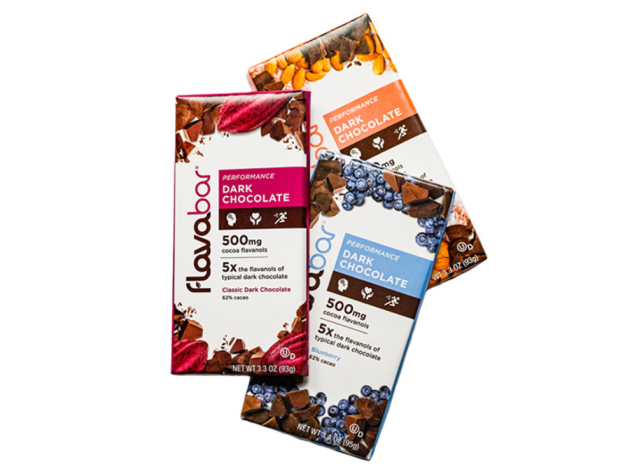
-
simplyFUEL Protein Balls
Rounding out the list are simplyFUEL Protein Balls (Oat Balls), hailed as a clean, balanced snack made with whole-food ingredients. Collingwood details their composition: "Made with gluten-free oats, honey, natural peanut butter, organic coconut, and almonds, 8 g protein, fiber, and healthy fats. Some versions also have probiotics." This snack exemplifies a nutrient-dense approach. Gluten-free oats provide complex carbohydrates and fiber, offering sustained energy. Natural peanut butter, organic coconut, and almonds contribute healthy fats and additional protein, further enhancing satiety. The inclusion of probiotics in some versions is a forward-thinking addition, recognizing the critical link between gut health and overall metabolic function, including weight management. A balanced gut microbiome can influence nutrient absorption, inflammation, and even mood, all of which can indirectly affect dietary choices and weight. These protein balls offer a convenient, pre-portioned, and nutrient-rich option that addresses multiple aspects of healthy eating and weight loss.
Broader Implications: Consumer Trends, Industry Innovation, and Public Health
The recommendations from Tara Collingwood are not merely a list of products; they reflect significant shifts in consumer demand and industry innovation within the health and wellness sector. The modern consumer is increasingly sophisticated, seeking snacks that are not only convenient and tasty but also align with specific dietary needs (e.g., gluten-free, plant-based), offer transparent ingredient lists, and provide tangible health benefits beyond basic sustenance.
Consumer Trends: There is a palpable movement towards "clean eating," where consumers prioritize whole, recognizable ingredients and eschew artificial additives, excessive sugars, and highly processed components. This trend is driven by greater health consciousness, access to nutritional information, and a desire for foods that contribute positively to well-being rather than just filling a void. The demand for functional foods—those that offer health benefits beyond basic nutrition, such as probiotics for gut health or flavanols for heart health—is also on the rise.
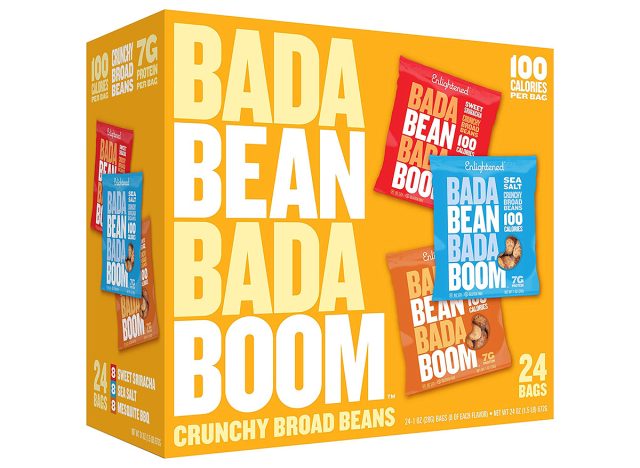
Food Industry Response: Manufacturers are keenly aware of these evolving preferences. Companies are investing heavily in research and development to create snack options that meet these stringent consumer demands. This includes innovating with plant-based proteins, exploring novel whole grains and legumes, reducing added sugars, and incorporating functional ingredients. The emphasis on portion control, as seen with snacks like Bada Bean Bada Boom, also indicates an industry-wide understanding of how critical mindful consumption is for weight management. Brands that prioritize transparent labeling and ethically sourced ingredients are gaining market share, signaling a long-term shift in the food landscape.
Public Health Perspective: From a public health standpoint, the availability and accessibility of such healthier snack options are crucial. While individual responsibility in dietary choices remains important, the food environment significantly influences these choices. A supermarket aisle predominantly filled with unhealthy, ultra-processed snacks makes healthy eating a constant battle. By promoting and making available nutritious, convenient snacks, the food industry, alongside health professionals, can contribute to a more supportive environment for weight management and chronic disease prevention. Educational initiatives, like those provided by dietitians, empower consumers to navigate this environment effectively, distinguishing genuinely beneficial products from those merely marketing themselves as "healthy."
Challenges and Future Outlook: Despite these positive developments, challenges persist. The sheer volume of snack options can still overwhelm consumers, and misleading marketing claims can obscure true nutritional value. Continuous education on label reading, understanding macronutrient balance, and recognizing hidden sugars remains essential. Furthermore, ensuring equitable access to these healthier options across all socioeconomic strata is a vital, ongoing public health concern.
Looking ahead, the snack market is likely to continue its evolution, with an even greater emphasis on personalization, sustainability, and advanced nutritional science. Innovations might include snacks tailored to individual genetic profiles, those optimized for specific physiological states (e.g., pre/post-workout), and products with even more robust functional benefits. The foundational principles, however, as articulated by experts like Tara Collingwood—prioritizing protein, fiber, whole ingredients, and mindful portioning—will undoubtedly remain the cornerstones of effective and sustainable weight management.
In conclusion, snacking does not have to be the undoing of a weight loss journey. Instead, by making informed, strategic choices guided by expert advice, individuals can transform snacks into powerful tools for satiety, nutrient intake, and sustained energy, ultimately supporting their health and wellness goals for the new year and beyond. The array of thoughtfully selected store-bought options available today empowers consumers to make healthier choices, demonstrating that convenience and good nutrition are not mutually exclusive.