



The landscape of women’s health, particularly concerning the multifaceted challenges of menopause, is experiencing a significant paradigm shift, moving beyond traditional approaches to embrace innovative scientific avenues. This week, the spotlight falls on the burgeoning understanding of the gut-hormone axis and its profound implications for managing menopausal symptoms. Kaneka Probiotics has unveiled compelling new research highlighting the efficacy of its KABP Menopause probiotic blend, a development that promises to redefine how the supplement industry addresses hormonal transitions in women. This groundbreaking work, which demonstrates the blend’s ability to positively influence estrogen levels via the gut microbiome, underscores a growing trend toward harnessing the body’s intricate biological pathways for targeted health solutions.
The significance of this research cannot be overstated, particularly as it aligns with emerging scientific discussions set to take place at prominent industry events such as SupplySide Global in 2025. These platforms are crucial for disseminating cutting-edge findings and fostering collaboration among researchers, manufacturers, and consumers. Kaneka’s findings build upon prior evidence, including studies presented at these influential gatherings, that have pointed to the estrobolome – the collection of gut microbes that metabolize estrogen – as a key player in hormonal balance. The latest clinical trial offers tangible, real-world evidence of how this understanding translates into palpable improvements in women’s well-being during perimenopause, menopause, and post-menopause.
Alison Arendt, senior national sales manager at Kaneka and a dedicated advocate for women’s health, articulated the innovative nature of this approach. "What’s innovative about using the gut microbiome is that we now see the estrobolome plays a very large role in managing perimenopausal, menopausal, and post-menopausal side effects," Arendt stated. This perspective highlights a departure from solely focusing on direct hormone replacement or symptom management, instead targeting the fundamental biological mechanisms that regulate hormone activity. The estrobolome, a relatively recent area of intense scientific scrutiny, is believed to influence the body’s overall estrogenic status by affecting the production, breakdown, and circulation of estrogenic compounds. Disruptions to this delicate microbial ecosystem can therefore lead to imbalances that exacerbate menopausal symptoms.

The clinical trial conducted by Kaneka Probiotics was a decentralized, randomized, double-blind, placebo-controlled study involving 245 women aged between 45 and 60. This rigorous study design is considered the gold standard for establishing causality and minimizing bias. Participants were either undergoing perimenopause or were in menopause. Over a period of three months, these women were administered either the KABP Menopause probiotic blend or a placebo. The probiotic blend itself is a carefully curated formulation, featuring three specific strains: Levilactobacillus brevis KABP052, Lactiplantibacillus plantarum KABP051, and Pediococcus acidilactici KABP021. The selection of these particular strains is likely based on their known or hypothesized interactions with the gut microbiome and their potential to influence the estrobolome.
The methodology involved participants completing standardized questionnaires designed to assess their menopausal symptoms and overall quality of life. This qualitative data, when combined with quantitative measures, provides a holistic picture of the supplement’s impact. The results were significant: women who supplemented with the Kaneka probiotic blend reported a notable decrease in their scores on the Menopause Rating Scale (MRS), a widely used instrument for quantifying the severity of menopausal symptoms. Crucially, they also experienced improvements in their quality-of-life scores, indicating that the intervention not only addressed specific symptoms but also enhanced their general sense of well-being and daily functioning. This dual benefit is particularly important for women navigating menopause, a period that can significantly impact emotional, physical, and social aspects of life.
Arendt further elaborated on the evolving strategies within the supplement industry for addressing menopausal health. She observed a bifurcated approach among companies. Some are focusing exclusively on digestive health, formulating products that leverage the power of biotic ingredients—prebiotics, probiotics, and postbiotics—to influence health outcomes solely through the microbiome. Others are adopting a more integrated strategy, combining probiotic formulations with botanical ingredients that are already well-established for their association with women’s health. This latter approach, Arendt suggests, is highly responsive to consumer demand, as many women actively seek out natural remedies that have a history of supporting female well-being.
"I’m very excited about the estrobolome because most women, when talking about hormone balance and estrogen regulation, are used to going to standard herbal favorites," Arendt remarked. This sentiment captures a critical insight into consumer behavior and the evolution of the supplement market. For decades, women have relied on ingredients like black cohosh, red clover, and soy isoflavones to manage menopausal symptoms. While these botanicals continue to hold a place in the market, the emergence of microbiome-targeted solutions represents a sophisticated advancement. The integration of probiotics that directly modulate the estrobolome offers a scientifically validated mechanism that complements, and in some cases may surpass, the efficacy of traditional approaches. Arendt’s evocative statement, "It’s not your grandma’s black cohosh anymore," perfectly encapsulates this generational leap in understanding and intervention.

The Science Behind the Gut-Hormone Axis and Menopause
The concept of the gut-hormone axis, and more specifically the estrobolome, is central to understanding Kaneka’s research. The gut microbiome, a complex ecosystem of trillions of microorganisms residing in the digestive tract, is increasingly recognized as a critical regulator of numerous bodily functions, including metabolism, immunity, and even mood. Its influence extends to endocrine functions through the gut-hormone axis.
Estrogen, a primary female sex hormone, plays a vital role beyond reproduction, impacting bone density, cardiovascular health, cognitive function, and mood. During menopause, the ovaries produce significantly less estrogen, leading to a cascade of physiological changes and symptoms. However, the body also possesses extra-ovarian sources of estrogen, and the gut microbiome plays a crucial role in regulating the levels and activity of these circulating estrogens.
The estrobolome refers to the genes within the gut microbiome that encode enzymes involved in estrogen metabolism. Key among these are beta-glucuronidase enzymes, which can reactivate conjugated estrogens (inactivated forms of estrogen that are typically excreted from the body). If the estrobolome is imbalanced, with an overabundance of these enzymes, it can lead to an increase in circulating active estrogen levels, even in the context of declining ovarian production. Conversely, a healthy estrobolome can help maintain a more stable estrogenic environment.
Kaneka’s KABP Menopause probiotic blend, by introducing specific strains of beneficial bacteria, is hypothesized to influence the composition and activity of the estrobolome. This modulation could lead to a more favorable estrogen metabolism, thereby mitigating some of the symptoms associated with estrogen deficiency. The clinical trial’s findings of reduced MRS scores and improved quality of life directly support this hypothesis, suggesting that the probiotic intervention effectively helped women manage the hormonal fluctuations and their resultant physical and emotional manifestations.
Broader Implications and Future Directions
The success of Kaneka’s KABP Menopause probiotic blend has significant implications for the broader dietary supplement industry and for women’s healthcare.
- Personalized Nutrition: As our understanding of the gut microbiome deepens, there is a growing potential for personalized nutrition strategies. Future research may identify specific probiotic strains or combinations that are particularly effective for individuals based on their unique microbiome profile and menopausal stage.
- Synergistic Formulations: The trend toward combining probiotics with botanicals, as noted by Arendt, suggests a move towards more comprehensive and synergistic formulations. This approach leverages multiple pathways to address complex health issues, potentially leading to enhanced efficacy. For instance, pairing probiotics that support estrogen metabolism with adaptogenic herbs known for their stress-reducing properties could offer a more holistic solution for menopausal women experiencing mood swings and anxiety.
- Scientific Validation: The publication of robust clinical trials, such as the one by Kaneka, is crucial for building consumer trust and driving market growth. As more scientific evidence emerges, the credibility of microbiome-based interventions for menopausal support will undoubtedly increase, leading to greater adoption by both consumers and healthcare professionals.
- Preventative Health: While current research focuses on managing menopausal symptoms, future studies may explore the role of microbiome modulation in preventing or delaying the onset of menopausal-related health issues, such as osteoporosis and cardiovascular disease.
Emerging Trends in Skin Health and Cellular Longevity
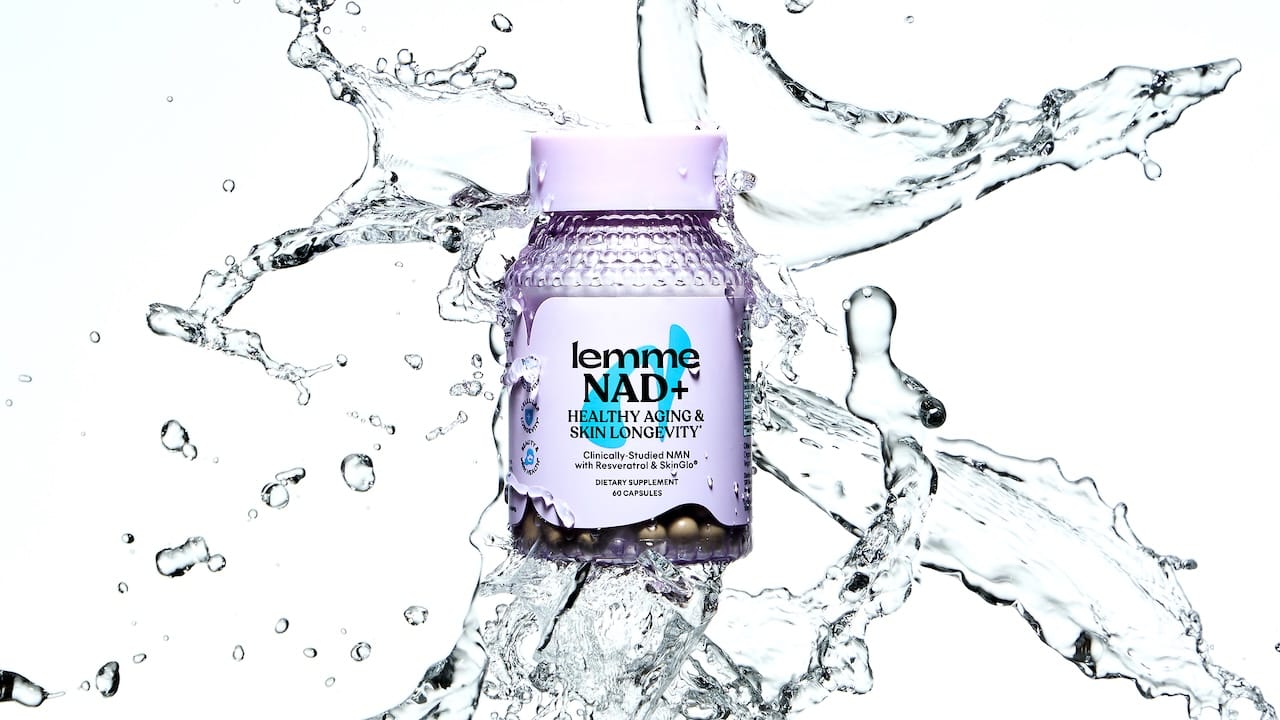
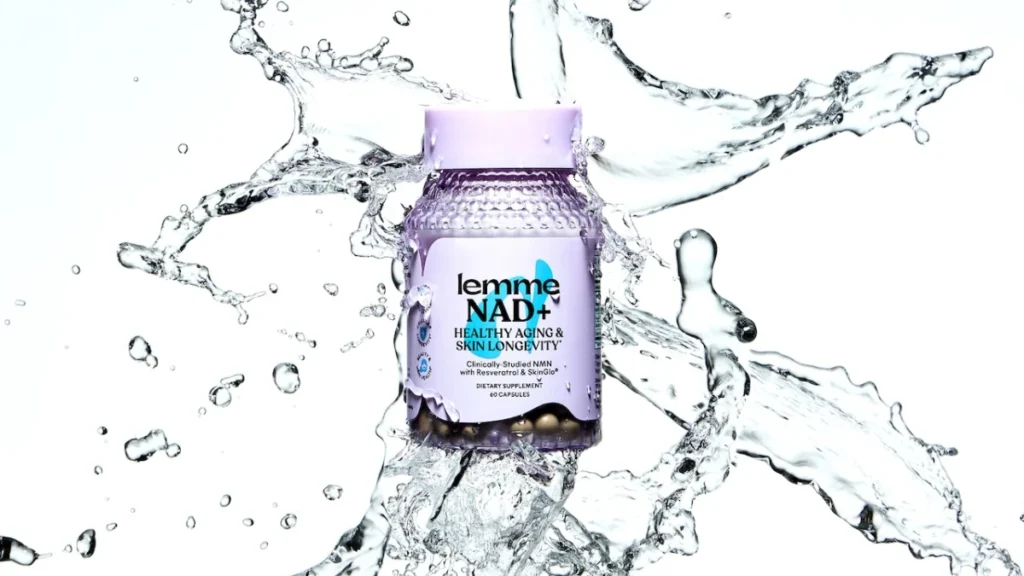
Beyond menopausal support, the supplement industry continues to innovate with products targeting other key areas of consumer interest, including skin health and cellular longevity. Lemme, a notable brand in the supplement space, has launched NAD+ supplements that exemplify this trend. These formulations combine nicotinamide mononucleotide (NMN) with synergistic ingredients such as resveratrol, spermidine, and carotenoids.
Nicotinamide mononucleotide (NMN) is a precursor to nicotinamide adenine dinucleotide (NAD+), a coenzyme found in all living cells that plays a critical role in cellular energy production and DNA repair. NAD+ levels decline with age, and replenishing them is a key strategy for promoting healthy aging and cellular function. Resveratrol, a polyphenol found in grapes and berries, is known for its antioxidant properties and has been linked to cardiovascular health and longevity. Spermidine, a polyamine found in various foods, has also been associated with cellular health and longevity pathways, including autophagy (a cellular "clean-up" process). Carotenoids, a class of pigments found in plants, are potent antioxidants that can contribute to skin health by protecting against UV damage and promoting a healthy complexion.
The combination of these ingredients in Lemme’s NAD+ supplements reflects a sophisticated understanding of cellular aging and its impact on both internal health and external appearance. By targeting cellular energy, DNA repair, and antioxidant defense, these products aim to support "skin longevity"—the concept of maintaining healthy, youthful-looking skin by addressing the underlying cellular processes that contribute to aging. This is a significant development, moving beyond topical skincare to address skin health from within, by supporting cellular vitality and resilience.
Industry Engagement and Future Outlook
The dynamic nature of the supplement industry, characterized by continuous innovation and scientific discovery, is evident in these developments. Companies are actively investing in research and development to uncover novel ingredients and refine existing formulations. The increasing emphasis on scientific validation, as seen with Kaneka’s clinical trial, signals a maturation of the market.
SupplySide Supplement Journal remains committed to covering these advancements, from foundational scientific research to finished product launches. The journal encourages industry stakeholders to share their innovations, whether it’s the publication of new clinical trials, the development of groundbreaking ingredients, or significant product announcements. This open communication is vital for fostering a collaborative environment where knowledge sharing can accelerate progress and benefit consumers worldwide.
The ongoing exploration of the gut-hormone axis for menopausal support, alongside the development of advanced formulations for cellular health and skin longevity, underscores a promising future for the dietary supplement industry. As scientific understanding expands and technological capabilities advance, consumers can anticipate an ever-increasing array of evidence-based solutions designed to enhance their health and well-being across the lifespan. The focus on intricate biological pathways, like the estrobolome, represents a sophisticated and targeted approach to health management, moving the industry towards more personalized and effective interventions.