








The notion that late-night snacking inevitably leads to weight gain is a pervasive myth that dietitians are actively dispelling, particularly for individuals over the age of 55. As the human body undergoes significant physiological shifts with age, strategic dietary choices, even before bedtime, can play a crucial role in maintaining metabolic health, preserving muscle mass, and facilitating effective weight management. Far from being a source of guilt, a well-chosen evening snack can transform into a valuable tool for health optimization.
Understanding Age-Related Physiological Shifts
After the age of 55, several biological changes present unique challenges to metabolism and body composition. One of the most significant is sarcopenia, the progressive and generalized loss of skeletal muscle mass and strength. Muscle tissue is metabolically active, meaning it burns more calories at rest than fat tissue. As muscle mass declines, basal metabolic rate (BMR) naturally decreases, making it harder to manage weight and prevent fat accumulation.


Simultaneously, hormonal fluctuations become more pronounced. Insulin sensitivity can decrease, leading to greater blood sugar fluctuations. This instability can disrupt sleep patterns, increase cravings, and contribute to fat storage. Sleep quality itself often deteriorates with age, and inadequate sleep is strongly linked to hormonal imbalances (like ghrelin and leptin, which regulate appetite) and increased cortisol levels, both of which can hinder weight loss efforts and promote fat deposition. Furthermore, digestive efficiency can change, and the body’s ability to repair and rebuild tissues, including muscle, slows down.
The Strategic Role of Bedtime Snacking
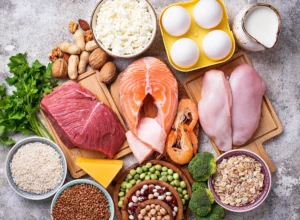
Tara Collingwood, MS, RDN, CSSD, LD/N, ACSM-CPT, a Board Certified Sports Dietitian and co-author of the Flat Belly Cookbook for Dummies, emphasizes that "After 55, muscle loss and blood sugar fluctuations can make weight management harder. A protein and fiber-rich bedtime snack supports muscle maintenance, better sleep, and appetite control, all of which contribute to fat loss over time." She clarifies a common misconception, stating, "No food literally burns fat overnight, but the right bedtime snacks can support muscle, metabolism, blood sugar control, and sleep, which influence fat loss." The goal is not to introduce a magical fat-burning food, but rather to provide the body with the necessary nutrients to optimize its natural restorative and metabolic processes during sleep. This involves supplying amino acids for muscle repair, fiber for blood sugar stabilization, and promoting satiety to prevent hunger-induced sleep disturbances or unhealthy morning cravings.
The selection of ingredients for these snacks is critical. The combination of protein and fiber is paramount. Protein provides the building blocks (amino acids) for muscle repair and synthesis, a process that continues even during sleep. This is particularly important for counteracting sarcopenia. Fiber, on the other hand, slows down digestion and the absorption of glucose, helping to maintain stable blood sugar levels throughout the night. This prevents sharp drops in blood sugar that can trigger cortisol release, disrupt sleep, and lead to early morning hunger or cravings for high-sugar foods.
Five Dietitian-Recommended Bedtime Snacks for Optimal Health
Here are five expert-backed bedtime snack options designed to support metabolism, muscle, and weight control for individuals over 55, detailed with their specific benefits:
Greek Yogurt with Chia or Flax Seeds
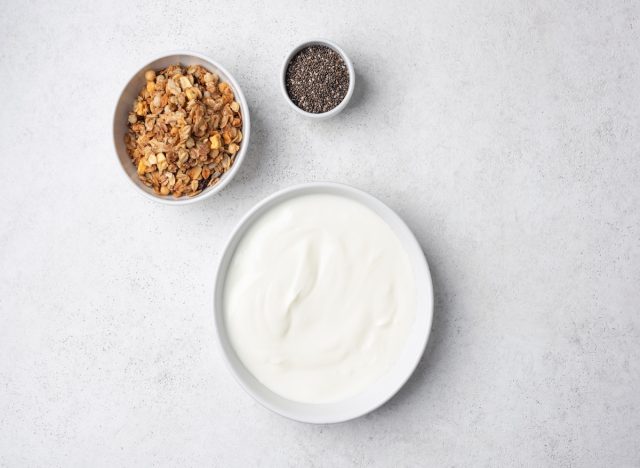
This combination is a powerhouse for overnight recovery and metabolic stability. As Tara Collingwood explains, "Greek yogurt provides protein that supports muscle maintenance overnight, which is important because muscle plays a key role in metabolism as we age. Adding chia or flax brings fiber, which helps stabilize blood sugar while you sleep. This combo supports satiety and prevents late-night hunger."
Detailed Benefits:
- Greek Yogurt: Renowned for its high protein content, Greek yogurt typically offers double the protein of regular yogurt. It contains both whey and casein proteins. Whey is rapidly absorbed, providing an immediate amino acid supply, while casein digests slowly, releasing amino acids gradually over several hours. This sustained release is ideal for supporting muscle protein synthesis and repair throughout the night, crucial for combating sarcopenia. Additionally, Greek yogurt is a good source of calcium for bone health and often contains beneficial probiotics, which support gut health – a factor increasingly recognized for its influence on metabolism and weight.
- Chia or Flax Seeds: These tiny seeds are nutritional giants. They are excellent sources of dietary fiber (both soluble and insoluble), which aids in digestive health, promotes satiety, and most importantly, slows glucose absorption to stabilize blood sugar levels. Beyond fiber, they are rich in alpha-linolenic acid (ALA), an omega-3 fatty acid, which has anti-inflammatory properties. Chronic inflammation can negatively impact metabolism and overall health. The gel-forming nature of soluble fiber in these seeds further contributes to a feeling of fullness, preventing nocturnal hunger pangs.
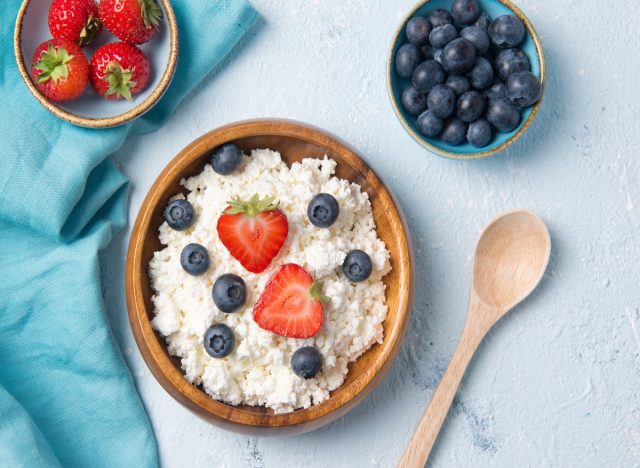
Cottage Cheese with Berries
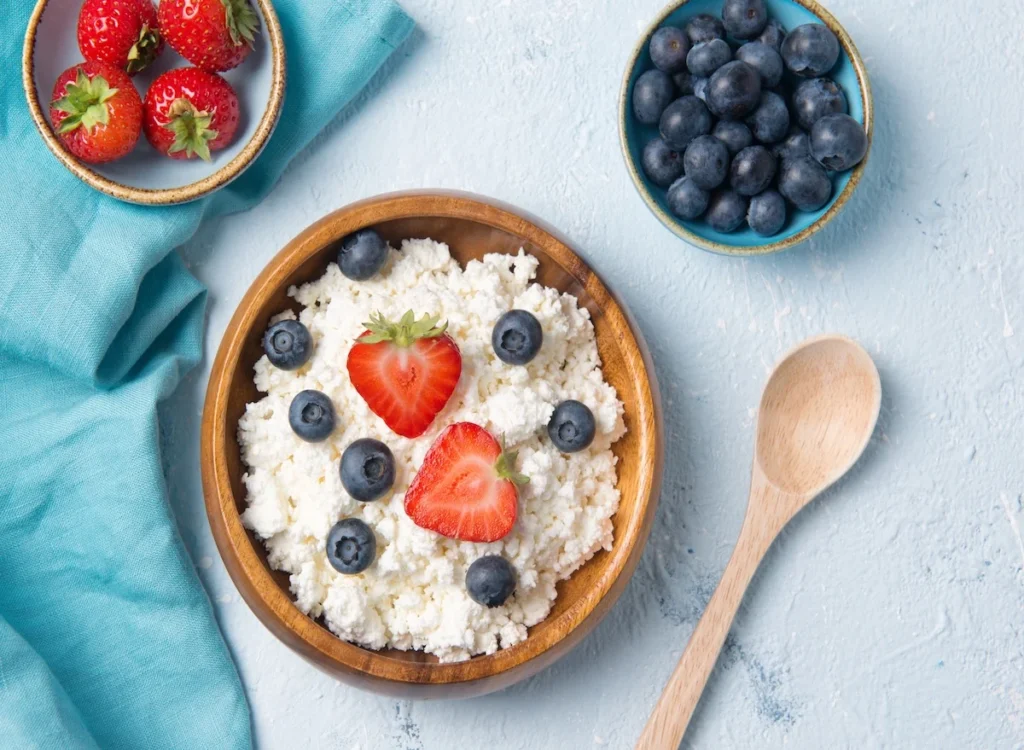
Cottage cheese offers a unique protein profile, making it another excellent choice for a pre-bedtime snack. "Cottage cheese is rich in slow-digesting protein, which can support overnight muscle repair. That matters later in life, when preserving lean mass helps support fat loss over time. Berries add fiber and antioxidants without excess sugar," says Collingwood.
Detailed Benefits:
- Cottage Cheese: Similar to Greek yogurt, cottage cheese is predominantly made of casein protein, offering a slow and steady supply of amino acids. This makes it particularly effective for sustained muscle protein synthesis during sleep. A single serving can provide a substantial amount of protein, contributing significantly to daily protein targets. It is also a good source of calcium and phosphorus, vital for bone health, which can become a concern after age 55. The creamy texture can also be satisfying without being overly heavy.
- Berries: Berries (such as blueberries, raspberries, strawberries, and blackberries) are packed with antioxidants, particularly anthocyanins, which combat oxidative stress and inflammation. They are also excellent sources of fiber, contributing to blood sugar stability and digestive regularity. Crucially, berries provide natural sweetness with a relatively low glycemic index, meaning they cause a slower and more gradual rise in blood sugar compared to other fruits or sugary snacks, making them ideal for nighttime consumption.
A Small Protein Smoothie
For those who prefer a lighter, easily digestible option before bed, a small protein smoothie can be highly effective. "A light smoothie with protein powder, milk or soy milk, and fiber-rich ingredients can support muscle recovery overnight without feeling heavy before bed. This works well for people who don’t want to chew late at night," Collingwood suggests.
Detailed Benefits:

- Protein Powder: Offers a concentrated dose of protein without significant bulk. Whey protein is fast-acting, while casein protein (often found in blends or specific casein powders) provides a slower release. Plant-based protein powders (pea, rice, hemp) are also excellent options for those with dairy sensitivities or following vegan diets. They ensure a steady supply of amino acids for muscle repair.
- Milk or Soy Milk: Serves as a liquid base, providing additional protein, calcium, and vitamin D (especially in fortified varieties). Soy milk offers complete plant-based protein, while dairy milk provides casein and whey.
- Fiber-rich Ingredients: To enhance the benefits, consider adding a small amount of fruit (like half a banana or a handful of berries), a spoonful of chia or flax seeds, or even a small portion of spinach or kale. These additions boost fiber content for blood sugar control and satiety, along with vitamins, minerals, and antioxidants, without making the smoothie too heavy or calorie-dense for bedtime. The liquid form ensures quick digestion and nutrient absorption.
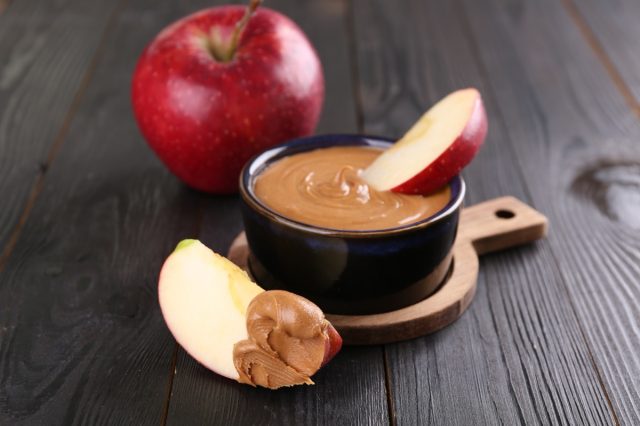
Apple Slices with Nut Butter
This classic pairing offers a balanced macronutrient profile that addresses key metabolic needs. "Fiber from fruit paired with protein and healthy fats helps prevent nighttime blood sugar dips that can disrupt sleep and lead to next-day cravings. Sleep quality and blood sugar stability are key to weight management," Collingwood states.
Detailed Benefits:
- Apple Slices: Apples are a good source of dietary fiber, particularly pectin, which is a soluble fiber known for its ability to regulate blood sugar and support gut health. They also provide vitamins (like Vitamin C) and antioxidants. Their natural crispness and sweetness offer a satisfying crunch without excessive calories.
- Nut Butter: Almond butter, peanut butter, or cashew butter provide healthy monounsaturated and polyunsaturated fats, along with a good amount of plant-based protein and some fiber. The fats contribute to satiety and slow down the digestion of the apple’s carbohydrates, further stabilizing blood sugar. The protein content supports muscle maintenance. When choosing nut butter, opt for varieties with minimal added sugars and unhealthy oils. The combination of complex carbohydrates, healthy fats, and protein creates a sustained release of energy, preventing nocturnal hunger and promoting consistent blood sugar levels.
Handful of Nuts with a Protein Source
Nuts are nutrient-dense, but for optimal bedtime benefits, they need a strategic pairing. "Nuts provide healthy fats and some fiber, but pairing them with a protein source like yogurt or milk helps keep the snack balanced and more filling. Portion control matters here, small but satisfying," advises Collingwood.
Detailed Benefits:
- Nuts: Almonds, walnuts, pistachios, and cashews are rich in healthy fats, including omega-3s in walnuts, which are beneficial for heart health and inflammation. They also provide fiber, vitamins (like Vitamin E and B vitamins), and minerals (magnesium, selenium). Magnesium, in particular, is known to support relaxation and sleep quality. However, nuts are calorie-dense, so portion control (a small handful, typically 1/4 cup) is essential, especially when aiming for weight management.
- With a Protein Source: While nuts contain some protein, pairing them with an additional protein source significantly enhances the snack’s efficacy. A small glass of milk (dairy or fortified plant-based), a mini container of Greek yogurt, or a small piece of low-fat cheese can provide the necessary casein or whey protein for overnight muscle repair and sustained satiety. This balance of healthy fats, fiber, and protein ensures that the snack is both nutritionally robust and satisfying, preventing late-night cravings and supporting metabolic processes during sleep.
Broader Implications and a Holistic Approach
While these strategic bedtime snacks can significantly contribute to metabolic health, muscle maintenance, and weight control after 55, it is crucial to understand that they are components of a larger, holistic approach to healthy aging. No single dietary change operates in isolation.
Key Pillars for Healthy Aging:
- Overall Dietary Pattern: These snacks complement a balanced diet rich in whole foods, lean proteins, diverse fruits and vegetables, and healthy fats throughout the day. Minimizing processed foods, excessive sugars, and unhealthy fats remains paramount.
- Regular Physical Activity: Consistent exercise, particularly resistance training, is indispensable for combating sarcopenia, boosting metabolism, and improving insulin sensitivity. Cardiovascular exercise also contributes to overall health and weight management.
- Adequate Sleep: Beyond diet, prioritizing 7-9 hours of quality sleep is fundamental. A consistent sleep schedule, a dark and cool bedroom, and winding down before bed (avoiding screens) are vital. The bedtime snacks discussed can support sleep by stabilizing blood sugar, preventing hunger, and providing nutrients that aid relaxation.
- Stress Management: Chronic stress elevates cortisol levels, which can negatively impact metabolism, increase appetite, and promote abdominal fat storage. Practices like mindfulness, meditation, yoga, or spending time in nature can help manage stress.
- Hydration: Drinking sufficient water throughout the day supports all metabolic functions, aids digestion, and can help differentiate between hunger and thirst.
- Professional Guidance: Given the individual variations in health conditions, dietary needs, and medication interactions, consulting with a healthcare professional or a registered dietitian nutritionist (RDN) is highly recommended. They can provide personalized advice and ensure that dietary changes are safe and effective for individual circumstances.
In conclusion, the era of fearing all late-night snacks is over, particularly for those navigating the metabolic shifts of aging. By making informed, strategic choices, individuals over 55 can transform their bedtime routine into an opportunity to actively support their metabolism, preserve vital muscle mass, and achieve sustainable weight control. The right combination of protein and fiber, as championed by dietitians, becomes a powerful ally in the pursuit of long-term health and vitality.