










Protein has solidified its position as the foundational macronutrient for athletes, fitness enthusiasts, and health-conscious individuals aiming to optimize body composition and metabolic health. While traditionally associated with bodybuilding and weightlifting subcultures, the prioritization of high-quality protein has moved into the mainstream of clinical nutrition and public health. Registered dietitians increasingly emphasize protein-rich, low-carbohydrate dietary patterns not only for muscle hypertrophy but also for weight management, hormonal regulation, and glycemic control. The following analysis explores twenty essential food items that provide high protein density with minimal carbohydrate impact, supported by nutritional science and historical dietary trends.
The Physiological Significance of High-Protein Nutrition
The human body utilizes protein for a vast array of biological processes that extend far beyond the repair of skeletal muscle. Amino acids, the building blocks of protein, are required for the synthesis of hormones, enzymes, and immune system components. From a metabolic perspective, protein is unique among macronutrients due to its high Thermic Effect of Food (TEF). Research indicates that the metabolic rate increases by 20% to 35% during the digestion of protein, compared to a 5% to 15% increase for carbohydrates and fats. This metabolic "tax" on protein digestion means that a significant portion of the calories consumed is expended simply through the process of assimilation, making it an efficient tool for those seeking fat loss without severe caloric restriction.
Furthermore, protein plays a critical role in satiety. Clinical studies have consistently shown that protein-rich meals stimulate the release of satiety hormones, such as peptide YY (PYY) and glucagon-like peptide-1 (GLP-1), while suppressing ghrelin, the primary hormone responsible for hunger signals. For individuals managing weight-loss regimens, this satiety effect is often the deciding factor in long-term dietary compliance.

A Chronology of Protein-Centric Dietary Trends
The evolution of high-protein, low-carb diets has followed a distinct historical timeline. In the mid-20th century, the "Steak and Eggs" diet, popularized by bodybuilding pioneer Vince Gironda, served as the precursor to modern ketogenic and paleo movements. However, the late 1970s and 1980s saw a dramatic shift toward low-fat, high-carbohydrate guidelines as public health officials focused on reducing saturated fat intake.
By the early 2000s, the resurgence of the Atkins Diet and the emergence of the South Beach Diet refocused public attention on the role of insulin and carbohydrate consumption. In the last decade, the rise of the "Paleo" and "Keto" lifestyles, alongside the growth of the $20 billion global protein supplement industry, has cemented protein as the centerpiece of the modern fitness diet. Current clinical consensus suggests that while the Recommended Dietary Allowance (RDA) for protein is 0.8 grams per kilogram of body weight, active individuals often require between 1.76 to 2.75 grams per kilogram (approximately 0.8 to 1.25 grams per pound) to support recovery and lean mass preservation.

High-Protein, Low-Carbohydrate Food Profiles: Poultry and Meat
The selection of animal proteins is often dictated by fat content, as most pure meats contain zero carbohydrates.
Chicken Breast and Thighs: Chicken breast remains the gold standard for lean protein, offering high bioavailability with negligible fat. Conversely, chicken thighs provide a moderate fat profile, which can be beneficial for those on ketogenic diets or those requiring higher caloric intake for performance. Both serve as versatile bases for various flavor profiles.
Beef Cuts (Sirloin, Strip, and Ribeye): Red meat provides essential micronutrients, including heme iron, zinc, and Vitamin B12. Sirloin and strip steaks are preferred for lean mass goals, while ribeye, characterized by its extensive marbling, offers a higher-calorie, fat-rich option.
Lean Ground Beef: Typically sold in 95% lean varieties, ground beef allows for precise macronutrient tracking and is a staple for meal-prepping athletes due to its ease of preparation in dishes like meatballs or stuffed peppers.
Pork Options (Chops, Shoulder, and Ham): Pork is often overlooked but provides an excellent amino acid profile. Pork chops are lean and protein-dense, while pork shoulder is better suited for slow-cooking methods. Ham, a cured option, offers convenience but requires monitoring of sodium levels.
Beef Liver: Once a staple of "Golden Era" bodybuilding, organ meats have seen a resurgence. Liver is exceptionally nutrient-dense, containing high concentrations of Vitamin A and various B vitamins, though its strong flavor profile remains polarizing.

Marine Protein Sources and Essential Fatty Acids
Seafood offers a unique combination of high-quality protein and heart-healthy fats, specifically omega-3 fatty acids (EPA and DHA).
Salmon and Sardines: These oily fish are prized for their anti-inflammatory properties. Salmon is a versatile main entree, while sardines provide a portable, shelf-stable protein source that is often consumed whole, providing additional calcium from the softened bones.
Tuna: Whether fresh or canned, tuna is one of the leanest protein sources available. It is frequently used in clinical weight-loss settings due to its high protein-to-calorie ratio.
Shrimp: As a lean shellfish, shrimp allows for high-volume consumption with very low caloric density. It is an ideal choice for individuals aiming to maintain a high food volume while restricting total energy intake.
Dairy and Egg-Based Protein Innovations
Dairy products have evolved significantly with the introduction of strained and concentrated varieties.
Eggs and Egg Whites: The whole egg is often cited as the "perfect protein" due to its complete amino acid profile. For those strictly monitoring fat intake, liquid egg whites provide a pure protein source that can be added to scrambles or even smoothies to increase volume without affecting flavor.

Greek Yogurt and Cottage Cheese: Greek yogurt undergoes a straining process that removes excess whey, resulting in a product with double the protein of traditional yogurt. Cottage cheese, consisting of curds and whey, is rich in casein protein, which is digested slowly and provides a sustained release of amino acids.
Supplemental Protein: Whey and Casein
The supplement industry has refined the extraction of milk proteins to provide highly convenient, low-carb options.
Whey Protein Powder: A byproduct of cheesemaking, whey is rapidly absorbed, making it the preferred choice for post-workout recovery when muscle protein synthesis needs to be stimulated quickly.
Casein Protein Powder: In contrast to whey, casein clots in the stomach, leading to a slow, steady release of amino acids over several hours. It is frequently recommended as a pre-sleep snack to prevent muscle breakdown during the overnight fasting period.
Case Study: A 3,500-Calorie High-Protein Daily Menu
To illustrate the practical application of these foods, consider the dietary requirements of a 200-pound (90.7 kg) athlete. To maintain performance and lean mass, a target of 1.25 grams of protein per pound of body weight is established.
- Meal One: A combination of whole eggs and egg whites served with oatmeal and berries. This provides 50 grams of protein and initializes the metabolic rate for the day.
- Snack One: A whey protein shake blended with almond butter and a banana, delivering 45 grams of protein in a convenient format.
- Meal Two: Lean ground beef paired with white rice and mixed vegetables. This "vertical diet" staple provides 65 grams of protein and the necessary carbohydrates for training fuel.
- Snack Two: A bowl of Greek yogurt topped with almonds, providing 34 grams of slow-digesting protein.
- Meal Three: Grilled chicken breast with a large serving of sweet potato and broccoli. This final meal contributes 67 grams of protein, bringing the daily total to approximately 261 grams.
Broader Impact and Nutritional Implications
The shift toward high-protein, low-carb food choices has significant implications for public health and the global food economy. As metabolic disorders such as Type 2 diabetes and obesity continue to rise, the clinical application of high-protein diets as a means of glycemic control has gained traction. By replacing refined carbohydrates with high-quality proteins, individuals can mitigate insulin spikes and improve lipid profiles.
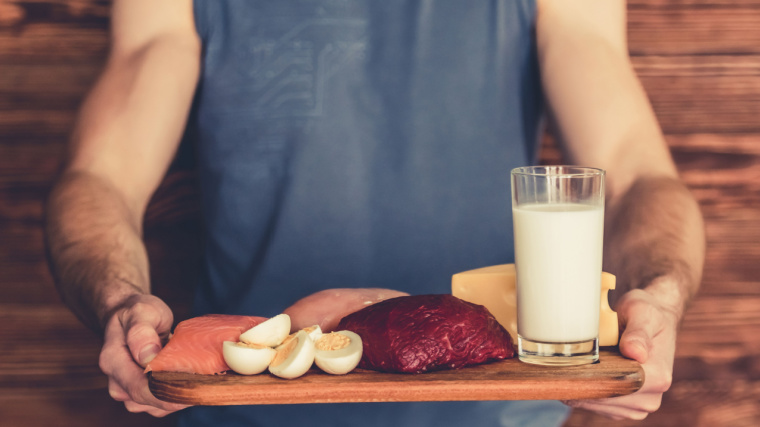
However, this dietary shift also presents challenges. The environmental footprint of increased meat consumption is a point of ongoing debate, leading to the development of high-protein plant-based alternatives and lab-grown meats. Furthermore, the "protein-sparing modified fast" (PSMF) remains a potent clinical tool for rapid weight loss under medical supervision, highlighting the extreme end of protein-centric nutrition.
In conclusion, the integration of a diverse range of high-protein, low-carb foods allows for a sustainable and effective approach to nutrition. By rotating protein sources—from marine life and poultry to dairy and supplements—individuals can ensure a broad spectrum of micronutrient intake while achieving their specific physiological goals. The modern dietitian’s toolkit is no longer limited to "chicken and broccoli"; it is a sophisticated array of nutrient-dense options designed for optimal human performance.