







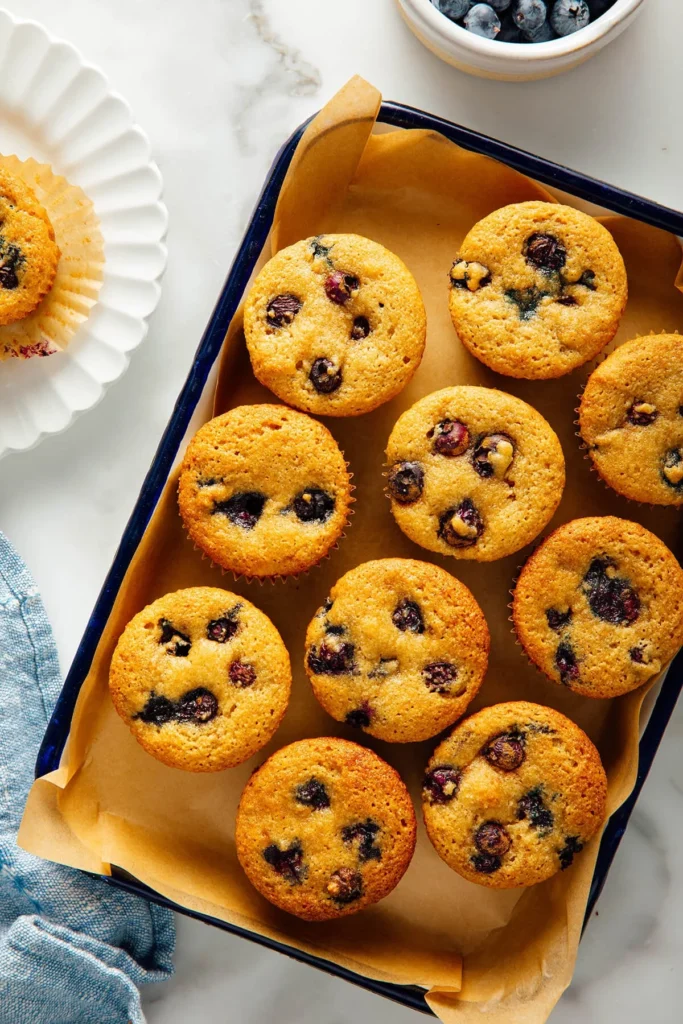
The culinary landscape has witnessed a significant evolution in recent years, driven by increasing consumer demand for healthier and more inclusive dietary options. A notable development in this space is the recent perfection of a gluten-free almond flour blueberry muffin recipe, which promises the classic texture and flavor of traditional muffins without relying on conventional wheat flour or complex gluten-free blends. This innovative recipe stands out for its use of a single gluten-free flour – almond flour – and its meticulous development process, which overcame common challenges associated with baking without gluten.
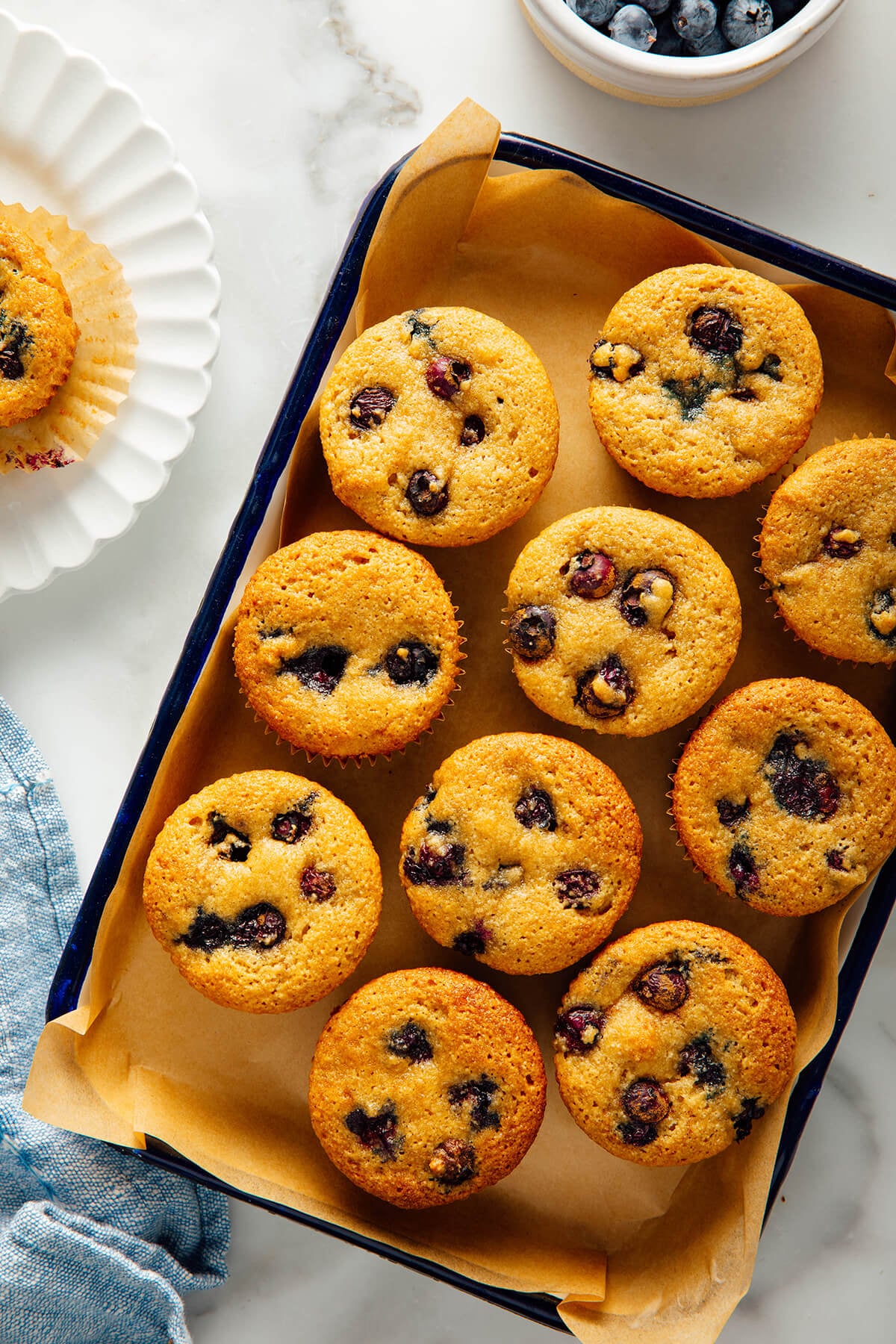
The Quest for the Perfect Gluten-Free Muffin: A Development Chronology
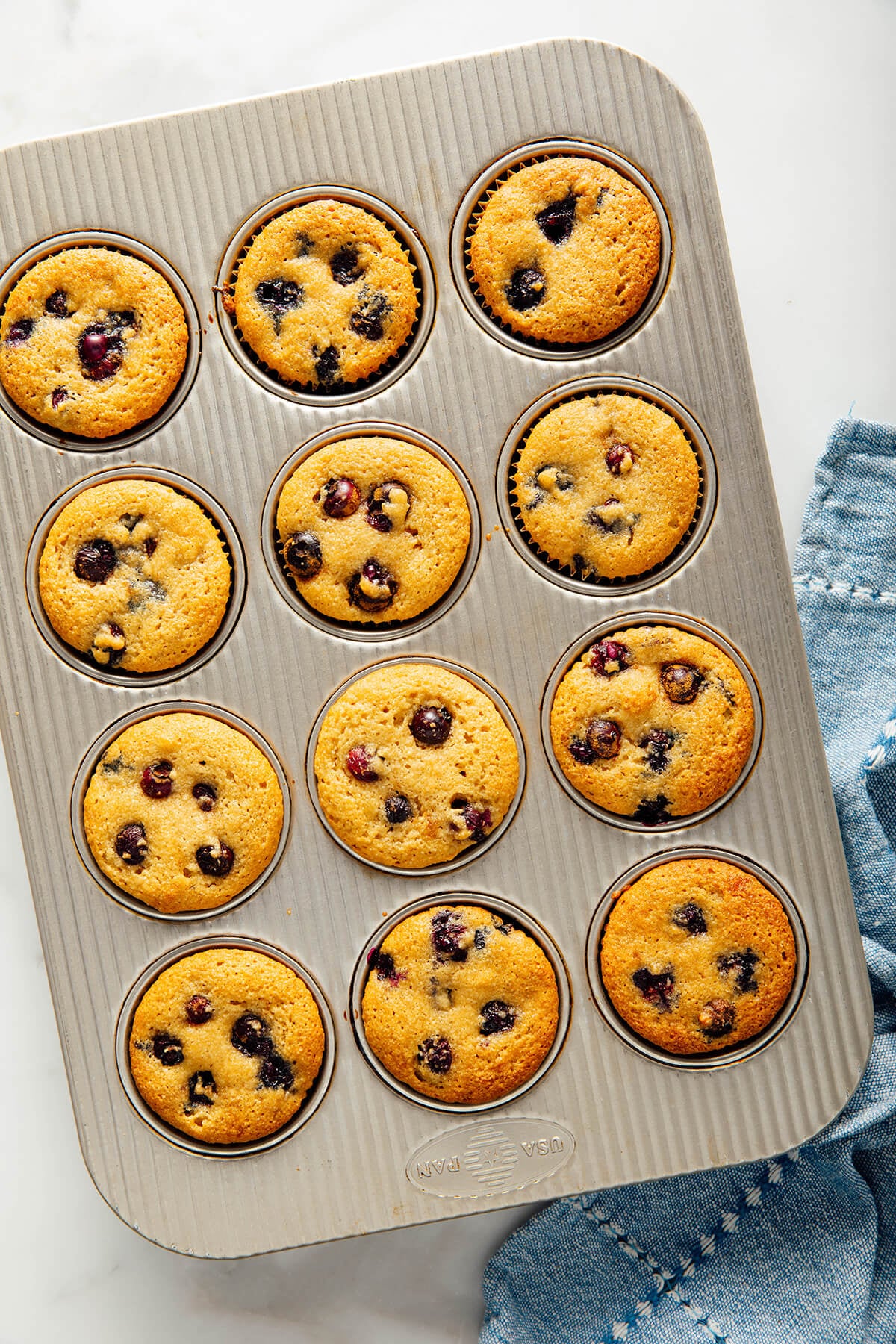
The journey to create a truly exceptional gluten-free blueberry muffin is often fraught with technical complexities. Unlike traditional wheat flour, which contains gluten proteins that provide structure and elasticity, almond flour requires a fundamentally different approach to recipe formulation. The developer of this particular recipe embarked on an iterative process, reportedly undertaking "over ten tries" to achieve the desired outcome: a muffin that is golden on the outside, fluffy within, and studded with perfectly "jammy" blueberries.

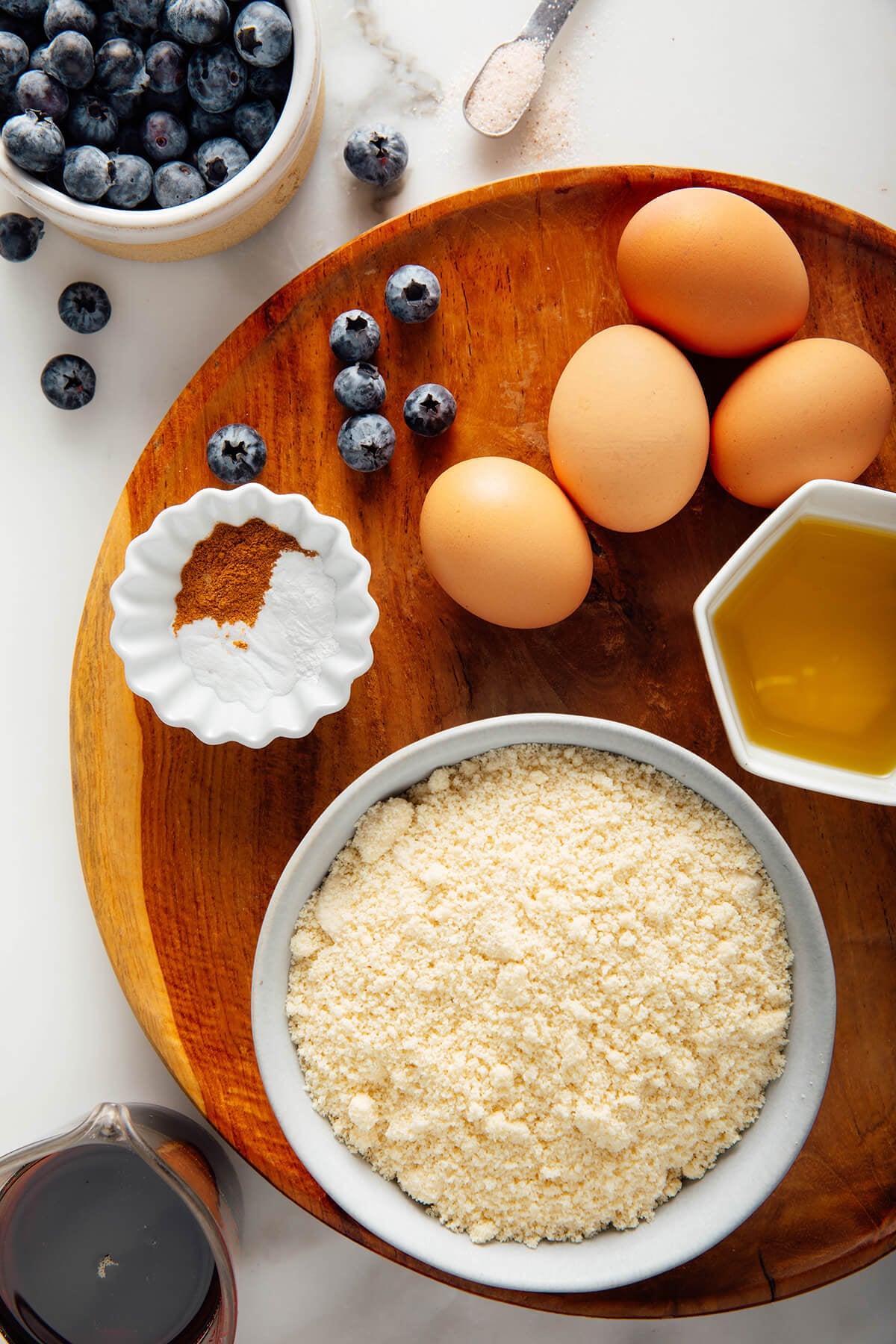
This rigorous development cycle was necessitated by the inherent properties of almond flour. Firstly, almond flour is less absorbent than wheat flour, meaning that a direct substitution would result in an overly wet batter. Consequently, the liquid content of the recipe had to be significantly reduced. Secondly, almond flour naturally contains a higher fat content than wheat flour, requiring a corresponding adjustment in added fats to prevent an oily or dense product. These adjustments are critical to ensuring the structural integrity and palatable texture of the final baked good. The creator drew inspiration from their existing "Healthy Blueberry Muffins" recipe, adapting its core principles to the unique characteristics of almond flour. The successful culmination of these efforts yielded a muffin that not only meets the criteria for a wholesome treat but also delivers on the sensory experience expected from a premium baked good.
The Nutritional and Culinary Advantages of Almond Flour
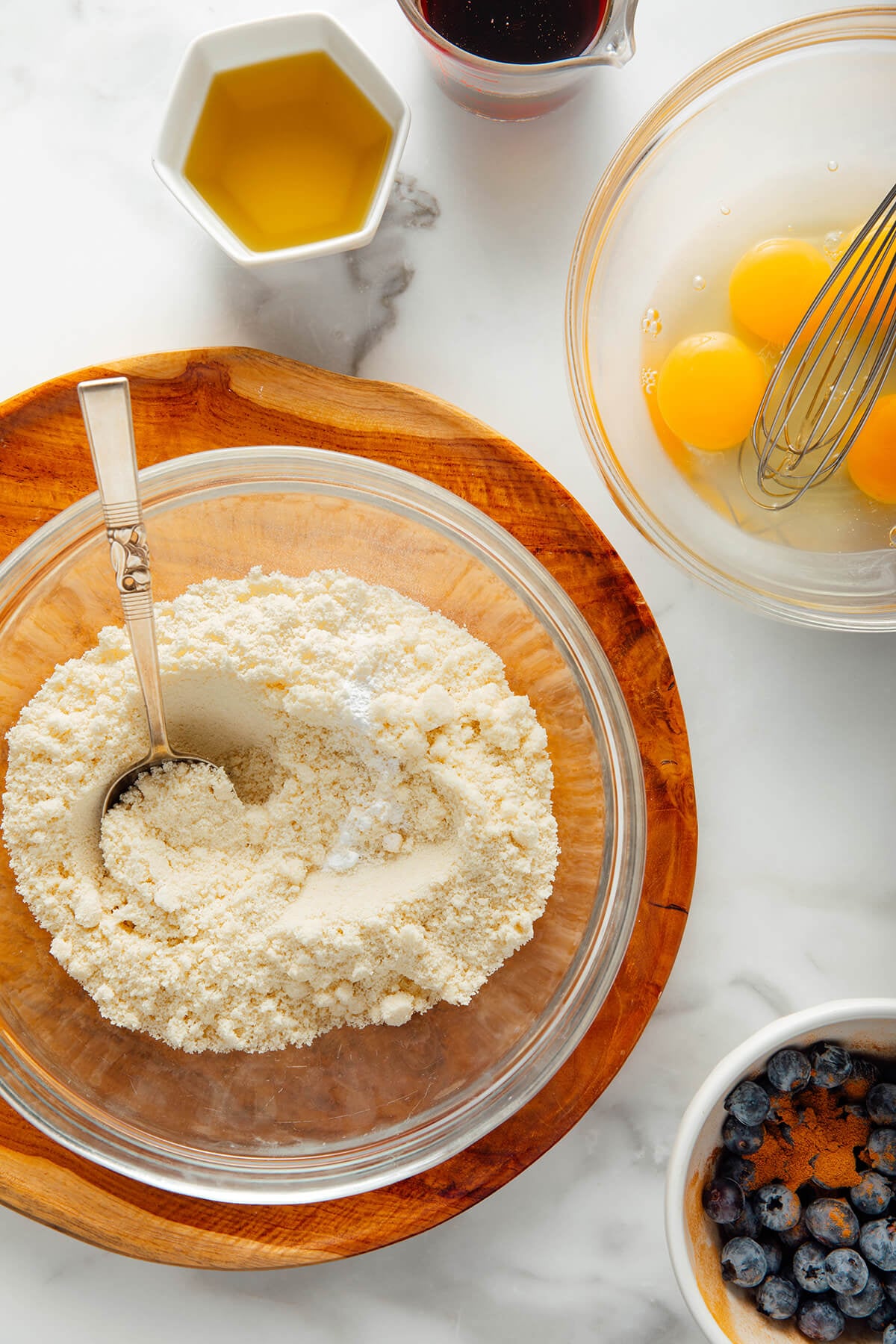
The preference for almond flour in this recipe is not solely driven by the need for a gluten-free alternative; it is also rooted in its distinct nutritional and culinary benefits. The recipe’s developer, while not personally requiring a gluten-free diet, advocates for almond flour due to three primary advantages: health, taste, and ease of use.
1. Health Profile: Almond flour is simply finely ground almonds, retaining all the inherent nutritional value of the nut. According to data from the USDA National Nutrient Database, a quarter-cup serving of almond flour typically provides approximately 6 grams of protein, 3 grams of fiber, and healthy monounsaturated fats, while being significantly lower in carbohydrates compared to an equivalent amount of wheat flour. This makes it an attractive option for individuals monitoring carbohydrate intake or seeking to boost their protein and fiber consumption. In contrast, many commercial gluten-free all-purpose flour blends often rely heavily on refined starches such as tapioca starch, potato starch, or cornstarch, which offer minimal nutritional benefits and can contribute to a higher glycemic load. The use of almond flour also reportedly allows for a reduction in added sweeteners, as its natural subtle sweetness and ability to enhance other flavors negate the need for excessive sugar, unlike conventional or whole wheat flours that can sometimes dull flavor profiles. This contributes to a more naturally sweetened and nutritionally dense product.
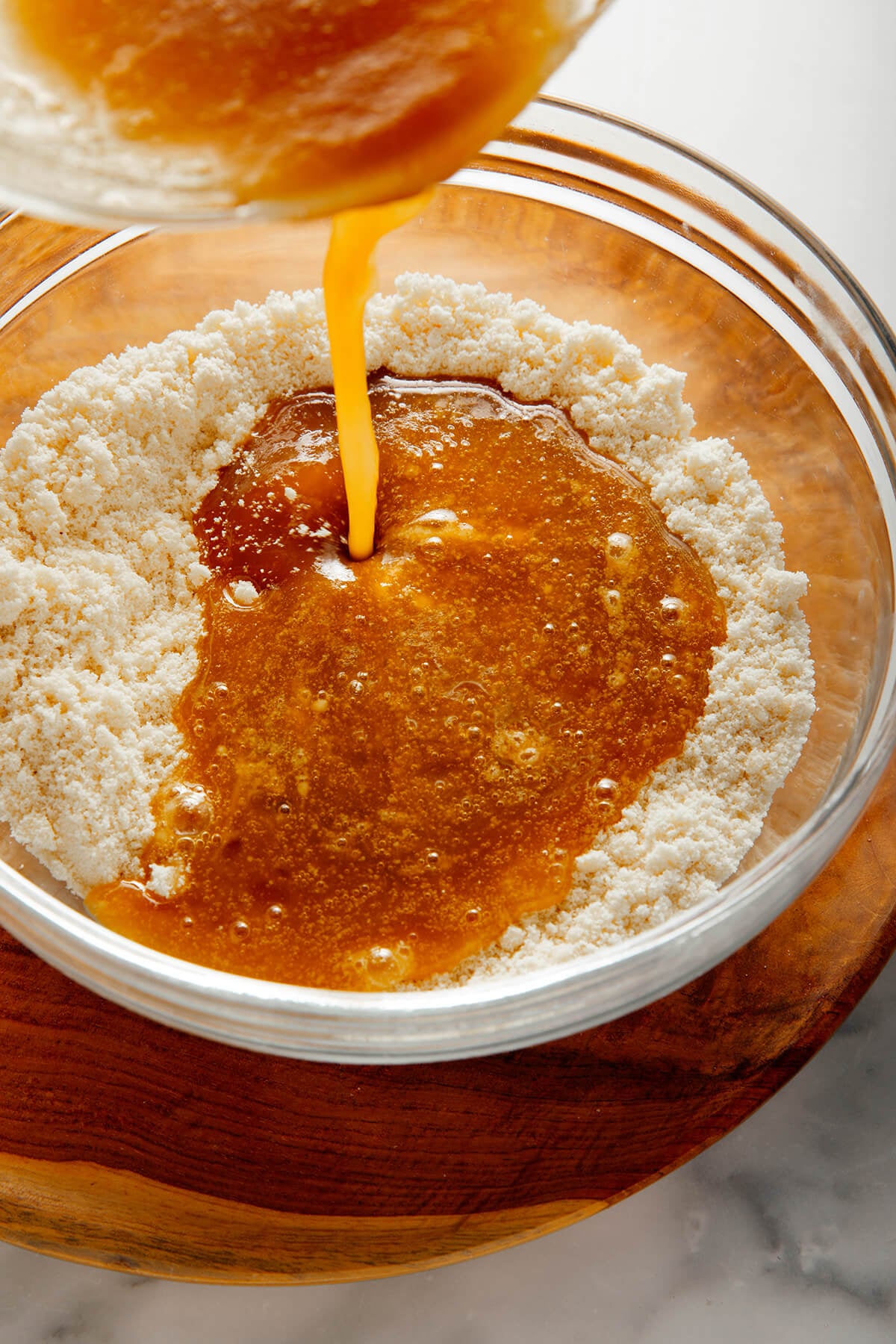
2. Superior Taste and Texture: From a culinary perspective, almond flour consistently produces baked goods with a wonderfully golden crust and a tender, moist interior. This distinct texture is attributed to its fine grind and fat content, which contribute to a delicate crumb. Unlike some alternative flours that can impart a strong, identifiable flavor, almond flour tends to be relatively neutral, allowing the primary ingredients – in this case, the vibrant blueberries and subtle lemon notes – to truly shine. Achieving this balance, however, is contingent upon the correct proportions of wet and dry ingredients. The iterative testing phase for this muffin recipe specifically addressed this challenge, ensuring that the final product avoided the common pitfalls of almond flour baking, such as excessive density or dryness, and instead delivered an optimal textural experience. The "over ten tries" were instrumental in fine-tuning these critical ratios.
3. User-Friendly Baking: A significant advantage of baking with almond flour, particularly for home cooks and those involving children in the kitchen, is its forgiving nature. The absence of gluten means there is no risk of over-mixing the batter. In traditional wheat-based baking, excessive mixing develops the gluten, leading to tough or chewy baked goods. With almond flour, this concern is eliminated, allowing for a more relaxed and accessible baking process. This characteristic is particularly beneficial for introducing younger bakers to the craft, as precision in mixing technique becomes less of a barrier.
Key Ingredient Insights and Innovations
The success of these almond flour blueberry muffins is also attributed to several carefully considered ingredient choices and innovative techniques:

- Fine Blanched Almond Flour: The quality and consistency of almond flour are paramount. The recipe specifically recommends "fine blanched almond flour" from reputable brands like Bob’s Red Mill or Whole Foods 365. This specification is crucial because variations in grind size and moisture content between brands can significantly impact the final texture and absorption rate of the batter. Proper measurement, using the "spooned and leveled" method rather than scooping, is also emphasized to ensure accuracy, highlighting the sensitivity of gluten-free baking to precise ingredient ratios.
- Sweetener Choice (Maple Syrup vs. Honey): The recipe offers a choice between real maple syrup and honey. Maple syrup is noted for its subtle flavor, allowing other components to dominate, while honey imparts a more discernible taste and additional sweetness. This flexibility caters to different palates and preferences for natural sweeteners.
- Fat Selection (Olive Oil vs. Butter): The use of a mild extra-virgin olive oil, such as California Olive Ranch, is suggested as a healthy fat alternative that does not impart a noticeable flavor to the finished muffins. For those apprehensive about using olive oil in baking, butter is offered as an equally effective substitute, with minimal difference in the final product’s taste.
- Lemon Juice: A Scientific Necessity: Beyond its contribution to bright flavor, lemon juice plays a critical chemical role. Its acidity is essential to counteract the alkalinity of baking soda. Without this acidic component, a common issue in blueberry baking can arise: the anthocyanin pigments in blueberries, which are responsible for their blue color, can turn an unappetizing green around the edges when exposed to alkaline conditions during baking. The lemon juice ensures the blueberries retain their vibrant, appealing color.
- Eggs for Structure: This recipe calls for a higher number of eggs (four) than many conventional muffin recipes. This is a deliberate choice, as eggs are a vital structural component in gluten-free baking. In the absence of gluten, eggs provide the necessary binding and leavening support, ensuring the muffins achieve a desirable crumb and rise without tasting "eggy."
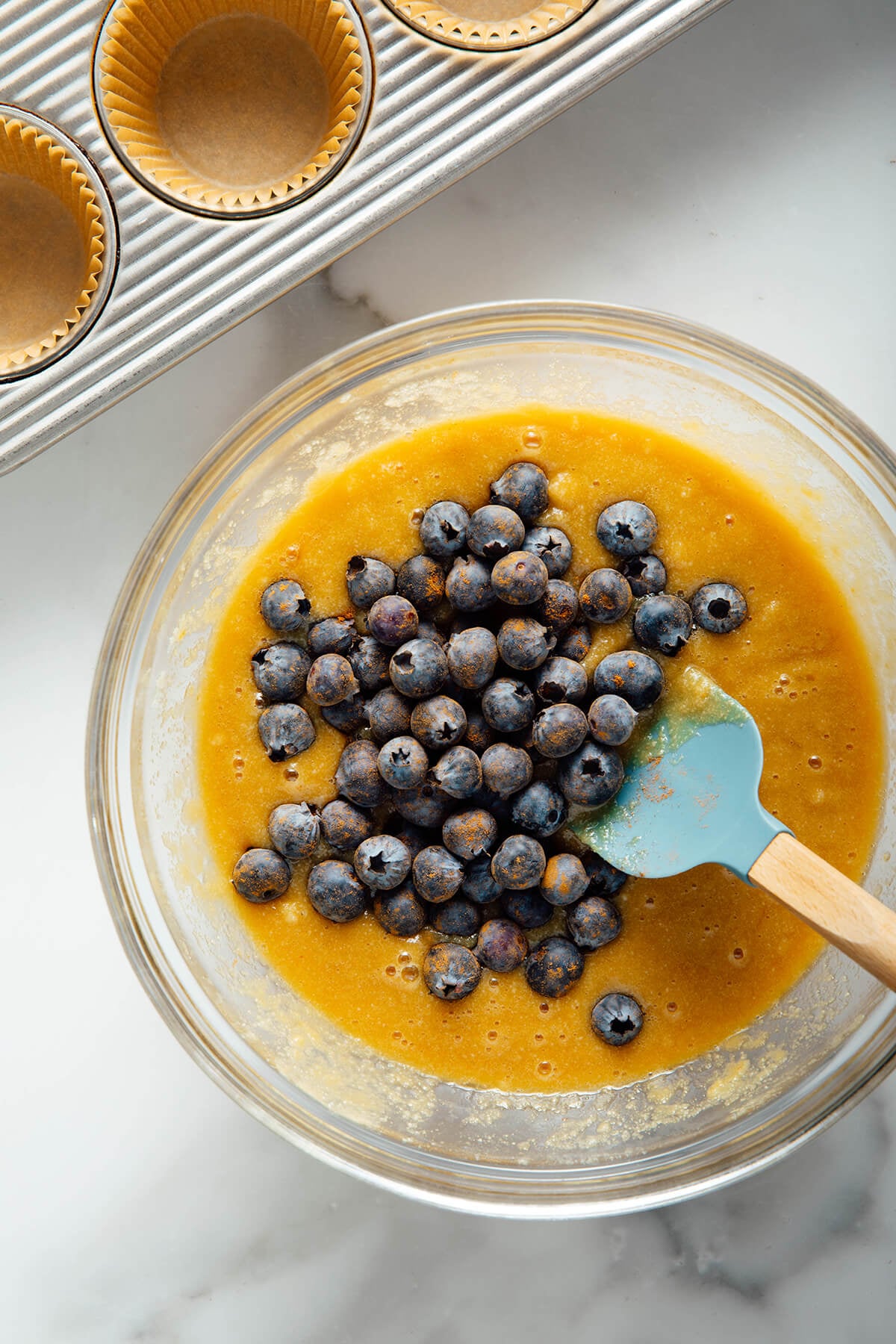
- The Cinnamon-Tossed Blueberry Innovation: A significant hurdle in blueberry muffin recipes, particularly in gluten-free versions, is preventing blueberries from sinking to the bottom of the batter, leading to uneven distribution and potentially soggy bottoms. Traditional methods, such as tossing berries in flour, often prove ineffective. This recipe introduces an ingenious solution: tossing fresh or frozen blueberries in ground cinnamon. This method reportedly creates a sufficient coating and surface friction to suspend the berries evenly throughout the batter, while also imparting a complementary flavor. This innovative technique exemplifies the problem-solving approach required in advanced recipe development.
- Fresh vs. Frozen Blueberries: The recipe confirms the versatility of using either fresh or frozen blueberries. While fresh berries yield optimal results, frozen berries (used directly from the freezer, not defrosted) are a viable alternative, though they may tint the batter blue and require a slightly extended baking time.
Broader Implications and Market Impact
The successful development and widespread appeal of recipes like these almond flour blueberry muffins underscore several broader trends in the food industry and consumer behavior.
- Growing Demand for Dietary Alternatives: The market for gluten-free products continues to expand globally, driven by increased awareness of celiac disease, gluten sensitivity, and general health-conscious eating. According to market research reports, the global gluten-free products market is projected to grow significantly in the coming years, indicating a sustained consumer interest in such alternatives. Recipes that offer genuinely delicious and wholesome gluten-free options meet this critical demand.
- Focus on Wholesome Ingredients: There is a discernible shift among consumers towards products made with fewer, simpler, and more recognizable ingredients. The reliance on just "one simple flour" (almond flour) without added starches or gums aligns perfectly with this preference for cleaner labels and natural ingredients. This recipe demonstrates that "wholesome" does not have to mean a compromise on taste or texture.
- Innovation in Home Baking: This recipe exemplifies the ongoing innovation within home baking, where developers are pushing boundaries to create accessible, high-quality alternatives for traditional favorites. The detailed explanation of the development process and ingredient science empowers home bakers to understand the "why" behind the techniques, fostering greater confidence and success in their own kitchens.
- Accessibility for Diverse Diets: By providing a reliable and delicious gluten-free muffin, this recipe contributes to making baking more inclusive for individuals with dietary restrictions. It allows those avoiding gluten to enjoy a classic comfort food without feeling deprived, enhancing their overall quality of life and culinary experience.
- Educational Value for Bakers: The detailed notes on ingredient selection, measurement techniques, and the scientific rationale behind certain steps (e.g., lemon juice, cinnamon for berries) provide valuable educational content for bakers of all skill levels. This transparency builds trust and helps the baking community grow its collective knowledge.
The successful launch of these almond flour blueberry muffins represents more than just a new recipe; it signifies a thoughtful and scientifically informed approach to gluten-free baking. It addresses the challenges of working with alternative flours, offers practical solutions to common baking problems, and aligns with the evolving preferences of health-conscious consumers. This recipe, meticulously crafted through extensive experimentation, serves as a testament to the fact that wholesome, gluten-free baked goods can indeed rival their traditional counterparts in both flavor and texture, further enriching the diverse landscape of modern culinary offerings.