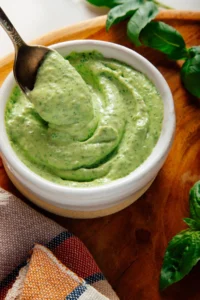



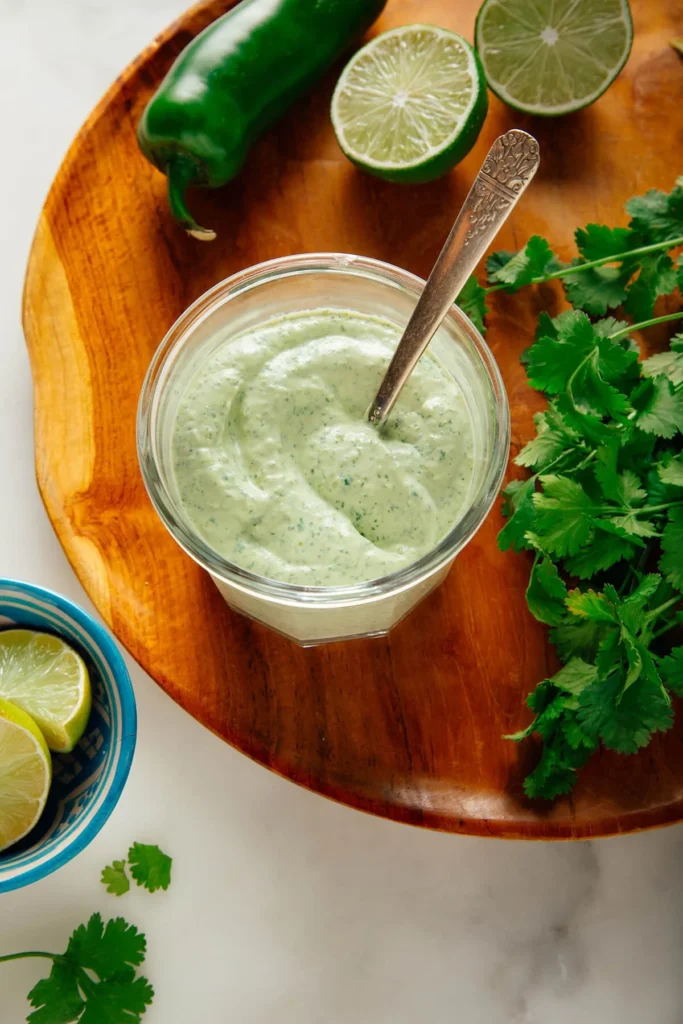
The emergence and subsequent popularity of Chipotle Mexican Grill’s cilantro lime sauce have not only enhanced the fast-casual dining experience for millions but have also sparked a wave of culinary creativity among home cooks and food enthusiasts. This creamy, vibrant, and subtly spicy condiment, frequently chosen as an upgrade from traditional sour cream on burrito bowls and other menu items, exemplifies how signature sauces can define a brand’s flavor profile and significantly elevate customer satisfaction. Its distinctive taste has prompted considerable interest in recipe replication, with numerous attempts to reverse-engineer the sauce for home preparation, highlighting a growing trend in consumer desire for accessible, high-quality culinary experiences outside of restaurant settings.
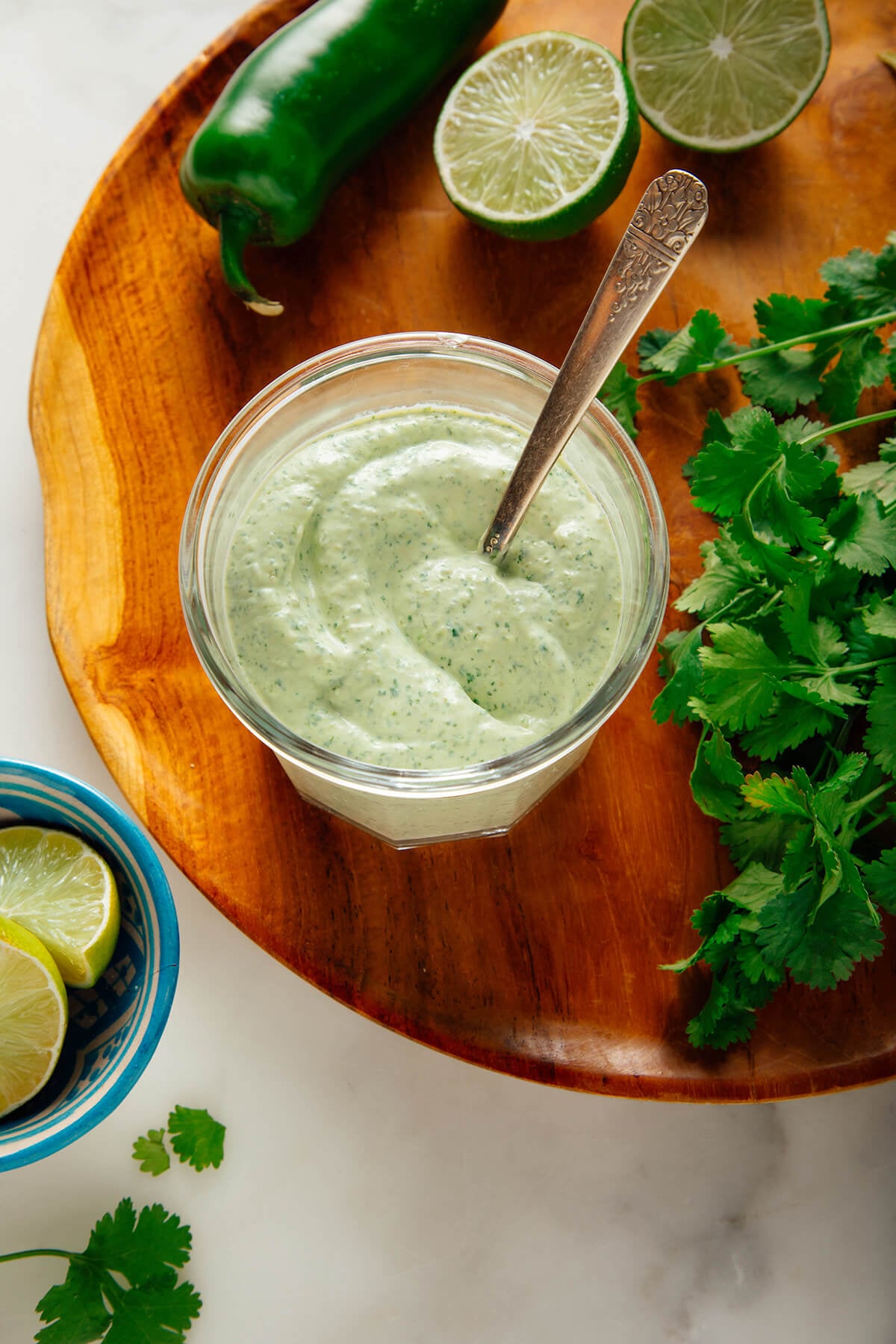
Chipotle Mexican Grill, since its inception in 1993, has positioned itself on a philosophy of "Food with Integrity," emphasizing fresh, high-quality ingredients and customizable menu options. This approach has resonated deeply with consumers seeking healthier and more transparent dining choices, contributing to the brand’s rapid expansion and influence within the fast-casual sector. The introduction of new menu items, particularly sauces and condiments, plays a crucial role in maintaining customer engagement and offering novel flavor experiences. The cilantro lime sauce fits seamlessly into this strategy, providing a fresh, zesty, and subtly spicy counterpoint to the rich, savory components of burritos, bowls, tacos, and quesadillas. It underscores the brand’s commitment to delivering a complex yet balanced flavor profile that distinguishes it from competitors. The success of such a specific sauce illustrates the significant impact that even seemingly minor menu additions can have on overall brand perception and customer loyalty.
The intrinsic appeal of Chipotle’s cilantro lime sauce lies in its carefully balanced flavor components. At its core, the sauce combines the bright, herbaceous notes of fresh cilantro with the sharp, acidic tang of lime. These primary flavors are harmonized by the creamy richness of sour cream, which provides a smooth texture and a pleasant dairy tang. What truly elevates the sauce, however, is the subtle yet impactful addition of roasted jalapeños and a hint of Mexican spices, typically cumin. The process of roasting the jalapeños is particularly significant; charring the pepper mellows its intense heat while simultaneously deepening its smoky, earthy undertones and adding a layer of complex flavor that a raw jalapeño cannot provide. This combination creates a condiment that is simultaneously refreshing, creamy, savory, and possesses a controllable level of piquant heat, making it versatile enough to complement a wide array of dishes.
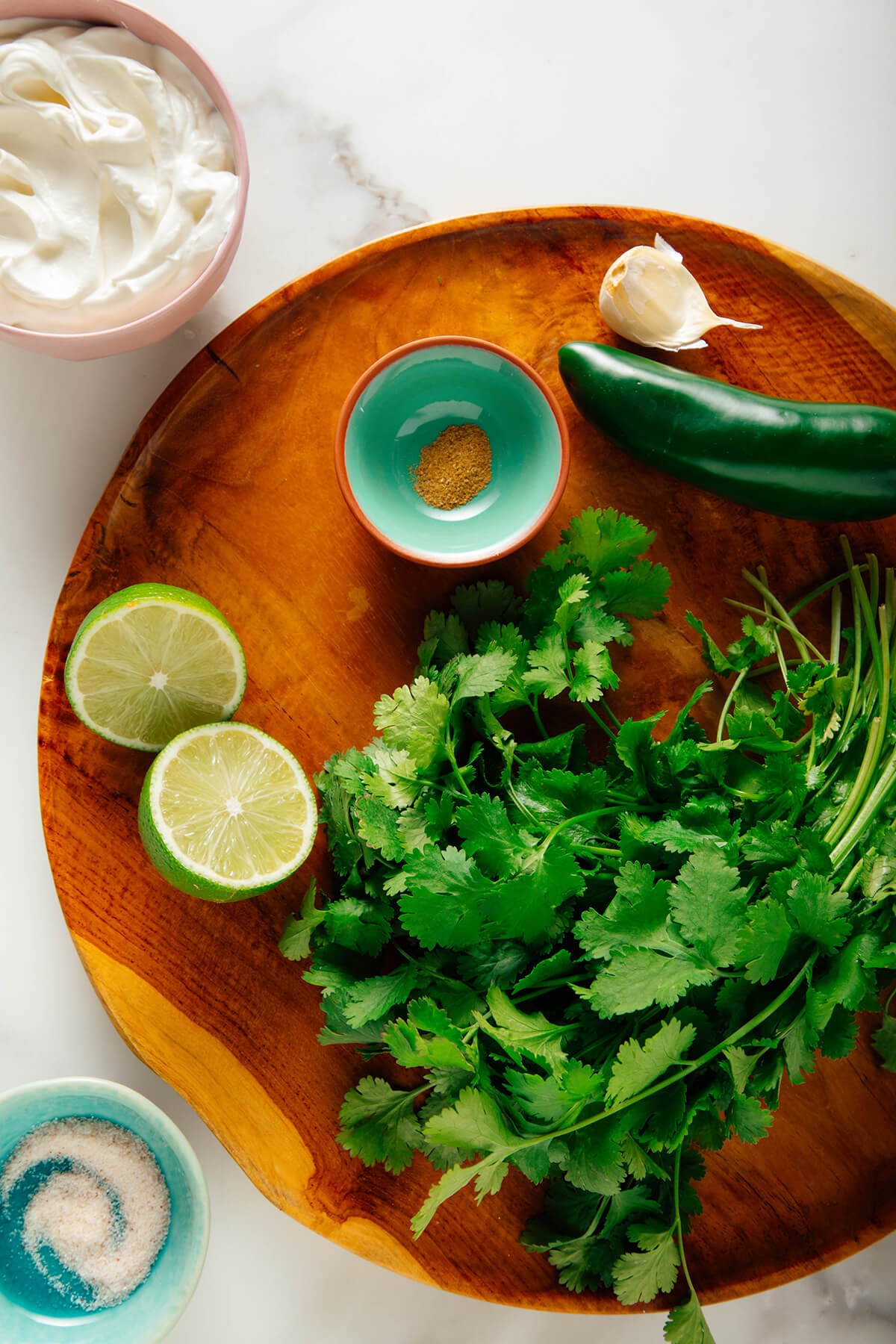
The phenomenon of reverse-engineering popular restaurant recipes, exemplified by efforts to recreate this sauce, is a testament to several evolving consumer trends. Firstly, it reflects a burgeoning interest in home cooking, fueled by a desire for greater control over ingredients, nutritional content, and portion sizes. With the rising cost of dining out, recreating restaurant-quality dishes at home also offers a cost-effective alternative. Secondly, the widespread availability of ingredient lists from major food chains, often mandated by nutritional labeling regulations, provides a roadmap for ambitious home chefs. These lists, while not providing exact proportions or preparation methods, offer crucial clues about the core components, allowing for educated experimentation. Food bloggers and culinary enthusiasts often embark on a systematic process, starting with the listed ingredients, experimenting with different ratios, and conducting side-by-side taste tests against the original product to fine-tune their recipes. This iterative approach aims to capture the essence of the original while potentially offering enhancements or customizations. In the case of the cilantro lime sauce, the challenge lay not just in identifying the ingredients but in perfecting the proportions to achieve the creamy consistency, fresh acidity, and characteristic spicy depth that define Chipotle’s version.
A critical element in achieving the authentic flavor profile of the Chipotle cilantro lime sauce is the meticulous preparation of the jalapeño. Chipotle’s recipe explicitly calls for charred jalapeños, a detail that significantly impacts the final taste and texture. Charring a jalapeño serves multiple culinary purposes: it substantially mellows the pepper’s raw, sharp heat, transforming it into a more nuanced warmth; it develops a smoky, slightly sweet flavor profile that adds depth and complexity; and it softens the pepper’s skin, which, once removed, contributes to a smoother, more refined sauce texture.
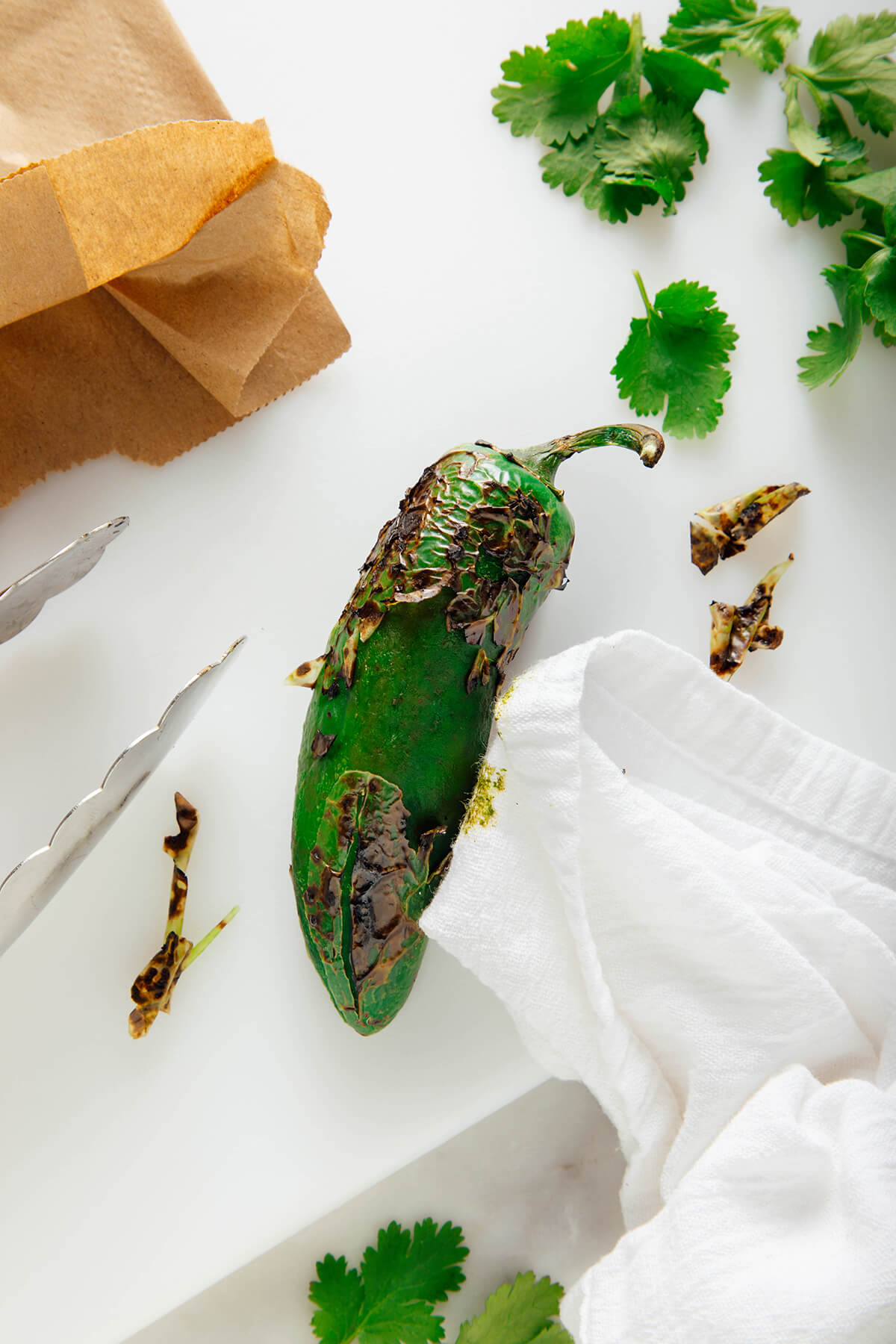
For home cooks aiming to replicate this effect, two primary methods for charring are widely recommended. The first involves using a direct gas flame. By carefully holding the jalapeño with heat-safe tongs a few inches above a medium gas flame, the skin can be evenly blackened within 60 to 90 seconds per side. This method provides intense, direct heat, ensuring rapid charring. The second method, ideal for those without a gas stove, utilizes a heavy-bottomed skillet, preferably cast iron or stainless steel, avoiding non-stick surfaces which are not designed for such high-heat applications. Heating the pepper in a dry skillet over medium-high heat allows it to blister and blacken on one side over several minutes before being turned to char the other side. Both techniques aim for a visibly blackened, blistered skin.
Once charred, the jalapeño requires a brief steaming period to facilitate skin removal. Placing the hot, charred pepper in a small paper bag or a bowl covered tightly with plastic wrap for approximately 10 minutes creates a steamy environment that loosens the skin. After steaming, the charred outer layer can be easily wiped away with a clean tea towel, revealing the softened, flavorful green flesh beneath. This flesh is then cored, seeded (if less heat is desired), and sliced into smaller pieces, ready to be incorporated into the sauce.
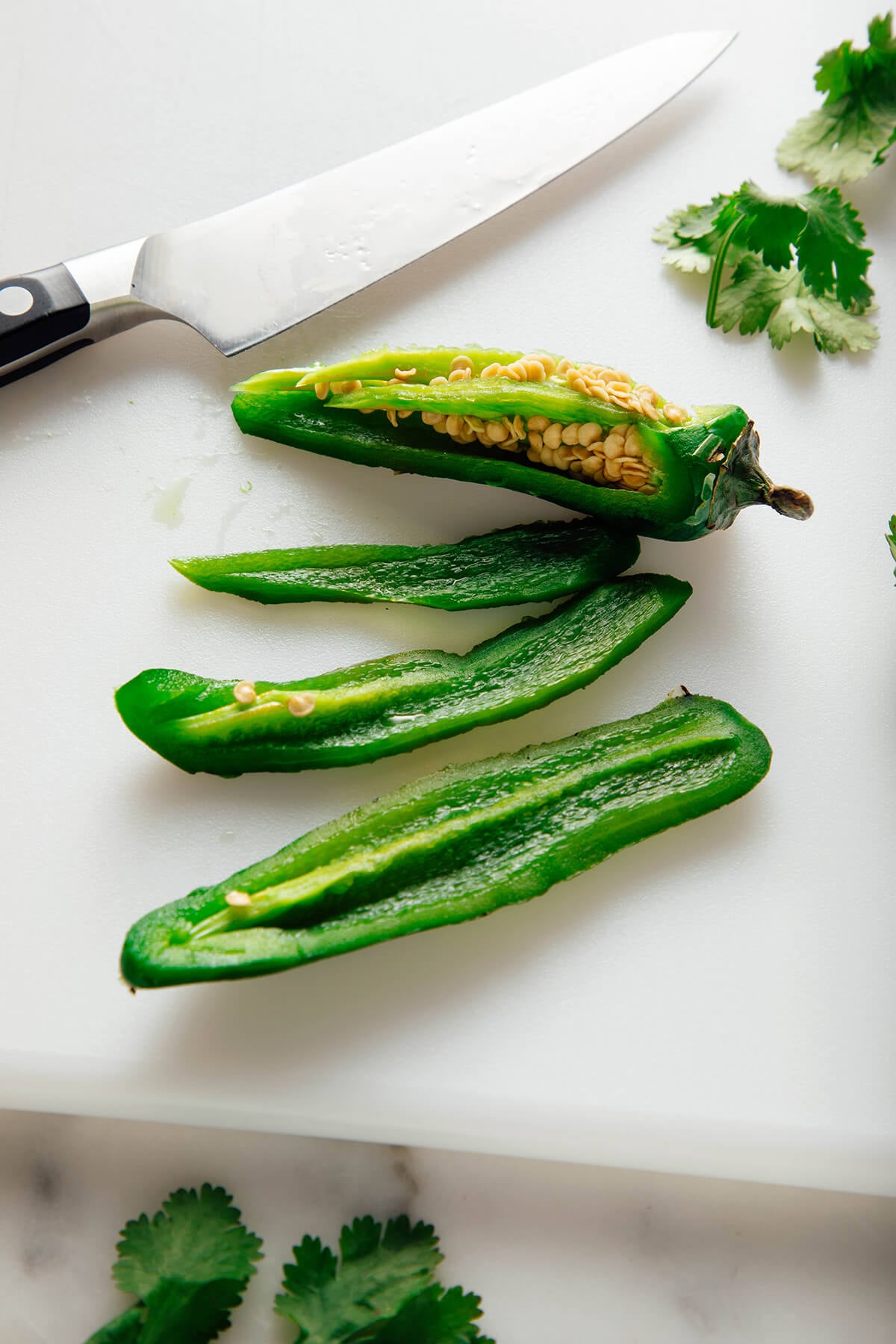
While charring is recommended for authenticity and a more complex flavor, fresh jalapeño can be used as an alternative for convenience or a bolder, fresher spice kick. However, it is crucial to note that fresh jalapeños typically possess a more intense heat due to the presence of capsaicin, the compound responsible for the pepper’s pungency, which is partially broken down during the charring process. When using fresh jalapeño, it is advisable to start with a smaller quantity, such as half a pepper, and gradually blend in more to taste, ensuring the spice level is tailored to individual preference without overpowering the other delicate flavors of the sauce. Removing the ribs and seeds from fresh jalapeño can also help to mitigate its heat, as these parts contain the highest concentration of capsaicin.
The rising prominence of such specific condiments like Chipotle’s cilantro lime sauce also reflects broader shifts in consumer preferences and the food industry. The fast-casual dining sector continues its robust growth, driven by consumer demand for convenience, customization, and perceived healthier options compared to traditional fast food. Chipotle’s success, in particular, has set a benchmark for ingredient transparency and a "build-your-own" meal format, influencing countless other eateries. This has fostered a market where unique and flavorful sauces are not merely accompaniments but often key differentiators that drive customer choice and loyalty. Furthermore, the digital age has amplified the exchange of culinary information. Food blogs, online recipe platforms, and social media channels serve as powerful conduits for sharing and popularizing homemade versions of restaurant favorites, bridging the gap between professional kitchens and home culinary exploration. This symbiotic relationship between commercial food innovation and home cooking creativity continues to shape the evolving food landscape.
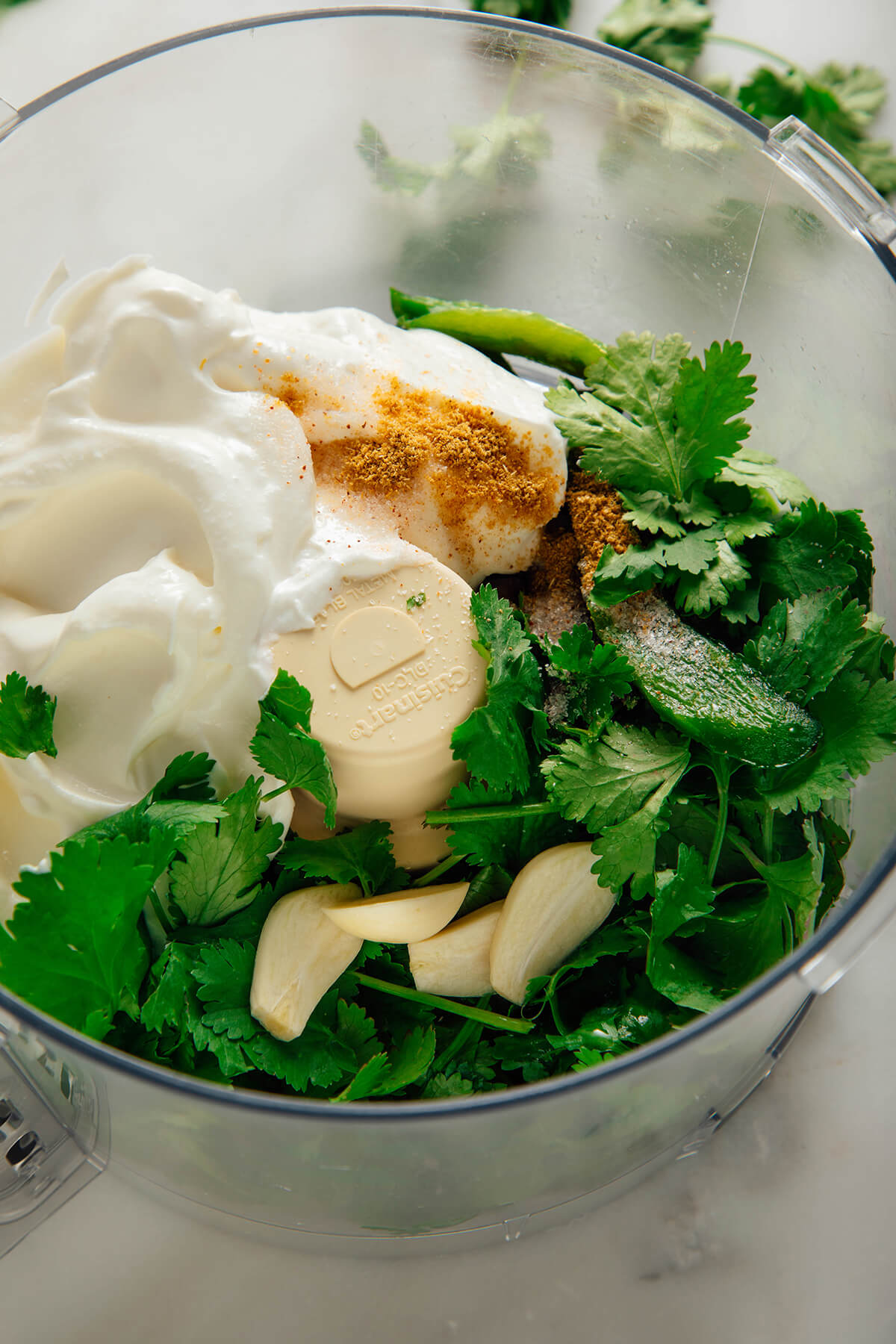
The versatility of the cilantro lime sauce extends far beyond its original context as a burrito bowl topping. Its balanced profile makes it an excellent accompaniment to a wide variety of dishes, transforming simple meals into flavorful culinary experiences. As a dip, it pairs exquisitely with tortilla chips, crudités, or even as a vibrant spread for sandwiches and wraps. When incorporated into Mexican-inspired meals, it elevates classic dishes such as nachos, quesadillas, and tacos, providing a creamy, zesty, and spicy counterpoint to savory fillings like black beans, grilled vegetables, or even Chipotle’s own sofritas. Beyond traditional applications, the sauce demonstrates remarkable adaptability. A dollop of mayonnaise can transform it into a robust salad dressing, offering a fresh, herbaceous alternative to conventional vinaigrettes. Some culinary enthusiasts even treat it akin to a chimichurri, drizzling it over grilled meats like steak or chicken, where its bright flavors cut through the richness of the protein. This broad utility underscores its potential as a staple in diverse home kitchens, encouraging experimentation across various cuisines.
From a nutritional perspective, homemade versions of the cilantro lime sauce offer significant advantages over commercially prepared alternatives. While Chipotle’s commitment to fresh ingredients is notable, preparing the sauce at home provides complete control over the quality and quantity of each component. This allows individuals to manage critical dietary factors such as sodium content, which can often be higher in restaurant or packaged foods. Similarly, the amount and type of fat can be adjusted by selecting specific sour cream varieties (e.g., low-fat or full-fat) or exploring dairy-free alternatives. The ability to customize ingredients also extends to dietary restrictions. For instance, substituting traditional sour cream with a vegan sour cream alternative readily transforms the recipe into a dairy-free and vegan-friendly option, catering to a broader range of dietary needs without sacrificing flavor. This level of customization empowers consumers to align their meals with personal health goals and preferences, making homemade sauces a valuable tool in mindful eating.
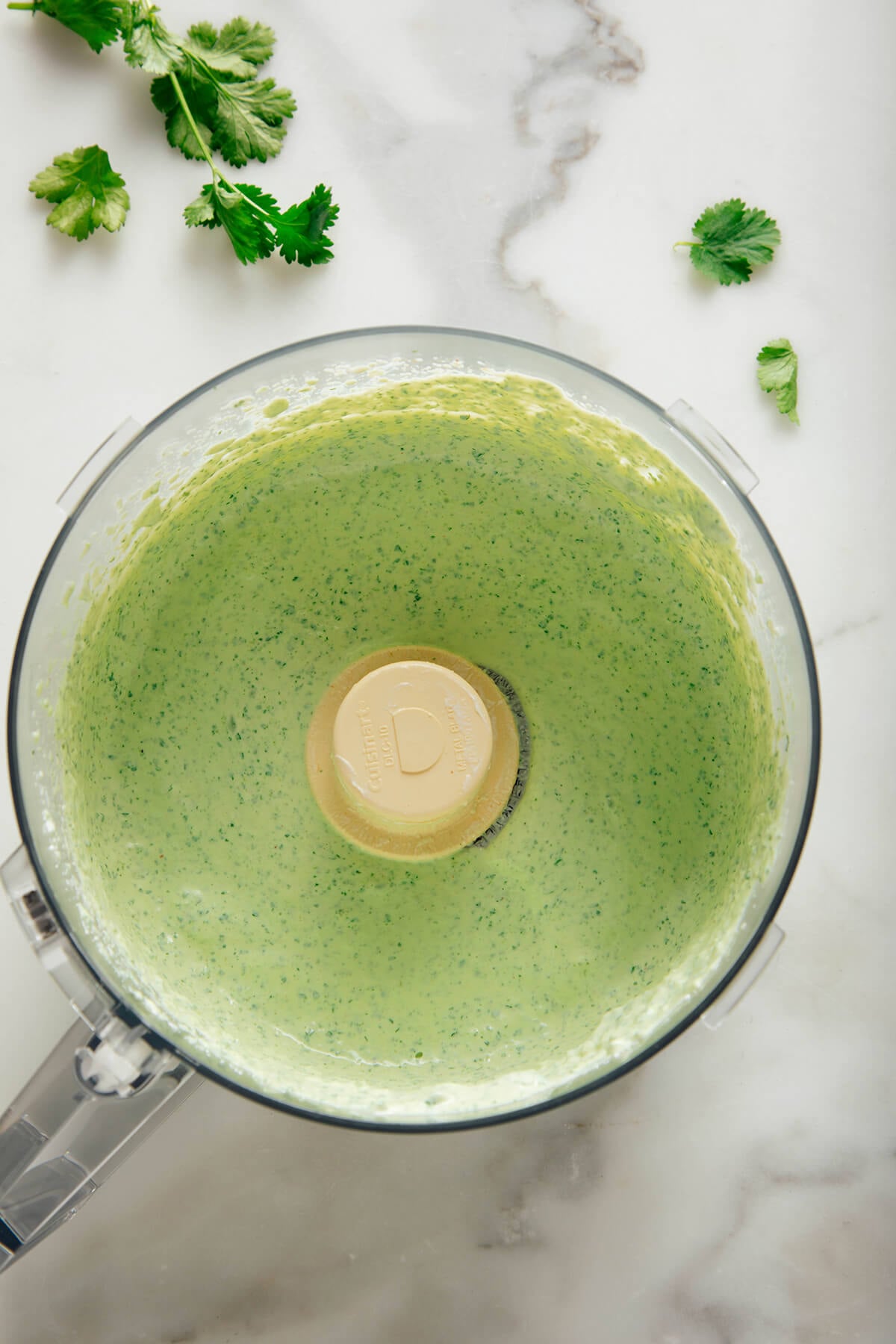
The implications of this trend are multifaceted, impacting both the food industry and the broader culinary community. For fast-casual restaurants like Chipotle, the ease with which popular menu items can be replicated at home presents a continuous challenge to innovation and brand differentiation. While recipe sharing can generate positive buzz and reinforce brand recognition, it also necessitates that establishments consistently evolve their offerings and emphasize the unique dining experience they provide. For home cooks, the ability to create restaurant-quality sauces at home fosters culinary confidence, reduces reliance on processed foods, and often results in cost savings. It encourages exploration of fresh ingredients and basic cooking techniques, thereby enriching the domestic culinary landscape. For food bloggers and content creators, the demand for such "copycat" recipes provides a fertile ground for content generation, allowing them to engage large audiences through practical, relatable, and delicious culinary projects. This dynamic interplay between professional food service and amateur culinary endeavor underscores an enduring consumer fascination with taste, freshness, and the satisfaction of recreating beloved flavors.
In conclusion, Chipotle’s cilantro lime sauce stands as more than just a popular condiment; it is a microcosm of broader culinary and consumer trends. Its distinct flavor profile, characterized by fresh cilantro, zesty lime, creamy sour cream, and the smoky depth of charred jalapeños, has not only captivated diners but has also inspired a significant movement towards home-based culinary replication. This trend highlights the increasing consumer demand for transparency, customization, and the intrinsic satisfaction of preparing high-quality meals from scratch. The journey from a restaurant’s ingredient list to a perfected homemade sauce underscores the enduring appeal of fresh, vibrant flavors and the continuous interplay between commercial food innovation and the resourceful creativity of the home kitchen. As fast-casual dining continues to evolve, the impact of signature sauces like this one will undoubtedly continue to shape both industry strategies and the daily culinary practices of consumers worldwide.