








A recent study delving into the intricate chemical makeup of kava has reignited discussions surrounding the botanical’s association with a small number of liver injury cases. Published in the esteemed journal Chemico-Biological Interactions, the research, a collaborative effort between scientists at Sonoran University of Health Sciences and Thorne Research, scrutinizes the plant’s constituents and the challenges in pinpointing specific compounds responsible for these rare adverse events. This investigation arrives at a time when global regulatory landscapes for kava remain fragmented, reflecting ongoing uncertainties about its safety profile.
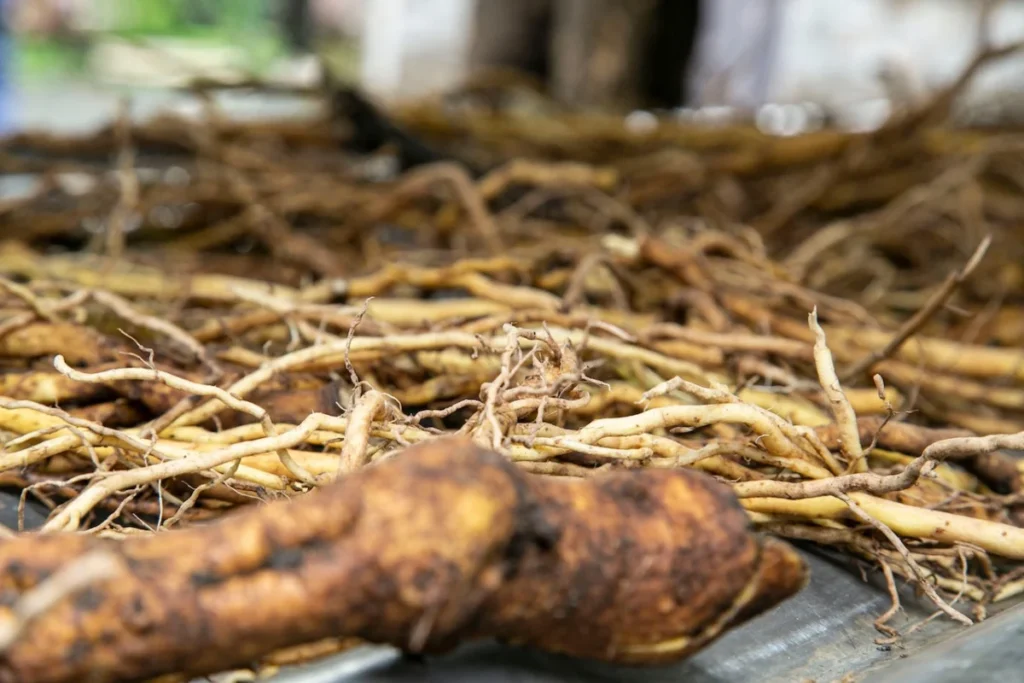
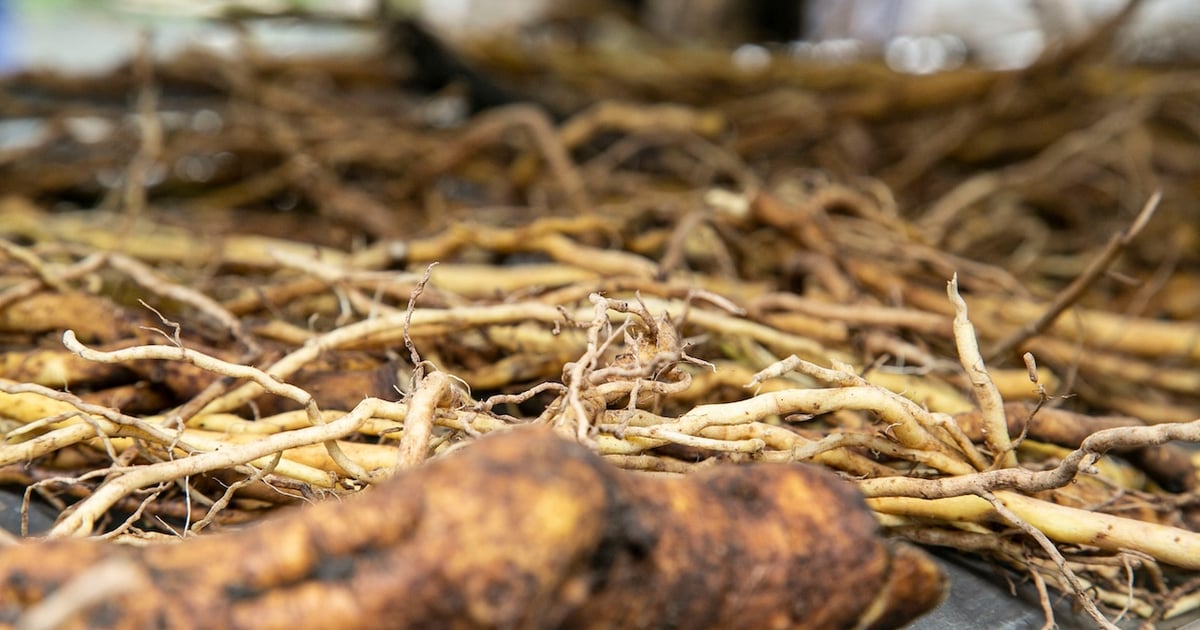
Kava, scientifically known as Piper methysticum Forst, boasts a rich history deeply intertwined with the cultural fabric of the South Pacific islands. For millennia, its roots have been prepared into a traditional beverage, celebrated for its anxiolytic and mildly euphoric properties. This ancestral preparation typically involves pounding the kava roots and steeping them in water. The psychoactive effects are largely attributed to a class of compounds known as kavalactones, which are understood to interact with neurotransmitter systems. However, the plant’s pharmacology is far from simple, harboring over 40 distinct compounds that have been successfully isolated from its roots.
Modern kava production often employs water or ethanolic extraction methods, or a combination of both, to yield extracts commonly sold in capsule or powdered root form. A persistent point of contention within the scientific and regulatory communities has been whether these contemporary extraction techniques might inadvertently concentrate or alter certain chemical aspects of the kava root, thereby potentially elevating the risk of liver injury. Despite this ongoing debate, the overarching safety record of kava in widespread modern usage has generally been considered favorable. Nevertheless, the incidence of liver injury, though statistically rare—with fewer than 100 documented cases across the U.S. and Europe combined—cannot be entirely dismissed. The fact that a handful of these severe reactions have necessitated liver transplants underscores the critical need for continued scientific scrutiny.

The global regulatory response to kava has been a complex tapestry of varying restrictions and allowances. In the United States, consumers have largely maintained uninterrupted access to kava products. Conversely, Germany, after initially imposing a ban in 2002, lifted the restriction in 2014 following an assessment that deemed the substance to pose a low risk. Meanwhile, France, Japan, and Switzerland continue to maintain prohibitions on the botanical. Australia, which also had a ban in place, has since relaxed most of its restrictions, with changes becoming largely effective around 2022. This inconsistent international approach highlights the ongoing challenges in establishing a unified scientific consensus on kava’s risk profile.
The new study specifically investigated kava’s interaction with the cytochrome P450 (CYP) enzyme system. This crucial system, predominantly found in hepatocytes—the primary functional cells of the liver—plays a pivotal role in metabolizing and clearing a vast array of foreign compounds, including xenobiotics and potential toxins. The liver’s significant involvement in these biotransformation processes makes the CYP system a key area of focus when assessing the hepatotoxicity of botanical substances.
In Vitro Assay Sheds Light on CYP Interactions
To conduct their research, the scientists meticulously prepared their own aqueous and ethanolic kava extracts. These extracts were derived from kava roots sourced from Pentecost Island in Vanuatu, specifically from a "noble" cultivar. The term "noble" refers to kava cultivars known for their consistent provenance and established performance, distinguishing them from other varieties that may not be suitable for consumption.
The experimental setup involved using human liver cells, specifically the HepG2 cell line, a widely utilized immortalized cell line in pharmacological research. These cells were cultured and stabilized within a dimethyl sulfoxide (DMSO) solution, a standard and accepted practice in such pharmacological investigations to ensure cell viability and facilitate the solubilization of test compounds. The primary objective was to comprehensively assess the extent of kava’s effects on the CYP enzyme system and to ascertain whether these effects were primarily attributable to the kavalactones or if other components of the kava extract were involved.
The findings revealed notable differences between the aqueous and ethanolic kava extracts. The researchers concluded that "conventional dosing of aqueous kava is unlikely to produce clinically significant CYP interactions, while high-dose ethanolic preparations may approach inhibitory thresholds for CYP1A2 and 3A4." These specific enzymes, CYP1A2 and CYP3A4, are critical players within the broader CYP system, influencing the metabolism of numerous pharmaceuticals and endogenous compounds.
However, the study’s authors also acknowledged a critical caveat: "[T]he ongoing widespread use of both water and organic solvent extracted kava with minimal reports of hepatotoxicity supports the need for translational studies to clarify whether the observed CYP modulation and cytotoxicity are clinically meaningful." This statement underscores the complex interplay between in vitro findings, which often employ high concentrations and specific experimental conditions, and real-world clinical outcomes.
Expert Caution: Interpreting In Vitro Findings
Bill Gurley, Ph.D., a respected figure in natural products research with extensive experience at the National Center for Natural Products Research at the University of Mississippi, has voiced a measured perspective on the implications of such in vitro studies. Having conducted his own significant research on kava in the mid-2000s, Gurley cautioned against prematurely drawing definitive conclusions about the risks posed by commercially available kava products based solely on these laboratory findings.
"This is a classic disconnect that occurs often with in vitro studies like this one that use DMSO to solubilize the kava lactones, or any lipophilic phytochemical," Gurley stated in an interview with SupplySide Supplement Journal. "Consumers don’t take their botanical dietary supplements with DMSO or even dilute solutions of DMSO." He emphasized that the presence of DMSO, a solvent, in the experimental conditions could potentially influence the observed effects, a factor not present in typical human consumption.
Gurley further elaborated on the findings from his own previous clinical studies, which are cited within the new research. "We demonstrated in three clinical studies – all cited by these authors – that standardized kava extract products do not modulate human CYP activity in vivo to any clinically relevant degree," he asserted. "If a novel formulation happens to come along that might improve both the bioaccessibility and bioavailability of kava lactones, then things might change." This perspective suggests that the method of kava delivery and absorption in the human body is a crucial determinant of its potential to interact with the CYP system in a clinically significant manner.
Historical Context and Regulatory Evolution
The history of kava’s regulatory status is marked by periods of alarm followed by reassessment. Following reports of liver damage in the late 1990s and early 2000s, regulatory bodies in several European countries, most notably Germany, initiated investigations. These concerns were often amplified by media reports and a general public apprehension regarding the safety of herbal supplements. The initial bans were largely based on the assumption that kava itself, or specific components within it, were inherently hepatotoxic.
However, subsequent scientific reviews and epidemiological data began to paint a more nuanced picture. Many researchers and regulatory agencies came to believe that the reported cases of liver injury were likely attributable to a confluence of factors, including the use of inappropriate plant parts (such as leaves and stems, rather than just roots), poor quality control in manufacturing processes leading to contamination, the concurrent use of kava with other hepatotoxic substances (like alcohol or certain medications), and potentially idiosyncratic reactions in susceptible individuals.
The lifting of bans in countries like Germany and Australia reflects this evolving understanding, acknowledging the difference between a rare adverse event and a widespread safety concern. The continued prohibitions in other nations, however, suggest that differing risk assessment methodologies and regulatory philosophies persist.
Implications for the Supplement Industry
The findings of this new study, while contributing to the scientific understanding of kava’s complex chemistry, also serve as a reminder for the dietary supplement industry. The research underscores the importance of:
- Extraction Method Transparency: Understanding the specific extraction methods used for kava products is crucial. Water-extracted kava, according to this study, appears to have a lower potential for CYP interactions compared to ethanolic extracts, particularly at high doses. Manufacturers should be transparent about their extraction processes.
- Quality Control and Standardization: Ensuring the purity and consistent composition of kava products is paramount. The use of "noble" cultivars and robust quality control measures can help mitigate potential risks.
- Further Clinical Research: The study’s authors themselves highlight the need for translational studies. This points to a demand for more in vivo research that can more accurately reflect how kava is consumed by the public and its real-world impact on liver function and drug metabolism.
- Consumer Education: Providing consumers with accurate information about kava, its traditional uses, potential benefits, and any associated risks, including the importance of consulting with healthcare professionals, is essential for responsible product use.
The ongoing research into kava’s multifaceted pharmacology continues to refine our understanding of this ancient botanical. While the plant offers potential benefits for relaxation and well-being, its complex chemical profile necessitates a cautious and scientifically informed approach to both its use and regulation. The journey to fully unravel the intricacies of kava’s interaction with the human body is ongoing, with each new study adding another piece to this intricate puzzle. The balance between harnessing the therapeutic potential of botanicals and ensuring consumer safety remains a critical imperative for the scientific community, regulatory bodies, and the supplement industry alike.