


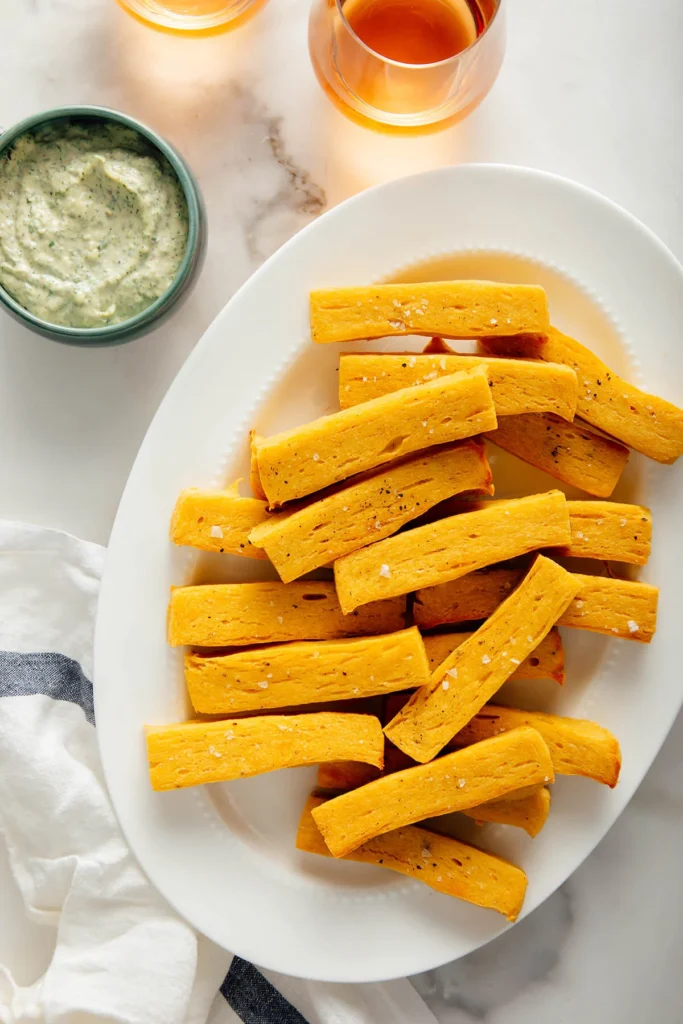
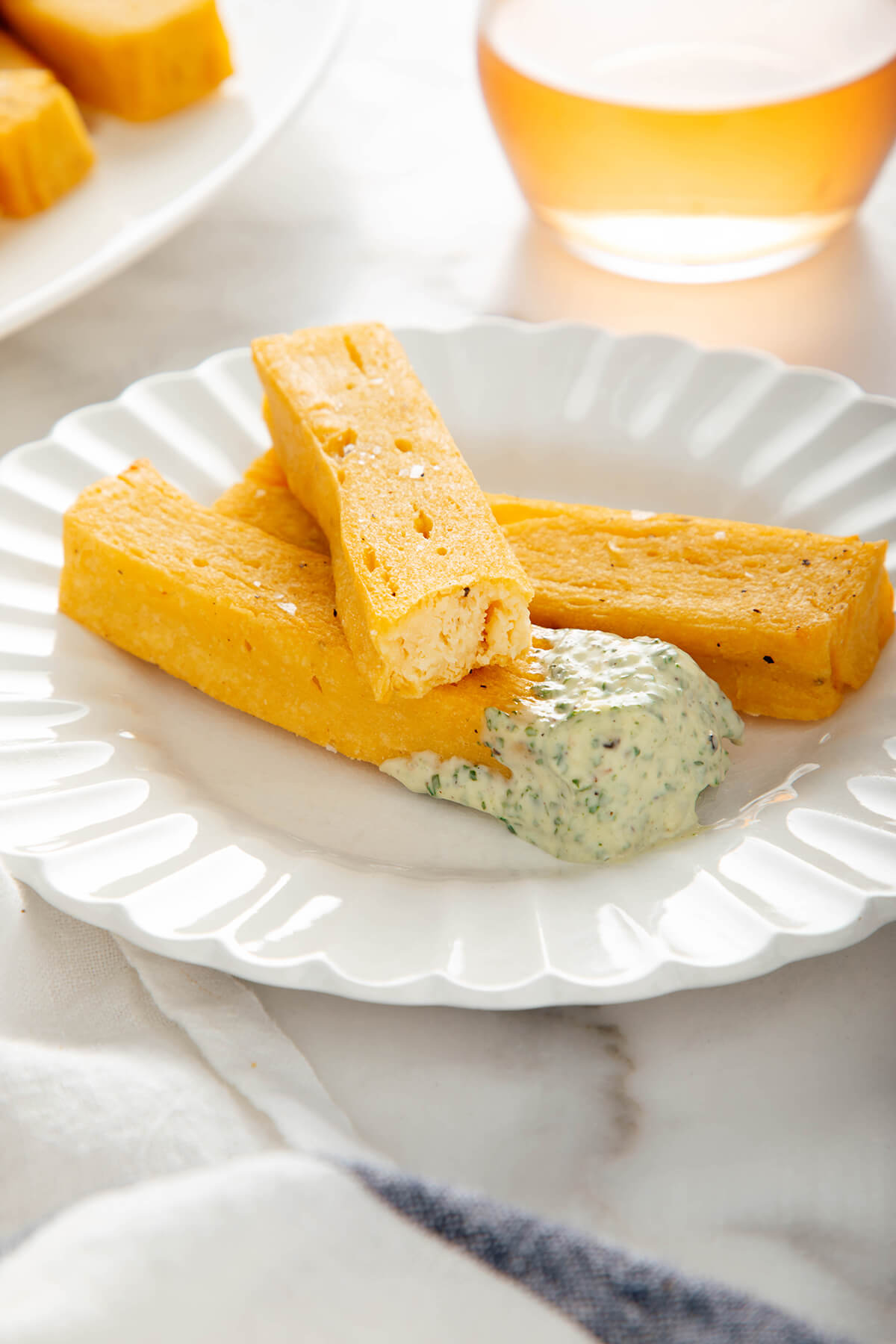
In a culinary landscape increasingly defined by both tradition and innovation, Panisses, the distinctive chickpea fries hailing from the sun-drenched Provence region of France, are emerging as a noteworthy phenomenon. These irresistible golden delights offer a compelling alternative to conventional potato fries, captivating palates with their uniquely crisp exteriors and luxuriously pillowy-soft interiors, often likened to creamy polenta. Their growing prominence extends beyond regional French bistros, finding a place in global culinary trends as a versatile, nutritionally robust, and naturally inclusive snack.
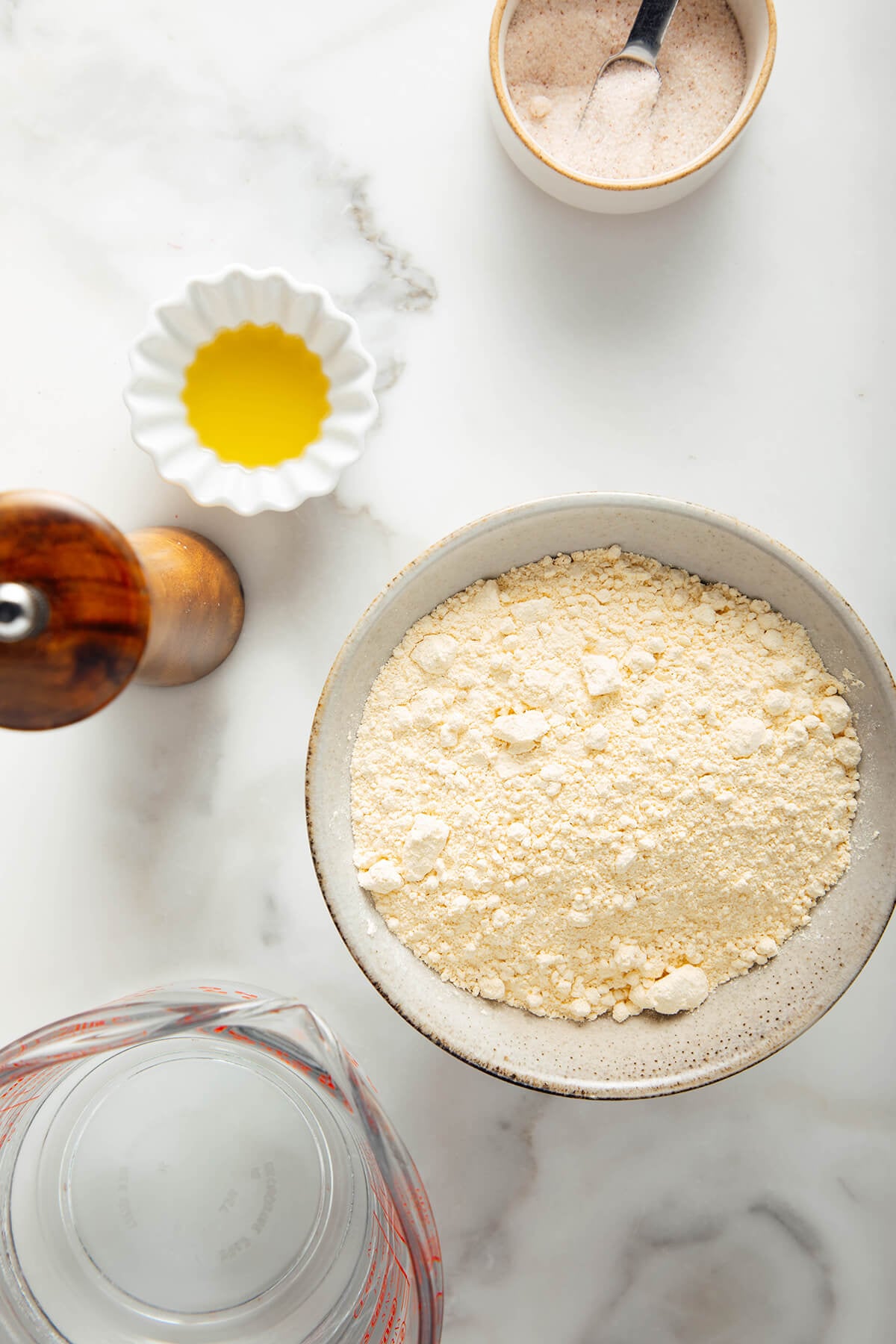
The origins of Panisses are deeply embedded in the rich gastronomic tapestry of the Mediterranean basin, particularly along the Ligurian coast of Italy and the southeastern French coastline. Historically, chickpea flour, or farine de pois chiche, has been a staple ingredient in these regions, prized for its affordability, nutritional value, and ability to create hearty, satisfying dishes. The practice of preparing a thick batter from chickpea flour and water, then cooking it and cutting it into shapes for frying or baking, dates back centuries. Dishes such as farinata in Genoa, socca in Nice, and Panisses in Marseille and other Provencal towns represent variations on this fundamental theme, each adapting to local tastes and culinary traditions while sharing a common heritage rooted in the widespread cultivation of chickpeas across the Mediterranean since antiquity. This timeline underscores a long-standing appreciation for the legume’s versatility, predating many modern culinary staples.
What sets Panisses apart in the contemporary culinary discourse is their distinctive textural profile and significant nutritional advantages. Unlike traditional potato fries, which are primarily carbohydrate-based, Panisses leverage chickpea flour, providing a substantial source of plant-based protein and dietary fiber. A typical serving of chickpea-based fries offers a more balanced macronutrient profile, contributing to satiety and supporting digestive health, unlike the rapid carbohydrate spike often associated with potato variants. Furthermore, when prepared with olive oil, as is customary, Panisses also deliver monounsaturated fats, recognized for their heart-healthy benefits. This nutritional superiority positions Panisses not merely as a delightful snack but as a conscientious choice for consumers seeking healthier indulgence, aligning perfectly with prevailing trends towards plant-forward, gluten-free, and high-fiber diets. Culinary nutritionists frequently highlight chickpeas as a nutrient-dense legume, underscoring the inherent value Panisses bring to the table compared to their less nutritionally diverse counterparts.
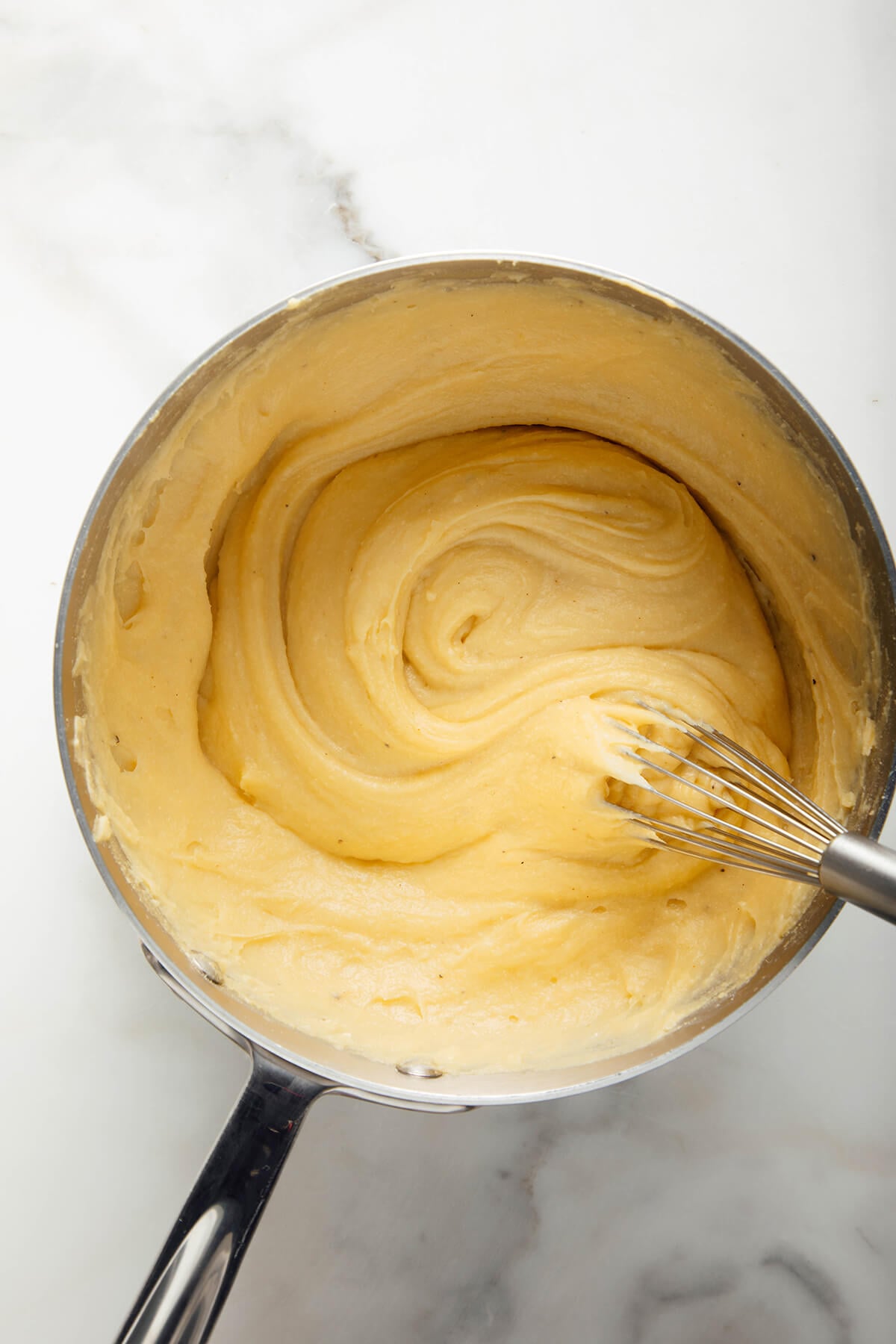
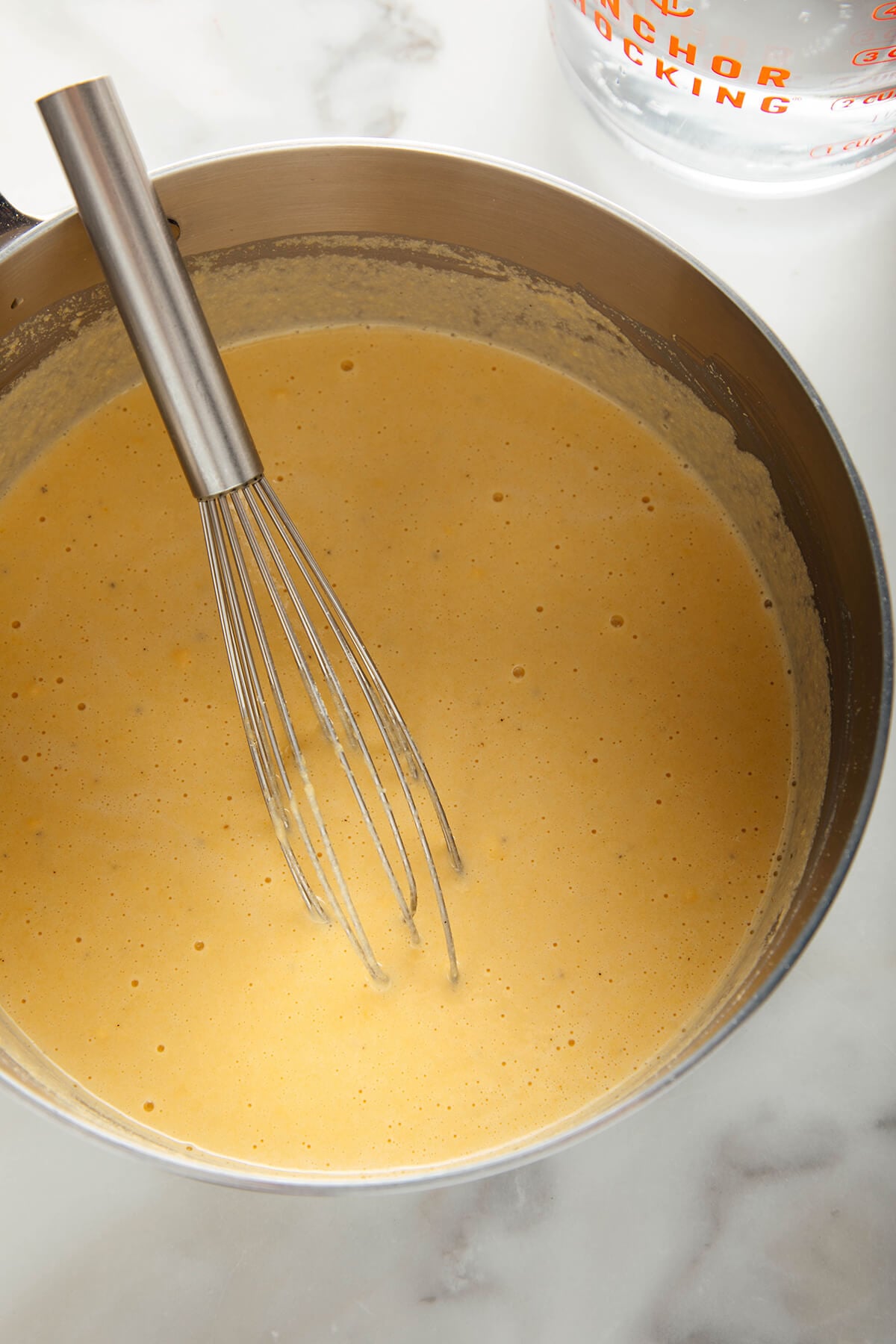
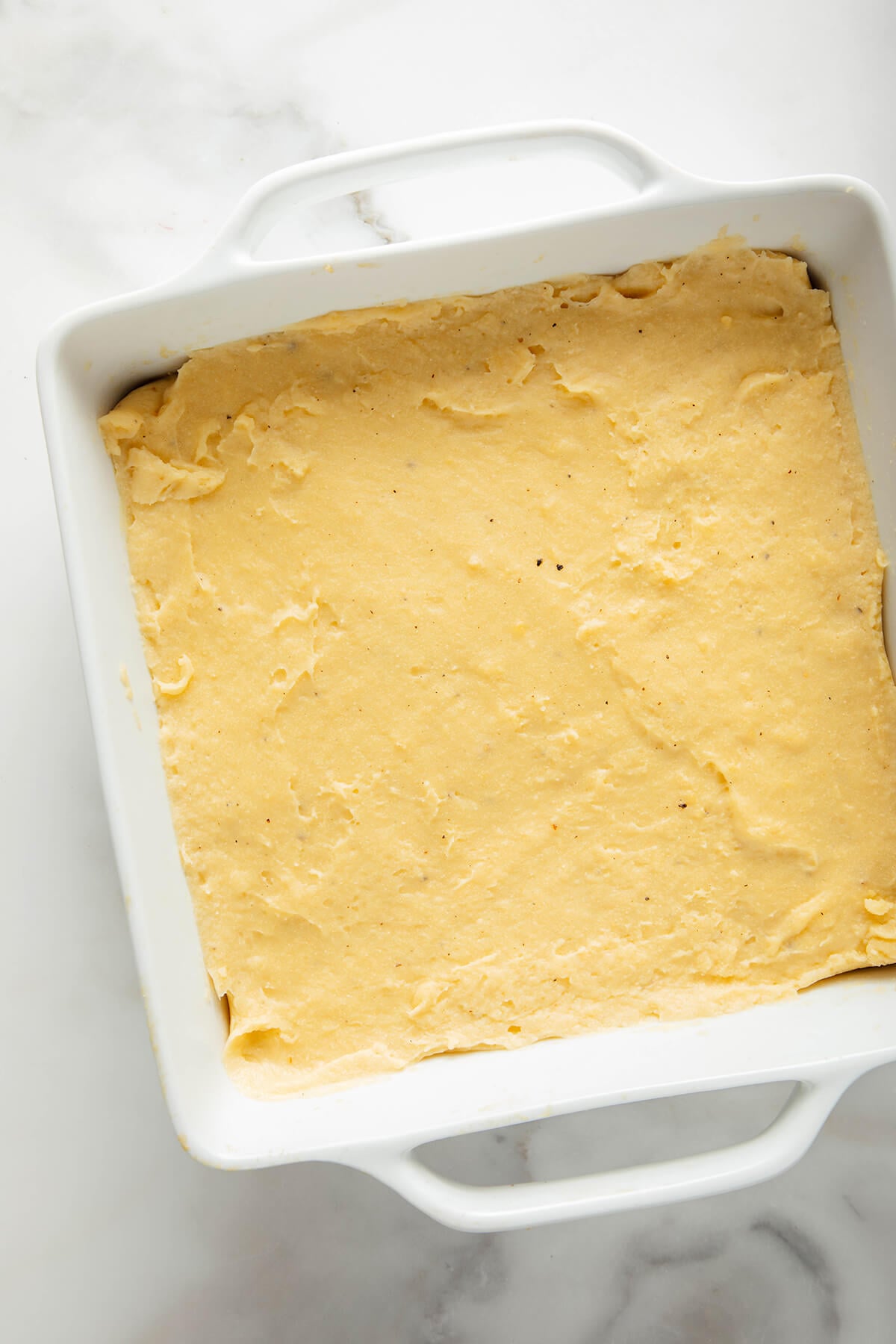
The preparation of Panisses, while seemingly straightforward due to its minimalist ingredient list—chickpea flour, water, olive oil, salt, and pepper—involves a specific methodology that transforms these simple components into a culinary marvel. The process typically begins with the creation of a smooth, lump-free batter, which is then cooked gently over heat, much like polenta, until it thickens into a firm, malleable dough. This cooked dough is then spread into a shallow tray or mold and allowed to cool and set, a crucial step that allows the chickpea flour’s starches to fully hydrate and bind, creating the characteristic creamy interior texture. This setting process often requires several hours, or even overnight refrigeration, making Panisses a project often reserved for leisurely weekends or dedicated culinary sessions. Following this, the firm chickpea slab is cut into desired shapes, typically rectangles or wedges, before the final cooking stage.
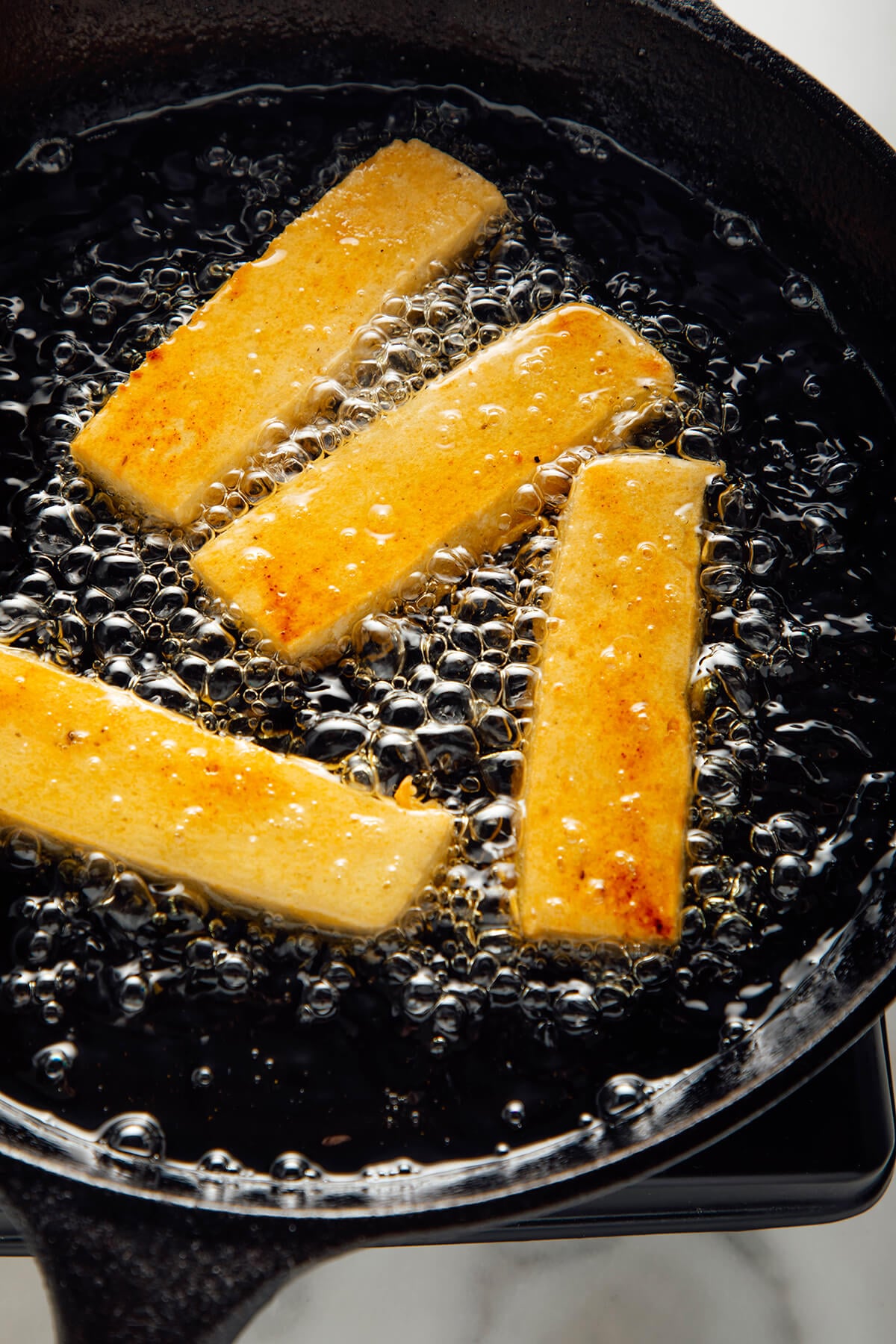
Two primary methods for the final cooking phase are widely practiced and offer distinct results: traditional pan-frying and contemporary baking. In Provence, the classic approach involves pan-frying the cut Panisses in hot oil, often a blend of olive oil and a higher smoke point vegetable oil such as sunflower or avocado oil. This method is lauded for producing an exceptionally crisp, golden-brown exterior, creating a delightful contrast with the soft interior. However, pan-frying demands careful attention to oil temperature and can be challenging for home cooks, posing risks of smoke and uneven cooking if not executed precisely. Experts, including noted culinary figures like David Lebovitz, whose work has influenced many modern Panisse recipes, often emphasize the delicate balance required to achieve perfect fried Panisses. The use of oils with higher smoke points, such as avocado oil, is increasingly recommended to mitigate the challenges associated with frying at home while still achieving traditional crispness.
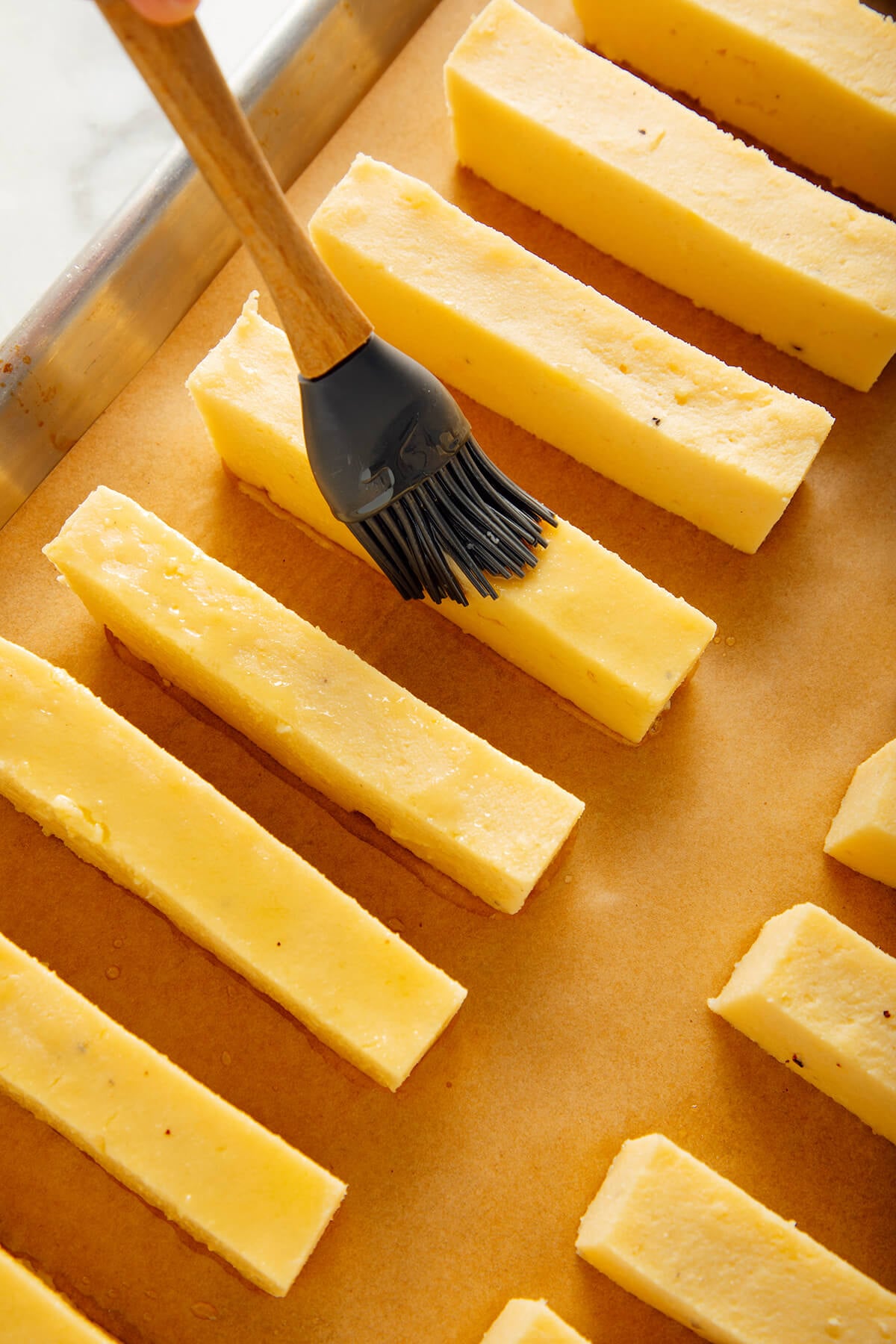
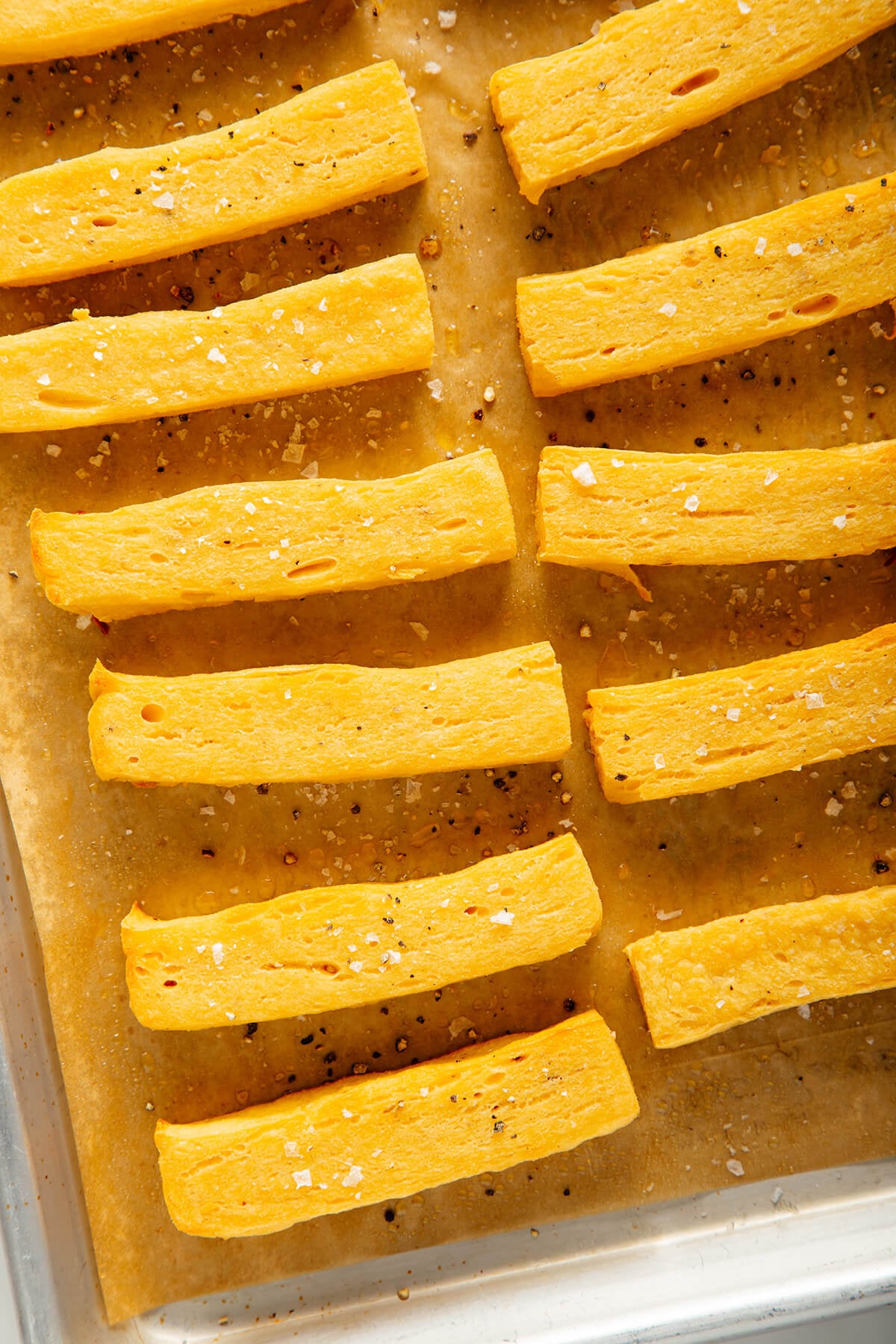
Conversely, the baking method has gained considerable traction among home cooks and health-conscious consumers due to its comparative ease and reduced oil usage. This approach involves brushing the Panisses with olive oil and baking them in a hot oven until golden and crisp. While baking may take slightly longer than frying, it offers a more hands-off experience and often results in a more evenly golden and consistently crisp exterior, albeit with a subtly different textural nuance than their deep-fried counterparts. Through rigorous recipe development, culinary creators have refined baking techniques, discovering that a final drizzle of olive oil mid-bake can significantly enhance crispness, emulating the irresistible texture of fried versions more closely. This adaptability in cooking methods further broadens the appeal of Panisses, making them accessible to a wider audience with varying preferences and equipment.
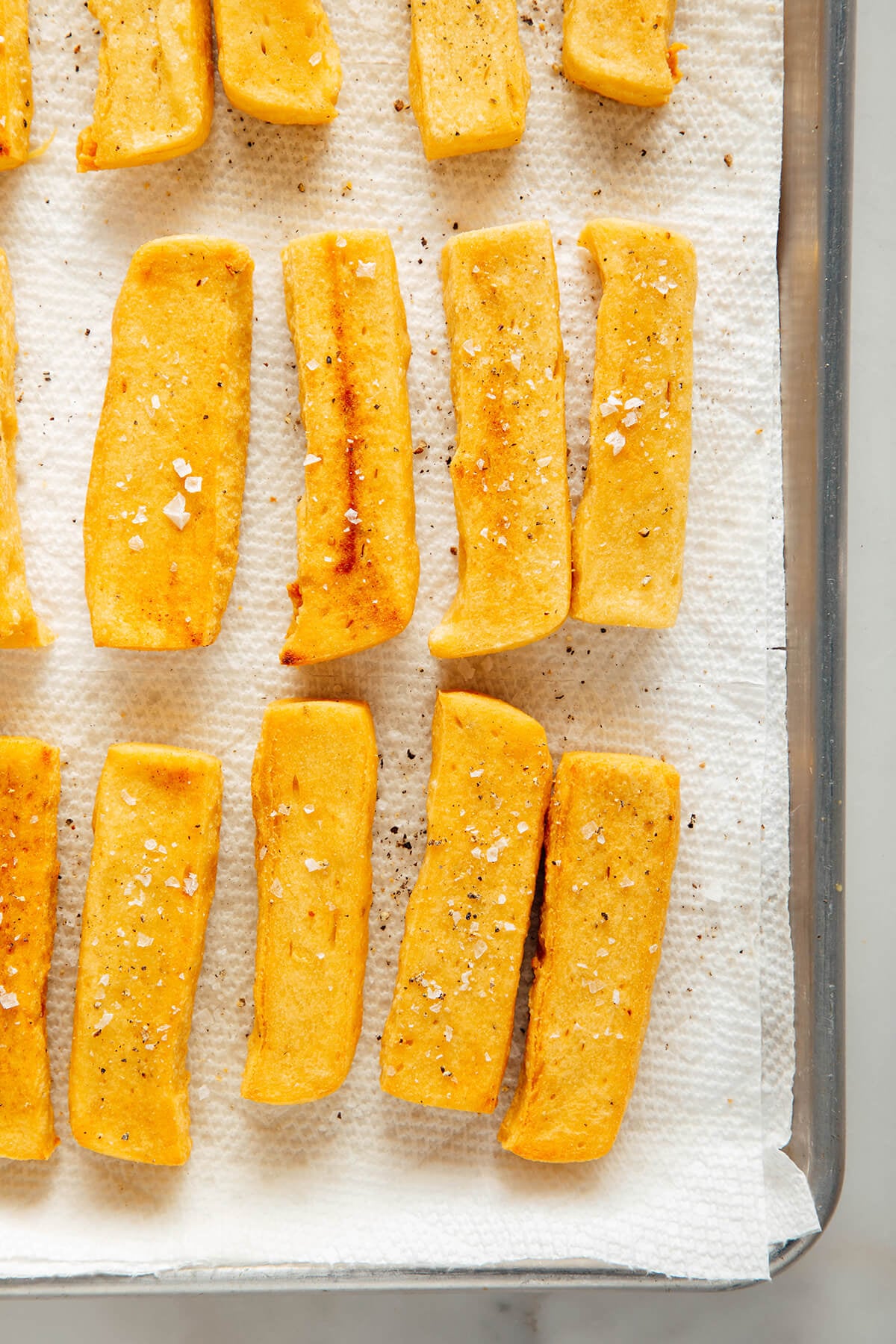
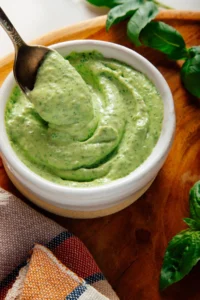
The culinary versatility of Panisses extends to their serving accompaniments, with dipping sauces being a paramount element. The inherent mildness and slightly earthy flavor of chickpea flour provide an ideal canvas for a range of vibrant, creamy dips that offer a textural and flavor counterpoint. While a simple dusting of sea salt is essential to elevate their taste, a well-chosen sauce transforms Panisses into a truly gourmet experience. Mayonnaise-based sauces, often infused with fresh herbs or pungent spices, are particularly favored. For instance, a Creamy Basil Sauce, rich with fresh basil, garlic, and a hint of lemon, provides a bright, herbaceous complement. Other popular choices include pestos, which add a nutty, garlicky punch; romesco, with its roasted red pepper and almond complexity; or harissa-spiked mayonnaise, offering a delightful kick of heat. The tradition of serving Panisses with a cool glass of rosé wine in France highlights their role as an elegant appetizer or apéritif snack, embodying the relaxed yet refined ethos of Provencal dining.
Beyond being a standalone snack, Panisses integrate seamlessly into diverse meal contexts. They can anchor a light meal when paired with fresh, vibrant salads, contributing a satisfying crunch and heartiness. As part of a larger Mediterranean-style spread or mezze platter, they complement an array of dishes such as hummus, baba ghanoush, marinated olives, and fresh vegetables, creating a rich tapestry of flavors and textures. This adaptability positions Panisses as a valuable component in entertaining, casual dining, and even as a sophisticated side dish. Their gluten-free and vegan nature further enhances their appeal, making them a suitable option for individuals with various dietary restrictions or preferences, a significant advantage in today’s inclusive food environment.
From a broader perspective, the rising popularity of Panisses reflects several interconnected trends in the global food industry. The increasing demand for plant-based proteins, driven by health, environmental, and ethical considerations, naturally elevates chickpea-based products. Their inherent gluten-free nature taps into the growing market for alternatives to wheat-based foods. Furthermore, the fascination with authentic regional cuisines and the desire for "clean label" ingredients—simple, recognizable components—resonate strongly with the unpretentious nature of Panisses. As food enthusiasts and professional chefs continue to explore and reinterpret traditional dishes, Panisses stand out as a prime example of a humble regional specialty poised for wider international acclaim. This culinary migration, from the bustling markets of Marseille to upscale tapas restaurants in cities like Kansas City, underscores their universal appeal and potential for further innovation in the global gourmet snack market.
For those considering preparing Panisses at home, proper storage is key to maximizing enjoyment. While best served hot immediately after preparation, they can be stored in the refrigerator for up to five days, allowing for convenient future snacks. For longer-term planning, Panisses freeze exceptionally well for up to six months. Reheating can be achieved simply in a microwave, though a brief spell in a hot oven or air fryer can help restore some of their desirable crispness.

In conclusion, Panisses represent more than just a culinary curiosity; they are a testament to the enduring appeal of simple, wholesome ingredients transformed through thoughtful preparation. Their historical roots in Mediterranean peasant cuisine, combined with their impressive nutritional profile and adaptability to modern dietary needs, position them as a significant player in the evolving landscape of gourmet snacking. As consumers continue to seek out authentic flavors and healthful alternatives, the Provencal chickpea fry is set to secure its place as a beloved staple, inspiring home cooks and professional chefs alike to explore the rich potential of chickpea flour.