







The Biological Necessity of Late-Season Foraging
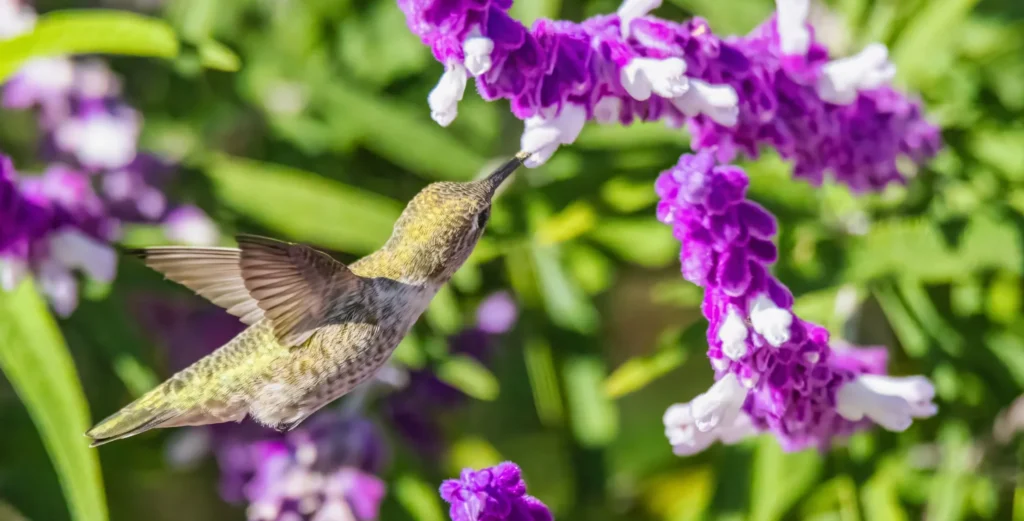
The migration of hummingbirds, particularly the Ruby-throated variety common in Eastern North America, is one of the most demanding physical feats in the animal kingdom. Beginning in late August and peaking in September, these birds, which weigh less than a nickel, must prepare for a journey that can span thousands of miles, including a non-stop, 500-mile flight across the Gulf of Mexico. To survive this transit, a hummingbird must nearly double its body weight, accumulating thick layers of fat to fuel its high-frequency wing beats, which can exceed 50 to 80 strokes per second.
In this context, the availability of nectar is not merely a convenience but a biological imperative. As typical summer annuals and wildflowers reach the end of their life cycles in the heat of August, a "nectar gap" often emerges. Salvia species, specifically those that thrive in high temperatures and bloom late into the autumn, have become the cornerstone of avian conservation in residential landscapes.
The Botanical Profile of Salvia as a Primary Resource
Salvia is a diverse genus of plants in the mint family, Lamiaceae, encompassing nearly 1,000 species. For the purpose of supporting migrating hummingbirds, certain varieties stand out due to their tubular flower structure and high sugar concentrations. Hummingbirds are evolutionarily attracted to the bright reds, deep purples, and vibrant blues common to Salvia blossoms. The elongated shape of the flower is perfectly evolved to accommodate the hummingbird’s long bill and extendable tongue, ensuring that the bird can access nectar that is often out of reach for less specialized pollinators.
Key varieties recommended by botanical experts for late-season support include:
- Salvia elegans (Pineapple Sage): Renowned for its late-blooming cycle, this plant often does not begin its most prolific flowering until late August or September, precisely when migration hits its peak. Its bright red, tubular flowers are a primary draw for hummingbirds.
- Salvia guaranitica (Black and Blue Sage): This variety is prized for its deep cobalt flowers and its ability to withstand the intense humidity and heat of the late American summer.
- Salvia leucantha (Mexican Bush Sage): A drought-tolerant option that produces velvety purple spikes, providing a sturdy landing and feeding platform during the drier months of the early fall.
A Chronology of the Fall Migration
The timing of the Salvia bloom is synchronized with a complex migratory timeline that varies by species and geography. Understanding this chronology is essential for gardeners aiming to provide maximum ecological impact.
- Early August: Adult males typically begin the migration first. Having completed their mating duties, they head south to establish winter territories in Central America or Mexico.
- Mid-to-Late August: Adult females and the season’s juveniles begin their departure. This group requires the most significant caloric intake, as the juveniles are navigating the route for the first time without parental guidance.
- September: This represents the peak of the "fall flyway" across much of the United States. During this window, a single garden with a high density of Salvia can host dozens of different hummingbirds in a single day, each stopping for a few hours or days to "refuel."
- October to First Frost: The final stragglers, often those from the furthest northern reaches of the breeding range in Canada, move through. Salvia’s ability to resist light frosts and continue blooming is what makes it superior to more delicate nectar sources.
Supporting Data: The Energetics of Flight
Scientific data regarding hummingbird metabolism underscores the importance of high-quality nectar sources. A hummingbird’s heart rate can reach 1,260 beats per minute during flight. To maintain this level of activity, they must consume approximately half their body weight in sugar water (nectar) every day, feeding every 10 to 15 minutes.
According to research from the Cornell Lab of Ornithology, a Ruby-throated hummingbird may visit between 1,000 and 2,000 flowers per day. When natural habitats are fragmented by urban development, the caloric density of a suburban garden becomes a deciding factor in migratory success. Salvia nectar typically contains a sugar concentration of 20% to 35%, which is the ideal range for hummingbird digestion and energy conversion.
The Impact of Urbanization and Climate Change
The emphasis on planting Salvia comes amid growing concerns over habitat loss and "phenological mismatch"—a phenomenon where the timing of bird migration and the blooming of nectar-producing plants fall out of sync due to shifting global temperatures.
As urban sprawl replaces meadows and forests with asphalt and manicured turfgrass, hummingbirds find fewer natural "waystations." Horticulturalists argue that residential gardens must now function as artificial corridors. "We are seeing a shift in how we define the purpose of a garden," says one landscape ecologist. "It is no longer just about aesthetics; it is about functional ecology. Planting Salvia in August is an act of infrastructure maintenance for the natural world."
Furthermore, as autumns become warmer and longer, some hummingbirds are delaying their departure. If a sudden cold snap occurs and traditional food sources have withered, the hardy nature of late-season Salvia provides a critical buffer that can prevent starvation during unexpected temperature drops.
Cultivation Strategies for Maximum Nectar Production
To ensure that Salvia provides the maximum benefit to migrating birds, gardening experts suggest specific cultivation techniques. Unlike spring planting, which focuses on root establishment, August planting of Salvia requires immediate attention to bloom stimulation.
- Hydration: Nectar production is water-intensive. Even heat-loving Salvia requires consistent moisture to produce the volume of nectar necessary for hummingbirds. In drought conditions, nectar can become too concentrated or dry up entirely.
- Deadheading: Removing spent flower spikes in early August can stimulate a second or third flush of blooms that will last through October.
- Avoidance of Pesticides: Hummingbirds also consume small insects and spiders for protein. The use of systemic insecticides on Salvia can not only poison the birds directly through the nectar but also eliminate the protein sources they need to balance their sugar-heavy diet.
- Placement: Positioning Salvia in full sun ensures the highest sugar content in the nectar. Additionally, placing these plants near a water source, such as a shallow birdbath or a mister, creates a complete habitat for the exhausted travelers.
Expert Analysis of Environmental Implications
The promotion of Salvia as a "must-have" plant reflects a broader movement toward regenerative gardening. By focusing on a plant that is heat-tolerant and late-blooming, gardeners are essentially building climate resilience into their local ecosystems.
Ornithological societies have noted that the survival rate of juvenile hummingbirds is significantly higher in areas with robust "pollinator highways." These are zones where community members have collectively planted nectar-rich species, ensuring that a bird is never more than a few miles from its next meal. The inclusion of Salvia in these highways is particularly effective because the plant is relatively easy to grow, deer-resistant (due to its fragrant oils), and widely available in nurseries.
Conclusion: A Strategic Investment in Biodiversity
The decision to plant Salvia in the late summer is a targeted intervention in the life cycle of one of nature’s most delicate yet resilient creatures. As the primary nectar source during the critical window of the fall migration, Salvia provides the necessary energy for hummingbirds to traverse continents.
By understanding the physiological demands of the birds and the botanical advantages of the plant, homeowners can transform their outdoor spaces into vital ecological hubs. In an era of environmental uncertainty, the presence of a flourishing Salvia bush in a September garden is more than a horticultural achievement; it is a fundamental contribution to the preservation of avian biodiversity across the Western Hemisphere. As the first frosts approach, these vibrant blossoms stand as the final, essential feast for the tiny voyagers heading south.