








New research published in the Journal of the Endocrine Society suggests that phthalates—a class of synthetic chemicals ubiquitous in modern consumer goods—may play a significant role in the development of high blood pressure among pregnant women. The study, led by researchers at the Harvard T.H. Chan School of Public Health, highlights a concerning link between these "everywhere chemicals" and hypertensive disorders of pregnancy, such as preeclampsia, which remain a primary cause of maternal morbidity and mortality in the United States and globally. While clinical focus has traditionally remained on genetic and lifestyle factors, this data adds to a growing body of evidence suggesting that environmental exposures are a critical, yet often overlooked, component of maternal health.
The Ubiquity of Phthalates and Maternal Health Risks
Phthalates are a group of chemicals used to make plastics more durable and to act as solvents in various consumer products. They are found in an exhaustive array of items, including food packaging, medical tubing, vinyl flooring, and, most notably, personal care products like shampoos, lotions, and perfumes. Because they are not chemically bound to the plastics they inhabit, phthalates easily leach into the environment, where they are subsequently ingested, inhaled, or absorbed through the skin.
For pregnant women, the stakes of chemical exposure are particularly high. Hypertensive disorders of pregnancy (HDP) affect approximately 5% to 10% of all pregnancies worldwide. These conditions, which include gestational hypertension and preeclampsia, can lead to severe complications such as stroke, organ failure, and placental abruption. Furthermore, elevated blood pressure during pregnancy is associated with adverse outcomes for the fetus, including intrauterine growth restriction, preterm birth, and an increased risk of cardiovascular issues later in the child’s life.

The Harvard-led study sought to determine if the internal concentration of these chemicals correlates with changes in blood pressure during the critical windows of fetal development. By analyzing the chemical footprints in the bodies of expectant mothers, researchers aimed to identify whether certain types of phthalates posed a greater risk than others.
Study Methodology: The ERGO Cohort Analysis
The findings are based on data from The Environmental Reproductive and Glucose Outcomes (ERGO) Study. This longitudinal research project involved 338 pregnant women who were monitored at three distinct intervals throughout their pregnancies. This multi-point approach allowed researchers to track the progression of blood pressure changes in relation to fluctuating chemical concentrations in the body.
To quantify exposure, the research team measured the levels of phthalate metabolites and replacement chemicals in the participants’ urine. Metabolites are the substances produced when the body breaks down a chemical; their presence in urine serves as a reliable biomarker for recent exposure. The study was comprehensive, examining a wide range of phthalates, including those used in industrial plastics and those specifically associated with fragrances and personal care products.
Simultaneously, the participants’ systolic and diastolic blood pressure readings were recorded. Systolic pressure measures the force the heart exerts on artery walls when beating, while diastolic pressure measures the force when the heart is at rest between beats. By analyzing these variables both individually and in combination, the researchers could paint a detailed picture of how chemical mixtures influence maternal physiology.
Key Findings: Fragrance and Personal Care Connections
The results of the study indicated a clear association between higher concentrations of specific phthalates and elevated blood pressure markers. Specifically, women with higher levels of phthalates commonly found in fragrances and personal care products exhibited higher systolic and diastolic blood pressure readings.
The data revealed that approximately 13% of the study participants developed a pregnancy-related high blood pressure disorder. Those with the highest concentrations of fragrance-associated metabolites were found to be at a significantly increased risk. The researchers noted that these associations became particularly pronounced later in pregnancy, a period when the maternal cardiovascular system is already under significant stress.
"Our study suggests that having higher concentrations of personal care products-associated chemicals, known as phthalates, in the body might contribute to elevated blood pressure in pregnancy," stated Kimberly Parra, PhD, of the Harvard T.H. Chan School of Public Health. While the study was observational and does not definitively prove that phthalates cause hypertension, the correlation was strong enough to warrant immediate public health considerations.
Biological Mechanisms and Endocrine Disruption
The underlying concern with phthalates is their role as endocrine-disrupting chemicals (EDCs). The endocrine system regulates nearly every biological process in the body through the release of hormones. Phthalates are known to mimic, block, or interfere with these natural hormones, leading to a cascade of physiological imbalances.
In the context of pregnancy, the researchers believe that phthalates may interfere with estrogen-related pathways. Estrogen plays a vital role in maintaining vascular health and regulating blood pressure. If phthalates disrupt the body’s ability to manage estrogen or other hormones that control the expansion and contraction of blood vessels, the result can be a sustained increase in blood pressure.
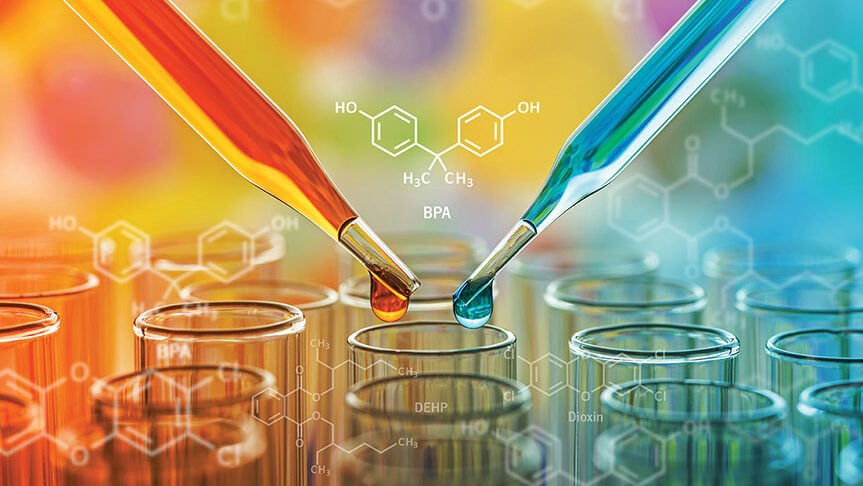
Furthermore, phthalates have been linked to oxidative stress and systemic inflammation. Both of these conditions are known precursors to preeclampsia. When the body is under oxidative stress, the placenta may not develop properly, leading to the release of factors into the maternal bloodstream that cause widespread vascular dysfunction and high blood pressure.
The Challenge of Replacement Chemicals
As public awareness of the dangers of traditional phthalates like DEHP (di-2-ethylhexyl phthalate) has grown, many manufacturers have shifted to "replacement chemicals." These are often structurally similar compounds designed to provide the same industrial benefits while technically allowing products to be labeled as "phthalate-free" or "BPA-free."
However, the ERGO study also examined these replacement chemicals and found that they may not be the safe alternatives they are marketed to be. The study’s inclusion of these compounds is a critical step in modern toxicology, as it addresses the "regrettable substitution" phenomenon—where one toxic chemical is replaced by another with similar or unknown health risks. Dr. Parra emphasized that additional studies are required to examine the potential roles of these replacement chemicals more closely.
Expert Reactions and Public Health Implications
The scientific community has reacted to the study with a call for both individual caution and systemic regulatory reform. Given that high blood pressure is a leading cause of maternal mortality—a statistic that has been rising in the U.S. in recent years—the ability to identify a modifiable risk factor is of paramount importance.
"While our study does not show that phthalates cause high blood pressure during pregnancy, it suggests that reducing exposure to this class of chemicals by limiting personal care products containing these ingredients, particularly those with fragrance, may be a way to address high blood pressure in pregnancy and improve pregnancy health," Parra added.
Medical professionals suggest that expectant mothers can take practical steps to reduce their chemical burden. These include:
- Choosing "fragrance-free" products over "unscented" ones (as unscented products may still contain masking fragrances).
- Reading labels to avoid ingredients like diethyl phthalate (DEP).
- Minimizing the use of plastic food containers, especially when heating food.
- Opting for fresh, whole foods over highly processed items packaged in plastic.
However, many experts argue that the burden of safety should not rest solely on the consumer. The widespread nature of these chemicals makes total avoidance nearly impossible. There is a growing movement calling for stricter regulations on the types of chemicals allowed in consumer products, particularly those marketed to women of childbearing age.
Chronology of Environmental Health Research
This study represents the latest chapter in a decades-long investigation into the health impacts of plasticizers.
- 1990s: Early animal studies began to show that phthalates could interfere with male reproductive development.
- 2000s: Human studies began to link phthalate exposure to reduced fertility and thyroid dysfunction.
- 2010s: Researchers started focusing more heavily on the "maternal-fetal interface," finding that phthalates could cross the placenta and affect the developing fetus.
- 2020s: Current research, like the ERGO study, is now connecting these exposures to acute maternal health crises like hypertension and gestational diabetes.
The progression of this research indicates a shift from looking at long-term developmental issues to understanding immediate, life-threatening complications during pregnancy.
Future Directions in Maternal-Fetal Medicine
The Harvard T.H. Chan School of Public Health team, which included contributors from the Centers for Disease Control and Prevention (CDC) and Beth Israel Deaconess Medical Center, has signaled that this is only the beginning of the investigation. Future research will likely focus on the specific molecular pathways that phthalates activate. Understanding whether these chemicals specifically target the kidneys, the heart, or the placental vasculature will be essential for developing treatments or interventions.
The study was supported by several prestigious institutions, including the National Institute of Environmental Health Sciences (NIEHS) and the National Institute of Diabetes and Digestive and Kidney Diseases (NIDDK). This level of funding underscores the federal government’s recognition of environmental toxins as a significant public health threat.
As the medical community continues to grapple with the complexities of maternal health, the role of the environment is becoming impossible to ignore. For the 13% of women who develop hypertensive disorders during pregnancy, the discovery that everyday products could be a contributing factor is both a warning and an opportunity for prevention. By addressing the "fragrance-associated" risks and moving toward a more transparent chemical marketplace, public health officials hope to turn the tide on maternal mortality and ensure safer pregnancies for future generations.