



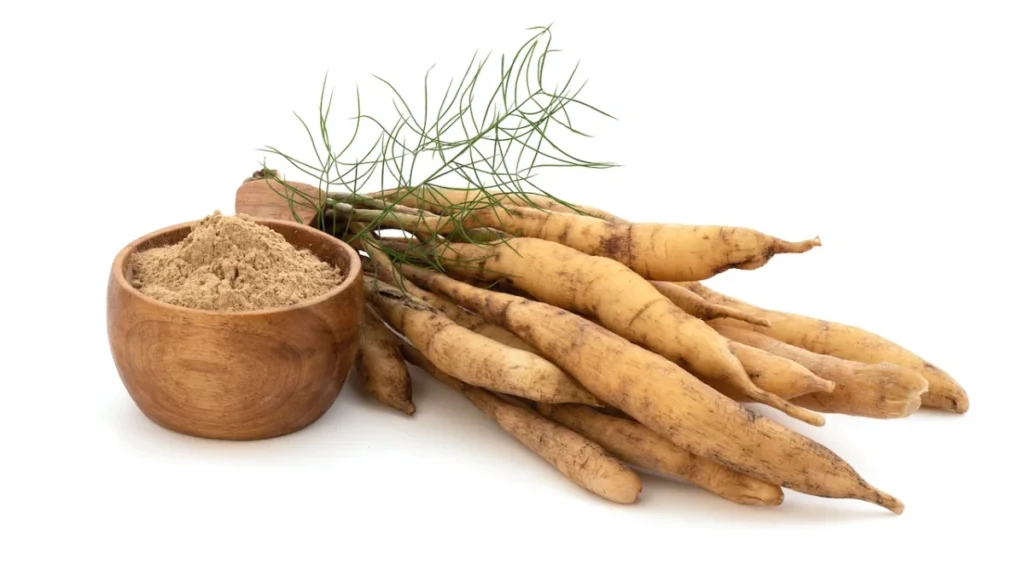
The women’s health sector within the dietary supplement industry is experiencing a significant surge, with a particular spotlight on Ayurvedic botanicals. Among these, shatavari (Asparagus racemosus) has emerged as a prominent ingredient, appearing in a growing number of women’s hormonal health formulations. This rise is not merely a fleeting trend; it is underpinned by a solid foundation of scientific research, validating the efficacy of this ancient herb. A recent study, focusing on Aspuræ, a standardized extract developed by Waleria Healthtech, further solidifies shatavari’s position, with findings published in the Journal of Dietary Supplements detailing its comprehensive benefits in managing perimenopausal symptoms.
The evolving landscape of supplement development is increasingly recognizing the importance of life stages, a shift that is particularly pronounced in women’s health. As awareness and demand for targeted women’s health solutions grow, brands are strategically focusing on specific phases of a woman’s life, with perimenopause emerging as a critical area of interest. By offering effective solutions earlier in a woman’s reproductive journey, the industry aims to foster brand loyalty and expand market reach into subsequent life stages.
Komal Baldwa, CEO and founder of Waleria Healthtech, articulated this market dynamic, stating, "Consumers are looking for solutions that are relevant to the life stage they are in and the needs they are experiencing." This consumer-driven demand for tailored support is fueling innovation in ingredient development and product formulation.

Baldwa further elaborated on the historical context of shatavari, noting, "In Ayurvedic heritage, shatavari is positioned as a Rasayana traditionally associated with women’s reproductive health, vitality, and nourishment. It has a much broader history in women’s health than its current association with perimenopause and menopause." This rich legacy provides a deep well of traditional knowledge that is now being systematically explored and validated through modern scientific inquiry. The term "Rasayana" in Ayurveda refers to rejuvenating or restorative therapies, highlighting the herb’s long-standing reputation for promoting vitality and longevity.
Key Findings from the Latest Shatavari Research
The recent study on Aspuræ underscores shatavari’s capacity to support perimenopausal women across a spectrum of symptoms. These benefits range from alleviating common complaints such as hot flashes and irritability to addressing challenges related to sleep disturbances and fatigue. Komal Baldwa expressed enthusiasm for the breadth of these findings, stating, "These findings strengthen the clinical evidence for Aspuræ in perimenopause, where symptoms can be broader and more variable, supporting a broader, more targeted approach to women’s health."
This comprehensive effect of a single botanical offers significant advantages for product developers. As Baldwa explained, it enables the creation of formulations that can address multiple consumer needs, all backed by robust clinical data. This efficiency in ingredient utilization and the assurance of scientific validation are highly valued in a competitive market.
Investigating the Efficacy of Aspuræ: Study Design and Methodology
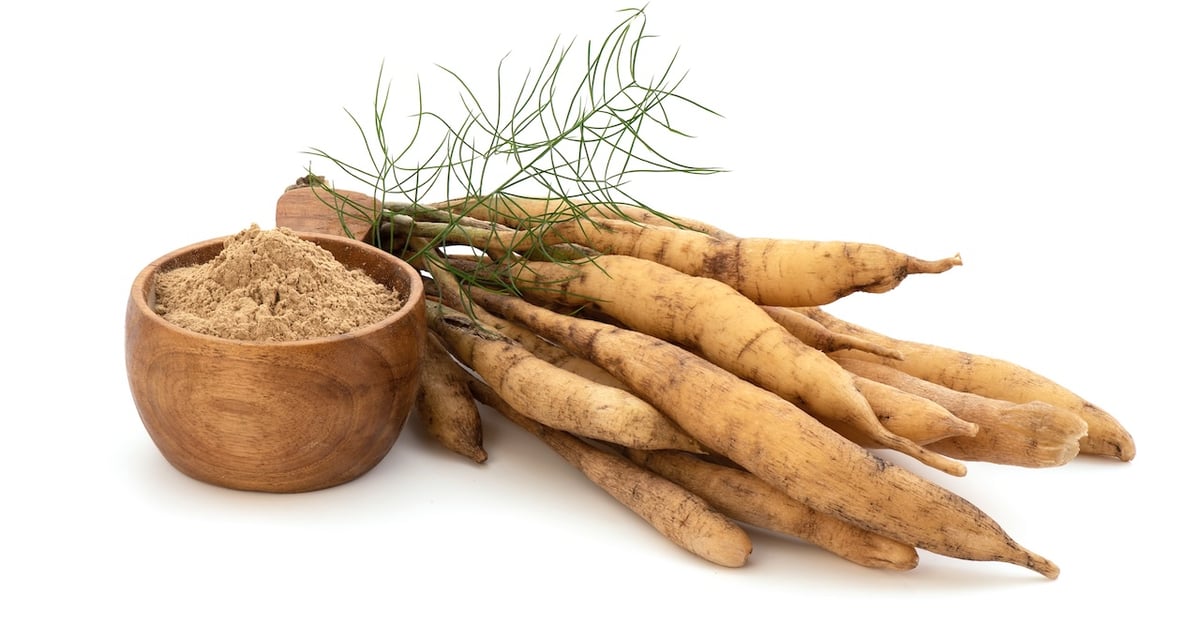
The clinical trial focused on a specific, standardized shatavari extract known as Aspuræ, developed and marketed by Waleria Healthtech. This extract is derived from the root of the shatavari plant and is standardized to contain 5% shatavarins, ensuring a consistent and potent dose for research purposes. The standardization process is crucial in botanical research, as it minimizes variability in the plant material and allows for more reliable and reproducible study outcomes.
The trial was designed as a placebo-controlled study to rigorously assess the effects of Aspuræ on perimenopausal women. Participants were carefully selected based on specific criteria related to their menopausal status and the presence of common perimenopausal symptoms. The study adhered to established scientific protocols to ensure the validity and integrity of the collected data.
Perimenopausal Symptom Management: Clinical Trial Results
The results of the clinical trial demonstrated a statistically significant reduction in the frequency of perimenopausal symptoms among women who supplemented with the shatavari extract compared to those receiving a placebo. Notably, these differences began to appear as early as two weeks into the supplementation period. Similarly, symptom intensity scores showed a parallel trend, with statistically significant decreases observed after four weeks of treatment.
While both the supplement and placebo groups experienced a reduction in hot flashes at four weeks and beyond, the percentage decrease was consistently greater in the group receiving shatavari. This suggests that shatavari actively contributes to mitigating the severity and frequency of this hallmark perimenopausal symptom.
Beyond hot flashes, the study revealed a range of other positive outcomes. Participants supplementing with Aspuræ reported notable improvements in their menopause-specific quality of life, a reduction in feelings of irritability, better sleep quality (addressing insomnia), decreased fatigue, and enhanced sexual function. These findings highlight the multifaceted impact of shatavari on the overall well-being of women transitioning through perimenopause.
Furthermore, the research delved into the hormonal effects of shatavari supplementation. The study observed an increase in estradiol and progesterone levels, two key hormones crucial for reproductive health and overall hormonal balance. Concurrently, there was a decrease in follicle-stimulating hormone (FSH) and luteinizing hormone (LH) levels. These hormonal shifts are indicative of shatavari’s potential to help regulate the endocrine system during perimenopause. It is important to note that testosterone levels were not significantly affected by the shatavari supplementation.
Crucially, the trial reported no adverse events among participants, and comprehensive blood tests showed no detrimental changes in metabolic biomarkers or liver and kidney function. This safety profile is a significant factor for both consumers and regulatory bodies, reinforcing the viability of shatavari as a safe and effective natural intervention.
Building on a Growing Body of Shatavari Research
This latest study adds to an expanding corpus of scientific evidence supporting the efficacy of shatavari. In recent months, several clinical trials investigating shatavari have been published, further illuminating its potential benefits for women’s health. Previous research reported by SupplySide Supplement Journal has documented the herb’s ability to balance hormones in menopausal women, alleviate symptoms in both menopausal and perimenopausal women, and work synergistically with other botanicals, such as fenugreek, to address menopausal discomforts.
Additional scientific investigations suggest that shatavari may also offer benefits for women experiencing polycystic ovary syndrome (PCOS), an endocrine disorder affecting reproductive health. Furthermore, there is evidence indicating its potential to improve post-partum lactation, underscoring its historical role in supporting women’s reproductive and maternal health.
The ongoing research into shatavari’s applications continues to expand. Baldwa indicated that current studies are exploring its effects in postmenopausal women and those experiencing premenstrual syndrome (PMS). New endpoints being investigated include fatigue and libido, suggesting that the focus is shifting beyond perimenopause to encompass a broader spectrum of women’s health needs throughout their lives.
"Rather than asking, ‘Where can shatavari fit beyond menopause?’ we see a bigger opportunity," Baldwa stated, reframing the research objective. "How can we build clinically relevant shatavari solutions for every stage of women’s health?" This forward-looking approach signifies a commitment to unlocking the full potential of this ancient herb for contemporary women’s health challenges.
The Broader Implications for the Women’s Health Market
The sustained interest and increasing scientific validation of shatavari have profound implications for the dietary supplement industry and the broader women’s health landscape. As consumers become more informed and proactive about managing their health, particularly during transitional life stages like perimenopause, they are actively seeking natural, evidence-based solutions. Shatavari, with its long history of traditional use and growing body of clinical research, is well-positioned to meet this demand.
For ingredient suppliers and manufacturers, the robust scientific backing of shatavari translates into market opportunities. The ability to offer a standardized extract like Aspuræ, supported by compelling clinical data, allows for the development of highly targeted and efficacious products. This can lead to stronger brand positioning, increased consumer trust, and a competitive edge in a crowded market.
The emphasis on life-stage specific solutions also signifies a maturation of the women’s health market. Gone are the days of a one-size-fits-all approach. The industry is increasingly understanding that women’s health needs are dynamic and change significantly throughout their lives. This nuanced perspective allows for the development of more personalized and effective interventions.
The success of shatavari also highlights the value of integrating traditional knowledge with modern scientific methodologies. Ayurveda, with its millennia-old wisdom regarding botanical medicine, offers a rich source of potential health solutions. By subjecting these traditional remedies to rigorous scientific scrutiny, the industry can unlock their full potential and bring them to a wider audience.
Furthermore, the focus on safety and efficacy, as demonstrated by the recent trial’s findings of no adverse events and no negative impact on key biomarkers, is paramount for sustained growth in the supplement industry. Consumers are increasingly discerning, demanding products that are not only effective but also safe for long-term use. Shatavari’s favorable safety profile further enhances its appeal.
As research continues to expand the understanding of shatavari’s applications, it is likely to become an even more integral component of women’s health formulations. The journey from an ancient Ayurvedic remedy to a scientifically validated, modern supplement ingredient demonstrates the enduring power of nature and the critical role of ongoing research in advancing human health and well-being. The strategic focus on addressing specific life stages, coupled with the proven efficacy and safety of ingredients like shatavari, signals a promising future for women’s health innovation in the dietary supplement sector.