






The Endocrine Society and Keystone Symposia have announced a landmark partnership to launch a specialized series of scientific meetings aimed at exploring the critical intersections of hormone signaling, oncology, diabetes, and cardiometabolic health. This collaboration represents a significant shift toward interdisciplinary research, seeking to break down traditional silos that have historically separated endocrinology from other major fields of medical science. By pooling their respective expertise, the two organizations aim to accelerate the translation of basic scientific discoveries into clinical applications that can address some of the world’s most pressing health challenges.
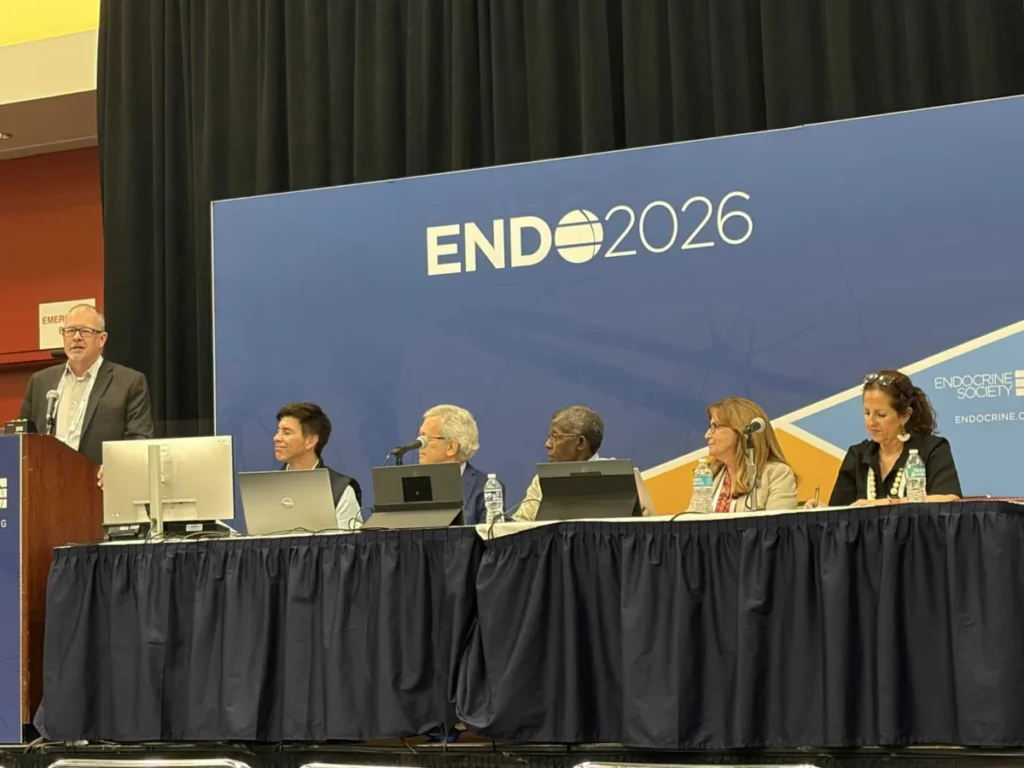
The initiative was formally introduced during a high-level symposium held in June at ENDO 2026 in Chicago, Illinois. At this gathering, leaders from both organizations outlined a vision for a conference series that prioritizes "intersectional" science—the study of how disparate biological systems interact to drive disease progression. The partnership comes at a time when the sheer volume of scientific data is overwhelming individual researchers, necessitating new frameworks for collaboration and knowledge synthesis.
A Strategic Timeline for Scientific Innovation
The conference series is scheduled to roll out over the next two years, beginning with a focus on the immune system’s relationship with hormonal health. The inaugural event, titled "Hormonal Influences on Immunity and Cancer Across the Lifespan," is set to take place from October 5 to 8, 2026, in Breckenridge, Colorado. This meeting will explore how hormonal fluctuations throughout a person’s life—from puberty to menopause and aging—impact immune surveillance and the development of malignancies.

Following the October launch, the series will continue into early 2027 with two back-to-back meetings in Colorado. These subsequent sessions will focus on diabetes and cardiometabolic disease, respectively. By scheduling these events in close proximity, the organizers hope to encourage a "crossover" audience of researchers who can apply insights from glucose metabolism to cardiovascular pathology.
The timeline reflects a deliberate effort to create a sustained dialogue among scientists. Rather than isolated annual events, this series is designed as a cohesive journey through the endocrine-driven mechanisms of chronic disease. Registration for the first meeting in Breckenridge has already opened, signaling strong momentum for the initiative.
The Rising Global Burden of Hormonal and Metabolic Disorders
The necessity of this partnership is underscored by the escalating global prevalence of the diseases under discussion. According to data from the International Diabetes Federation (IDF), approximately 537 million adults are currently living with diabetes, a number projected to rise to 783 million by 2045. Furthermore, cardiometabolic diseases remains the leading cause of death globally, accounting for nearly 18 million deaths annually, according to the World Health Organization (WHO).
The link between these metabolic conditions and cancer is increasingly recognized but remains insufficiently understood. Research suggests that insulin resistance and chronic inflammation—hallmarks of diabetes and obesity—create a hormonal environment conducive to tumor growth. For instance, high levels of circulating insulin and insulin-like growth factors (IGFs) have been linked to an increased risk of breast, colorectal, and pancreatic cancers. By addressing these issues at the intersectional level, the Endocrine Society and Keystone Symposia hope to identify new therapeutic targets that could simultaneously treat metabolic dysfunction and reduce cancer risk.
Breaking Disciplinary Boundaries in the Age of Big Data
A central theme of the ENDO 2026 symposium was the challenge of "information silos." James Baumgartner, PhD, President and CEO of Keystone Symposia, noted that while the digital age has led to an explosion of published data, the speed of scientific advancement is often hindered by the fact that researchers tend to stay within their narrow specialties.
"Biology doesn’t know any boundaries. Health and disease don’t know boundaries," Baumgartner stated during the symposium. He emphasized that the most profound discoveries are currently occurring at the "interfaces" between different disciplines. By convening experts from immunology, oncology, and endocrinology, the conference series aims to foster a holistic understanding of human biology that transcends traditional department lines.
This sentiment was echoed by other participants who argued that the complexity of modern medicine requires a "systems biology" approach. Instead of looking at a single hormone or a single gene, researchers must look at how hormonal signaling networks interact with the immune system and the metabolic environment to influence the entire organism.
Fostering Translational Research: From Bench to Bedside
One of the primary goals of the collaboration is to bridge the gap between basic laboratory research and clinical practice. Professor Ines Pineda Torra, PhD, of the Fundacion Progreso y Salud in Seville, Spain, highlighted how these meetings provide a vital context for researchers. She noted that seeing how basic science fits into the broader clinical landscape can inspire new research directions.
"Coming to these meetings, you see the context, you see where your work fits," Torra said. She explained that a researcher working on a specific cellular pathway in a lab might see a clinical presentation at a conference and realize how their work could be applied to a human disease model. This "bench-to-bedside" exchange is critical for the development of new drugs and diagnostic tools.
The conferences are structured to facilitate this exchange through intimate networking sessions, poster presentations, and interactive panels. By moving away from large, anonymous conventions toward smaller, focused meetings, the organizers hope to spark the "eureka" moments that lead to medical breakthroughs.
Bridging the Divide Between Academia and Industry
The partnership also seeks to integrate academic research with industry innovation. E. Dale Abel, MD, PhD, Past-President of the Endocrine Society, emphasized that the intersectional approach creates a unique space for academic scientists to interact with those working in the pharmaceutical and biotechnology sectors.
In the modern research ecosystem, industry partnership is often essential for the late-stage development of therapeutics. However, the initial sparks of innovation often occur in academic labs. By bringing these two groups together, the conference series can facilitate the licensing of new technologies and the formation of research consortia.
Furthermore, the presence of industry representatives allows academic researchers to understand the regulatory and commercial hurdles involved in bringing a drug to market. This knowledge can help scientists design their studies more effectively, ensuring that their findings have the greatest possible impact on patient care.
Cultivating the Next Generation of Endocrine Researchers
A significant portion of the symposium was dedicated to the role of early-career professionals. Both the Endocrine Society and Keystone Symposia have long-standing commitments to mentorship, and this new series is no exception. The relatively small scale of these meetings allows students and postdoctoral fellows to interact directly with "titans of the field" in a way that is often impossible at larger international congresses.
Dr. Abel noted that the organizations are "unflinching" in their commitment to ensuring that emerging scientists have a voice and a home within the community. This focus on mentorship is seen as an investment in the future of the field. By providing young researchers with access to high-level mentorship and career support, the partnership ensures a steady pipeline of talent to tackle the health crises of the future.
For early-career professionals, these meetings offer more than just learning opportunities; they provide a platform to present their own work to a global audience of experts. This exposure is often a catalyst for career-defining collaborations and job opportunities in both academia and industry.
The Synergistic Power of Institutional Collaboration
The collaboration leverages the unique strengths of two of the most respected organizations in the life sciences. The Endocrine Society, founded in 1916, is the world’s oldest and largest organization devoted to hormone research and the clinical practice of endocrinology. Keystone Symposia, meanwhile, is renowned for its ability to organize high-level, specialized scientific retreats that foster deep intellectual engagement.
Roger Cone, PhD, Mary Sue Coleman Director of the Life Sciences Institute at the University of Michigan, observed that the two organizations complement each other perfectly. "Each society and each meeting brings novel strengths," Cone said. He noted that by working together, they can create "new things that don’t exist now at either of the two institutions."
This synergy is expected to manifest in coordinated programming that covers the entire spectrum of research—from the most basic molecular studies to the most complex clinical trials. The partnership also allows for a more efficient use of resources, enabling the organizations to host high-quality events in locations that facilitate focus and networking, such as the Colorado mountains.
Shaping the Future of Global Health
As the medical community looks toward the future, the integration of endocrinology with other disciplines is likely to become the standard rather than the exception. The "Hormonal Influences" series serves as a pilot for this new era of integrated science. By focusing on the hormonal drivers of cancer and cardiometabolic disease, the Endocrine Society and Keystone Symposia are targeting the core mechanisms that underlie much of human morbidity.
The implications of this work extend beyond the laboratory. Insights gained from these meetings could inform public health policies, particularly regarding the prevention of metabolic syndrome and its associated cancers. Moreover, as precision medicine continues to evolve, understanding an individual’s unique hormonal profile will be essential for tailoring treatments to their specific biological needs.
The October 2026 meeting in Breckenridge will be the first test of this ambitious partnership. If successful, it could pave the way for a new model of scientific gathering—one that is defined not by the boundaries of a specific department, but by the shared goal of solving the most complex puzzles of human health. Researchers, clinicians, and industry leaders are now looking toward Colorado as the next frontier in the fight against chronic disease.