








Monterey Nutra, a prominent U.S.-based supplier of functional mushroom ingredients, has significantly expanded its manufacturing capabilities, doubling its production capacity with the completion of a major expansion project in July 2026. This strategic move addresses a growing demand for domestically sourced ingredients and underscores the company’s commitment to bolstering supply chain resilience. The expansion not only enhances Monterey Nutra’s ability to meet escalating local demand but also challenges a persistent misconception that U.S. growers cannot compete with the vast production capacities historically dominated by overseas markets, particularly in Asia.
Amir Karian, VP of nutraceuticals at Monterey Nutra, highlighted the historical reliance on international production for powders and extracts utilized in supplements, beverages, and functional foods. "That imbalance is one of the reasons Monterey Nutra has invested in U.S. cultivation, processing, and analytical capabilities," Karian stated, emphasizing the company’s proactive approach to rectifying this dependency. The company’s investment signifies a broader industry trend towards onshoring and nearshoring of critical ingredient supply chains, driven by a confluence of geopolitical considerations, consumer preferences, and a desire for greater transparency and quality control.
The impetus for Monterey Nutra’s expansion is multifaceted, rooted in evolving client demands and a heightened consumer awareness regarding ingredient provenance and efficacy. Karian noted that clients are increasingly prioritizing supply chain resilience, a factor that has gained significant traction following recent global disruptions. This focus on robustness is complemented by a growing consumer demand for ingredients sourced domestically. Beyond the origin of ingredients, consumers are demonstrating a more nuanced understanding of the specific benefits offered by various mushroom species. This shift from general category awareness to an interest in targeted benefits necessitates extracts that are standardized for key active compounds, ensuring consistent potency and efficacy. Monterey Nutra’s expanded capacity is thus geared towards meeting this demand for precise, high-quality, and traceable functional mushroom ingredients.

Furthermore, Karian pointed to significant growth in novel supplement formats beyond traditional capsules. The demand for mushroom ingredients is expanding into gummies, hydration products, functional foods, and ready-to-drink (RTD) beverages. This diversification of product applications introduces new technical challenges and requirements for ingredient suppliers. "That creates new requirements around solubility, flavor, texture, and stability," Karian explained. "The ingredient must not only sound compelling; it has to work in the finished product." Monterey Nutra’s investment in enhanced processing and analytical capabilities is designed to ensure their ingredients meet these stringent performance criteria across a wide array of consumer-facing products. The company’s commitment to U.S.-based operations also allows for greater agility in responding to market trends and custom formulation needs, further solidifying its position as a key partner in the domestic nutraceutical supply chain.
The expansion project, completed in July 2026, represents a significant milestone for Monterey Nutra. Prior to this, the company operated at a capacity that, while substantial, was becoming insufficient to meet the accelerating demand for its functional mushroom ingredients. Industry analysts have noted that the global market for mushroom-based ingredients has seen a compound annual growth rate (CAGR) of approximately 8-10% over the past five years, driven by their perceived health benefits, including immune support, cognitive enhancement, and stress reduction. Monterey Nutra’s doubling of capacity positions them to capture a larger share of this burgeoning market, particularly within North America. The strategic choice to invest in domestic cultivation and processing also aligns with governmental initiatives aimed at strengthening domestic manufacturing and reducing reliance on foreign supply chains. This move could potentially set a new benchmark for U.S.-based ingredient suppliers in the functional mushroom sector, encouraging further investment and innovation within the domestic agricultural and biotechnological landscape.
Clinical Currents and Science News: Unlocking Synergies in Cognitive and Weight Management
Emerging research continues to illuminate the powerful synergistic effects of combining specific active ingredients, revealing significant benefits for cognitive function and weight management. A recent synthesis of preclinical and clinical studies suggests that multi-ingredient formulations can achieve outcomes superior to those of single compounds, addressing complex physiological pathways with greater efficacy.

For cognitive health, studies are increasingly focusing on the interplay between nootropics, adaptogens, and specific micronutrients. For instance, research has explored the combination of Bacopa monnieri, a well-established adaptogen known for its memory-enhancing properties, with L-theanine, an amino acid found in tea that promotes relaxation and focus, and specific B vitamins crucial for neurotransmitter synthesis. This tripartite approach aims to simultaneously reduce cognitive load, improve attention, and support the underlying biochemical processes necessary for optimal brain function. Data from preliminary trials indicate that such combinations can lead to measurable improvements in reaction time, working memory, and sustained attention compared to placebo or single-ingredient interventions. The rationale behind these combinations lies in their ability to target different facets of cognitive performance: Bacopa monnieri may support neuronal plasticity, L-theanine can modulate alpha brain waves to induce a calm yet alert state, and B vitamins provide essential cofactors for energy metabolism and neurotransmitter production.
In the realm of weight management, scientific interest is intensifying around formulations that address multiple factors contributing to weight gain and difficulty in losing weight. This includes strategies to enhance satiety, boost metabolism, regulate blood sugar, and reduce fat absorption. Emerging research highlights the potential of combining soluble fibers, such as glucomannan or psyllium husk, with ingredients that influence thermogenesis or lipid metabolism. For example, the combination of soluble fiber with green tea extract, rich in catechins like epigallocatechin gallate (EGCG), has shown promise. Soluble fibers promote a feeling of fullness, slowing digestion and nutrient absorption, while EGCG has been associated with increased thermogenesis and fat oxidation. Further synergistic effects are being observed with the inclusion of specific probiotics that influence gut microbiota composition, which is increasingly recognized as a key player in metabolic health and weight regulation. Early-stage human trials suggest that such integrated approaches can lead to greater reductions in body weight and waist circumference, alongside improvements in markers of metabolic health such as insulin sensitivity, compared to single-agent therapies. The complexity of weight management, involving hormonal, metabolic, and behavioral components, often necessitates a multi-pronged approach, making these ingredient combinations particularly compelling.
The growing body of evidence supporting ingredient synergy is driving innovation in the dietary supplement market. Manufacturers are increasingly moving beyond single-ingredient products to develop sophisticated formulations that leverage these combined effects. This trend reflects a maturation of the industry, where scientific understanding is increasingly informing product development, leading to more targeted and effective solutions for consumers seeking to optimize their health and well-being. The development of these advanced formulations requires rigorous scientific validation and careful consideration of ingredient interactions to ensure safety and efficacy.
Dietary Supplement Finished Product News: Detoxification and Peptide Innovations Take Center Stage
The finished product landscape in the dietary supplement sector is currently buzzing with innovation, particularly in the categories of detoxification and peptide-based products. Consumers are actively seeking solutions that align with modern wellness trends, leading manufacturers to develop novel offerings that cater to these evolving demands.
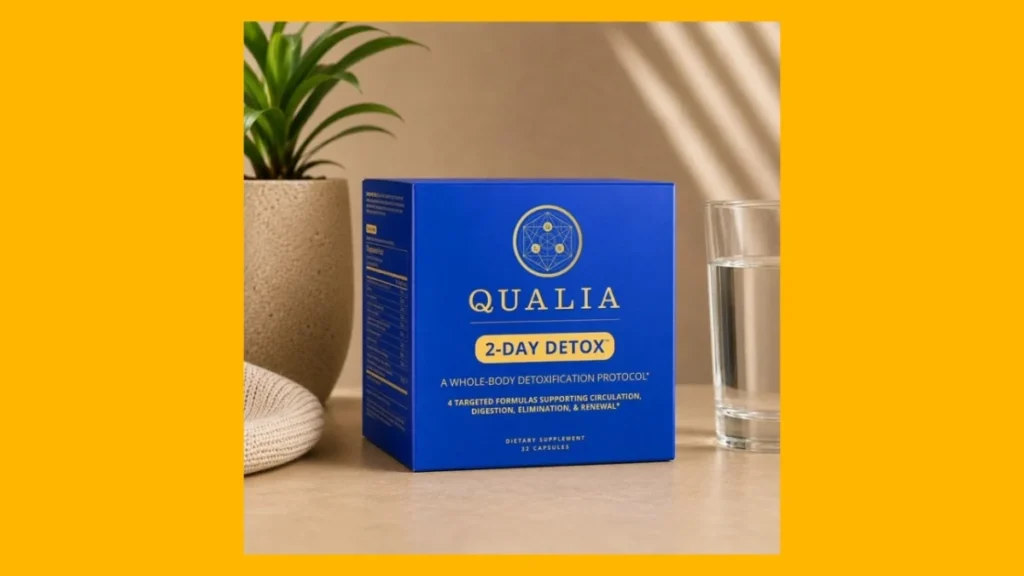
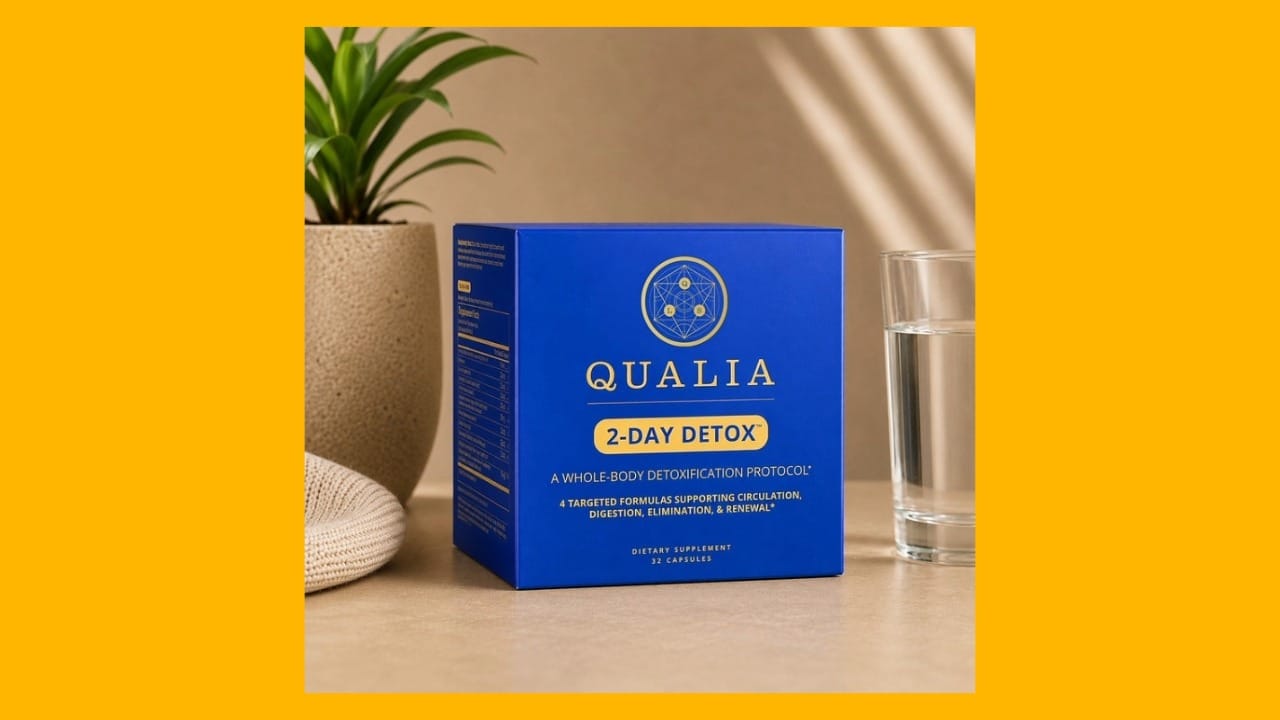
One notable product launch is Qualia’s new 2-Day Detox, a dietary supplement regimen explicitly designed to offer a more accessible and time-efficient alternative to traditional, often arduous, detoxification protocols. This product signals a shift towards convenience and rapid results in the detox market. Traditional detox programs can span several days or even weeks, involving strict dietary restrictions and extensive supplement regimens. The appeal of a 2-day program lies in its ability to fit into busy modern lifestyles, offering a quick reset. The formulation likely includes a combination of ingredients known for their liver support, antioxidant properties, and gentle elimination support, such as milk thistle, N-acetyl cysteine (NAC), and various botanical extracts. The underlying science for detoxification typically involves supporting the body’s natural phase I and phase II detoxification pathways, primarily in the liver, to neutralize and eliminate toxins. Products like Qualia’s 2-Day Detox aim to streamline this process, making it more manageable for a broader consumer base. The market for detox supplements is substantial, with reports indicating a global value in the billions of dollars, and the introduction of convenient, short-duration options is expected to further stimulate growth in this segment.
Simultaneously, the market is witnessing a significant surge in the introduction of peptide-based dietary supplements. Peptides, which are short chains of amino acids, play crucial roles in numerous biological processes and are gaining traction for their potential health-promoting benefits, ranging from muscle growth and recovery to skin health and immune modulation. This burgeoning category reflects a growing consumer interest in scientifically advanced ingredients with targeted physiological effects. Products are emerging that utilize peptides such as BPC-157, known for its potential in tissue repair and healing, and various collagen peptides, which are widely recognized for their benefits to skin, joint, and bone health. The scientific literature on the bioavailability and efficacy of orally administered peptides is still evolving, but early research and anecdotal evidence have fueled significant consumer interest. Regulatory bodies are closely monitoring this segment, and manufacturers are working to ensure their peptide products are both safe and supported by robust scientific backing. The inclusion of peptides represents a move towards more sophisticated and biologically active ingredients within the supplement space, appealing to consumers who are well-informed and seeking cutting-edge wellness solutions.
The launch of these innovative finished products underscores the dynamic nature of the dietary supplement industry. Manufacturers are responding to consumer desires for convenience, efficacy, and scientifically validated ingredients. The success of these new offerings will likely depend on their ability to deliver tangible results, maintain transparency regarding their formulations, and adhere to evolving regulatory standards. The continued introduction of novel products in categories like detoxification and peptide supplementation indicates a robust pipeline of innovation and a commitment to meeting the diverse and evolving needs of health-conscious consumers.
Company and Organization Updates: Industry Collaboration and Knowledge Sharing
The dietary supplement industry thrives on continuous innovation, driven by a collaborative spirit and the open sharing of scientific advancements and market insights. Organizations and companies within this sector are actively engaged in fostering an environment conducive to growth and development.
SupplySide Supplement Journal serves as a vital platform for disseminating crucial industry news, from groundbreaking scientific research to significant company announcements and product launches. The journal actively encourages industry stakeholders to share their latest developments, whether it be the launch of innovative ingredients, the publication of new clinical trials, or major strategic announcements. This commitment to knowledge exchange is essential for the industry’s advancement.
For companies and organizations looking to announce their latest achievements, SupplySide Supplement Journal provides a direct channel for reaching a targeted audience of industry professionals. As indicated by the journal’s outreach, "Launching innovative ingredients and products? Did you just publish a new clinical trial? Getting ready to announce something big? SupplySide Supplement Journal would love to know. Reach out to Devon at [email protected]." This open invitation highlights the journal’s role in facilitating industry communication and collaboration.
Devon Gholam, Ph.D., an editor at SupplySide Supplement Journal, brings a wealth of experience to her role, having spent nearly two decades in the functional food and nutraceutical industry. Her background spans product development, innovation, technical sales, and technical writing at notable companies such as the Kellogg Co., Ganeden Biotech (now part of Kerry), and Step Change Innovations. Dr. Gholam’s passion for women’s health and her keen interest in the impact of emerging trends, such as GLP-1 medication, on the food, beverage, and supplement industries, further enrich the journal’s content. Her dedication to sharing knowledge and promoting credible science aims to foster an innovative and collaborative spirit within the nutraceutical community.
This emphasis on collaboration and knowledge sharing is critical for an industry that is constantly evolving. By providing a platform for companies to announce their progress and for experts like Dr. Gholam to share their insights, SupplySide Supplement Journal contributes significantly to the collective intelligence and forward momentum of the dietary supplement sector. Such open communication channels ensure that the industry remains at the forefront of scientific discovery and market responsiveness, ultimately benefiting consumers with improved health and wellness solutions.