







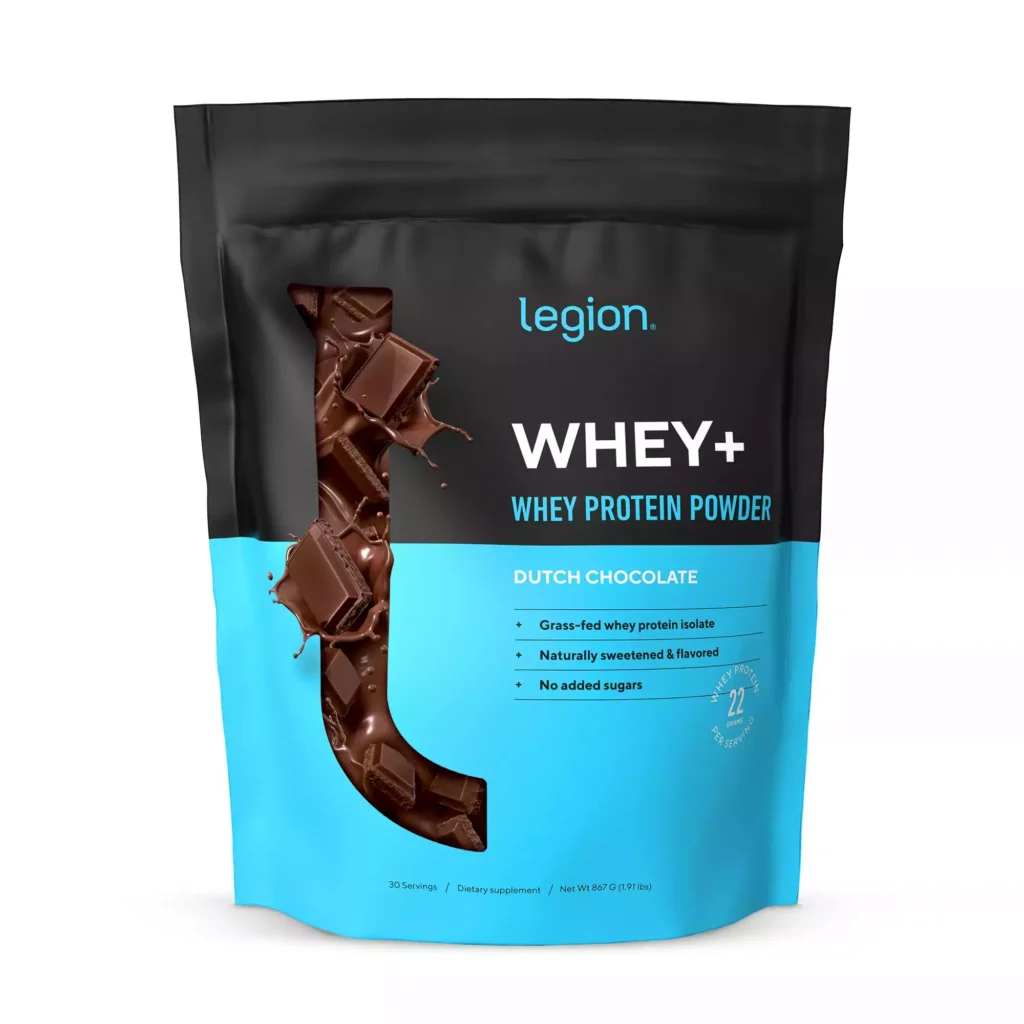
Whey protein powder stands as a cornerstone supplement for individuals seeking to enhance their daily protein intake, offering a straightforward and highly effective method to achieve this nutritional goal. Its popularity stems from its designation as a complete protein, meaning it provides all nine essential amino acids that the human body requires for muscle synthesis and repair. Furthermore, whey protein is a significant source of branched-chain amino acids (BCAAs), particularly leucine, which research has consistently linked to promoting muscle growth.
To navigate the competitive landscape of protein supplements and identify the premier options available in 2025, we consulted with Pete Nastasi, a Certified Nutrition Coach (C.N.C.). His expertise, combined with rigorous testing of over 50 protein powders, informed this comprehensive guide. This article delves into the distinct types of whey protein powders—concentrate, isolate, and hydrolysate—assisting consumers in selecting the best fit for their individual needs. It also outlines key nutritional information to consider and presents our top-tested selections.
Medical Disclaimer: This article is intended for educational and informational purposes only and does not constitute medical advice. Always consult with a licensed healthcare provider for any health concerns or before making any decisions related to your health or treatment.

Our Methodology: Identifying the Top Whey Protein Powders
The selection process for the best whey protein powders in 2025 was guided by a detailed scoring methodology, meticulously designed to evaluate a broad spectrum of product attributes. This approach ensured a comprehensive and unbiased assessment, focusing on factors critical to consumer satisfaction and efficacy. Key criteria included:
- Protein Content and Quality: The percentage of protein per serving, the source of the whey (e.g., grass-fed), and the amino acid profile were primary considerations.
- Ingredient Purity and Additives: An emphasis was placed on products with minimal artificial sweeteners, fillers, and unnecessary additives. Transparency in ingredient sourcing and manufacturing processes was also valued.
- Digestibility and Absorption: Factors such as the type of whey (isolate, hydrolysate for faster absorption) and the inclusion of digestive enzymes were evaluated to minimize potential gastrointestinal discomfort.
- Taste and Mixability: Subjective, yet crucial, aspects like flavor profiles and the ease with which the powder dissolves in liquids were assessed through extensive testing.
- Third-Party Certifications: Products that had undergone independent testing and received certifications from reputable organizations (e.g., Informed Sport, Labdoor) were given higher consideration, signifying a commitment to quality and safety.
- Value for Money: The cost per serving was analyzed to ensure that consumers receive high-quality products at a reasonable price point.
Our evaluation was further enriched by the insights of a distinguished panel of expert contributors, comprising registered dietitians and highly credentialed professionals in sports nutrition and exercise science. Their collective knowledge provided a scientific underpinning to our product assessments.
Our Top Picks for the Best Whey Protein Powders of 2025
After extensive research and hands-on testing, the following whey protein powders have emerged as the leading choices for consumers in 2025. Each selection addresses specific consumer needs and preferences, from purity and protein concentration to taste and sourcing.
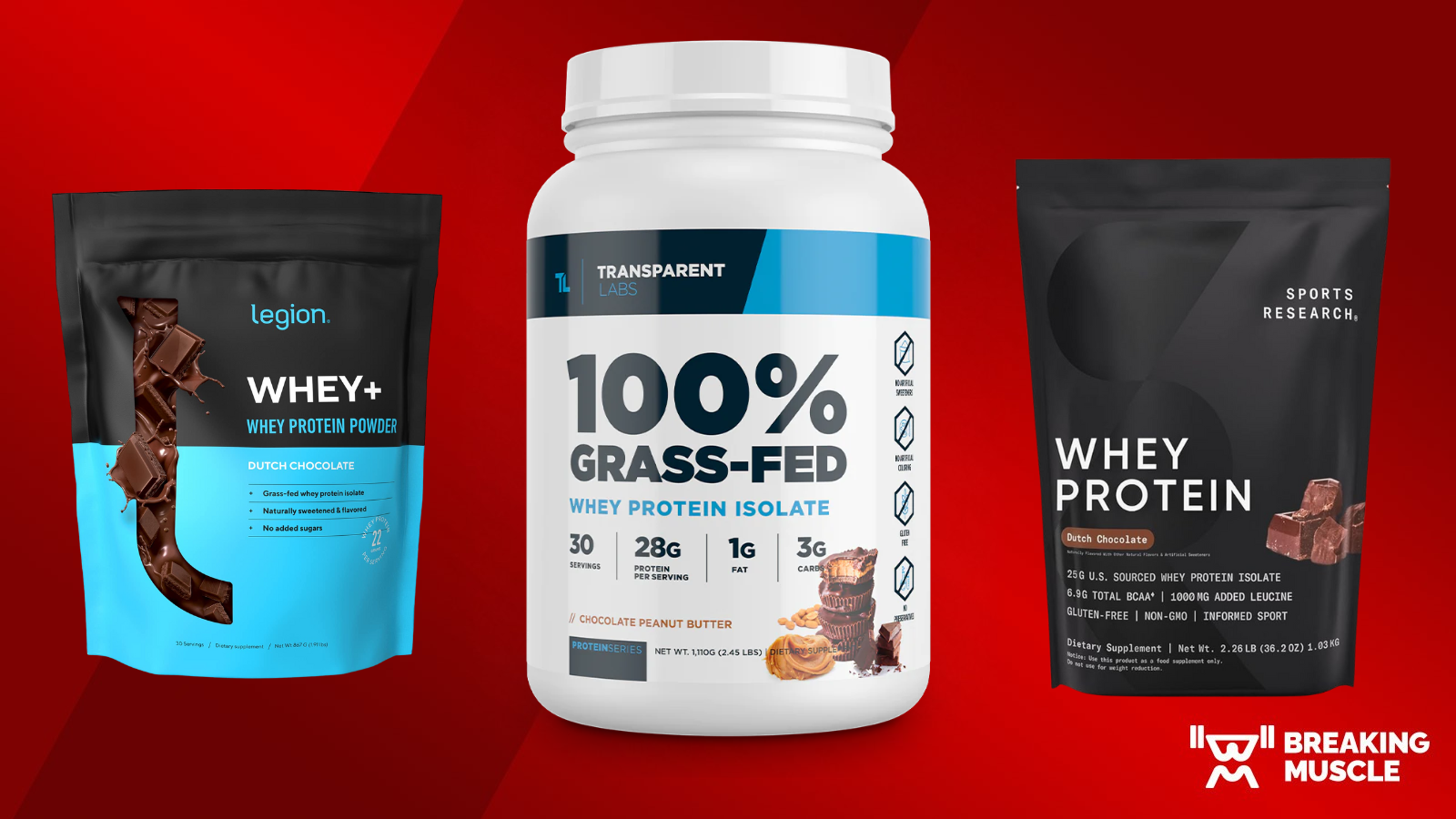
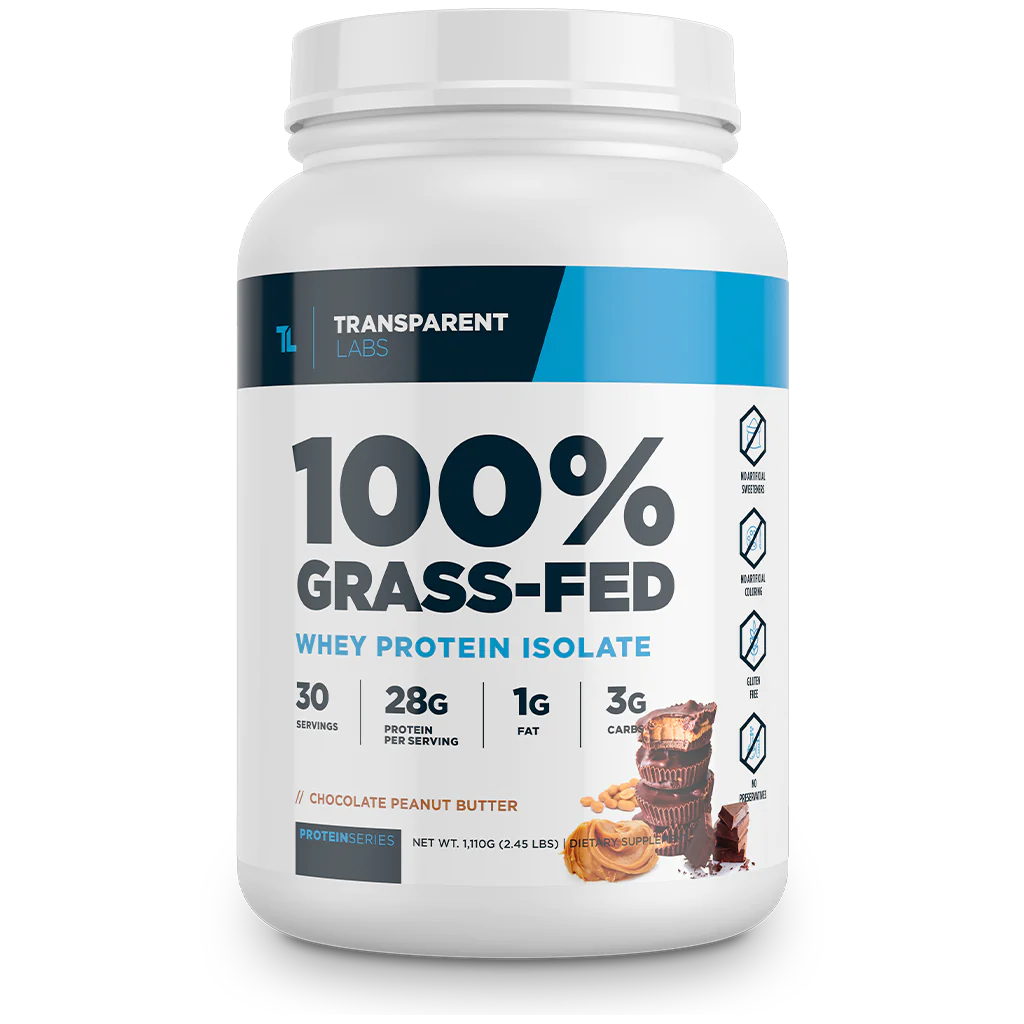
Best Overall Whey Protein Powder: Transparent Labs 100% Grass-Fed Whey Protein Isolate
Transparent Labs 100% Grass-Fed Whey Protein Isolate has set a new benchmark for purity and efficacy in the protein powder market for 2025. The brand’s commitment to a "no sugar, all protein" philosophy is evident in this product, which undergoes a rigorous filtration process. This advanced filtration method effectively removes excess sugar, fat, carbohydrates, and lactose, delivering a product that is exceptionally high in protein concentration. Whey protein isolate, by its nature, boasts the highest protein content among whey varieties, making it an ideal choice for individuals aiming to maximize protein intake while minimizing other macronutrients, particularly for those managing carbohydrate and fat consumption.
Each serving of Transparent Labs’ Whey Protein Isolate delivers an impressive 28 grams of protein, positioning it among the highest protein-per-serving options available. Beyond its nutritional prowess, the brand distinguishes itself with an extensive and creative flavor selection, including unique offerings like Cinnamon French Toast. Notably, the sweetness profile of these flavors is well-balanced, avoiding an overly sugary taste that can be common in other protein powders. This makes it highly versatile, allowing for seamless integration into fruit juices or smoothies without imparting an artificially sweet or cloying flavor. The grass-fed sourcing further enhances its appeal, aligning with consumer demand for sustainably produced and higher-quality ingredients.
Pros:
- Exceptional protein concentration (28g per serving).
- 100% grass-fed whey protein isolate for purity.
- Minimal sugar, fat, and carbohydrates.
- Wide range of appealing and unique flavors.
- Low sweetness, making it versatile for mixing.
- Third-party tested for quality and purity.
Cons:
- Premium pricing reflects the high quality and sourcing.
Best Grass-Fed Whey Protein: Sports Research Whey Protein
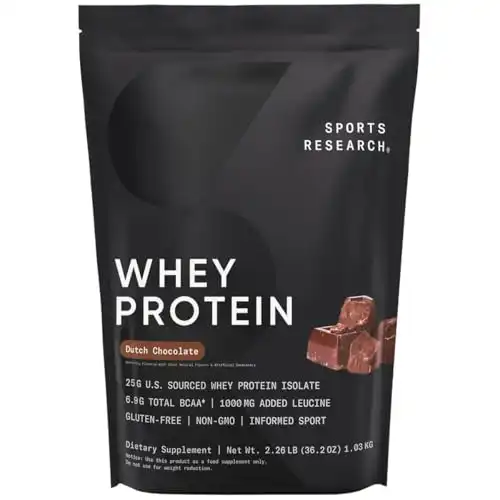
Sports Research Whey Protein distinguishes itself through its robust BCAA content, featuring 6.9 grams per serving, with a significant 1,000 milligrams of L-leucine. Leucine, a key BCAA, has been scientifically recognized for its role in mitigating delayed onset muscle soreness (DOMS), a common complaint among athletes and fitness enthusiasts. The formulation is sweetened with either stevia or sucralose, depending on the chosen flavor, which caters to a broad palate but may require consideration for individuals with sensitivities to these particular sweeteners.
The product holds Informed Sport Certification, a testament to its rigorous testing for banned substances and quality assurance, providing an extra layer of confidence for athletes. Rachel Pasche, a user and reviewer, has highlighted the exceptional taste of the Dutch Chocolate flavor, describing it as a delightful evening treat. She notes that while it might be perceived as sweet by some, she personally finds the flavor profile highly enjoyable, calling it her favorite to date. Pasche also commends the powder’s excellent mixability, noting its smooth integration with water, whether using a handheld mixer or a shaker cup. While a slight, temporary foam may appear, it dissipates quickly, and the absence of clumping is a significant advantage. Crucially, after six months of consistent use, Pasche reported experiencing no bloating, a common side effect some individuals encounter with whey protein supplements.
Pros:
- High BCAA content, including 1,000mg of L-leucine per serving.
- Informed Sport Certified for safety and quality.
- Excellent taste, particularly the Dutch Chocolate flavor.
- Superior mixability with minimal to no clumping.
- Reported to be gentle on the digestive system, reducing bloating.
- Grass-fed sourcing.
Cons:
- Sweetened with stevia or sucralose, which may not suit everyone.
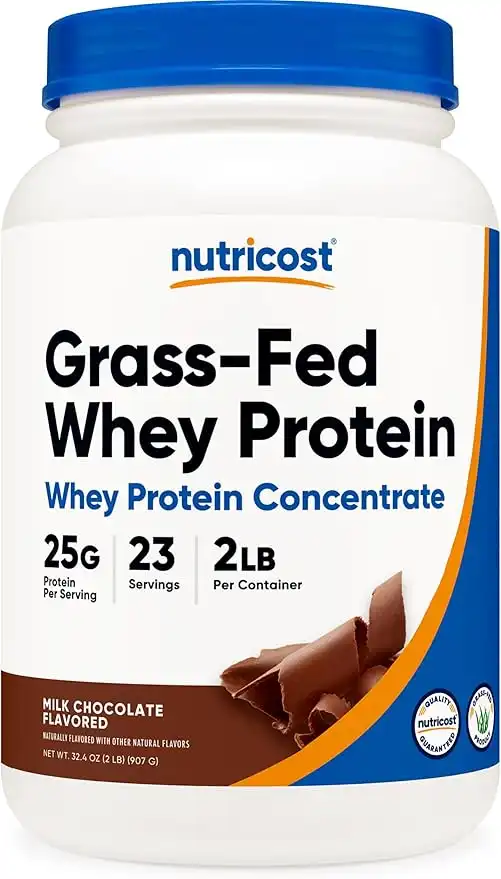
Best Grass-Fed Whey Protein Concentrate: Nutricost Grass-Fed Whey Protein Concentrate
The benefits of grass-fed whey protein are well-documented, with research indicating that dairy sourced from cows grazing on pasture exhibits a higher concentration of beneficial whey proteins and amino acids. This nutritional advantage can further enhance muscular training adaptations. Nutricost Grass-Fed Whey Protein Concentrate capitalizes on this, offering a high-quality protein source derived from grass-fed cows.
This protein powder is non-GMO, gluten-free, and subjected to rigorous third-party testing, ensuring a clean and reliable product. As a whey protein concentrate (WPC), it typically contains sunflower lecithin, an ingredient known to improve mixability. Testers have lauded its taste, with one reviewer likening it to the nostalgic flavor of Nesquik, and praised its mixability, noting it performs comparably to premium protein powders. When mixed with milk, the powder dissolves exceptionally well, with no discernible clumps. Even when left to sit for an extended period after initial mixing, the separation between the protein and milk was minimal, not detracting from the overall drinking experience.
Pros:
- Made with grass-fed whey protein concentrate.
- Non-GMO and gluten-free.
- Third-party tested for quality assurance.
- Pleasant, nostalgic taste profile.
- Excellent mixability with minimal separation.
- Affordable price point.
Cons:
- As a concentrate, it contains slightly more lactose and fat than isolates.
- Some minor separation may occur over time.
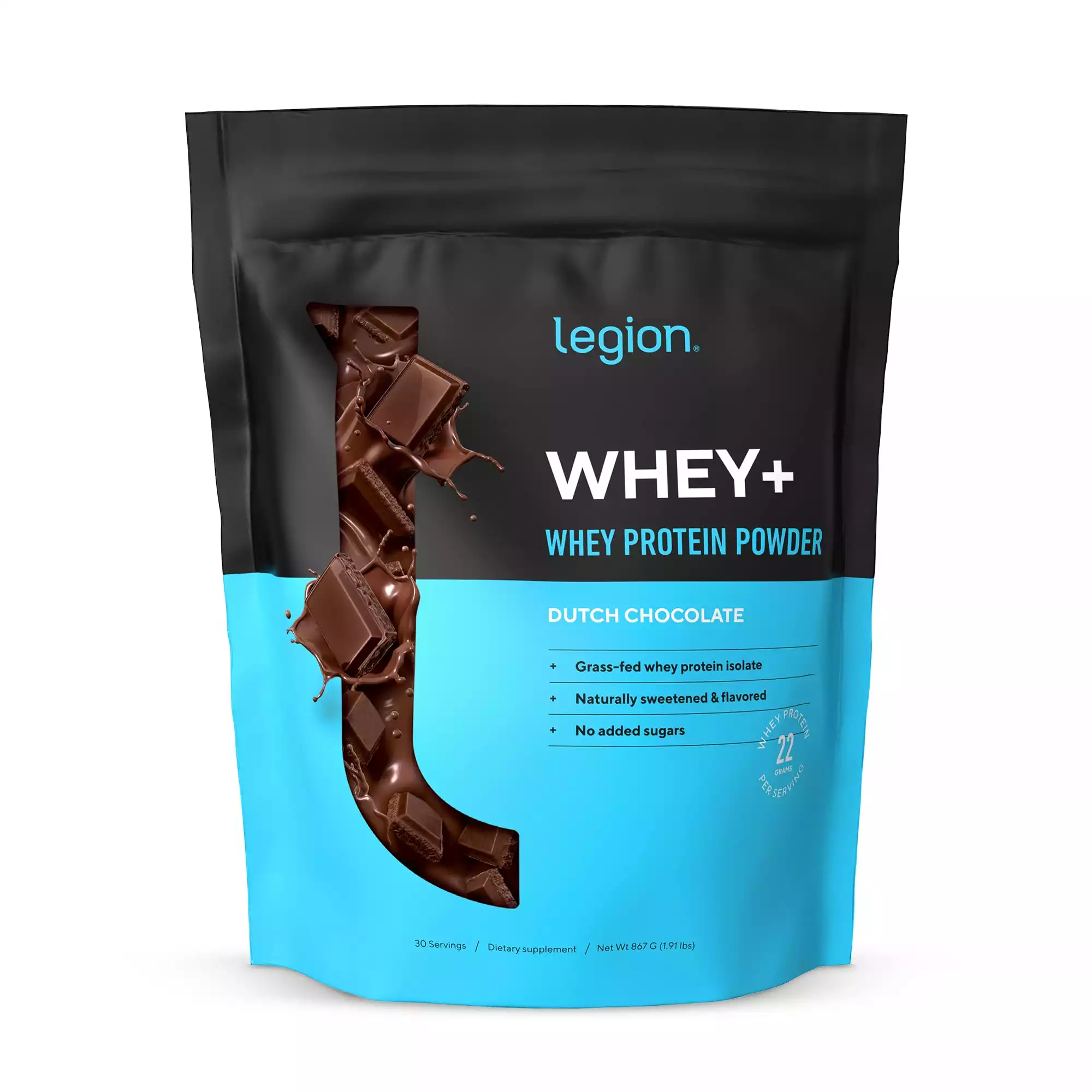
Best Vanilla Whey Protein: Legion Whey+
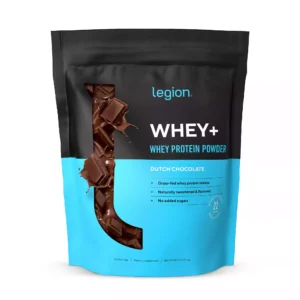
Legion Whey+ stands out due to its exceptional purity and commitment to ingredient integrity, underscored by its certification from Labdoor, recognized as a gold standard in third-party laboratory testing for supplements. This certification guarantees that the protein isolate is presented in its most pure and nutritionally dense form, free from contaminants such as pesticides and growth hormones. The manufacturing process for Legion Athletics whey involves meticulous filtration to remove excess carbohydrates and fats, ensuring that each serving is optimized for digestibility and intended to prevent bloating.
Testers have consistently awarded high marks for taste, with the French Vanilla flavor receiving particular acclaim. Reviewers have described it as reminiscent of a vanilla creamer, praising its authentic and delicious vanilla notes. This attention to flavor, combined with the product’s clean formulation, makes it a top choice for those seeking a high-quality vanilla-flavored whey protein. The focus on removing non-protein elements not only enhances purity but also contributes to a smoother, more easily digestible product, aligning with the brand’s promise of bloat-free consumption.
Pros:
- Labdoor certified for purity and safety.
- High-quality whey protein isolate with minimal additives.
- Filtered to remove excess carbs and fats for better digestion.
- Excellent flavor, especially French Vanilla.
- Designed for bloat-free consumption.
- Grass-fed sourced.
Cons:
- Can be on the higher end of the price spectrum.
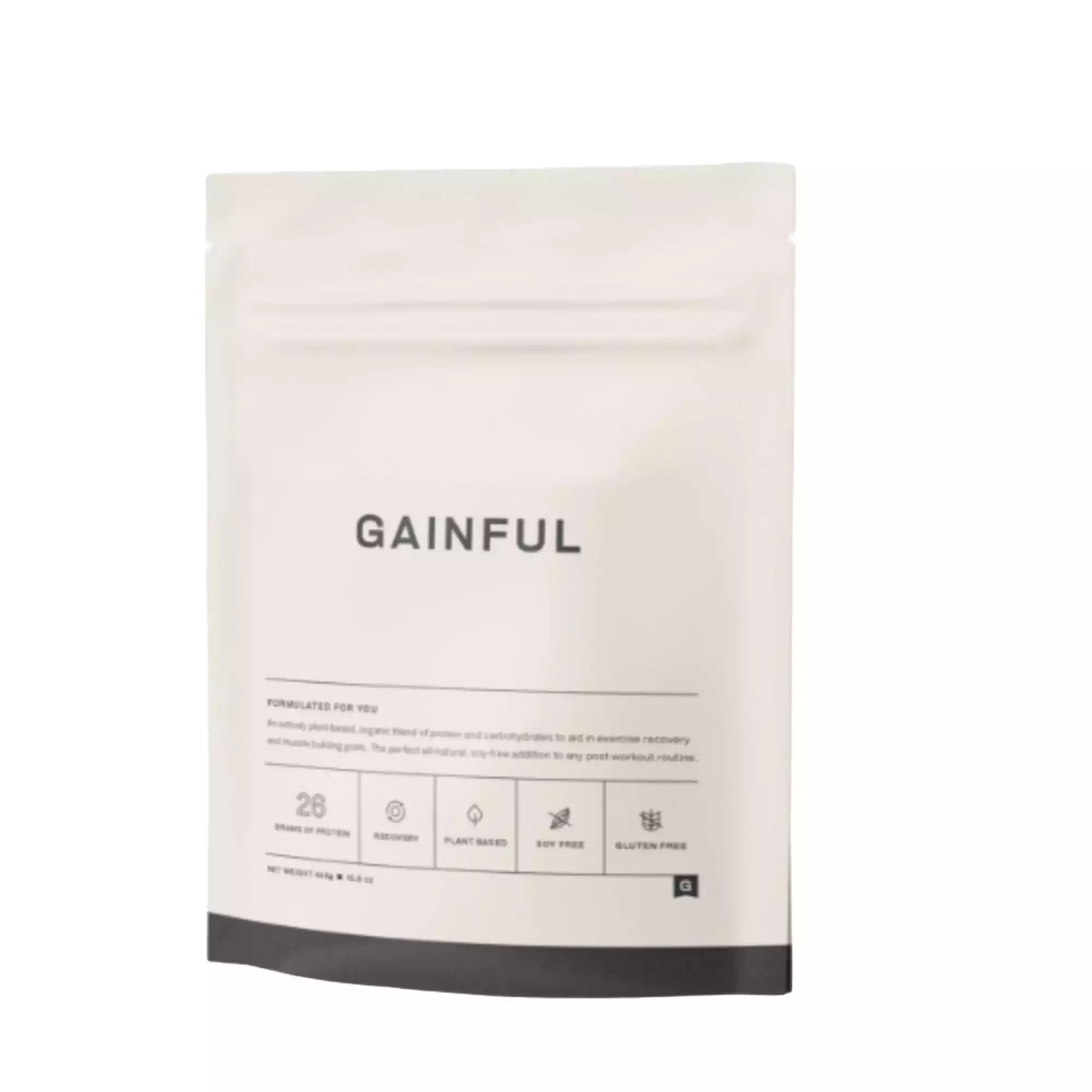
Best Tasting Whey Protein: Gainful Protein Powder
Gainful Protein Powder addresses one of the most common criticisms of protein supplements: the often "chalky" texture and unpleasant aftertaste. Through extensive flavor development, Gainful offers a palate-pleasing experience. The Caffe Mocha flavor, tested by our team, was noted for its subtle, well-balanced sweetness and nuanced profile, avoiding the overpowering artificial taste that can plague other products. Reviewers described it as reminiscent of an at-home cappuccino mix, with the coffee notes being light and complementary to the chocolate base.
Recognizing that taste preferences are highly individual, Gainful provides its protein powder in individual-use packets, offering a convenient way for consumers to explore a wide array of nine distinct flavors. This allows users to tailor their protein intake to their daily cravings. Pete Nastasi, a seasoned user of Gainful products, specifically recommends the Chocolate Peanut Butter, Caffe Mocha, and Sea Salt Caramel flavors, highlighting the brand’s success in creating diverse and appealing taste experiences. The customizable nature of Gainful, allowing users to select specific flavor profiles and even customize their blends, further solidifies its position as a leader in palatable protein supplementation.
Pros:
- Exceptional taste profiles that avoid chalkiness and artificial aftertastes.
- Wide variety of flavors available in individual-use packets.
- Customizable blends to suit individual preferences.
- Good mixability and smooth texture.
- Transparent ingredient sourcing.
Cons:
- Subscription-based model may not appeal to all consumers.
- Pricing can vary based on customization and subscription.
What Is Whey Protein?
Whey protein is a high-quality protein source derived from cow’s milk, which is composed of two primary proteins: casein and whey. Whey constitutes approximately 20% of the total protein content in milk and is recognized for its exceptional nutritional value. As a complete protein, cow’s milk protein, including whey, provides all nine essential amino acids that the human body cannot synthesize on its own and must obtain from the diet.
Beyond its fundamental role in nutrition, whey protein has been associated with a range of potential health benefits. Research suggests it may contribute to enhanced immune function and support cardiometabolic health. Typically available in powder form, whey protein can be easily incorporated into daily routines by blending with water, milk, or other beverages, or by adding it to soft foods. It is also a versatile ingredient in culinary applications, serving to boost the protein content of baked goods and other prepared foods. Food manufacturers often utilize whey formulations as a substitute for cream, butter, or eggs to create products that are both high in protein and low in fat.
What Are the Three Types of Whey Protein?
The distinctions between various whey protein powders primarily lie in their processing methods, leading to three main forms: concentrate, isolate, and hydrolysate. Understanding these differences is crucial for selecting a product that best aligns with individual dietary requirements and fitness objectives.
Concentrate (WPC)
Whey protein concentrate (WPC) represents the least processed form of whey. Consequently, it retains a higher proportion of lactose (milk sugar), fats, carbohydrates, and other beneficial nutrients. Food manufacturers often incorporate WPC into products such as sauces, soups, and baked goods, where it can contribute to flavor, color, and texture, while also extending shelf life. However, WPC has the lowest protein content among the three types, typically ranging from 70% to 80% protein by weight.
Isolate (WPI)
Whey protein isolate (WPI) is produced through a more refined filtration and processing of whey. This results in a product with a significantly higher protein concentration, often 90% or more, and a reduced lactose content. Due to its purity and high protein yield, WPI is frequently favored by sports nutrition companies for use in supplements, protein bars, and other protein-enhanced products. However, this enhanced processing may lead to a reduction in some of the naturally occurring beneficial nutrients found in the concentrate form.
Hydrolysate (WPH)
Whey protein hydrolysate (WPH), also known as hydrolyzed whey, undergoes a process called partial hydrolysis. This enzymatic treatment breaks down the protein molecules into smaller peptides, which facilitates faster digestion and absorption by the body. WPH is digested more rapidly than WPC or WPI. While this rapid digestion can lead to a more immediate increase in blood sugar levels, research also indicates that whey protein, in general, may contribute to improved glycemic control over time.
Benefits of Whey Protein Powder
The primary advantage of whey protein powder lies in its role as a convenient and high-quality source of dietary protein. For individuals who struggle to meet their daily protein requirements through whole foods alone—such as meat, dairy, legumes, and vegetables—incorporating a protein powder can offer significant benefits without necessitating drastic dietary overhauls.
Building Muscle
Whey protein is exceptionally rich in essential amino acids, including BCAAs, which are vital for supporting muscle integrity and promoting muscle growth, particularly when combined with resistance training. Supplementing with a high-quality protein powder can be an effective strategy to maximize daily protein intake and stimulate muscle hypertrophy.
Preserving Lean Muscle Mass
During periods of caloric deficit, such as when aiming for weight loss, it is crucial to preserve lean muscle mass. A protein-rich diet aids in this objective by signaling the body to prioritize fat metabolism for energy while safeguarding existing muscle tissue.
Weight Loss
Whey protein exhibits satiating properties, contributing to a prolonged feeling of fullness. This effect can help regulate appetite, thereby reducing overall calorie consumption throughout the day and supporting weight management efforts. Studies have indicated that whey protein may also contribute to a reduction in abdominal fat when integrated with resistance training programs.
How to Use Whey Protein Powder
Effective utilization of whey protein powder begins with establishing an appropriate daily protein target. This target is influenced by individual fitness goals, body weight, activity level, and physique. A general guideline for calculating daily protein intake is to multiply body weight in pounds by 0.8, which yields the approximate grams of protein needed per day. It is essential to remember that whey protein powder is a supplement and should complement, not replace, a balanced diet.
The recommended dosage and mixing instructions are typically found on the product label. Generally, one scoop of protein powder is mixed with 10 to 12 ounces of liquid. For enhanced flavor and nutritional diversity, it can be blended into smoothies or incorporated into foods such as oatmeal or pancake batter. While whey protein can be consumed at any time of day, it is often favored as a post-workout supplement to initiate muscle tissue repair and recovery processes.
Potential Side Effects of Whey Protein Powder
When consumed in moderation, whey protein powder is generally considered safe for healthy adults and typically presents no adverse side effects. However, excessive intake can potentially lead to digestive issues, such as bloating or gas, and may contribute to dehydration if fluid intake is insufficient. There is also a theoretical risk of nutrient deficiencies if protein powder becomes the primary source of dietary protein, displacing other nutrient-dense whole foods. It is paramount to integrate whey protein powder into a balanced dietary plan and to cease use and consult a healthcare professional if any unusual symptoms arise.
Who Should Use Whey Protein?
Whey protein powder is a beneficial supplement for any individual seeking to increase their daily protein intake and finding it challenging to do so through diet alone. This is particularly relevant for highly active individuals, including athletes, bodybuilders, and fitness enthusiasts, whose increased training demands necessitate higher protein consumption.
Older adults may also benefit from whey protein supplementation. As individuals age, the body’s efficiency in absorbing protein from food can decrease. Protein supplements can provide an accessible means for older adults to meet their daily protein requirements, thereby supporting muscle health and function.
How to Choose the Best Whey Protein for You
Selecting the most suitable whey protein product involves considering several key factors to ensure it meets your specific needs and preferences.
Type of Protein
Examine the ingredients list to identify the type of whey protein featured—concentrate, isolate, or hydrolysate. Some brands may offer blends of these forms. Whey isolate is often preferred for its high protein content and low lactose, while concentrate may offer a broader nutrient profile. Hydrolysate is chosen for its rapid absorption.
Taste
Whey proteins are available in an extensive range of flavors, from unflavored to complex profiles like chocolate orange or summer berries. Choosing a flavor you enjoy is crucial for consistent consumption. For those new to protein supplements, starting with smaller containers or sample sizes can help identify preferred tastes. Experimenting with additions like fruits, flavored milks, or juices can also create new flavor experiences.
Nutrition
Review the nutrition label for the protein content per serving, typically around 25 grams, which is considered optimal for maximizing muscle protein synthesis. Also, consider calories, fat, carbohydrate, fiber content, and the presence of vitamins, minerals, and amino acid profiles. Opt for supplements that provide maximum benefit without unnecessary fillers or additives.
Additives/Allergies
Carefully read the ingredients list to identify any additives or allergens you wish to avoid. For example, some whey powders may contain soy or be processed in facilities that handle nuts. Be mindful of artificial sweeteners, colors, and flavors if you have sensitivities.
Price
The cost of whey protein powders can vary significantly. Our analysis indicates a range from approximately $1.16 to $3.41 per serving, with container prices ranging from $34 to $95. This broad spectrum ensures that options are available to accommodate most budgets.
FAQs
How often should I consume whey protein?
Consumption frequency depends on individual needs and health goals. It is advisable to include protein with meals or snacks every three to five hours. However, relying solely on protein powder is not recommended, as it displaces nutrient-rich whole foods. One whey protein drink per day is generally considered reasonable. Consult your doctor if you intend to use whey protein to replace more than one meal.
Is whey protein powder safe?
Yes, whey protein powder is generally considered safe for healthy individuals when used in moderation. If you have pre-existing medical conditions or severe lactose intolerance, consult a healthcare professional before incorporating it into your diet.
What is the best time to take whey protein powder?
The optimal timing for consuming whey protein powder is flexible and depends on your personal goals and lifestyle. Some prefer a protein shake in the morning for a quick breakfast, while others consume it post-workout to aid muscle recovery. Consistency in overall daily protein intake is more critical than precise timing.
Can whey protein powder help with weight loss?
Yes, whey protein powder can contribute to weight loss by promoting satiety and potentially reducing overall calorie intake. Research also suggests that whey protein, combined with weight training, may help reduce abdominal fat.
What are the disadvantages of whey protein?
Overconsumption of whey protein can lead to side effects such as digestive issues, potential kidney or liver strain, acne, and disruption of gut bacteria. However, overconsumption is rare with typical usage patterns. Maintaining gut health can be supported by consuming prebiotics or a variety of fruits and vegetables.
How do I know if my whey is good quality?
Assess the quality by reading labels carefully. Look for traceable, organic, and certified ingredients. High-quality whey products typically avoid fillers and artificial sweeteners. Certifications and seals from third-party testing organizations are also indicators of a product’s adherence to established quality standards.