


As the vibrant promise of spring approaches, many individuals embark on a renewed commitment to health and fitness, often prioritizing weight management. A cornerstone of any successful dietary regimen is a meticulously planned grocery list, with particular emphasis on strategic snacking. The insidious habit of mindless eating, particularly late-night snacking, frequently undermines even the most dedicated efforts to maintain a calorie deficit and achieve weight loss goals. Without proper preparation, these moments of hunger or craving can lead to choices that derail progress.
To navigate the complexities of effective weight loss nutrition, insights from qualified professionals are invaluable. Dr. Kezia Joy, RDN, a respected Medical Advisor with Welzo, has identified a concise list of five healthy snack options that she specifically recommends for individuals focused on weight loss. These are not merely suggestions but rather Dr. Joy’s primary recommendations, underscoring their efficacy and alignment with fundamental nutritional principles.
The Pervasive Challenge of Unhealthy Snacking and its Impact on Public Health
The modern food landscape is replete with convenient, often highly processed snack options that contribute significantly to caloric intake without offering substantial nutritional value. This prevalence of unhealthy snacking is a contributing factor to rising rates of overweight and obesity globally. According to data from the Centers for Disease Control and Prevention (CDC), over 40% of adults in the United States are affected by obesity, a condition linked to numerous chronic diseases including type 2 diabetes, heart disease, and certain cancers. Mindless snacking, particularly on items high in refined sugars and unhealthy fats, often accounts for a significant portion of excess daily calories, making it a critical area to address for anyone pursuing weight loss. The psychological aspect of food cravings, often triggered by unstable blood sugar levels or emotional factors, further complicates the challenge, pushing individuals towards comfort foods that offer fleeting satisfaction but long-term setbacks.
Dr. Joy’s Foundational Principles for Weight Loss Snacking
Dr. Joy’s recommendations are rooted in three essential components that are paramount for sustainable weight loss and overall health: protein, healthy fats, and fiber. Of these, protein serves as the bedrock, providing satiety, aiding in muscle preservation during weight loss, and requiring more energy for digestion. The integration of healthy fats and fiber complements protein by further enhancing fullness, stabilizing blood sugar, and supporting digestive health.
"Each of these options allows for quick preparation, can be easily incorporated into your daily routine, and will allow you to have a variety of options as you work on losing weight, and help keep you from feeling like you’re being deprived by eating a ‘snack’," Dr. Joy explains. "When you eat snacks that are good for you and allow you to meet your nutritional needs, but also limit the amount of calories you consume, you are more likely to continue to make good choices over time." This perspective highlights the importance of making sustainable, enjoyable choices that prevent feelings of restriction, a common reason for diet failure.
Detailed Examination of the Five Dietitian-Approved Snacks
Dr. Joy’s five most commonly suggested snacks for weight loss include:
-
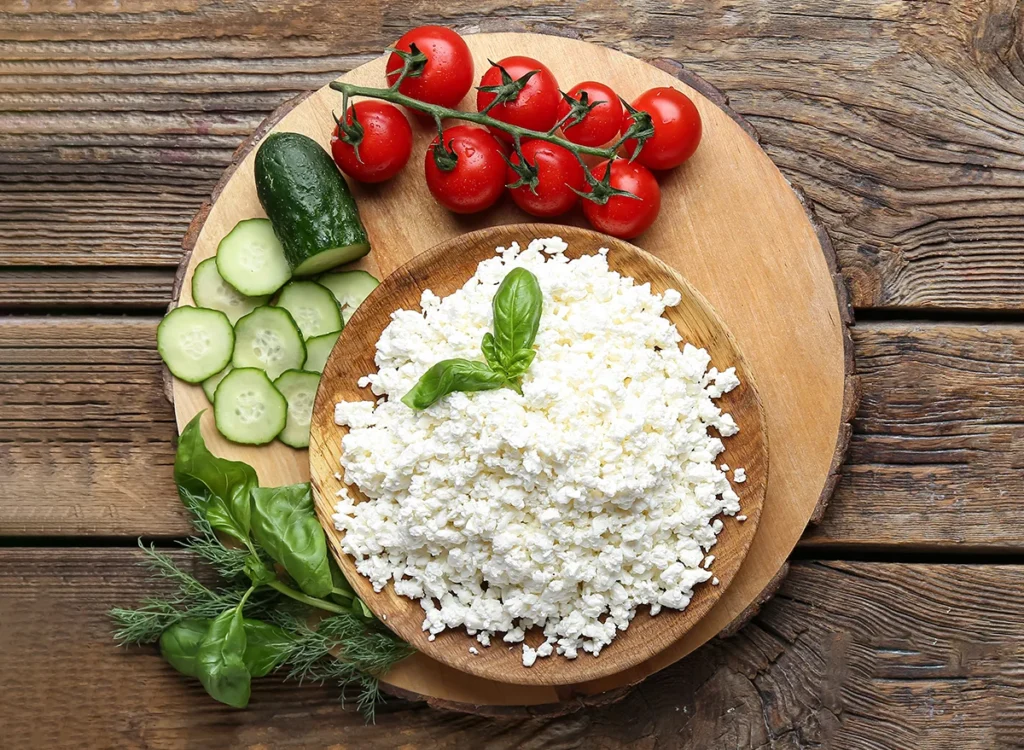
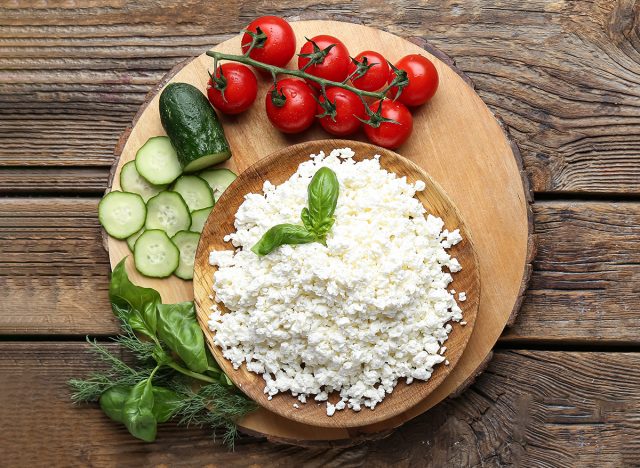
Cottage Cheese with Vegetables: Cottage cheese is an exceptional source of protein, particularly casein protein, which digests slowly, promoting prolonged feelings of fullness. A single cup of low-fat cottage cheese can provide upwards of 25 grams of protein. Pairing it with a variety of fresh vegetables such as cucumber slices, cherry tomatoes, bell pepper strips, or carrot sticks amplifies its nutritional profile. The vegetables introduce essential vitamins, minerals, and dietary fiber, adding volume and crunch without significant calories. This combination ensures a nutrient-dense snack that satisfies hunger while providing vital micronutrients and supporting a healthy gut microbiome through fiber. The versatility of cottage cheese also allows for savory variations with herbs and spices, preventing palate fatigue.
-
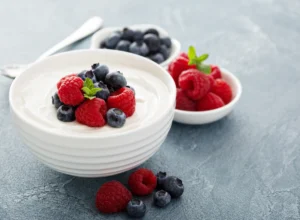
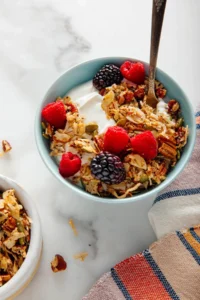
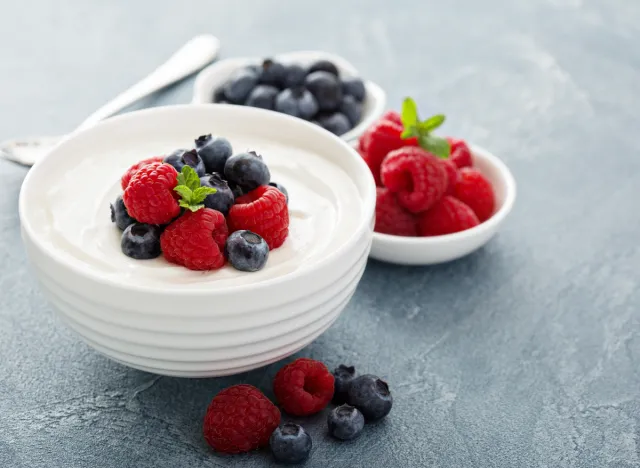
Greek Yogurt with Fresh Berries: Greek yogurt stands out for its high protein content, often double that of regular yogurt, making it a powerful tool for satiety. Opting for plain, unsweetened Greek yogurt is crucial to avoid added sugars that negate its health benefits. The fermentation process in yogurt also provides beneficial probiotics, supporting gut health, which is increasingly recognized as integral to weight management and overall well-being. Fresh berries, such as blueberries, raspberries, and strawberries, are low in calories but rich in antioxidants, vitamins, and dietary fiber. The natural sweetness of berries makes them an ideal complement to the tartness of Greek yogurt, creating a satisfying and nutrient-packed snack that helps manage blood sugar levels more effectively than sugary alternatives.
-
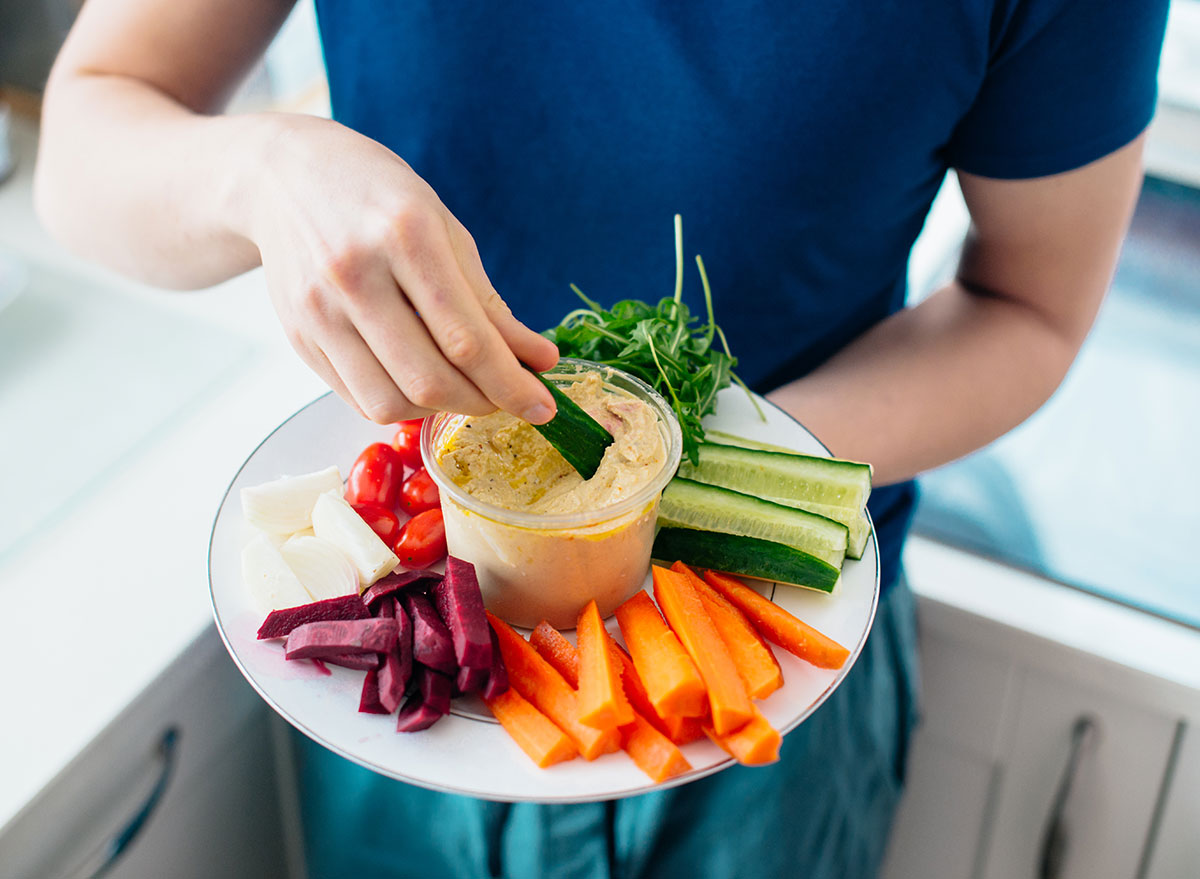
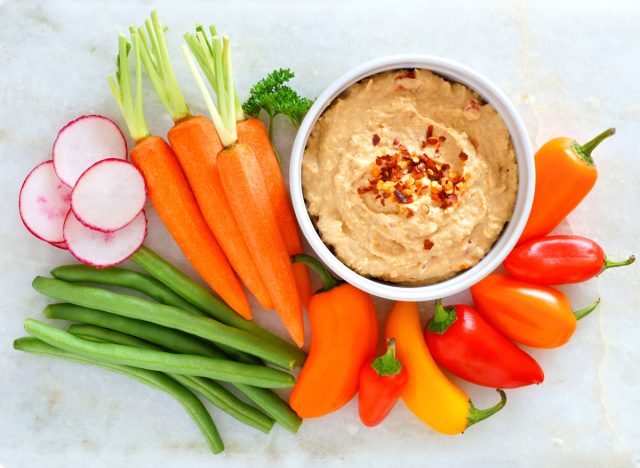
Hummus with Raw Vegetables: Hummus, made primarily from chickpeas, tahini, lemon juice, and olive oil, offers a compelling blend of plant-based protein, healthy fats, and dietary fiber. Chickpeas are legumes known for their ability to promote satiety and provide sustained energy. The healthy fats from tahini (sesame paste) and olive oil contribute to fullness and support nutrient absorption, while fiber aids digestion and blood sugar regulation. When paired with an assortment of raw vegetables like carrots, celery, bell peppers, broccoli florets, or snap peas, this snack becomes a powerhouse of vitamins, minerals, and crunch. This combination is particularly beneficial for those seeking vegetarian or vegan-friendly options that still deliver on the key macronutrients for weight loss.
-
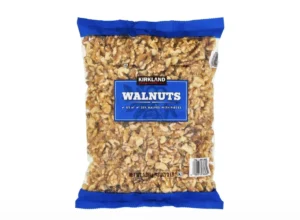
An Ounce of Nuts (or a Small Handful) with a Piece of Fruit: This classic pairing combines the healthy fats, protein, and fiber of nuts with the natural sugars, vitamins, and fiber of fruit. Nuts, despite being calorie-dense, are incredibly satiating due to their fat and protein content. An ounce (approximately a small handful) of almonds, walnuts, or pistachios provides a concentrated dose of healthy monounsaturated and polyunsaturated fats, which are crucial for heart health and hormone function. Portion control is vital with nuts to avoid excess calorie intake. Pairing them with a piece of fruit like an apple, pear, or a small banana adds natural sweetness, additional fiber, and a burst of micronutrients. This snack helps stabilize blood sugar, prevents energy crashes, and provides sustained energy.
-
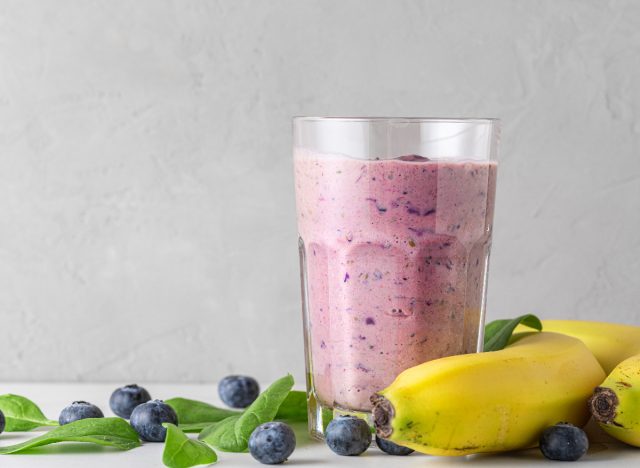
A Smoothie Using Whole Food Ingredients and Protein: Smoothies, when constructed thoughtfully, can be highly effective for weight loss. The key is to prioritize whole food ingredients and ensure a significant protein component. A well-balanced smoothie might include a scoop of protein powder (whey, casein, or plant-based), a handful of leafy greens (spinach, kale) for fiber and nutrients, a moderate amount of low-sugar fruit (berries, half a banana), and healthy fats (chia seeds, flax seeds, a spoonful of almond butter, or a quarter of an avocado). This blend delivers a comprehensive nutritional profile that is easy to digest yet incredibly filling. It’s crucial to avoid excessive fruit, added sweeteners, or high-calorie juices, which can quickly turn a healthy smoothie into a sugar bomb. The ability to customize ingredients makes smoothies a versatile and convenient option for individuals on the go.
The Scientific Basis of Satiety: How Protein, Fiber, and Healthy Fats Work
The effectiveness of these recommended snacks hinges on their rich composition of protein, healthy fats, and fiber. These macronutrients play distinct yet synergistic roles in promoting satiety and preventing overeating.
-
Protein: Widely regarded as the most satiating macronutrient, protein triggers the release of hormones like cholecystokinin (CCK) and peptide YY (PYY), which signal fullness to the brain. It also has a higher thermic effect of food (TEF) compared to carbohydrates or fats, meaning the body expends more energy to digest and metabolize protein. Furthermore, adequate protein intake helps preserve lean muscle mass during weight loss, which is metabolically active tissue, further aiding calorie expenditure.
-
Fiber: Dietary fiber, particularly soluble fiber found in many fruits, vegetables, and legumes, absorbs water and forms a gel-like substance in the digestive tract. This increases the volume of food in the stomach, leading to a feeling of fullness. Fiber also slows down digestion and nutrient absorption, contributing to a more gradual rise and fall in blood glucose levels. Insoluble fiber, found in whole grains and many vegetables, adds bulk to stool and promotes regular bowel movements, supporting overall digestive health.
-
Healthy Fats: While calorie-dense, healthy fats from sources like nuts, seeds, avocados, and olive oil are crucial for satiety. Fats slow down gastric emptying, keeping food in the stomach for longer, which contributes to sustained fullness. They also play a vital role in the absorption of fat-soluble vitamins (A, D, E, K) and are essential for hormone production and cell function. Incorporating healthy fats in moderation is key to a balanced diet and effective hunger management.
By combining these three components, Dr. Joy’s recommended snacks create a powerful physiological response that combats hunger more effectively than typical processed snacks.
Stabilizing Blood Glucose: The Crucial Link to Hunger Management
One of the most significant benefits of these nutrient-dense snacks is their ability to maintain consistent blood glucose levels. "These types of snack food can assist with maintaining consistent blood glucose levels, and consistent blood glucose levels are very important to regulate your hunger. The less your blood glucose levels fluctuate, the less you will experience hunger," Dr. Joy elaborates.
When individuals consume snacks high in refined carbohydrates and sugars, there is a rapid spike in blood glucose, followed by an equally rapid drop, often referred to as a "sugar crash." This crash triggers renewed hunger and cravings, perpetuating a cycle of overeating. In contrast, snacks rich in protein, fiber, and healthy fats cause a much slower and more sustained release of glucose into the bloodstream. This prevents sharp fluctuations, keeping hunger hormones in check and reducing the impulse to reach for unhealthy comfort foods. By mitigating these glucose swings, these snacks empower individuals to make more conscious and controlled food choices throughout the day, effectively limiting the consumption of highly processed convenience foods.
Why Many Conventional Snacks Derail Weight-Loss Goals
The vast majority of conventional snack foods available today are engineered for palatability and convenience, often at the expense of nutritional value. They are typically loaded with refined carbohydrates, excessive added sugars, and unhealthy fats, while offering minimal protein or fiber.
As Dr. Joy aptly puts it, "They’re easily digested, but do little to suppress our desire for additional food." This rapid digestion leads to quick energy spikes followed by inevitable crashes, leaving individuals feeling hungry again shortly after eating. This makes it incredibly easy to overeat these calorie-dense but nutrient-poor items, leading to a significant surplus of calories without achieving genuine satiety.
"Another reason why the snacks I recommend are better than typical snacks is that they have a larger volume of nutrients per serving than typical snacks," Dr. Joy highlights. "Most snack foods are designed so that we can eat too much of them with very little nutritional value. Therefore, when you choose to eat one of the snacks I recommend, the calories will provide satiety, or fullness." This distinction is critical: the goal of a healthy snack is not just to provide energy, but to do so in a way that promotes lasting fullness and nutritional benefits, thereby reducing the overall daily caloric intake from less healthy sources.
The Strategic Importance of Snack Timing
Beyond the composition of snacks, their timing plays a surprisingly significant role in effective weight management and sustained energy levels throughout the day. Strategic snacking can act as a bridge between meals, preventing excessive hunger that often leads to overeating during main meals.
"Snacks at appropriate times may prevent an interval of time from one meal to another in which individuals are likely to consume excess calories due to a large gap in time since the last meal. Snacking maintains consistent levels of energy throughout the day," Dr. Joy explains.
- Mid-Morning Snacking: A well-timed snack between breakfast and lunch can prevent extreme hunger that might lead to poor choices at lunchtime. This helps maintain stable energy levels and focus during the workday.
- Mid-Afternoon Snacking: This is a particularly vulnerable time for energy crashes and cravings for sweet treats. A balanced mid-afternoon snack, such as the ones recommended by Dr. Joy, can effectively combat these dips, stabilize blood sugar, and reduce the likelihood of reaching for sugary pick-me-ups or overeating at dinner. A balanced snack supports cognitive function and productivity during the latter part of the day.
- Evening Snacking: Dr. Joy advises that "Evening snacking should be purposeful (not routine) and based on your body’s need for food as opposed to just eating out of habit. Protein-based snacks are usually the best choice." This distinction is vital. Mindless evening snacking, often driven by boredom, stress, or habit, is a primary culprit for weight gain. If genuine hunger strikes before bed, a small, protein-rich snack can prevent discomfort without overloading the digestive system or causing significant blood sugar spikes that could disrupt sleep. Examples include a small serving of cottage cheese, Greek yogurt, or a handful of nuts.
Broader Implications for Long-Term Health and Wellness
Adopting Dr. Joy’s recommended snacking strategies extends far beyond mere weight loss. These habits cultivate a foundation for overall improved health and well-being. By consistently choosing snacks rich in protein, fiber, and healthy fats, individuals can expect:
- Enhanced Energy Levels: Stable blood sugar prevents the peaks and valleys associated with refined carbohydrates, leading to more sustained energy throughout the day and reducing fatigue.
- Improved Metabolic Health: Consistent intake of nutrient-dense foods supports better insulin sensitivity and reduces the risk of metabolic syndrome, type 2 diabetes, and cardiovascular diseases.
- Better Digestive Health: High fiber intake promotes regular bowel movements, supports a healthy gut microbiome, and can alleviate issues like constipation.
- Reduced Cravings and Emotional Eating: By effectively managing physiological hunger, individuals are less susceptible to intense cravings and less likely to turn to food for emotional comfort.
- Sustainable Lifestyle Changes: The focus on wholesome, satisfying foods makes these habits easier to maintain long-term, moving away from restrictive diet mentalities towards a more balanced and intuitive approach to eating.
In conclusion, as the season shifts and new health aspirations take root, reforming snacking habits stands out as a high-impact strategy for weight loss and holistic well-being. Dr. Kezia Joy’s concise yet powerful list of five dietitian-approved snacks—cottage cheese with vegetables, Greek yogurt with fresh berries, hummus with raw vegetables, nuts with fruit, and whole-food protein smoothies—offers a clear roadmap. These selections are not arbitrary; they are meticulously chosen for their robust profiles of protein, fiber, and healthy fats, which collectively promote satiety, stabilize blood glucose, and provide sustained energy. By integrating these strategic, nutrient-dense options into daily routines and paying attention to timing, individuals can effectively combat mindless eating, prevent energy crashes, and make consistent progress toward their weight management goals, fostering not just a leaner physique but a healthier, more vibrant life.