

Snacking, often misconstrued as an impediment to weight management, is increasingly being recognized by nutrition experts as a strategic tool for optimizing health outcomes, particularly for individuals over the age of sixty. Far from merely adding superfluous calories, thoughtfully selected snacks can play a pivotal role in boosting protein intake, stabilizing blood sugar, and satiating cravings, all crucial factors in supporting fat loss, preserving muscle mass, and maintaining a healthy metabolism in later life. This perspective challenges the conventional wisdom that often demonizes snacking, instead reframing it as an opportunity for targeted nutritional intervention.
The physiological landscape undergoes significant shifts as individuals progress beyond their sixth decade, profoundly influencing nutritional requirements and metabolic processes. One of the most notable changes is the gradual decline in basal metabolic rate (BMR), largely attributable to age-related muscle loss, a condition known as sarcopenia. Sarcopenia is characterized by the progressive and generalized loss of skeletal muscle mass and strength, which can lead to decreased physical function, increased risk of falls, and a reduction in overall quality of life. As muscle tissue is more metabolically active than fat tissue, its reduction directly contributes to a slower metabolism, making weight management more challenging and increasing the propensity for fat accumulation, particularly around the abdominal area.
Beyond sarcopenia, hormonal fluctuations also play a role. For instance, changes in insulin sensitivity can affect how the body processes carbohydrates, while alterations in appetite-regulating hormones like ghrelin and leptin can influence hunger and satiety signals. These combined factors necessitate a more deliberate approach to diet, where every calorie consumed offers maximum nutritional benefit. Nutrient density becomes paramount, as older adults may require fewer total calories but still need an abundance of vitamins, minerals, protein, and fiber to support bodily functions and prevent deficiencies. Bone health, often a concern in this demographic, also benefits from adequate protein intake, alongside calcium and vitamin D. Furthermore, digestive health can become more challenging with age, making fiber-rich foods essential for regularity and overall gut well-being.
In this context, strategic snacking emerges as a vital component of a comprehensive nutritional strategy. It moves beyond the notion of simply curbing hunger between meals; instead, it becomes an intentional act to provide sustained energy, prevent overeating at main meals, and deliver critical macronutrients and micronutrients that might otherwise be missed. Balanced snacks, rich in protein and fiber, are particularly effective at stabilizing blood glucose levels, thereby mitigating energy crashes and reducing the likelihood of reaching for less healthy, high-sugar options. This approach is championed by experts such as Tara Collingwood, MS, RDN, CSSD, LD/N, ACSM-CPT, a Board Certified Sports Dietitian and co-author of the Flat Belly Cookbook for Dummies. Collingwood emphasizes the importance of selecting snacks that not only satisfy taste preferences, whether sweet or savory, but also actively contribute to the body’s needs for muscle preservation, metabolic support, and sustained satiety.
The Strategic Imperative of Smart Snacking After Sixty

The shift in metabolic demands and physiological challenges in older adults elevates snacking from a mere convenience to a nutritional imperative. Rather than solely focusing on caloric restriction, the emphasis is placed on nutrient optimization and strategic timing. Regular, well-chosen snacks can prevent excessive hunger, which often leads to poorer food choices and larger portions at subsequent meals. This proactive approach helps in managing overall caloric intake more effectively, while simultaneously ensuring the body receives a steady supply of essential nutrients.
Moreover, the role of protein in mitigating age-related muscle loss cannot be overstated. Distributing protein intake throughout the day, including through snacks, has been shown to be more effective for muscle protein synthesis than consuming large amounts in a single meal. This continuous supply of amino acids supports muscle repair and growth, which is critical for maintaining strength, mobility, and an active lifestyle. Fiber, another cornerstone of healthy aging, aids digestion, promotes satiety, and helps regulate blood sugar and cholesterol levels. Integrating fiber-rich foods into snacks can significantly contribute to daily recommended intake, which many older adults often fall short of.
Expert-Endorsed Snacking Solutions for Optimal Aging
Collingwood provides four distinct snack recommendations that exemplify the principles of strategic nutrition for individuals over sixty. These options are designed to deliver a powerful combination of protein and fiber, addressing the core needs for fat loss, muscle maintenance, and metabolic efficiency.
1. Greek Yogurt with Berries: A Synergistic Powerhouse
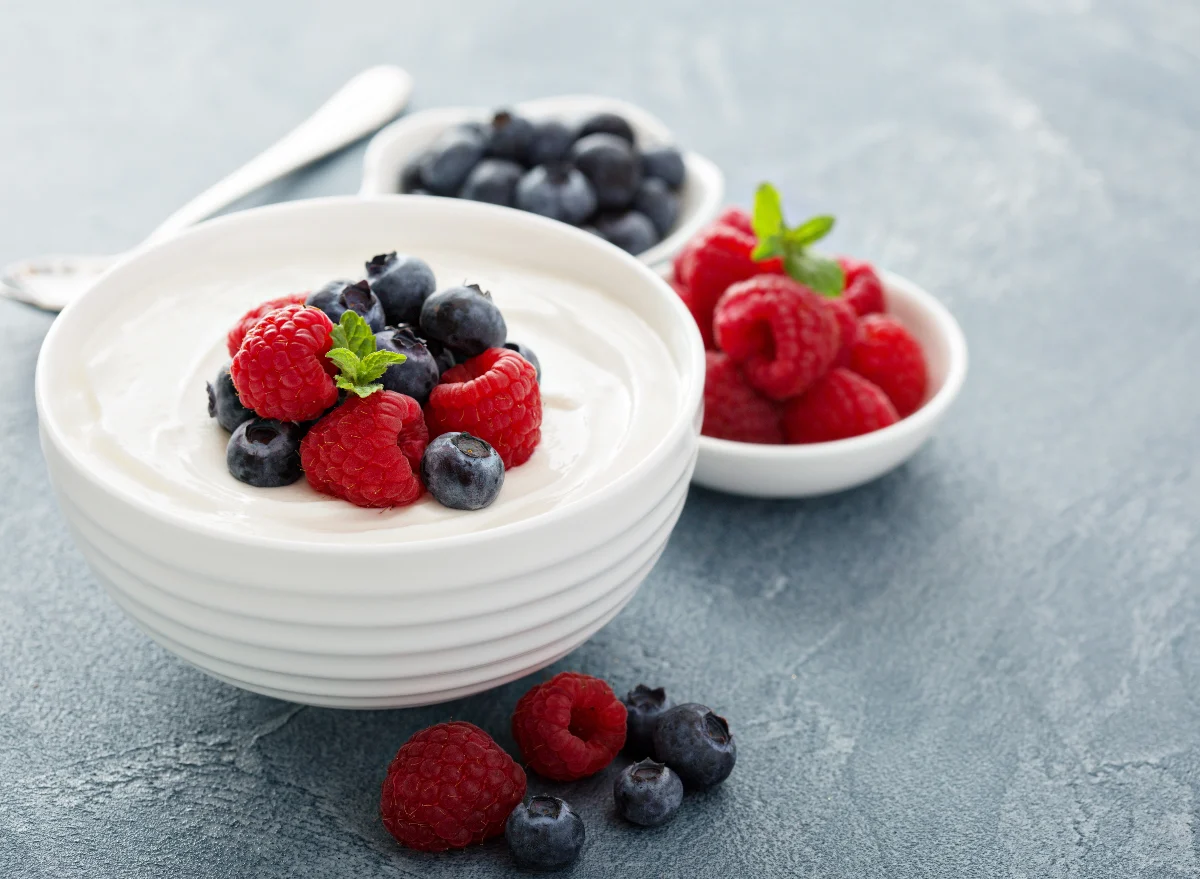
Greek yogurt with berries stands as Collingwood’s primary recommendation, lauded for its exceptional protein content and nutrient density. The significant protein boost offered by Greek yogurt is particularly vital for older adults. Unlike regular yogurt, Greek yogurt undergoes a straining process that removes much of the whey, lactose, and sugar, resulting in a product that is considerably higher in protein. A single serving can provide 15-20 grams of protein, making it an excellent source of essential amino acids critical for muscle protein synthesis. Research consistently highlights that adequate protein intake is crucial for counteracting sarcopenia, helping to preserve lean muscle mass and maintain functional independence. The protein in Greek yogurt, primarily casein, is a slow-digesting protein, providing a sustained release of amino acids, which is beneficial for muscle repair and satiety over longer periods.
Beyond its muscle-preserving qualities, Greek yogurt also offers substantial benefits for gut health due to its live and active cultures (probiotics). A healthy gut microbiome is increasingly recognized for its role in metabolism, immunity, and overall well-being, all of which are particularly relevant for the aging population.
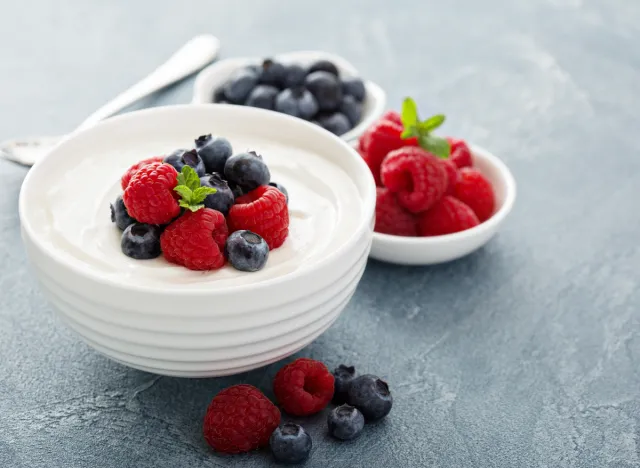
Pairing Greek yogurt with berries elevates its nutritional profile further. Berries, such as blueberries, raspberries, and strawberries, are low in calories but exceptionally rich in fiber and antioxidants. The fiber content contributes significantly to satiety, helping to curb hunger between meals and prevent overeating. Furthermore, fiber supports digestive regularity, a common concern for older adults. The vibrant colors of berries signal a high concentration of antioxidants, including anthocyanins, which combat oxidative stress and inflammation—processes implicated in aging and chronic diseases. The combination of protein from yogurt and fiber from berries creates a snack that effectively stabilizes blood sugar, preventing the spikes and crashes that can lead to increased cravings and fat storage. This makes it an ideal snack for sustained energy, digestive health, and robust muscle support.
2. Harvest Snaps with Hummus or Cottage Cheese: A Savory, Satisfying Crunch
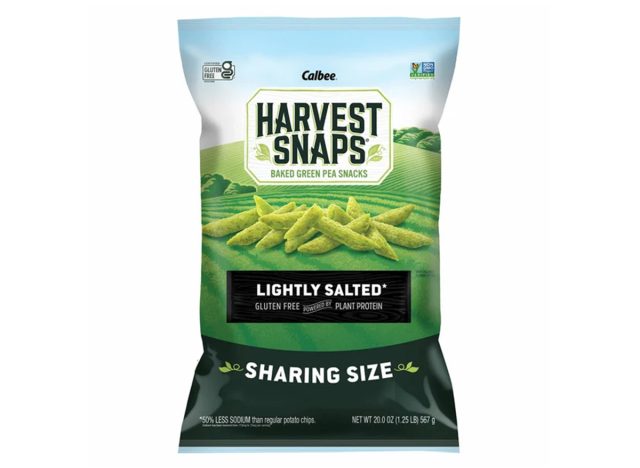
For those who crave a savory and crunchy snack, Harvest Snaps paired with hummus or cottage cheese offers a compelling and nutritious alternative to less healthy processed options. Harvest Snaps, made from real vegetables like green peas or lentils, inherently provide a good source of both fiber and plant-based protein. Collingwood notes that these snacks typically offer 4 grams of fiber and 5 grams of whole food-sourced protein per serving, making them a satiating base. The satisfying crunch also addresses a common craving, preventing individuals from reaching for high-fat, high-sodium potato chips or similar ultra-processed items.
The real power of this snack, however, comes from its pairing with a protein-rich dip. Hummus, made from chickpeas, tahini, olive oil, and lemon juice, is a fantastic source of plant-based protein, dietary fiber, and healthy fats. Chickpeas are particularly rich in soluble and insoluble fiber, which aids digestion, helps regulate blood sugar, and contributes to a feeling of fullness. Hummus also provides various micronutrients, including folate, iron, and magnesium.
Alternatively, cottage cheese offers a robust protein punch. Like Greek yogurt, cottage cheese is high in casein protein, ensuring a prolonged release of amino acids. It is also an excellent source of calcium, which is crucial for maintaining bone density and preventing osteoporosis, a prevalent concern in the over-sixty demographic. The combination of the fiber and protein from Harvest Snaps with the additional protein and healthy fats from hummus or cottage cheese creates a snack that is not only satisfying but also highly effective at promoting sustained fullness and supporting muscle maintenance. The dual benefit of crunch and creamy texture also enhances the overall eating experience. While Harvest Snaps are described as "lightly salted," mindful consumption and pairing with low-sodium hummus or cottage cheese can keep overall sodium intake in check, aligning with general health recommendations for older adults.
3. Apple Slices with Peanut or Almond Butter: The Classic Balanced Treat
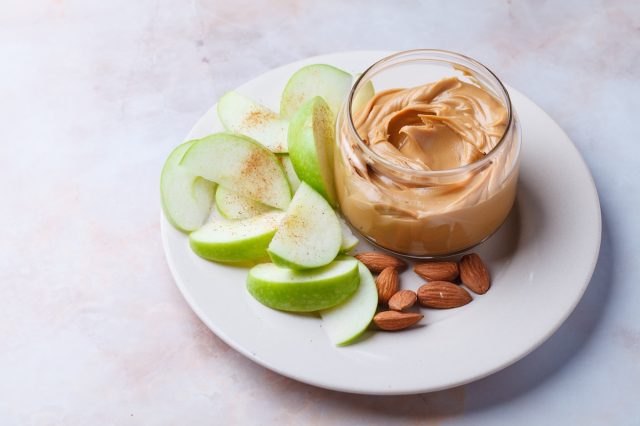
The timeless combination of apple slices with peanut or almond butter is a testament to the efficacy of simple, whole-food ingredients in promoting health, especially after fifty. Collingwood highlights this snack as a classic that excels in blood sugar stability and satiety. Apples are a rich source of dietary fiber, both soluble and insoluble. Soluble fiber helps regulate blood sugar and cholesterol levels, while insoluble fiber aids in digestive health and regularity. Apples also provide essential vitamins, such as Vitamin C, and various antioxidants.
The addition of nut butter—whether peanut or almond—introduces healthy fats, particularly monounsaturated and polyunsaturated fats, which are beneficial for cardiovascular health. These fats contribute to a feeling of fullness and help to slow down the absorption of sugars from the apple, further stabilizing blood glucose levels. Beyond healthy fats, nut butters are also excellent sources of plant-based protein and micronutrients like Vitamin E, magnesium, and B vitamins. This nutrient profile makes the snack a powerhouse for sustained energy, reduced cravings, and metabolic support.
The convenience and portability of this snack make it particularly appealing. It can be easily prepared at home and taken on the go, allowing for flexible snacking regardless of location. Furthermore, the portion can be easily adjusted based on individual appetite and caloric needs. For optimal health benefits, it is advisable to choose natural nut butters with minimal added sugars and hydrogenated oils. While delicious, nut butters are calorie-dense, so mindful portion control is important to prevent excess calorie intake. This snack not only tastes great but also delivers a harmonious blend of carbohydrates, healthy fats, and protein, embodying the principles of balanced nutrition for older adults.
4. Smoothie with Protein and Fiber: Customizable Nutrient Delivery
A smoothie packed with protein and fiber offers an incredibly versatile and efficient way to deliver essential nutrients, making it an excellent snack choice for older adults. Collingwood underscores its convenience and customizability, allowing individuals to tailor ingredients to their specific dietary preferences and needs. This is particularly advantageous for those who may have difficulty chewing, experience a reduced appetite, or need to quickly consume nutrients on a busy day.
The foundation of an effective smoothie for this demographic includes a high-quality protein powder, berries, and a source of healthy fats and fiber like chia or flax seeds. Protein powders come in various forms, including whey (fast-digesting, excellent for muscle synthesis), casein (slow-digesting, sustained release), pea, soy, or hemp (plant-based options). Each provides a concentrated source of amino acids crucial for muscle preservation and repair. Incorporating protein powder into a smoothie ensures a significant protein boost that can be difficult to achieve through whole foods alone, especially for those with lower caloric needs or reduced appetite.
Berries contribute not only natural sweetness but also a wealth of fiber, vitamins, and antioxidants. Their low glycemic index makes them an ideal carbohydrate source that won’t cause sharp blood sugar spikes. Chia and flax seeds are nutritional powerhouses, rich in soluble fiber (beneficial for digestion and satiety) and omega-3 fatty acids, which are important for heart health and reducing inflammation.
Beyond its nutrient density, a smoothie also contributes to hydration, which is often a challenge for older adults. By blending ingredients with water, milk, or a plant-based alternative, individuals can increase their fluid intake while simultaneously consuming a nutrient-rich snack. The ease of consumption, metabolic benefits of protein, and comprehensive nutrient profile make a well-constructed smoothie an invaluable tool in supporting fat loss, muscle health, and a robust metabolism in the later stages of life.
Broader Implications and a Holistic Approach to Healthy Aging
While these expertly recommended snacks provide a powerful pathway to supporting fat loss, muscle preservation, and metabolic health after sixty, it is crucial to understand that they are components of a larger, holistic approach to well-being. Nutrition plays a fundamental role, but it is intrinsically linked with other lifestyle factors.
The article highlights that these snacks can shrink belly pooch "without exercise" in its original context, which speaks to the powerful impact of diet alone. However, from a broader journalistic perspective, it is important to contextualize this. While effective nutrition can indeed contribute to body composition changes independently, optimal health outcomes, including sustained fat loss, robust muscle maintenance, and a highly efficient metabolism, are achieved when strategic dietary choices are combined with regular physical activity. Exercise, particularly strength training, is the most direct stimulus for muscle protein synthesis and is indispensable for combating sarcopenia and maintaining bone density. These snacks serve as excellent fuel and recovery aids for an active lifestyle, enhancing the benefits of any physical activity undertaken.
Hydration is another often-overlooked but critical aspect of healthy aging. Adequate water intake supports metabolic functions, nutrient transport, and digestive health, complementing the benefits of fiber-rich snacks. Mindful eating practices, such as paying attention to hunger and satiety cues, chewing food thoroughly, and eating without distraction, also enhance the effectiveness of any dietary strategy. These practices foster a healthier relationship with food and can prevent overconsumption.
Finally, it is paramount for individuals, especially those over sixty, to consult with their healthcare provider or a registered dietitian before making significant dietary changes. Personalized nutritional advice can account for individual health conditions, medications, and specific dietary needs or restrictions, ensuring that any new eating plan is safe, effective, and tailored to promote the best possible health outcomes. These snack recommendations, therefore, represent scientifically sound options that can be integrated into a well-rounded and professionally guided health regimen, empowering older adults to take proactive steps towards improved vitality and longevity.
Leah Groth is an experienced shopping editor and journalist for Best Life and Eat This, Not That! bringing readers the best new finds, trends, and deals each week. She contributes to a range of health and lifestyle publications, focusing on practical, evidence-based advice for everyday living.
