
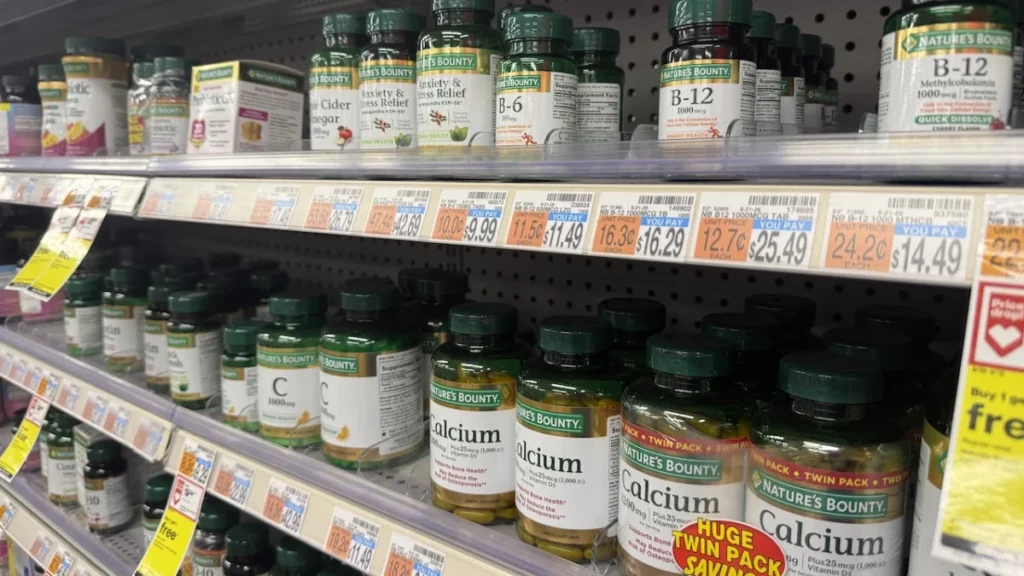
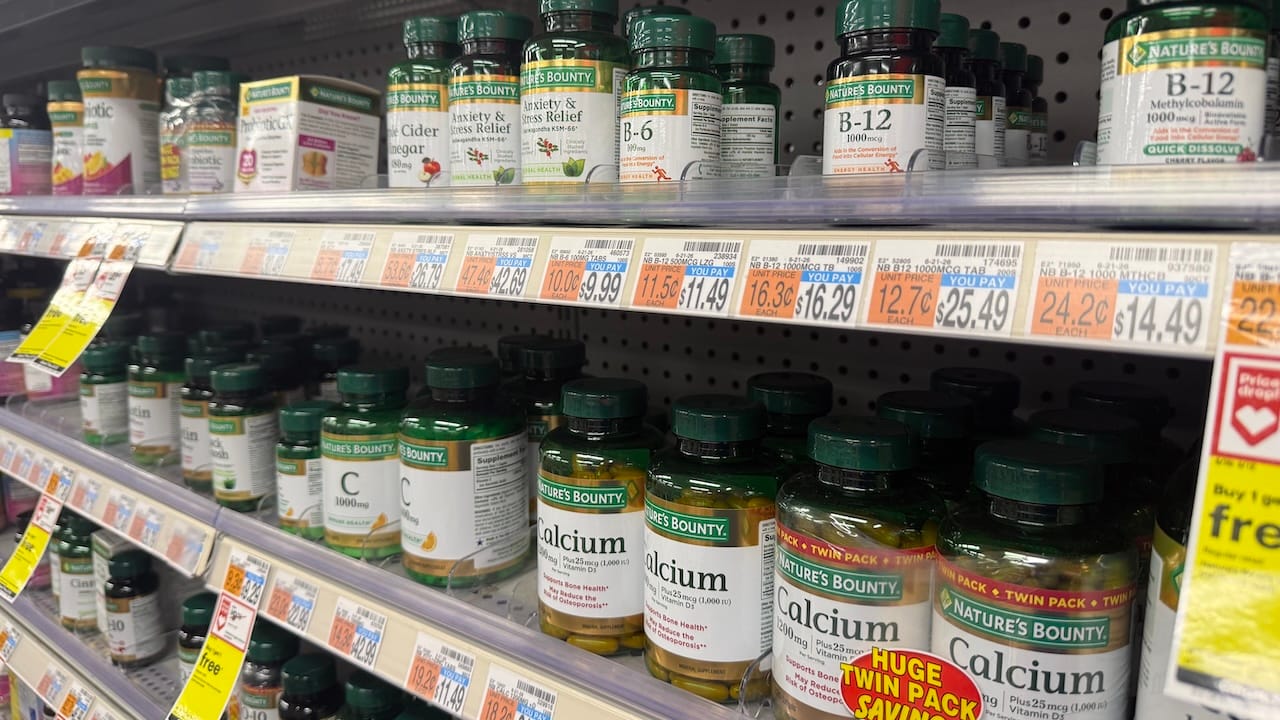
Nestlé has announced a significant strategic maneuver, agreeing to divest its entire Holistic Health platform, a collection of prominent vitamins, minerals, and supplements (VMS) brands, to private equity firm Yellow Wood Partners for $1 billion. This landmark transaction, confirmed on September 1st, marks a decisive pivot for the global food and beverage giant, signaling a re-evaluation of its market focus and a strategic streamlining of its extensive portfolio. The divested brands include well-known names such as Nature’s Bounty, Osteo Bi-Flex, Ester-C, Gard, Nuun, Puritan’s Pride, and Sisu, all of which will transition under Yellow Wood Partners’ ownership.
This divestiture represents a dramatic shift in Nestlé’s approach to the VMS sector compared to its aggressive expansion just five years prior. In 2019, Nestlé Health Science made a substantial investment of $5.75 billion to acquire core brands from The Bountiful Company, a deal that notably brought Nature’s Bounty, Solgar, Osteo Bi-Flex, and Puritan’s Pride into Nestlé’s fold. The current $1 billion sale, therefore, signifies a partial reversal of that strategy, indicating a recalibration of Nestlé’s long-term objectives within the competitive and rapidly evolving health and wellness landscape.
Nestlé’s strategic recalibration comes amidst a broader industry trend of large consumer packaged goods (CPG) companies re-evaluating their non-core assets and focusing on areas where they possess distinct competitive advantages. The VMS market, while substantial and growing, is characterized by intense competition, rapid innovation cycles, and diverse consumer needs, demanding specialized expertise and agile market responsiveness.
Nestlé reprioritizes focus on competitive supplement brands
While Nestlé is exiting a significant portion of its VMS business, it is not a complete withdrawal from the market. The company will retain ownership of its premium, science-led VMS brands, including Solgar, a brand with a long-standing reputation for quality and efficacy, and Pure Encapsulations, which is recognized for its commitment to hypoallergenic and high-purity formulations. Furthermore, Nestlé will continue to nurture its existing acquisitions in the broader health and wellness space, such as Garden of Life, a brand known for its focus on organic, plant-based, and whole-food ingredients.
Philipp Navratil, CEO of Nestlé Health Science, articulated the company’s rationale behind the divestiture in a press release. "This is another important step in the strategic transformation of our portfolio," Navratil stated. "With Nestlé’s strong innovation and brand-building capabilities, we are well-positioned for growth in the premium, science-led VMS space, where brands such as Solgar and Pure Encapsulations continue to perform strongly." He further elaborated on the evolving nature of the market, noting, "At the same time, the category has evolved, and the mainstream VMS business requires a different approach under dedicated ownership." This statement suggests that Nestlé believes the divested brands, which cater to a broader consumer base, will thrive under a private equity firm with a specialized focus on consumer brands and a more agile operational model.
The VMS market has experienced robust growth over the past decade, driven by increasing consumer awareness of preventative health, aging populations, and a growing interest in personalized nutrition. According to Grand View Research, the global dietary supplements market size was valued at USD 175.8 billion in 2022 and is projected to grow at a compound annual growth rate (CAGR) of 8.5% from 2023 to 2030. Within this expansive market, specific categories such as immunity support, gut health, and cognitive function have seen particularly accelerated demand. Brands like Nature’s Bounty and Puritan’s Pride have historically held significant market share in the mainstream segment, appealing to consumers seeking accessible and reliable health solutions.
The strategic rationale for Nestlé to focus on its premium and science-led VMS brands is clear. These segments often command higher margins, benefit from strong brand loyalty, and are less susceptible to commoditization. By concentrating resources on Solgar and Pure Encapsulations, Nestlé aims to leverage its core strengths in research, development, and scientific validation to capture a larger share of the high-value VMS market. This approach aligns with the broader trend of CPG companies moving towards higher-margin, specialized product categories.
Yellow Wood adds supplements to extensive portfolio of consumer brands
For Yellow Wood Partners, this acquisition represents a substantial expansion into the thriving wellness and health sector. The private equity firm has a well-established track record of acquiring and growing consumer brands, often specializing in businesses undergoing strategic transitions or those with significant untapped potential. Yellow Wood’s existing portfolio includes a diverse range of well-known personal care and consumer health brands, such as Suave, St. Ives, Q-Tip, ChapStick, Noxzema, Ponds, and Dr. Scholl’s. This experience in managing and revitalizing established consumer brands positions Yellow Wood to effectively integrate and develop the newly acquired VMS portfolio.
The firm’s investment strategy frequently involves acquiring assets from larger CPG conglomerates, leveraging their expertise to unlock value through operational improvements, strategic marketing, and targeted growth initiatives. Previous acquisitions by Yellow Wood have included brands from global giants like Haleon and Unilever, underscoring their ability to navigate complex transactions and integrate diverse brand portfolios.
Dana Schmaltz, a partner at Yellow Wood, expressed enthusiasm for the acquisition, stating, "Holistic Health is an excellent platform of trusted brands with deep retailer relationships providing significant opportunities for continued growth." He further elaborated on the strategic fit, noting, "The Holistic Health portfolio provides a group of specialty category leaders in various high-growth sectors of the attractive VMS market, including hydration, gut health and immunity. Operating Holistic Health as a standalone entity will provide the opportunity to leverage the power of each brand to accelerate growth, enhance innovation and strengthen their market positions with consumers and retail partners." This vision suggests a commitment to fostering brand autonomy and empowering each company within the platform to pursue its unique growth trajectory.
Tad Yanagi, another partner at Yellow Wood, echoed Schmaltz’s sentiment, emphasizing the alignment of the acquired brands with the firm’s operational expertise. "This exciting portfolio is deeply aligned with our focus, expertise and functional operations approach, and we are thrilled to add each of these brands to the Yellow Wood umbrella," Yanagi said. "As VMS adoption continues to increase among a wide range of consumers and demand for benefit-specific solutions expands, we see significant runway to drive organic growth across the platform." This outlook highlights Yellow Wood’s confidence in the sustained growth of the VMS market and their strategic capability to capitalize on emerging consumer trends.
The acquisition by Yellow Wood Partners is expected to bring a renewed focus on innovation and brand development for the divested Nestlé brands. Private equity firms often inject capital and strategic direction to revitalize brands, optimize supply chains, and enhance marketing efforts. For Nature’s Bounty, Puritan’s Pride, and other acquired labels, this could translate into new product development, expanded distribution channels, and more targeted consumer engagement strategies. The focus on "benefit-specific solutions" mentioned by Yanagi is particularly relevant, as consumers increasingly seek supplements tailored to address specific health concerns, such as improved sleep, enhanced energy levels, or targeted immune support.
Broader implications of the deal
The transaction between Nestlé and Yellow Wood Partners has several far-reaching implications for the VMS industry. For Nestlé, it represents a strategic simplification and a sharpened focus on its core competencies in premium, science-backed health products. This move allows Nestlé to allocate resources more effectively, invest in its high-potential brands, and potentially pursue further acquisitions in areas where it sees greater strategic alignment and competitive advantage.
For Yellow Wood Partners, the acquisition of the Holistic Health platform is a significant step towards establishing a dominant presence in the consumer wellness market. By consolidating a portfolio of established VMS brands, Yellow Wood is poised to become a major player, capable of competing across various segments of the market. The firm’s expertise in brand management and operational efficiency will be crucial in navigating the competitive landscape and driving sustained growth for these brands.
The impact on consumers is also noteworthy. While Nestlé will focus on its premium offerings, the mainstream brands now under Yellow Wood’s stewardship will likely benefit from dedicated ownership and a renewed strategic impetus. Consumers who rely on brands like Nature’s Bounty and Puritan’s Pride for their daily health needs can anticipate continued product availability and potentially enhanced innovation. The emphasis on standalone operation by Yellow Wood suggests a commitment to maintaining and strengthening these brands’ market positions.
Furthermore, this deal underscores the dynamic nature of the consumer health and wellness industry. Acquisitions, divestitures, and strategic realignments are becoming increasingly common as companies adapt to evolving consumer preferences, scientific advancements, and competitive pressures. The VMS market, in particular, is ripe for such strategic moves, given its growth trajectory and the constant influx of new scientific research and product innovations.
The timeline for the transaction indicates a planned completion during the first half of 2027, subject to the customary regulatory approvals. This extended timeline allows for a thorough due diligence process and a well-coordinated transition of operations, ensuring minimal disruption to consumers, retail partners, and employees. As the deal progresses, industry stakeholders will be closely watching how Yellow Wood Partners leverages its expertise to revitalize and expand the acquired VMS portfolio, and how Nestlé further solidifies its position in the premium VMS segment. The success of this divestiture will likely set a precedent for future strategic realignments within the broader CPG and health and wellness sectors.
The author, Devon Gholam, Ph.D., is an editor at SupplySide Supplement Journal with nearly two decades of experience in the functional food and nutraceutical industry. Her expertise spans product development, innovation, technical sales, and technical writing, having worked with companies such as Kellogg Co., Ganeden Biotech, and Step Change Innovations. Gholam is particularly interested in women’s health and the impact of GLP-1 medications on the food, beverage, and supplement industries. Her passion for knowledge and credible science aims to foster an innovative and collaborative spirit within the nutraceutical community.