

The dietary supplement industry is experiencing a dynamic period, marked by evolving consumer preferences, regulatory attention, and significant company advancements. A recent publication from the U.S. Food and Drug Administration (FDA) offering a perspective on gummy supplements signals a growing focus on this popular delivery format. Concurrently, the market is witnessing a surge of new product launches incorporating an array of trending ingredients, from the adaptogenic properties of ashwagandha to the historical benefits of black seed oil. These innovations are complemented by a wave of corporate news, including strategic expansions, crucial certifications, and pivotal agreements that underscore the sector’s robust growth and increasing maturity. This edition of Supplement Shorts delves into the multifaceted landscape of the supplement industry, encompassing scientific discourse, finished product introductions, and vital organizational developments.
FDA Office Publishes Critical Perspective on Gummy Supplements
The ubiquitous presence of gummy supplements, now even a subject of scientific inquiry, has prompted a detailed perspective from the Office of Dietary Supplement Programs (ODSP) within the U.S. Food and Drug Administration (FDA). Published in the esteemed Journal of Dietary Supplements, this perspective offers valuable insights into the challenges and considerations surrounding the formulation and testing of gummy dietary supplements. The authors of the article, representing a key regulatory body, acknowledge the significant and escalating consumer demand for gummy formulations. However, they simultaneously highlight the inherent complexities that accompany this popular format.
The research and commentary from the FDA’s ODSP underscore that while gummies offer an appealing and palatable delivery method, particularly for consumers who struggle with pills or capsules, their unique matrix presents distinct manufacturing and quality control hurdles. A primary challenge identified is the modification of analytical testing methods. Extracting active compounds from the complex gummy matrix—often comprised of sugars, gelatin or pectin, flavorings, and colorings—requires specialized techniques to ensure accurate quantification. Standard extraction protocols designed for simpler matrices may not be sufficient, potentially leading to inaccurate potency assessments.
Furthermore, the publication addresses the critical issue of ensuring adequate "overages" to meet label claims throughout the product’s shelf life. Overages refer to the intentional addition of slightly more active ingredient than what is declared on the label to account for potential degradation or loss during the manufacturing process and over time. In a gummy formulation, the stability of these ingredients within the gummy matrix can be influenced by various factors, including moisture content, pH, and interactions with other excipients. Therefore, determining appropriate overages necessitates rigorous stability testing under various conditions to guarantee that the product remains potent and compliant until its expiration date.
While the specific details within the published perspective may not be groundbreaking to seasoned industry professionals, their significance lies in providing an official, albeit indirect, stance from a key regulatory agency. This publication serves as a crucial indicator of what regulators deem most important when assessing the safety and efficacy of gummy supplements. For manufacturers, formulators, and testing laboratories, this provides invaluable talking points for dialogue and collaboration. It offers a clearer understanding of the regulatory expectations and potential areas of scrutiny, thereby informing product development strategies and quality assurance protocols. The FDA’s focus on these technical aspects of gummy formulation and testing signals a proactive approach to ensuring consumer safety and product integrity in a rapidly expanding market segment. The global gummy vitamin market, for instance, has seen substantial growth, with projections indicating continued expansion driven by convenience and palatability. According to various market research reports, the market was valued in the billions of dollars in recent years and is expected to grow at a compound annual growth rate (CAGR) of over 8-10% in the coming years, underscoring the need for clear regulatory guidance and industry best practices.
Emerging Ingredients and Innovative Product Launches
The supplement landscape is continuously being shaped by the introduction of novel ingredients and the innovative application of established ones. This edition highlights several new product launches that exemplify this trend, incorporating botanicals and compounds with a rich history of traditional use, now being validated by modern scientific research.

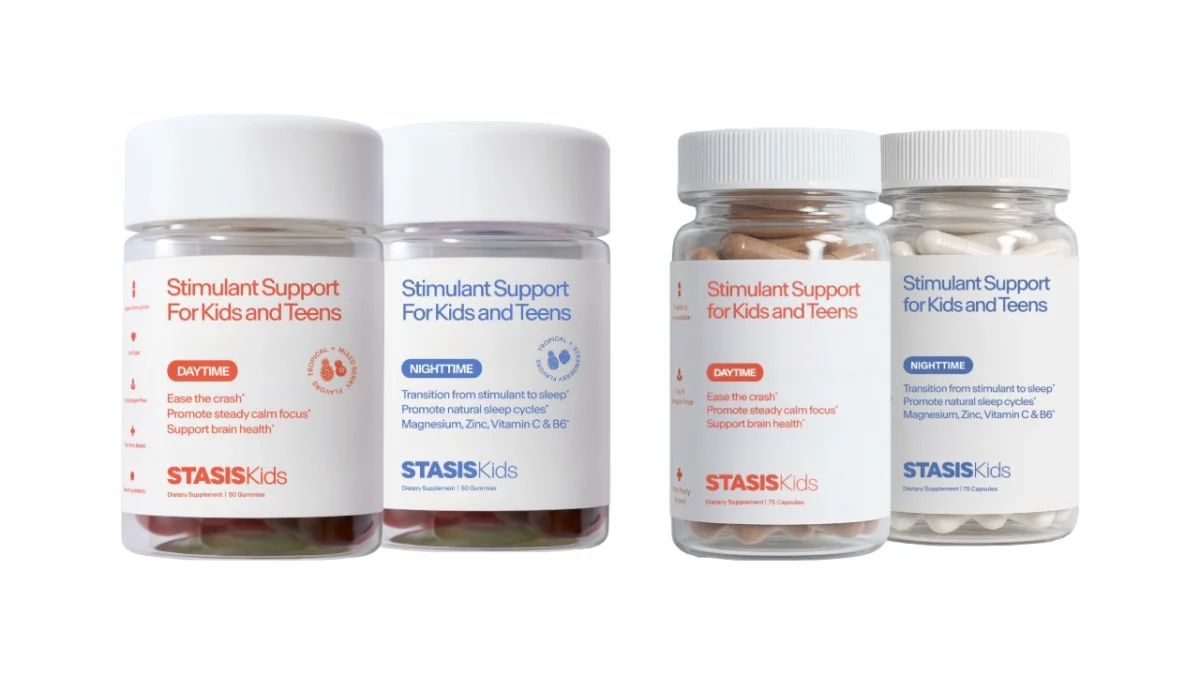
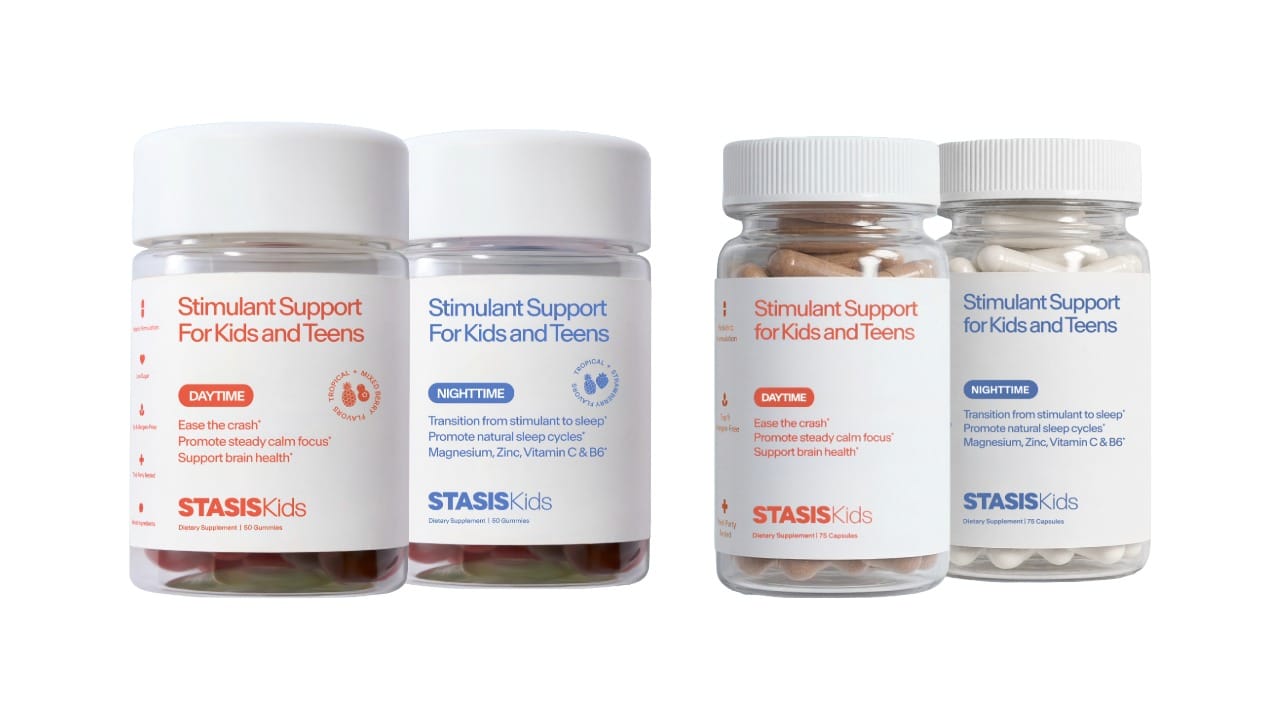
Stasis Kids’ Focus on Ashwagandha and Saffron: A notable new product launch from Stasis Kids features branded ashwagandha and saffron ingredients. Ashwagandha (Withania somnifera) has gained significant traction in the supplement market due to its adaptogenic properties, meaning it is believed to help the body manage stress. Extensive research has explored its potential benefits for reducing cortisol levels, improving sleep quality, and enhancing cognitive function. The inclusion of ashwagandha in a children’s supplement, provided it is formulated appropriately for the age group and at recommended dosages, reflects a growing interest in natural approaches to supporting children’s well-being, particularly in managing everyday stressors and promoting focus.
Saffron (Crocus sativus), another key ingredient in Stasis Kids’ new offering, is a prized spice with a long history in traditional medicine. Modern research has begun to explore its potential mood-boosting and cognitive-enhancing effects. Studies have suggested that saffron extracts may help alleviate symptoms of mild to moderate depression and anxiety, and some research indicates a role in improving memory and learning. The combination of ashwagandha and saffron in a pediatric formulation points towards a strategy of leveraging ingredients with complementary benefits, aimed at supporting children’s emotional balance and cognitive development. The use of "branded ingredients" also suggests a commitment to sourcing high-quality, well-researched botanical extracts, often backed by proprietary manufacturing processes and clinical data, which can enhance consumer confidence and product efficacy.
Black Seed Oil’s Resurgence: The burgeoning interest in black seed oil, derived from the seeds of Nigella sativa, represents another significant trend. This ancient spice has been utilized for centuries in various traditional medicine systems, particularly in the Middle East and Asia, for a wide range of ailments. Modern scientific investigations are beginning to uncover the mechanisms behind its purported benefits. Black seed oil is rich in thymoquinone, a compound believed to possess potent antioxidant, anti-inflammatory, and immunomodulatory properties. Emerging research suggests potential benefits for respiratory health, immune system support, skin conditions, and even metabolic health. As scientific understanding deepens and clinical trials continue, black seed oil is poised to become a more prominent ingredient in a variety of supplement formulations, catering to consumers seeking natural support for overall wellness.
The incorporation of these diverse ingredients into finished products underscores a broader industry movement towards leveraging both traditional knowledge and scientific validation. Consumers are increasingly seeking supplements that are not only convenient but also backed by credible research and derived from natural sources. This necessitates rigorous sourcing, formulation, and testing to ensure both safety and efficacy, aligning with the regulatory expectations highlighted by the FDA’s perspective on gummy supplements.
Company and Organization Updates: Growth, Certifications, and Strategic Partnerships
The dynamism of the supplement industry is also reflected in the strategic maneuvers of its key players. Recent company news indicates a strong trajectory of growth, a commitment to quality assurance, and the formation of vital alliances.
Expansions and Infrastructure Development: Several companies are undertaking significant expansions to meet growing market demand and enhance their operational capabilities. These expansions can range from increasing manufacturing capacity to establishing new research and development facilities or broadening distribution networks. Such investments signal confidence in the future growth of the supplement market and a strategic intent to capture a larger share. For example, a company might invest in state-of-the-art manufacturing equipment to improve efficiency and scalability, or establish dedicated labs for advanced quality control and new product innovation. These infrastructure developments are crucial for maintaining a competitive edge and ensuring a consistent supply of high-quality products.
Acquisition of Certifications: In an industry where trust and transparency are paramount, obtaining reputable certifications is a key differentiator. Companies are actively pursuing certifications such as GMP (Good Manufacturing Practices), ISO (International Organization for Standardization), NSF International, and organic certifications. These accreditations demonstrate a commitment to stringent quality control, safety standards, and ethical manufacturing practices. For consumers, these certifications provide an assurance of product quality and regulatory compliance. For the companies themselves, they unlock new market opportunities, particularly in regions with stricter regulatory requirements or for retailers that prioritize certified products. The process of obtaining these certifications often involves rigorous audits and documentation, underscoring the serious commitment required. For instance, achieving GMP certification typically involves a comprehensive review of all aspects of the manufacturing process, from raw material sourcing to finished product testing and packaging.
Strategic Agreements and Partnerships: The formation of strategic agreements and partnerships is another significant development shaping the industry. These collaborations can take various forms, including joint ventures for product development, co-marketing initiatives, or exclusive supply agreements for novel ingredients. Such partnerships can accelerate innovation, reduce time-to-market for new products, and expand market reach. For instance, a supplement manufacturer might partner with a research institution to co-develop a new ingredient or a novel delivery system. Alternatively, a company specializing in a particular ingredient might form an exclusive supply agreement with a large supplement brand, ensuring a consistent flow of high-quality raw materials. These alliances foster a more interconnected and collaborative ecosystem within the industry, driving collective progress and innovation.
Broader Implications and Future Outlook
The confluence of regulatory attention on popular formats like gummies, the introduction of scientifically-backed novel ingredients, and strategic corporate growth initiatives paints a picture of a maturing and increasingly sophisticated dietary supplement industry. The FDA’s perspective on gummy supplements, while technical, is a crucial step towards harmonizing industry practices with regulatory expectations. It highlights the importance of robust scientific methodologies in formulation and testing, ensuring that the convenience of gummies does not come at the expense of product integrity.
The growing consumer demand for supplements featuring ingredients like ashwagandha and black seed oil, supported by an expanding body of scientific evidence, signals a shift towards more evidence-based nutraceuticals. This trend encourages innovation and investment in research and development, pushing the boundaries of what supplements can offer.
Furthermore, the strategic expansions and certifications undertaken by companies underscore a commitment to long-term growth and market leadership. These actions demonstrate a proactive approach to meeting evolving consumer needs and regulatory landscapes. As the industry continues to grow, these developments will likely lead to greater consolidation, increased investment in scientific research, and a heightened focus on product quality and transparency. The ongoing interplay between scientific discovery, consumer preference, and regulatory oversight will undoubtedly continue to shape the future of the dietary supplement market, fostering an environment of innovation and responsible product development.
The author, Devon Gholam, Ph.D., an editor at SupplySide Supplement Journal, brings nearly two decades of experience in the functional food and nutraceutical industry, encompassing product development, innovation, technical sales, and technical writing. Her expertise, particularly in women’s health and the impact of GLP-1 medications on the industry, positions her to provide insightful analysis on these evolving trends. Her passion for knowledge and credible science aims to foster an innovative and collaborative spirit within the nutraceutical community.
