
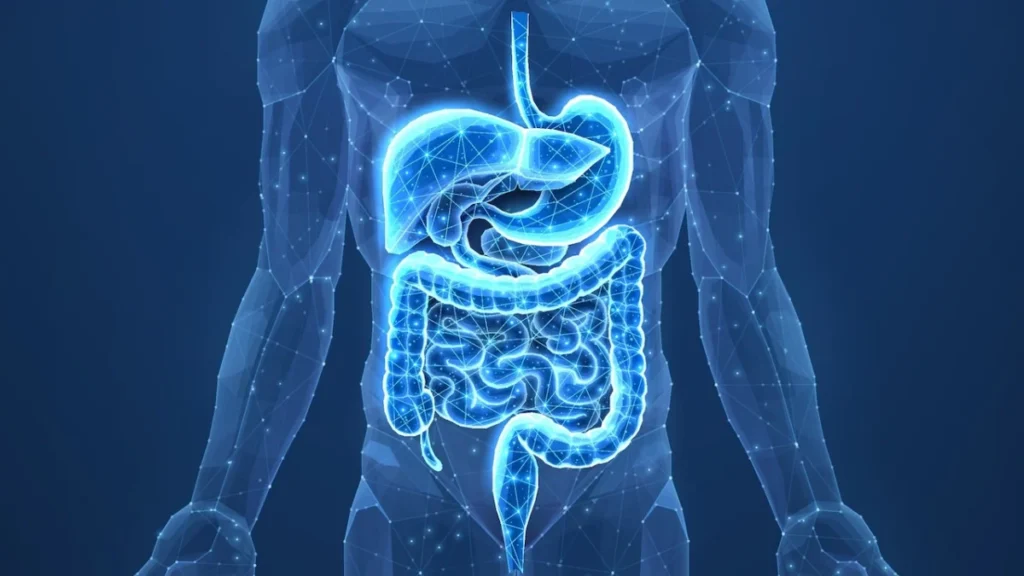
Nutrient sensing, a sophisticated biological mechanism often overlooked in public discourse, is emerging as a pivotal area of scientific inquiry with profound implications for the development of dietary supplements. Far from being a mere buzzword, this phenomenon represents a scientifically documented process by which the human gut communicates with the body, influencing everything from appetite regulation and metabolic health to cellular maintenance. Innovations in supplement delivery systems, encompassing novel product formats and technologies that enhance bioavailability, are poised to harness and amplify this intricate biological pathway, ushering in a new era for the nutraceutical industry. Understanding the fundamentals of nutrient sensing and its interactions with delivery methods is becoming increasingly critical for formulators aiming to create next-generation dietary supplements and active ingredients.
The Gut’s Intrinsic Intelligence: Understanding Nutrient Sensing
At its core, nutrient sensing is the digestive system’s remarkable capacity to detect and interpret the presence of nutrients within ingested food. This perception begins even at the initial taste stage and extends throughout the digestive process, translating this information into a complex cascade of hormonal signals. These signals, in turn, exert significant control over fundamental physiological processes such as appetite, the release of insulin, and the rate at which food is digested.
Dr. Susan Hewlings, Ph.D., co-founder of Substantiation Sciences, explains that specialized receptors are strategically distributed along the entire gastrointestinal tract, from the initial contact point on the tongue to the lining of the small intestines. These receptors are finely tuned to identify a wide spectrum of nutrients, including carbohydrates (sugars), lipids (fats), and amino acids (building blocks of protein). Upon detecting these substances, the gut initiates the secretion of crucial gut hormones. Among the most prominent of these are glucagon-like peptide-1 (GLP-1) and peptide YY (PYY). These hormones act as vital messengers, transmitting information to other key organs, including the brain and the pancreas, thereby orchestrating systemic physiological responses.

GLP-1, for instance, plays a critical role in glucose homeostasis by stimulating insulin secretion from the pancreas in a glucose-dependent manner, while simultaneously suppressing glucagon release. It also slows gastric emptying and promotes satiety, contributing to appetite control. PYY, released primarily in response to the presence of fat and carbohydrates in the distal small intestine, also signals satiety to the brain and reduces gut motility. The coordinated action of these and other gut hormones forms a sophisticated feedback loop that ensures the body efficiently processes nutrients, maintains energy balance, and regulates food intake.
The Impact of Aging on Nutrient Sensing Pathways
The intricate system of nutrient sensing is not static; it is demonstrably influenced by the aging process. Gene Bruno, who holds a doctoral degree in botanical medicine and serves as the chief scientific officer at Nutraland USA, highlights that the dysregulation of nutrient sensing pathways is a significant characteristic associated with aging. As individuals age, these finely tuned sensing mechanisms can become miscalibrated. This means they may inaccurately signal nutrient abundance when the body is actually experiencing scarcity, or conversely, signal deficiency when nutrients are readily available.
This imbalance can have far-reaching consequences for metabolic health. It can disrupt the efficient utilization of energy, impair the body’s ability to maintain healthy tissues, and fundamentally shift the body’s internal environment from a state of repair and regeneration towards one of degeneration. For example, a miscalibrated nutrient sensing system might lead to a diminished sensation of fullness after a meal, contributing to overconsumption and weight gain, or it could result in a delayed or inadequate insulin response, increasing the risk of metabolic disorders like type 2 diabetes.
Bruno further elaborates that nutrient sensing encompasses a multitude of interconnected biological pathways. One particularly well-studied pathway is the mechanistic target of rapamycin (mTOR) pathway. While often discussed in the context of sports nutrition for its role in muscle protein synthesis and growth, the mTOR pathway also holds significant implications for healthy aging and longevity. This is due to its fundamental role in regulating cellular metabolism and proliferation – the processes by which cells grow, divide, and repair themselves. Dysregulation of mTOR signaling has been implicated in various age-related diseases, making its modulation a key area of research for extending healthspan.
Delivery Innovations: Reshaping Nutrient Perception and Response
The way active ingredients are delivered to the body can significantly influence how nutrient sensing mechanisms are engaged and how they respond. Advancements in supplement formulation are not solely focused on increasing the bioavailability of compounds, but also on precisely controlling where within the digestive system these ingredients are released. This targeted delivery approach logically impacts nutrient sensing, a consensus shared by experts in the field.

Bruno emphasizes that the physical form and delivery method of an active ingredient can profoundly alter nutrient sensing. This influence stems from changes in the ingredient’s solubility, its rate of absorption, its release kinetics, and ultimately, the concentration-time profile it achieves within the gut and the bloodstream. He provides the example of protein digestion rates: the speed at which proteins are broken down into amino acids can directly affect the activation of amino acid sensors in the gut and, consequently, influence mTOR signaling pathways.
Innovative formulation strategies such as lipid-based delivery systems, encapsulation technologies, controlled-release mechanisms, and the incorporation of different food matrices (e.g., gels, emulsions) have the potential to modulate the intensity and duration of nutrient-sensing pathway stimulation. However, Bruno cautions that these effects are highly ingredient-specific, meaning a particular delivery method might enhance nutrient sensing for one compound but have a negligible or different effect on another.
Dr. Hewlings further corroborates this perspective, identifying three key factors that exert the greatest influence on nutrient sensing: location, speed, and form. For instance, the specific intestinal location where dietary fats are encountered, alongside the size of the emulsion droplets formed, can significantly modulate appetite signals. Similarly, the form of protein consumed is critical. Hydrolyzed proteins, which are essentially pre-digested into smaller peptides and amino acids, can elicit different hormonal responses compared to intact proteins, thereby altering the body’s nutrient sensing perception. This highlights the nuanced interplay between formulation and biological response.
Strategic Formulation: Leveraging Nutrient Sensing for Enhanced Efficacy
For formulators aiming to capitalize on the power of nutrient sensing, a strategic approach is paramount. While advanced delivery technologies like specialized coatings can help nutrients reach further down the digestive tract, Hewlings points out that the impact of macronutrients—proteins, carbohydrates, and fats—is particularly significant for supplements consumed in beverage, bar, or powder formats.
Regarding protein, the emphasis should shift from the absolute quantity to the ratio of protein relative to total calories. Hewlings references the "protein leverage hypothesis," which posits that individuals tend to continue eating until they have consumed a certain target amount of protein. Consequently, a product that is high in protein in absolute terms but low in protein as a percentage of its total caloric content might inadvertently drive overconsumption of that product and any other food consumed alongside it. This underscores the importance of formulation density and nutrient balance for satiety signaling.
Hewlings also strongly recommends focusing on the inclusion of fiber, particularly fermentable fiber. When dietary fiber undergoes fermentation by gut bacteria, it can trigger the release of satiety hormones. She explains, "Fermentable fiber recruits the gut’s own hormone system for you," effectively leveraging the body’s natural signaling mechanisms to promote feelings of fullness and reduce hunger. This not only contributes to appetite management but also supports a healthy gut microbiome, which itself is intricately linked to nutrient sensing and overall metabolic health.
Bruno advocates for viewing nutrient sensing not as an isolated target, but as an interconnected network due to the vast array of pathways involved in metabolism and cellular processes. He sees a significant opportunity to design formulations that are specifically tailored to influence particular nutrient-sensing pathways. However, he also issues a critical caveat: "most supplement claims about nutrient-sensing benefits still require stronger human clinical validation."
He concludes by emphasizing a principle for effective formulation: "Formulations should be built around well-characterized ingredients, clinically relevant doses, and measurable human outcomes, rather than assuming that activating or inhibiting a single nutrient-sensing pathway will automatically produce a health or longevity benefit." This data-driven approach ensures that the development of supplements targeting nutrient sensing is grounded in robust scientific evidence, leading to products that are not only innovative but also demonstrably effective and safe for consumers.
The Evolving Landscape of Supplement Science
The growing understanding of nutrient sensing is poised to reshape the landscape of supplement science. As research continues to unravel the complexities of this biological communication system, the industry will likely see a surge in products designed to optimize gut hormone signaling, enhance metabolic efficiency, and support healthy aging. Innovations in delivery technologies will play a crucial role in realizing this potential, ensuring that active ingredients are precisely targeted to engage the appropriate nutrient sensors and elicit the desired physiological responses. The integration of advanced formulation techniques with a deep understanding of nutrient sensing mechanisms promises to unlock new avenues for developing dietary supplements that are more effective, personalized, and aligned with the body’s intrinsic biological processes. This scientific evolution represents a significant step forward in the pursuit of enhanced health and well-being through targeted nutritional interventions.