








Creatine monohydrate stands as the most rigorously studied and validated ergogenic aid in the history of sports nutrition. Despite a decades-long history of efficacy, the supplement continues to navigate a landscape of public misconception, often being erroneously conflated with anabolic steroids by the lay public or viewed with suspicion by regulatory bodies in non-athletic contexts. However, within the scientific community and the upper echelons of professional athletics, creatine is recognized not merely as a performance enhancer, but as a fundamental component of cellular energy metabolism. This guide explores the biochemical foundations, historical evolution, and practical application of creatine supplementation, providing a comprehensive overview for those seeking to optimize physical and cognitive performance.
The Biochemical Foundation: ATP and Cellular Energy
At its core, creatine is a nitrogenous organic acid synthesized primarily in the liver, kidneys, and pancreas from the amino acids glycine, arginine, and methionine. Approximately 95% of the body’s creatine is stored within skeletal muscle, with the remainder distributed in the brain and testes. The primary physiological role of creatine is to facilitate the rapid regeneration of adenosine triphosphate (ATP), the universal energy currency of the cell.
During high-intensity, short-duration activities—such as sprinting or heavy resistance training—the body’s demand for ATP exceeds its immediate production capacity. ATP loses a phosphate group to become adenosine diphosphate (ADP) as it releases energy. Creatine, stored in the form of phosphocreatine (PCr), "donates" its phosphate group to ADP, essentially "recharging" it back into ATP. This process, known as the phosphagen system, allows athletes to maintain peak power output for several seconds longer than would be possible without adequate stores.

Research consistently indicates that creatine supplementation increases intramuscular creatine concentrations by 20% to 40%. This saturation leads to measurable improvements in work capacity, allowing for greater training volume, which serves as the primary driver for long-term hypertrophy and strength gains.
A Chronology of Creatine: From Discovery to Global Adoption
The trajectory of creatine from a laboratory curiosity to a multi-million dollar industry staple spans nearly two centuries. Understanding this timeline provides context for its current status in sports science.
- 1832: French philosopher and scientist Michel Eugène Chevreul identifies creatine as a component of skeletal muscle, naming it after the Greek word for flesh, kreas.
- 1912: Researchers at Harvard University, Otto Folin and Willey Denis, discover that ingesting creatine can significantly increase the creatine content within the muscle.
- 1920s: Scientists determine that creatine plays a pivotal role in muscle metabolism, though it remains largely inaccessible to the general public.
- 1992: The Barcelona Olympics serve as the "coming out party" for creatine. Reports emerge that gold medalists, including sprinters Linford Christie and Sally Gunnell, utilized creatine to enhance their training.
- 1993: The first commercially available creatine supplement, "Phosphagen," is released by EAS (Experimental and Applied Sciences), sparking a revolution in the supplement industry.
- 2007-Present: The International Society of Sports Nutrition (ISSN) and the American College of Sports Medicine (ACSM) issue multiple position stands, cementing creatine’s status as a safe and effective supplement for healthy individuals.
Strategic Implementation: Loading and Maintenance Protocols
To achieve the performance benefits associated with creatine, the muscle tissue must reach a state of saturation. There are two primary evidence-based strategies for achieving this state: the "Loading Phase" and the "Steady State" approach.
The Loading Phase
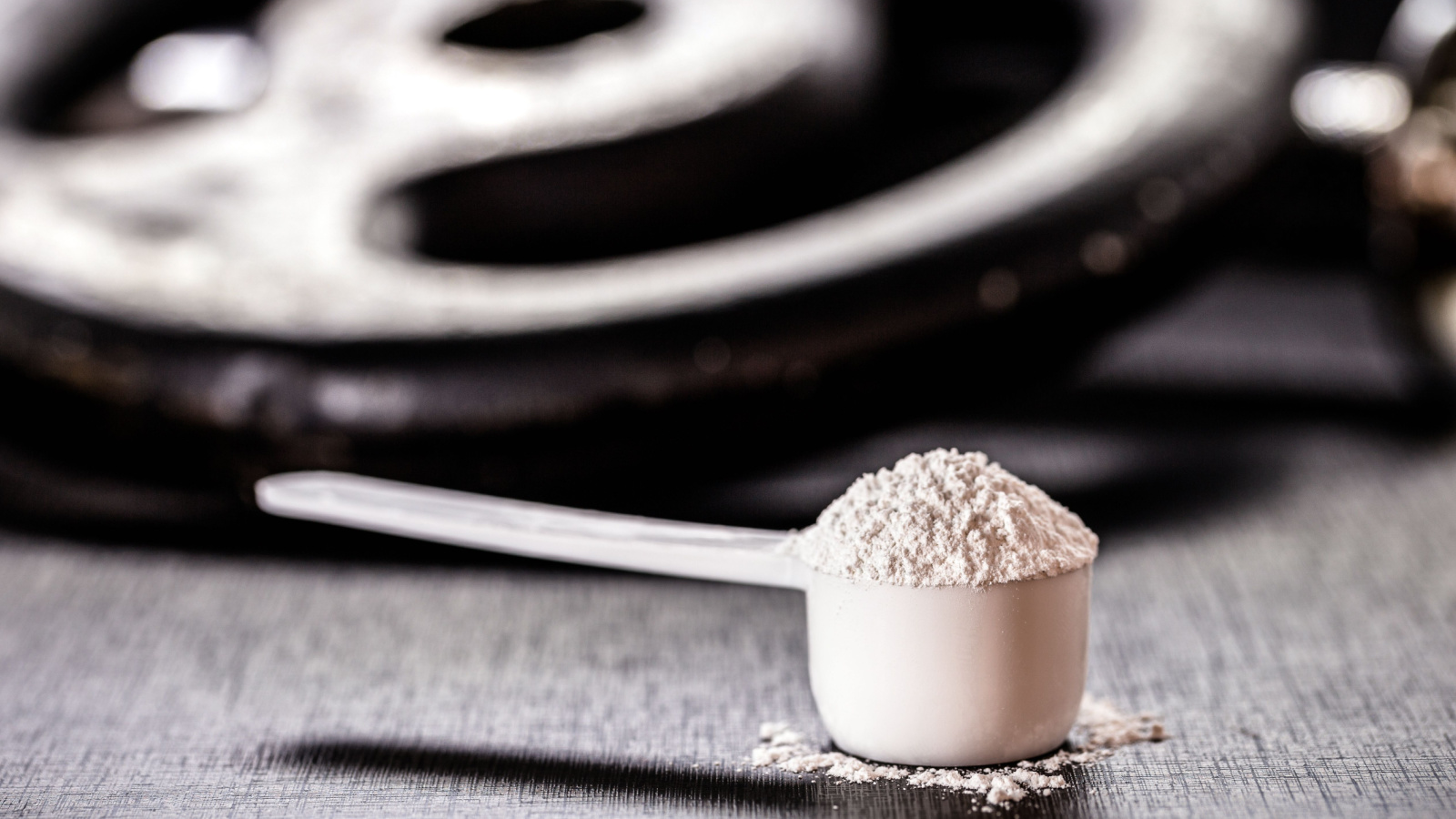
The most rapid method for muscle saturation involves a "loading" period. Clinical data suggests that consuming approximately 20 grams of creatine per day—typically divided into four 5-gram doses—for five to seven days can fully saturate muscle stores. Following this period, a maintenance dose of 3 to 5 grams daily is sufficient to keep stores at peak levels. This method is preferred by athletes with immediate performance goals, such as an upcoming competition.
The Steady State Approach
Alternatively, individuals can opt for a lower-dose approach from the outset, consuming 3 to 5 grams per day. While this method eventually achieves the same level of muscle saturation as the loading phase, the process takes approximately 28 days. This approach is often recommended for individuals prone to gastrointestinal distress, a rare but noted side effect of high-dose creatine ingestion.
Timing and Co-ingestion
While the cumulative effect of daily supplementation is more critical than precise timing, emerging research suggests a slight advantage to post-workout ingestion. Consuming creatine following resistance training, particularly when paired with carbohydrates or a carbohydrate-protein blend, may enhance uptake due to the insulin-mediated transport of nutrients into the muscle cells.

Supporting Data: Quantitative Gains in Strength and Hypertrophy
The efficacy of creatine is not merely anecdotal; it is supported by a vast body of meta-analyses and controlled trials. According to the International Society of Sports Nutrition, creatine supplementation can result in:
- Strength Increases: Short-term supplementation has been shown to improve maximal power and strength by 5% to 15%.
- Sprinting Performance: Improvements in single-effort sprint performance typically range from 1% to 5%.
- Lean Mass Gains: In conjunction with resistance training, users typically gain 2 to 5 pounds of lean body mass more than placebo groups over a 4-to-12-week period.
These gains are attributed to two factors: the immediate increase in intracellular water (cell volumization), which triggers anabolic signaling, and the long-term ability to perform more work per training session.
Beyond the Gym: Cognitive and Clinical Implications
While traditionally viewed as a "meathead" supplement, the scientific focus on creatine has shifted significantly toward its neuroprotective and cognitive benefits. The brain is a highly metabolic organ that relies heavily on the ATP-PCr system for energy homeostasis.
Neuroprotection and Mental Health
Studies have demonstrated that creatine supplementation can improve short-term memory and reasoning, particularly in individuals under stress or experiencing sleep deprivation. Furthermore, there is growing interest in creatine as an adjunctive therapy for clinical depression. Some research suggests that creatine may enhance the efficacy of selective serotonin reuptake inhibitors (SSRIs) by supporting brain energy metabolism, which is often compromised in depressive states.
Clinical Applications in Aging
As the global population ages, the role of creatine in combating sarcopenia (age-related muscle loss) and bone density reduction has become a priority. Clinical trials indicate that when combined with resistance training, creatine helps older adults maintain functional independence and reduce the risk of falls by preserving fast-twitch muscle fibers.

Addressing the Safety Profile and Public Perception
The most persistent barrier to creatine adoption is the prevalence of misinformation regarding its safety, particularly concerning renal function and hair loss.
Renal Health
The "kidney damage" myth stems from a misunderstanding of blood chemistry. Creatine supplementation naturally increases levels of creatinine, a metabolic byproduct. While elevated creatinine can be a marker of kidney dysfunction in sedentary individuals, it is a benign and expected result of creatine supplementation in healthy athletes. Long-term studies, some lasting up to five years, have shown no adverse effects on renal filtration rates in healthy populations.
The Hair Loss Controversy
The link between creatine and hair loss is based on a single 2009 study of rugby players which found an increase in dihydrotestosterone (DHT). However, this study did not observe actual hair loss, and the results have never been replicated in subsequent research. Most experts consider the link between creatine and male pattern baldness to be speculative and unsupported by clinical evidence.
Official Responses and Expert Consensus
Major health and athletic organizations have reached a consensus on the supplement. The International Society of Sports Nutrition (ISSN) states: "Creatine monohydrate is the most effective ergogenic nutritional supplement currently available to athletes in terms of increasing high-intensity exercise capacity and lean body mass during training."
Similarly, the American Dietetic Association and the Dietitians of Canada have acknowledged that creatine is effective in improving performance in high-intensity exercise. These endorsements from official bodies have helped move creatine from the "fringe" of the fitness world into the mainstream of nutritional science.

Broader Impact and Future Implications
The implications of creatine research extend far beyond the weight room. As we continue to uncover the link between cellular energy and chronic disease, creatine may emerge as a standard recommendation for metabolic health. The supplement’s low cost—especially in its monohydrate form—makes it one of the most accessible health interventions available globally.
The ongoing evolution of creatine research suggests that its benefits for the aging brain, heart health, and recovery from traumatic brain injury (TBI) will likely dominate the next decade of study. For the modern consumer, the data is clear: creatine monohydrate is a safe, effective, and scientifically sound investment for both physical performance and long-term health. While the market is flooded with "advanced" versions like creatine HCL or buffered creatine, the classic monohydrate remains the gold standard for purity and proven results.