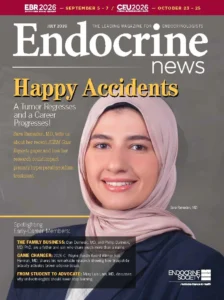
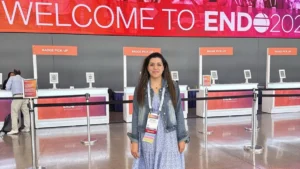








The annual ENDO 2026 meeting, hosted by the Endocrine Society, served as the backdrop for one of the most anticipated events in the field of hormone research: the Rising Star Power Talks. This year, the spotlight shone on Lila Dabill, a PhD candidate from Washington University in St. Louis, who secured the Basic Science award for her pioneering work on the enzyme Sarm1 and its surprising role in metabolic regulation. The competition, designed as a high-intensity research communication platform, challenged fifteen early-career scientists and in-training members to distill complex findings into concise, impactful presentations for an audience of world-leading experts and peers.
Dabill’s research, conducted within the laboratory of Dr. Erica Scheller, focuses on the intersection of the nervous system and metabolic health. By investigating the Sterile Alpha and Toll Interleukin Receptor Motif-containing protein 1 (Sarm1), Dabill and her colleagues have uncovered a potential new pathway for treating obesity and its associated comorbidities. The findings suggest that the nervous system plays a far more direct role in the development of insulin resistance and fatty liver disease than previously understood, opening doors for a new class of pharmaceutical interventions.
The Rising Star Power Talks: A Platform for Innovation
The Rising Star Power Talks have become a cornerstone of the ENDO conference, reflecting the society’s commitment to fostering the next generation of endocrine researchers. The 2026 session in Chicago, Illinois, maintained the "blitz" style format, where presenters are given a limited window to deliver what is essentially a scientific "elevator pitch." This format is intended to test not only the rigor of the research but also the ability of the scientist to communicate the broader significance of their work to a diverse audience of clinicians, basic scientists, and translational researchers.

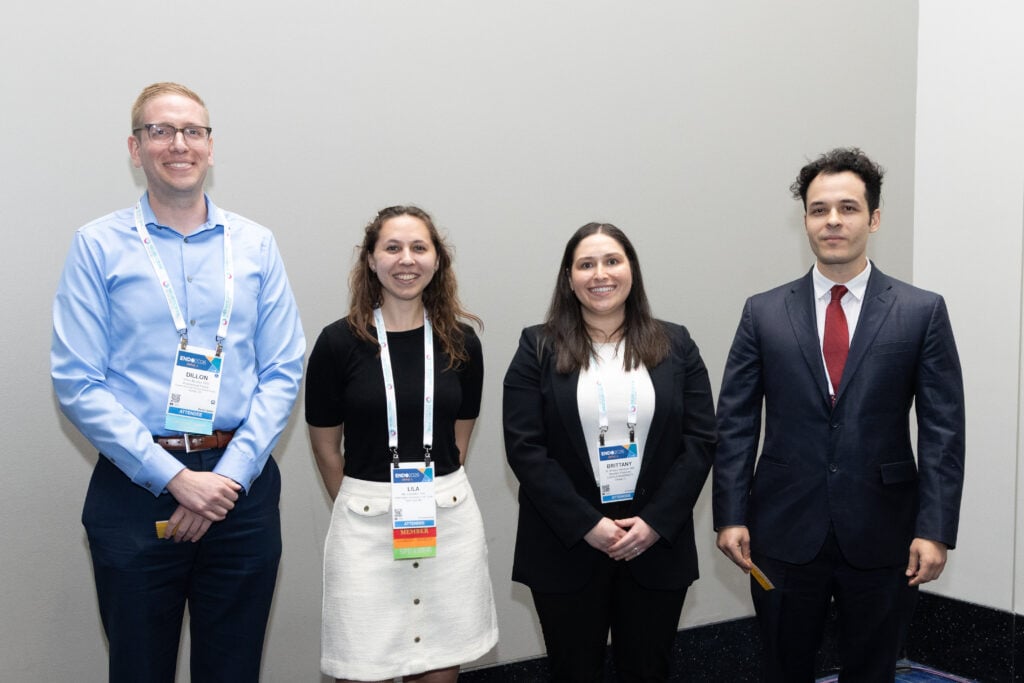
The 2026 winners represented a broad spectrum of endocrine science. Alongside Dabill, the winners included Brittany Weisbrot of Loyola University Medical Center for Clinical Science; Dillon Boulton of the University of Colorado Anschutz Medical Campus for Translational Science; and Konstantinos Stefanakis of Harvard Medical School, who received the Audience’s Choice award. Each winner demonstrated a unique ability to bridge the gap between complex laboratory data and potential real-world clinical applications.
Sarm1: From Neurodegeneration to Metabolic Protection
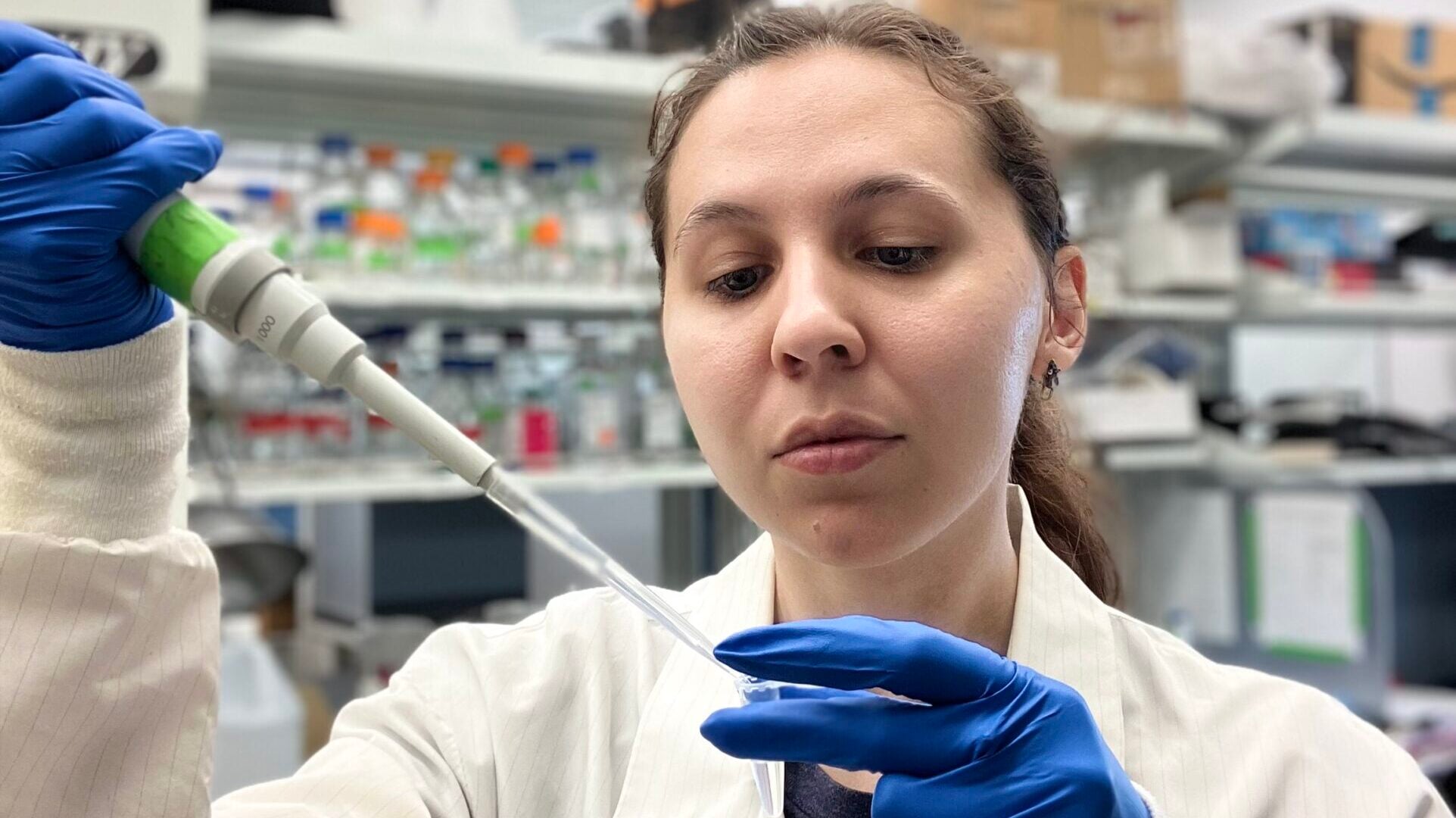
The core of Lila Dabill’s award-winning presentation centered on Sarm1, an NADase enzyme primarily localized within the nervous system. In the field of neurology, Sarm1 is well-known as the central executioner of Wallerian axon degeneration. This process occurs when an axon is injured, leading to a rapid depletion of nicotinic adenine dinucleotide (NAD+), which ultimately causes the nerve fiber to break down. Because of its role in nerve death, Sarm1 has already become a high-priority target for the pharmaceutical industry, with several companies developing Sarm1 inhibitors to treat peripheral neuropathy, amyotrophic lateral sclerosis (ALS), and other neurodegenerative conditions.
However, Dabill’s research takes Sarm1 into the realm of metabolism. The Scheller Lab discovered that by "knocking out" or deleting Sarm1 in the nerves of murine models, they could prevent the onset of metabolic disasters typically caused by a high-fat diet. Mice lacking neural Sarm1 did not develop obesity, insulin resistance, or liver steatosis (fatty liver), even when fed the same high-calorie diet as control groups.
To validate these findings, the research team utilized rigorous metabolic caging assessments—a method known as indirect calorimetry—to monitor energy expenditure, oxygen consumption, and carbon dioxide production. They also performed thermogenic testing to see if the mice were simply burning off the excess calories as heat. Surprisingly, the data revealed that the protection against weight gain was independent of energy expenditure, physical activity levels, and thermogenesis. This suggests that the mechanism of protection is not related to "burning more calories," but rather to how the body processes or absorbs those calories, or how the nervous system signals the metabolic organs.
Shifting Focus to the Gut-Brain Axis
With the elimination of traditional energy expenditure as the primary driver of the Sarm1-knockout phenotype, Dabill and her team have shifted their investigative focus toward the gastrointestinal tract. The current hypothesis posits that Sarm1 in the enteric nervous system (the "second brain" of the gut) may be the key.
Obesity and high-fat diets are known to induce "gut dysmotility" and enteric neuropathy, where the nerves controlling the digestive system begin to fail. This can lead to a breakdown in the communication between the gut and the brain, affecting satiety signals and nutrient absorption. Dabill’s upcoming work involves wholemount imaging and functional assays to determine if the absence of Sarm1 protects the enteric nerves from diet-induced damage. If Sarm1 inhibitors can preserve gut-brain signaling, they may provide a way to maintain metabolic homeostasis even in the presence of a calorie-dense diet.
The Socioeconomic Context of Metabolic Research
The significance of Dabill’s work is underscored by the current global health crisis surrounding metabolic syndrome. In the United States, adult obesity rates have surpassed 40%, and type 2 diabetes affects more than 37 million people. While the advent of GLP-1 receptor agonists (such as semaglutide and tirzepatide) has revolutionized weight management, these treatments are not without limitations. Some patients experience significant gastrointestinal side effects, while others do not respond to the medication at all. Furthermore, there remains a need for treatments that address the underlying neurological damage caused by chronic metabolic stress.
Dabill’s research suggests a multi-faceted approach. If Sarm1 inhibitors—already in development for nerve health—can also treat fatty liver and insulin resistance, they would represent a "silver bullet" in metabolic medicine. By targeting the nervous system, clinicians could potentially treat the neuropathy that often plagues diabetic patients while simultaneously addressing the root causes of their metabolic dysfunction.
Professional Impact and the Role of the Endocrine Society
For early-career researchers like Dabill, the Endocrine Society provides more than just a venue for presentation; it offers a professional "home-base." Dabill emphasized that the collaborative environment of the society has been instrumental in her development as a scientist. The feedback received during sessions like the Rising Star Power Talks allows researchers to refine their methodologies and consider new perspectives that may not be apparent within the confines of a single laboratory.
The transition from a PhD student to a professional investigator is a critical juncture. Dabill, who plans to defend her thesis in the spring of 2027, expressed her intention to pursue a post-doctoral position with the long-term goal of becoming a Principal Investigator (PI). Her focus will remain on the neural regulation of metabolism, a field that is rapidly expanding as scientists realize the brain and peripheral nerves are central players in endocrine health.
Chronology of Discovery and Future Milestones
The timeline for this research reflects the steady, methodical progression of basic science:

- Pre-2024: Initial discovery of Sarm1’s role in Wallerian degeneration and the development of early inhibitors by the pharmaceutical sector.
- 2024-2025: The Scheller Lab identifies the metabolic protection phenotype in Sarm1-knockout mice.
- June 2026: Lila Dabill presents the findings at ENDO 2026, winning the Basic Science category.
- Late 2026-Early 2027: Ongoing functional assays and wholemount imaging of the enteric nervous system to pinpoint the gut-based mechanism.
- Spring 2027: Dabill’s scheduled thesis defense and transition to post-doctoral research.
- Future: Potential clinical trials of Sarm1 inhibitors for metabolic indications, pending the results of these basic science studies.
Analysis of Implications for the Scientific Community
Dabill’s work is part of a broader shift in endocrinology toward "neuro-endocrinology" in the context of peripheral organs. For decades, obesity research focused heavily on adipose tissue (fat cells) and the pancreas. Dabill’s success at ENDO 2026 highlights the community’s growing interest in how the nervous system acts as a master regulator of these systems.
If the gut-brain axis is indeed the site of Sarm1’s metabolic influence, it could change the way dietary interventions are designed. Rather than just looking at calorie counts, researchers might look at "neuro-protective" diets that prevent the enteric neuropathy associated with metabolic decline. Furthermore, the objective and factual data provided by Dabill’s metabolic caging studies set a high bar for rigor in the field, ensuring that the observed weight prevention is not a fluke of behavior but a fundamental change in physiology.
The Endocrine Society’s decision to honor this basic science research reflects a commitment to the "bench-to-bedside" pipeline. While clinical trials get the most public attention, it is the fundamental work of PhD students like Lila Dabill that identifies the targets for the drugs of tomorrow. As ENDO 2027 approaches, the scientific community will be watching closely to see if the gut-mechanism hypothesis holds true, potentially marking the beginning of a new era in the treatment of the world’s most pressing metabolic challenges.