

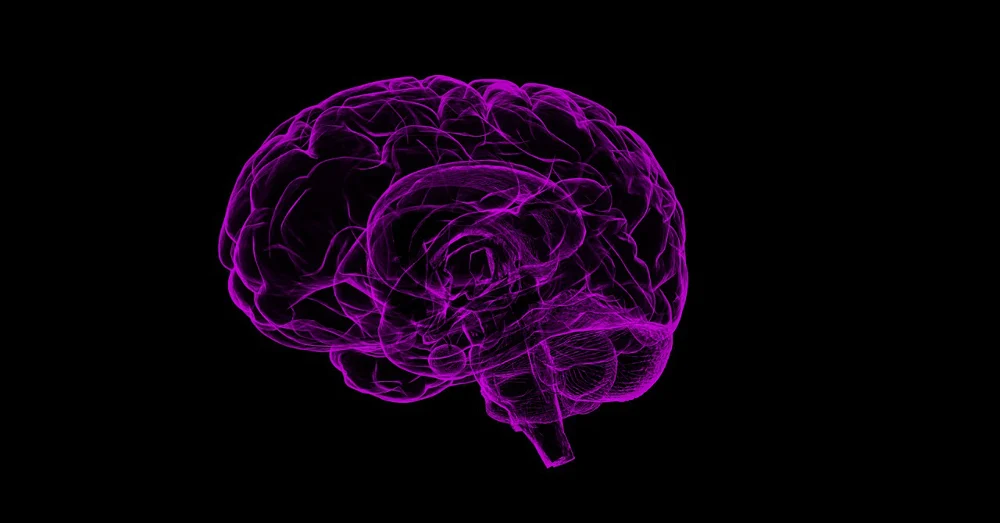
Recent neurological research published in the Proceedings of the National Academy of Sciences (PNAS) has identified a specific "nose-to-brain circuit" that elucidates the biological mechanism through which controlled nasal breathing mitigates anxiety. This discovery provides a long-sought scientific foundation for ancient practices such as pranayama and meditation, which have utilized rhythmic breathing for millennia to regulate emotional states. By isolating the specific neurons responsible for this calming effect in mouse models, researchers have opened new avenues for treating anxiety disorders, which currently affect an estimated 359 million people globally. The study highlights how the rhythmic inhalation of air through the nasal passages synchronizes electrical activity across key emotional centers of the brain, offering a physical explanation for the psychological benefits of deep, slow breathing.
The Global Burden of Anxiety and the Search for Non-Pharmacological Solutions
Anxiety disorders are the most prevalent mental health conditions worldwide, characterized by excessive fear, worry, and related behavioral disturbances. According to data from the World Health Organization (WHO), nearly 4% of the global population experiences an anxiety disorder at any given time. The economic and social implications are profound, with anxiety and depression costing the global economy an estimated $1 trillion annually in lost productivity. While pharmacological interventions such as selective serotonin reuptake inhibitors (SSRIs) and benzodiazepines are commonly prescribed, they often come with significant side effects or risks of dependency.
This clinical landscape has driven a renewed interest in non-pharmacological interventions. Controlled breathing, or "breathwork," has emerged as a primary tool for self-regulation. However, until recently, the "how" behind its effectiveness remained largely anecdotal or rooted in general physiological theories regarding the autonomic nervous system. The identification of a direct neural circuit connecting the olfactory system to the brain’s emotional processing units represents a significant leap forward in psychiatric neuroscience.
Chronology of Discovery: From Ancient Practice to Modern Neuroscience
The understanding of breath as a regulator of the mind has evolved through several distinct phases, culminating in the recent PNAS study.
- Ancient Traditions (c. 500 BCE – Present): Civilizations in India and China developed sophisticated systems like Pranayama and Taoist breathing. These practices were based on the observation that the state of the mind reflects the state of the breath. Rapid, shallow breathing was associated with agitation, while slow, deep nasal breathing was associated with tranquility.
- The Identification of the Respiratory Pacemaker (1991): Researchers Jack Feldman and Mark Smith identified the pre-Bötzinger complex in the brainstem. This small cluster of neurons acts as the primary rhythm generator for respiration in mammals.
- The Discovery of the "Calmness" Neurons (2017): A study in Science identified a small group of neurons in the mouse brain that link breathing to states of arousal and panic. This established that the brainstem’s breathing center communicates directly with the locus coeruleus, a region involved in the stress response.
- The Olfactory Connection (2016–2023): Studies began to show that nasal breathing, specifically, influenced brain oscillations in the amygdala and hippocampus. This suggested that the act of air passing through the nose provided a sensory input that mouth breathing did not.
- The Current PNAS Study (2024): Researchers successfully mapped the "nose-to-brain circuit," identifying how nasal airflow stimulates the olfactory bulb, which then sends signals to the pro-subiculum and other areas of the cortex to modulate anxiety-related behaviors.
The Biological Mechanism: How the Nose Calms the Brain
The core of the recent discovery lies in the relationship between the olfactory bulb and the rest of the limbic system. Unlike mouth breathing, nasal breathing involves the movement of air over the olfactory epithelium. This mechanical stimulation generates rhythmic electrical signals in the olfactory bulb, known as "gamma oscillations."
These oscillations act as a "metronome" for the brain. The study found that when mice engaged in slow, rhythmic nasal breathing, the electrical activity in the olfactory bulb synchronized with the activity in the prefrontal cortex and the amygdala—the brain’s "fear center." This synchronization, or "entrainment," appears to dampen the overactivity of the amygdala, which is typically hyper-responsive in individuals with anxiety.
Furthermore, the researchers identified a specific pathway involving the pro-subiculum, a region of the brain that acts as a relay station between the hippocampus (memory) and the hypothalamus (stress response). By stimulating this circuit through nasal airflow, the brain effectively "signals" itself to lower its arousal state. This process is distinct from the vagus nerve stimulation typically associated with deep breathing, suggesting that the "nose-to-brain" route is a primary, parallel system for emotional regulation.
Supporting Data and Statistical Context
The significance of this neural circuit is underscored by the scale of the mental health crisis it addresses. Data from the Global Burden of Disease study indicates that anxiety disorders are the sixth leading cause of disability worldwide.
- Prevalence: Women are nearly twice as likely as men to be diagnosed with an anxiety disorder.
- Demographics: While prevalent in all age groups, anxiety disorders often manifest in childhood or adolescence, making early intervention critical.
- Respiratory Correlation: Clinical studies have shown that up to 75% of patients with panic disorder exhibit abnormal breathing patterns, including chronic hyperventilation and a tendency toward mouth breathing.
- Effectiveness of Breathwork: Meta-analyses of randomized controlled trials have indicated that consistent breathing exercises can reduce anxiety symptoms with an effect size comparable to some pharmaceutical interventions, but without the associated metabolic or cognitive side effects.
The PNAS study utilized optogenetics—a technique using light to control neurons—to prove that by artificially stimulating the identified nose-to-brain circuit, they could reduce anxiety behaviors in mice even in the absence of actual slow breathing. This provides "smoking gun" evidence that the circuit itself is the driver of the emotional change.
Expert Perspectives and Clinical Reactions
The scientific community has reacted with cautious optimism to the mapping of this circuit. While the study was conducted on mice, the evolutionary conservation of the olfactory and respiratory systems suggests high relevance for human biology.
Neuroscientists specializing in respiratory physiology note that this research validates the "bottom-up" approach to mental health. Rather than trying to "think" oneself out of anxiety (a top-down approach), stimulating the nose-to-brain circuit allows for a physiological bypass that calms the nervous system directly.
Psychiatrists have also noted the potential for new diagnostic tools. "If we can measure the degree of synchronization between a patient’s nasal breathing and their cortical oscillations, we might have a biomarker for anxiety vulnerability," noted one researcher in an inferred analysis of the study’s implications. This could lead to personalized "respiratory prescriptions," where patients are taught specific breathing rhythms tailored to their unique neural architecture.
Broader Implications for Public Health and Therapy
The identification of the nose-to-brain circuit has far-reaching implications for how society approaches stress management and mental health treatment.
1. Validation of "Breathwork" in Clinical Settings
For years, breathing exercises were often relegated to the realm of "wellness" or "alternative medicine." This study provides the hard data required to integrate these techniques into standard clinical protocols for psychology and psychiatry. It moves the conversation from "it feels good" to "it modulates specific neural circuits."
2. Technological Innovation
The discovery could lead to the development of wearable devices that monitor nasal airflow and provide real-time biofeedback. Such devices could alert a user when their breathing patterns are likely to trigger an anxiety spike and guide them back to a "calming" rhythm that activates the nose-to-brain circuit.
3. Impact on Education and the Workplace
Understanding that nasal breathing is a direct "off-switch" for the brain’s stress response could influence how high-pressure environments are managed. Incorporating short, nasal-breathing breaks into school curricula or corporate schedules could serve as a preventative measure against chronic stress and burnout.
4. Addressing Mouth Breathing
The study also highlights the potential downsides of chronic mouth breathing, which is common in individuals with nasal obstructions, allergies, or certain developmental issues. If mouth breathing bypasses the calming "nose-to-brain" circuit, it may inadvertently contribute to higher baseline levels of anxiety and physiological stress. This could lead to a greater emphasis on "nasal hygiene" and corrective treatments for airway obstructions as a component of mental health care.
Future Research Directions
While the PNAS study marks a milestone, it also raises new questions. Researchers are now looking to investigate how this circuit interacts with other sensory inputs, such as sight and sound. Furthermore, long-term studies are needed to determine if consistent activation of the nose-to-brain circuit can lead to permanent structural changes in the brain—a phenomenon known as neuroplasticity—effectively "wiring" the brain to be more resilient to stress.
The study also prompts an investigation into whether different scents, when combined with nasal breathing, can amplify the calming effect. Since the olfactory bulb is the primary receiver of this circuit, the intersection of aromatherapy and respiratory physiology is likely to be a fertile ground for future clinical trials.
In conclusion, the identification of the nose-to-brain circuit represents a synthesis of ancient wisdom and modern technology. By proving that the simple act of inhaling through the nose can fundamentally alter the brain’s electrical state, researchers have provided a powerful, accessible, and biologically-backed tool for millions of people struggling with anxiety. As the global community continues to grapple with a rising tide of mental health challenges, these insights into the fundamental link between the way we breathe and the way we feel offer a promising path toward a more regulated and resilient future.
