

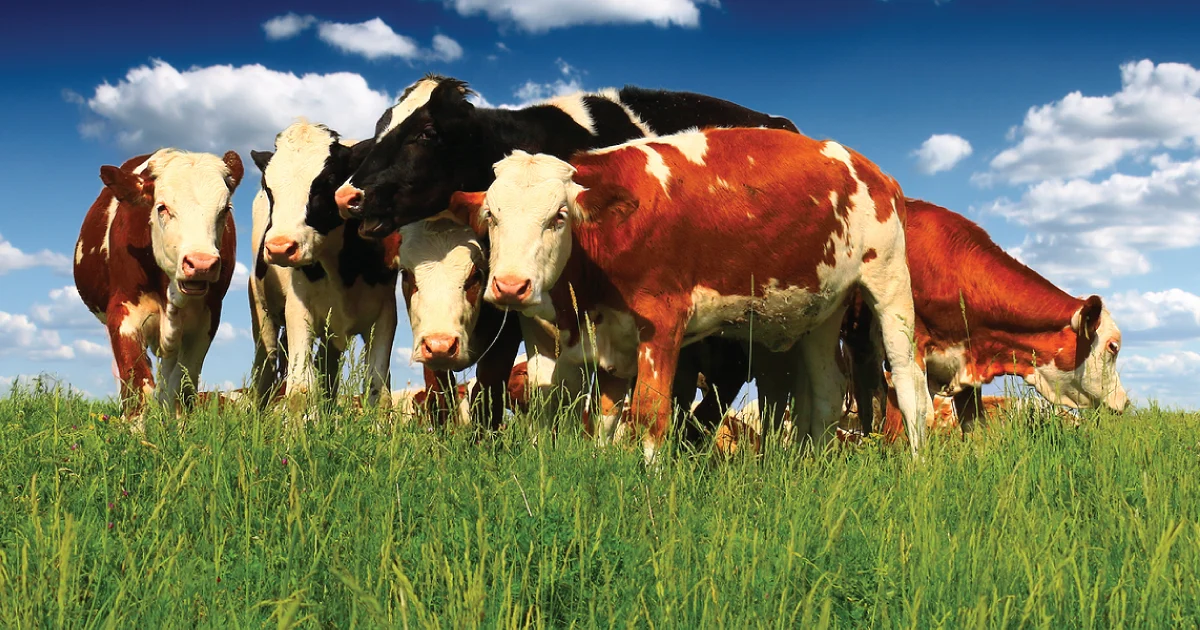
The Trump administration has issued a pair of executive orders aimed at restructuring the domestic meat supply chain, granting American cattle ranchers the authority to sell beef directly to consumers. This policy shift arrives as a strategic response to widespread criticism from the agricultural sector following the administration’s earlier proposal to increase foreign beef imports as a mechanism to combat record-high grocery prices. By facilitating direct-to-consumer transactions, the White House seeks to bypass traditional processing bottlenecks and provide a financial lifeline to domestic producers who have struggled with rising operational costs and market consolidation.
The decision represents a significant "olive branch" to the American ranching community, which had expressed vocal opposition to the administration’s plan to import 300,000 metric tons of ground beef from South American nations, including Argentina and Brazil. While that plan was designed to saturate the market with discounted protein to provide relief to American families, domestic producers argued it would undercut local prices and further destabilize an industry already grappling with thin profit margins. The new executive orders represent a dual-track approach: attempting to lower consumer costs while simultaneously bolstering the independence of the American rancher.
Context of the Beef Price Crisis
The catalyst for these executive actions is a period of unprecedented volatility in the global and domestic protein markets. Over the past eighteen months, retail beef prices in the United States have climbed to record levels, with some cuts seeing year-over-year increases exceeding 20%. Several factors have converged to create this inflationary environment. Persistent drought conditions across the Great Plains and the Southwest have reduced the national cattle herd to its lowest level in decades, as ranchers were forced to cull cows they could no longer afford to feed or water.
Simultaneously, the cost of inputs—specifically corn and soy-based feed, fuel for transport, and labor—has remained elevated. These pressures have been compounded by a highly consolidated processing sector. Currently, four major corporations control approximately 85% of the steer and heifer slaughter in the United States. This concentration has long been a point of contention for independent ranchers, who argue that the "Big Four" meatpackers maintain a "bottleneck" that keeps prices paid to producers low while keeping prices charged to consumers high.
The Import Controversy and the 300,000 Metric Ton Plan
In early 2024, the White House announced an aggressive strategy to curb food inflation by opening the U.S. market to 300,000 metric tons of ground beef from international partners. The logic was rooted in basic supply-and-demand economics: by increasing the total volume of available lean trim used for ground beef, the administration hoped to force a downward trend in retail prices. Argentina and Brazil, two of the world’s largest beef exporters, were identified as primary sources for this influx.
However, the announcement triggered an immediate backlash from trade organizations such as the National Cattlemen’s Beef Association (NCBA) and R-CALF USA. These groups argued that the move prioritized short-term consumer savings over the long-term viability of the American food supply. They pointed to the disparity in production standards, environmental regulations, and labor costs between U.S. ranchers and their South American counterparts, claiming that an influx of subsidized or lower-cost foreign beef would make it impossible for domestic family farms to compete. The political pressure from the "Farm Belt" prompted the administration to reconsider its approach, leading to the current executive orders.
Breakdown of the New Executive Orders
The first of the two executive orders focuses on regulatory relief regarding the sale and distribution of meat. Under previous USDA guidelines, most meat sold to consumers was required to pass through federally inspected processing facilities. Because these facilities are often booked months or even years in advance, small-scale ranchers were effectively barred from selling large quantities of meat directly to their local communities. The new order directs the USDA to expand "custom-exempt" processing allowances, allowing ranchers to sell shares of live animals or processed cuts directly to individuals without the mandatory intermediary of a large-scale industrial packer, provided certain safety and labeling standards are met.
The second executive order addresses the infrastructure of the local meat supply chain. It authorizes the Department of Agriculture to reallocate existing rural development funds toward the expansion of small and mid-sized regional processing plants. By diversifying the locations where cattle can be slaughtered and packaged, the administration aims to reduce the industry’s reliance on the major packing conglomerates. This order also includes provisions for "Product of the USA" labeling reform, ensuring that only beef born, raised, and slaughtered in the United States can carry the label, a move long sought by domestic producers to distinguish their product from imported meat.
Chronology of the Policy Shift
The trajectory of this policy can be traced back to the post-pandemic recovery period, which saw the first major spikes in protein costs:
- Mid-2023: Retail beef prices hit a five-year high. The USDA reports a significant contraction in the national cattle herd due to drought.
- Late 2023: Consumer advocacy groups petition the White House for intervention as ground beef prices surpass $5.00 per pound in many urban markets.
- January 2024: The administration proposes the "Emergency Protein Import Plan," targeting 300,000 metric tons of beef from Argentina and Brazil.
- February 2024: Ranching associations hold "fly-in" protests in Washington D.C., meeting with lawmakers to voice opposition to the import plan.
- March 2024: Bipartisan pressure builds in the Senate Agriculture Committee to protect domestic producers.
- April 2024: President Trump announces the pivot to direct-to-consumer sales, signing the two executive orders to mitigate the fallout from the import proposal.
Supporting Data and Economic Indicators
To understand the scale of the issue, industry analysts point to the "farmer’s share" of the retail dollar. According to USDA data, for every dollar a consumer spends on beef, the rancher’s share has historically fluctuated, but in recent years, the gap between the price of "live cattle" and the "box beef" price (the price packers charge retailers) has widened significantly. In 2014, ranchers received roughly 60 cents of every dollar spent on beef; by 2023, that figure had dropped toward 40 cents in several quarters, despite record-high retail prices.
Furthermore, the 300,000 metric tons of proposed imports would have represented a nearly 10% increase in the total amount of beef imported by the U.S. annually. For context, the U.S. typically imports about 3.3 to 3.7 billion pounds of beef per year, mostly lean trimmings for blending into ground beef. An influx of this size would have been one of the largest single-year increases in import volume in recent history.
Official Responses and Industry Reactions
The reaction to the executive orders has been cautiously optimistic among ranching advocates, though some consumer groups express concern that the move does not go far enough to lower immediate grocery bills.
"For too long, the American rancher has been at the mercy of a handful of massive corporations," said a spokesperson for a major Midwestern cattlemen’s association. "These executive orders are a step toward restoring a free market where a producer can look their neighbor in the eye and sell them a high-quality product without a middleman taking the lion’s share of the profit."
Conversely, some economists warn that direct-to-consumer sales, while beneficial for the rancher’s bottom line, may not provide the "bulk" relief needed for low-income urban consumers. "The logistics of buying a quarter-cow or even large bundles of meat directly from a farm are difficult for city dwellers with limited freezer space and no transportation to rural areas," noted an analyst from a prominent food policy think tank. "While this helps the rural economy, the administration will still need to address the high prices found in traditional supermarkets."
In South America, officials in Buenos Aires and Brasília have remained largely silent on the U.S. policy pivot, though trade analysts in those regions suggest that the 300,000-ton import plan remains a point of negotiation for broader trade agreements.
Broader Impact and Long-term Implications
The long-term success of these executive orders will depend heavily on the "cold chain" logistics and the capacity of smaller processors to handle increased volume. If the USDA can successfully streamline the inspection process without compromising food safety, it could lead to a permanent shift in how Americans purchase protein. This "localization" of the food supply is seen by some as a matter of national security, reducing the vulnerability of the food chain to disruptions at large, centralized plants—a lesson learned during the supply chain failures of 2020.
Additionally, the emphasis on "Product of the USA" labeling is expected to drive a premium for domestic beef. By clearly identifying the origin of the meat, the administration is betting that American consumers will be willing to pay a slightly higher price for home-grown products, thereby supporting the domestic industry without the need for permanent import caps.
As the 2024 election cycle approaches, the administration’s handling of the "beef crisis" serves as a microcosm of its broader economic strategy: balancing the immediate needs of a frustrated consumer base with the protectionist demands of its core agricultural constituency. Whether these executive orders will be enough to stabilize prices at the checkout counter while keeping American ranches in business remains the critical question for the Department of Agriculture in the months ahead.
