

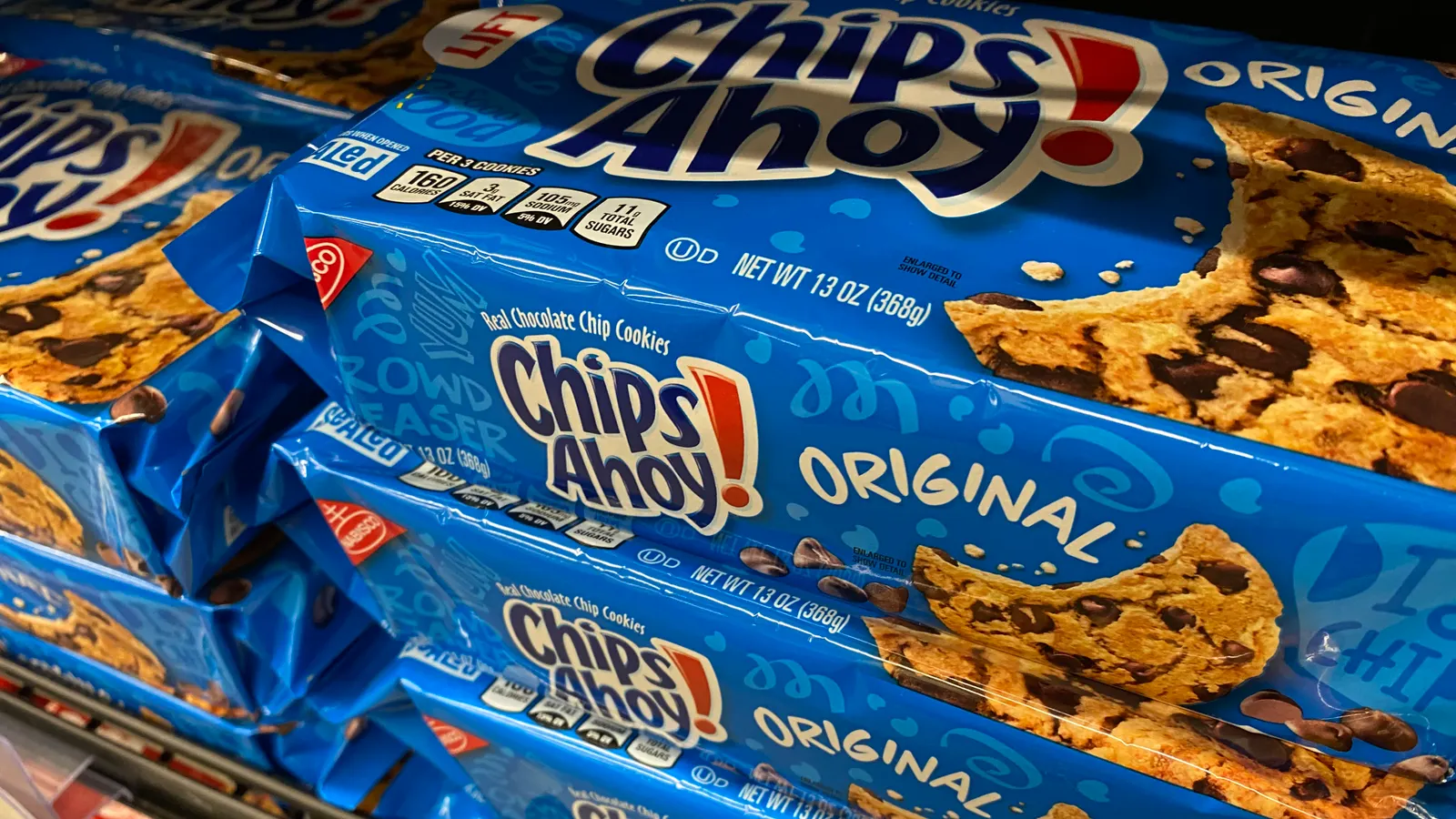
The escalating asking prices for acquisition targets are creating a more challenging environment for food companies like Mondelēz International to pursue mergers and acquisitions, as a "desperate" appetite for growth drives up valuations across the industry. This trend, fueled by the need to inject dynamism into slowing sales with trendier, higher-growth brands, is making it increasingly difficult for even established players to secure deals at favorable terms.
The Pursuit of Growth in a Competitive Landscape
In recent years, the food and beverage sector has witnessed a significant uptick in merger and acquisition (M&A) activity. This surge is largely attributed to a strategic imperative for companies to augment their portfolios with brands that resonate with evolving consumer preferences and exhibit stronger growth trajectories. As consumer tastes shift towards healthier, more artisanal, or globally inspired products, legacy brands often struggle to maintain their market share and sales momentum. M&A has emerged as a primary vehicle to bridge this gap, allowing companies to acquire established brands that already possess these desirable attributes or to gain access to new demographic segments and consumption occasions.
This competitive fervor, however, has inadvertently inflated the market for acquisition targets. Companies that are demonstrably achieving organic growth are now in high demand, driving up their perceived value and, consequently, their asking prices. Dirk Van de Put, CEO of Mondelēz International, articulated this sentiment during the Consumer Analyst Group of New York (CAGNY) Conference in February. He observed that over the past two years, the urgency for growth has become so pronounced that "what we would consider reasonable pricing to buy a company has gone out the door." This statement underscores a palpable shift in the M&A landscape, where the premium for growth has escalated significantly.
Mondelēz’s Strategic Acquisition Journey
Mondelēz International, the maker of iconic brands like Oreo and Cadbury, has been a particularly active participant in the M&A arena since Dirk Van de Put assumed leadership in 2017. The company has a well-documented history of strategically expanding its reach, particularly within the snacking and premium product categories. Over the past decade, Mondelēz has completed approximately a dozen acquisitions, each aimed at bolstering its market position and diversifying its revenue streams.
Notable acquisitions include Tate’s Bake Shop, a premium cookie brand known for its distinctive texture and artisanal appeal; Perfect Snacks, a refrigerated protein bar company catering to health-conscious consumers; Clif Bar, a leading brand in the energy bar market, particularly popular among outdoor enthusiasts and athletes; and Hu, a purveyor of premium, clean-label chocolate. These acquisitions demonstrate a clear strategy to integrate brands that align with current consumer trends, such as indulgence with a perceived healthier profile, functional snacking, and the growing demand for plant-based or "free-from" products.
Despite the current market conditions characterized by elevated valuations, Van de Put emphasized that Mondelēz remains committed to its M&A strategy. The company is diligently searching for acquisition targets that align with its strategic priorities, with a particular focus on expanding its presence in the cakes and pastries segment and further strengthening its premium chocolate portfolio. This proactive approach indicates that while the challenges are acknowledged, the pursuit of strategic growth through acquisitions remains a core tenet of Mondelēz’s long-term vision.
The "Wish List" Approach to M&A
To navigate the competitive M&A environment, Mondelēz employs a structured approach. The company develops an annual "wish list" comprising around 40 potential acquisition targets. This list serves as a roadmap for their strategic outreach. In cases where a target company is of particular interest, Mondelēz proactively initiates relationship-building efforts. This often involves establishing trust and familiarity with smaller businesses over time, fostering a foundation for potential future collaborations or acquisitions. Van de Put noted that the company "rarely ventures outside" of this curated list, indicating a disciplined and targeted approach to deal sourcing.
The rationale behind this selective process is rooted in the need for acquisitions to deliver substantial strategic value. Van de Put articulated that "Acquisitions really have to offer us a unique competitive advantage or really lift our growth rate in whatever the geography is we’re looking at. Otherwise, it’s really not worth [it] for us to do it." This highlights a stringent evaluation criterion, prioritizing deals that promise a significant uplift in market position or growth trajectory, rather than pursuing opportunistic acquisitions that may not align with overarching strategic goals.
Broader Industry Trends and Data Insights
The challenges faced by Mondelēz are indicative of a broader industry trend. According to data from PitchBook, after a period of record-breaking activity in the preceding year, acquisitions by food and beverage companies experienced a notable slowdown in 2025, returning to more normalized levels. Despite this decrease in the sheer volume of deals, the aggregate deal value continued to climb for the second consecutive year, reaching an impressive $61.5 billion. This represents a 16.3% increase over the previous year, suggesting that while fewer deals may have been struck, the ones that did materialize were often larger and more significant in terms of financial commitment.
This trend towards larger, more strategic investments is also corroborated by insights from accounting firms specializing in the sector. The higher costs associated with acquisitions are compelling companies to focus their resources on deals that offer the greatest potential for long-term strategic impact and value creation. This often translates to pursuing acquisitions that provide access to new markets, complementary product lines, or advanced technological capabilities.
Peer Perspectives on M&A and Growth
The conversations surrounding M&A strategy were a prominent feature at the CAGNY conference, with several other major food and beverage companies echoing the sentiment that acquisitions will be a critical tool for future growth.
Kofi Bruce, CFO of General Mills, stated that the company aims "to deploy cash for strategic acquisitions that enhance our growth profile." This indicates a similar emphasis on growth acceleration through inorganic means. Molson Coors’ counterpart, Tracey Joubert, revealed that the beer giant is actively looking to "invest in M&A to drive meaningful portfolio transformation." This suggests a broader strategic ambition, aiming to reshape the company’s offerings and market positioning through targeted acquisitions.
Exceptions to the M&A Trend
While the consensus leans towards M&A as a growth driver, not all companies are prioritizing deal-making. J.M. Smucker, a company with a long history of strategic acquisitions, has signaled a departure from active M&A in the near future. CEO Mark Smucker informed analysts that "while we have historically evaluated growth opportunities through acquisitions, this is not an active strategic focus today." The company is currently focused on integrating its $5.6 billion acquisition of Hostess Brands, the maker of Twinkies and other popular snack cakes, which was completed in 2023. This integration process, coupled with efforts to turnaround existing brands and manage debt, has temporarily shifted their strategic priorities away from new M&A.
Early 2026 Deal Activity
The early part of 2026 has seen a few notable, albeit smaller, acquisitions materialize. B&G Foods acquired broth brands from Del Monte Foods for $110 million, demonstrating continued activity in niche categories. In a more substantial transaction, pork processing giant Smithfield Foods acquired the iconic Nathan’s Famous hot dog brand for nearly half a billion dollars, signaling continued consolidation and strategic investment in well-established consumer brands. These deals, while smaller in scale compared to some of the mega-mergers of previous years, underscore the ongoing dynamism within the food and beverage M&A landscape, even amidst the challenges of rising valuations. The strategic rationale behind these transactions likely relates to market share expansion, brand portfolio diversification, and the pursuit of category leadership. The continued presence of such deals suggests that despite the cost, the perceived benefits of strategic acquisitions remain compelling for many players in the industry.
