









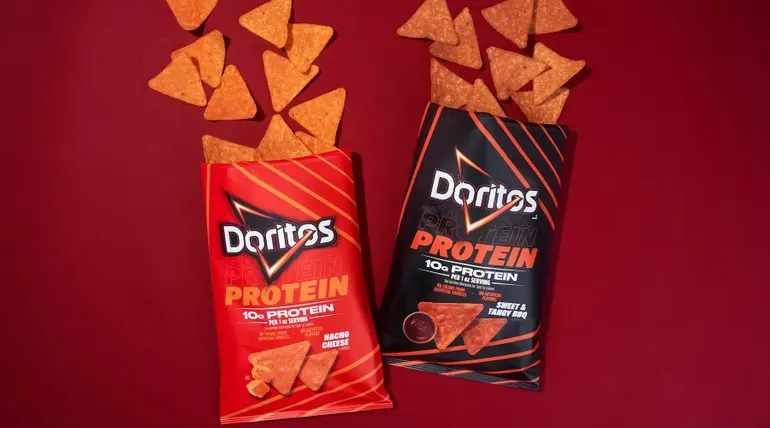
The snack aisle is undergoing a significant transformation, driven by a burgeoning consumer demand for functional ingredients and healthier formulations. In a move that directly taps into this evolving market, PepsiCo’s iconic Doritos brand is launching "Doritos Protein," a new line designed to deliver the brand’s signature bold flavors with an added protein punch. This strategic diversification by PepsiCo reflects a broader industry trend where established food giants are recalibrating their portfolios to meet the increasingly sophisticated dietary preferences of modern consumers.
The introduction of Doritos Protein, slated for release this month, signifies a deliberate effort by PepsiCo Foods U.S. to align its popular brands with the growing "protein obsession" among Americans. Each one-ounce serving of the new Doritos Protein will contain a substantial 10 grams of protein. Complementing this initial launch, a single-serve bag boasting an impressive 17 grams of protein is scheduled to hit shelves later in 2026. Initially, consumers will have the choice between two familiar yet reimagined flavors: a classic Nacho Cheese and a sweet and tangy BBQ option.
"We wanted to ensure we were delivering that unmistakable snacking experience, but in a new way with the added benefit of protein," stated Jess Spaulding, vice president of marketing at PepsiCo Foods U.S. "As consumer desires shift, we’re showing that Doritos is a brand that can evolve and expand with those desires." This statement underscores a key strategic imperative for PepsiCo: to maintain brand relevance and market share by proactively adapting to consumer trends rather than reacting to them. The company’s proactive approach is further evidenced by its simultaneous efforts to optimize pricing strategies for its traditional snack lines, a move aimed at bolstering sales volumes amidst current market challenges.

PepsiCo’s decision to infuse protein into one of its flagship snack brands is grounded in robust market data. According to the company, a significant 86% of Americans are actively incorporating more protein into their daily diets. Furthermore, a compelling 7 out of 10 consumers express a desire for their salty snacks to contain protein, and over half of all shoppers prioritize protein when choosing snacks. These statistics highlight a profound and widespread dietary shift, moving beyond mere caloric intake to a focus on the functional benefits of food.
The protein enrichment of Doritos is not an isolated initiative within PepsiCo’s expansive portfolio. It is part of a larger corporate strategy to enhance the functional attributes of its brands. This includes innovations such as SmartFood fiber-coated popcorn and SunChips featuring fiber, whole grains, and black beans. Beyond its own brand developments, PepsiCo has also forged strategic partnerships, notably with Jack Link’s, to produce Doritos-flavored meat sticks and jerky. This collaboration is presented as a further testament to the company’s commitment to offering consumers convenient and flavorful protein options without compromising on taste or portability.
The broader implications of PepsiCo’s move extend beyond the snack category. The company’s focus on functional ingredients and healthier formulations is a direct response to a market where consumers are increasingly scrutinizing ingredient lists and seeking out products that offer tangible health benefits. This trend is not unique to PepsiCo; it’s a pervasive force shaping the entire food industry. From breakfast staples like Pop-Tarts to dairy products such as Kraft Natural Cheese, the integration of protein and other functional ingredients has become a widespread innovation driver. The success of Doritos Protein will likely serve as a barometer for the broader acceptance of protein-fortified snacks and could inspire further experimentation by competitors and other major food manufacturers.
Jack Link’s Embraces Simplicity with Three-Ingredient Meat Snacks
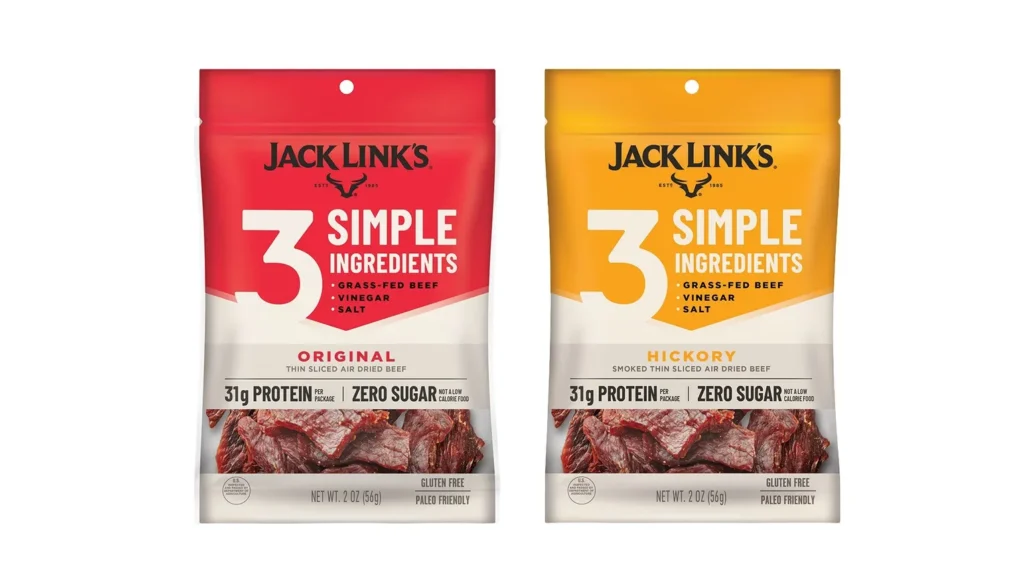
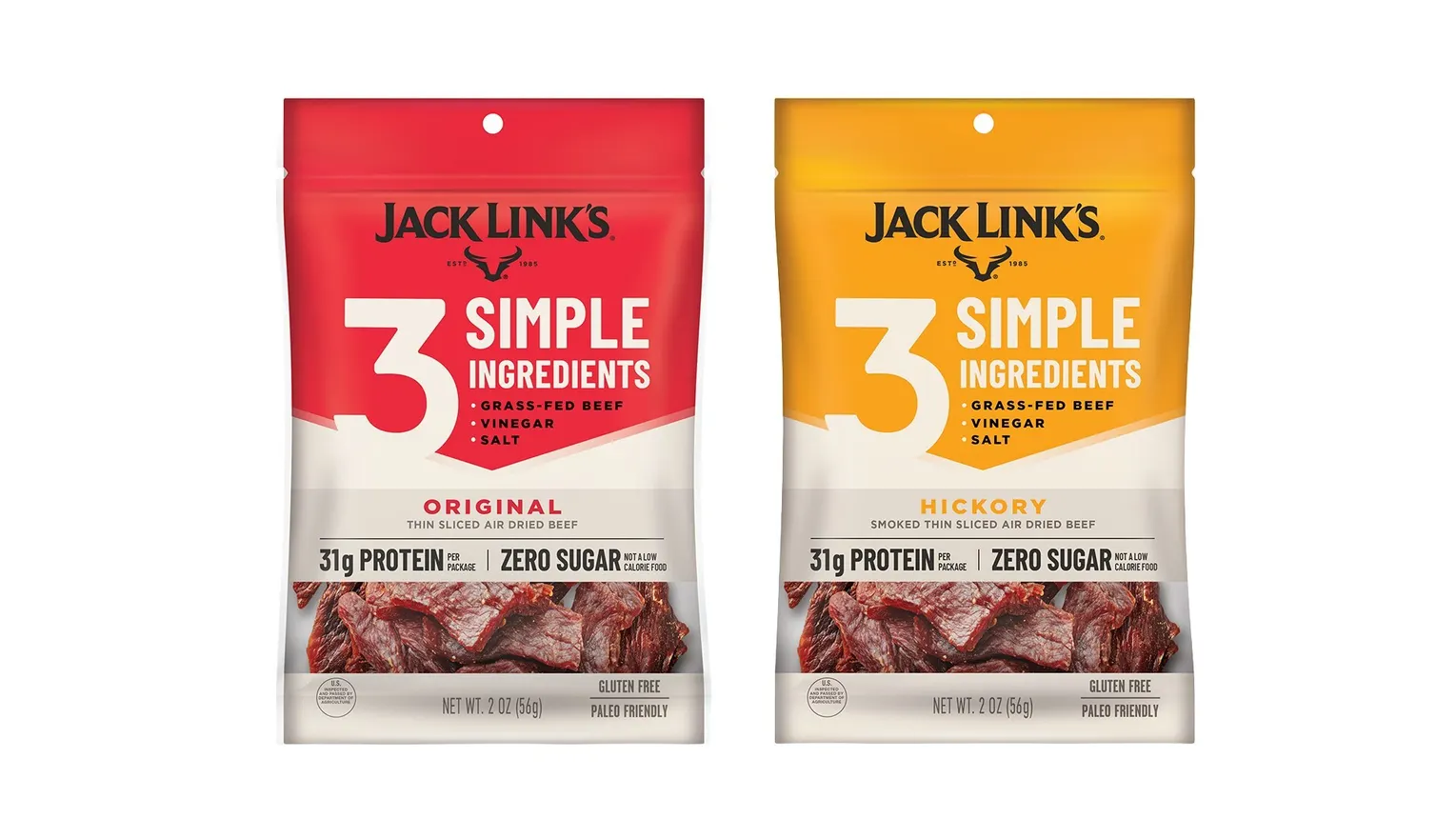
In parallel to PepsiCo’s protein push, Jack Link’s, a dominant player in the meat snack category, is charting its own course by prioritizing ingredient transparency and simplicity. The company is launching a new line of clean-label meat sticks, steaks, and air-dried beef slices, each featuring a mere three core ingredients prominently displayed on the front of their packaging. This "less is more" approach directly challenges the perception of many processed meat snacks, which are often characterized by lengthy and complex ingredient lists.
Troy Link, CEO of Link Snacks, emphasized the deliberate nature of this formulation strategy. "Building a 3-ingredient meat snack at scale doesn’t happen by accident. It takes serious infrastructure, discipline, and decades of category expertise," Link stated in a press release. "A lot of brands talk ‘clean,’ but their labels tell a different story." This statement positions Jack Link’s as a leader in authentic clean-label offerings, differentiating itself from competitors who may use the term "clean" more broadly.
The initial rollout of this minimalist line includes 2.8-ounce bags of air-dried beef slices, available in Original and Hickory flavors, set to debut this spring. These offerings will boast an impressive 31 grams of protein per bag, aligning with the overarching consumer demand for protein-rich snacks. The clean-label sticks and steaks are slated for release later in 2026, further expanding the brand’s commitment to simplified formulations.
The rise of meat snacks, particularly meat sticks, represents a significant shift in consumer perception and market demand over the past decade. Once viewed as highly processed and laden with sodium, these snacks have experienced a remarkable surge in popularity. This resurgence is largely attributed to two powerful consumer trends: the relentless pursuit of protein and the demand for convenient, on-the-go food options. Data from Circana indicates that sales of dried meat snacks, excluding jerky, experienced a robust 10.7% increase in 2024, reaching $3.3 billion.
Despite the growing acceptance of processed foods for their convenience and other attributes, the desire for clean-label products remains a significant factor for many consumers. Jack Link’s strategic move to offer a streamlined ingredient list, combined with the inherent protein content and portability of meat snacks, positions the brand for continued success in a highly competitive market. The company’s ability to deliver on both health-conscious ingredient transparency and the functional benefits of protein provides a compelling value proposition for consumers seeking straightforward, nourishing snacks. This focus on simplicity could be a key differentiator, attracting consumers who are increasingly wary of artificial ingredients and complex formulations.
Nate’s Honey Infuses Natural Sweetness into Nut Butters and Fruit Spreads
Adding another dimension to the evolving functional food landscape, Nate’s Honey is extending its brand into the realms of nut butters and fruit spreads, leveraging the natural appeal of honey as a primary ingredient and sweetener. This initiative addresses a perceived gap in the market for pantry staples that are both minimally processed and naturally sweetened. The brand’s philosophy, dubbed "simple-is-better," is reflected in the concise ingredient lists for its new products: three ingredients for its nut butters (peanuts, honey, and salt) and four for its fruit spreads (fruit, honey, lemon juice, and citrus pectin). These core components are clearly highlighted on the front of the packaging, mirroring the transparency trend championed by brands like Jack Link’s.
Honey has experienced a significant renaissance in recent years, driven by consumers’ increasing preference for natural, minimally processed, and functional sweeteners. The Nate’s Honey brand itself has been a beneficiary of this trend, reporting an 18% growth in 2025 and projections of long-term retail growth in the high single to low double digits, according to its parent company, Sweet Harvest Foods. Market data from Nate’s indicates a substantial expansion in the honey category, which is projected to reach $1.7 billion this year, up from $550 million in 2013. Mike Carle, CEO of Sweet Harvest Foods, expressed optimism about the future of honey, noting that it has "so much more runway for growth" as health consciousness intensifies and household penetration for the sweetener, currently at 55%, continues to climb.
The strategic decision to venture into nut butters was a logical extension for Nate’s Honey, stemming from direct consumer observation. "We observed many consumers pouring it [honey] into natural peanut butter to sweeten it," Carle explained. This insight, combined with extensive market research, provided the company with the confidence to launch these products as a natural progression beyond its core honey offerings.
The initial distribution for Nate’s Honey nut butters and fruit spreads will commence in Texas, appearing in major retailers such as Kroger, Sprouts, HEB, Safeway, Albertsons, and Target, alongside availability on Amazon. The fruit spreads will be offered in berry, strawberry, and sour cherry varieties. Carle pointed out a significant market opportunity: while other food products may mention honey, it often appears as a secondary ingredient, overshadowed by refined sugars and less desirable additives. Nate’s Honey’s approach, by contrast, elevates honey to a primary ingredient, allowing the brand to prominently showcase its simplified ingredient list and its authentic connection to the natural sweetener. "We view this as a great time to expand or extend honey into many products," Carle concluded. "Consumers have demonstrated this really strong appetite." This strategic positioning capitalizes on the growing demand for clean ingredients and natural sweetness, offering consumers a familiar yet innovative alternative in the nut butter and fruit spread categories. The success of these products could pave the way for further innovation within the honey category, potentially seeing honey integrated into an even wider array of food and beverage products.