

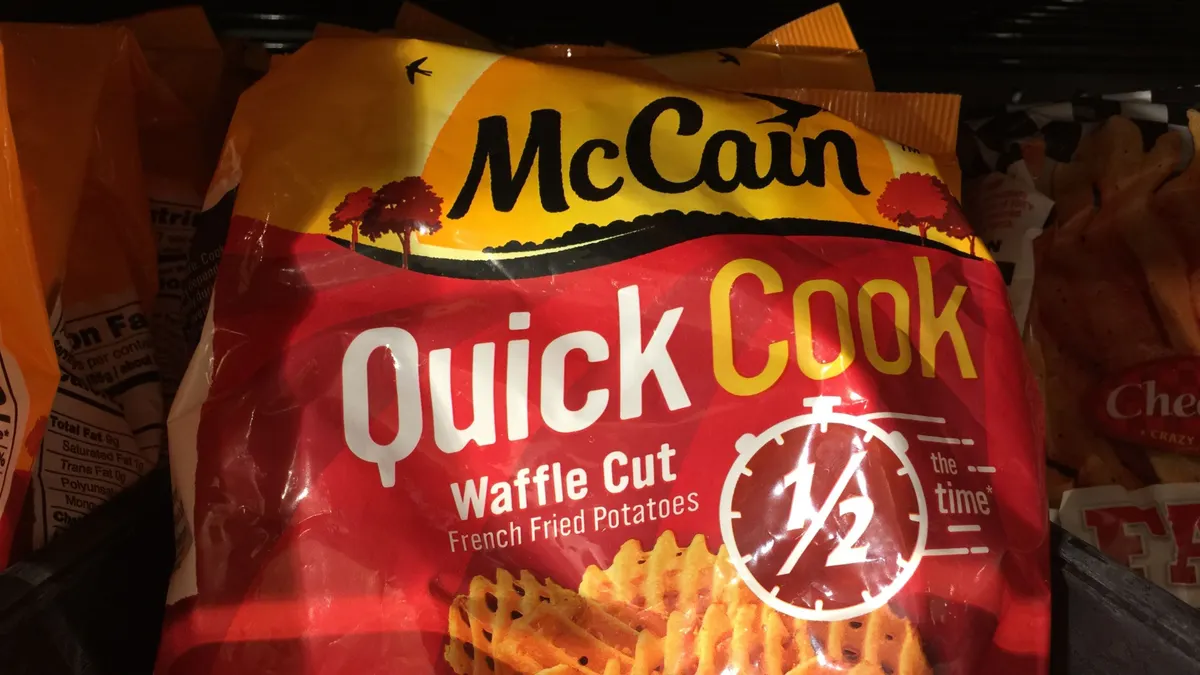
The frozen food sector has experienced a significant surge in sales, a trend largely attributed to the prevailing economic pressures faced by consumers. This upswing indicates a strategic shift by shoppers towards cost-effective and convenient meal solutions, as detailed in a recent comprehensive report. The data suggests that beyond mere economic necessity, evolving consumer perceptions regarding the quality and benefits of frozen products are also contributing to this robust market growth.
Economic Headwinds Drive Frozen Food Demand
The current economic climate, marked by persistent inflation and fluctuating consumer confidence, has undeniably influenced purchasing decisions across the grocery aisles. As households grapple with tighter budgets, the perceived value and extended shelf-life of frozen foods have become increasingly attractive. This phenomenon is not an isolated incident but rather a continuation and amplification of trends observed in previous periods of economic uncertainty.
The "Power of Frozen in Retail" report, a collaborative effort drawing on data from 210 Analytics and Circana, surveyed 1,560 participants who regularly consume frozen foods. The findings underscore that a substantial portion of these consumers view frozen options as a smart financial strategy. Nearly a third of respondents indicated an intention to increase their purchases of frozen items in the coming year, signaling a sustained commitment to this category. This suggests that the shift towards frozen foods is not merely a short-term reaction to current economic conditions but a potentially lasting behavioral change.
Evolving Perceptions of Frozen Food Quality
Historically, frozen foods have sometimes been perceived as a compromise on quality compared to their fresh counterparts. However, the recent report indicates a significant shift in this perception. Fifteen percent of survey participants now believe that the quality of frozen food is superior to fresh food, a figure that has seen a notable increase of three percentage points. This growing confidence in frozen products is likely fueled by advancements in freezing technology, improved packaging, and a greater emphasis from manufacturers on using high-quality, minimally processed ingredients.
The study also highlighted a strong consumer interest in specific attributes of frozen foods. Approximately 40% of participants expressed a keen interest in frozen items made from "real" ingredients, characterized by minimal processing, high protein content, and the absence of artificial components. This aligns with broader consumer trends towards healthier eating and a demand for transparency in food sourcing and preparation. Manufacturers who can effectively communicate these attributes through clear labeling and marketing are likely to capture a larger share of this discerning market.
Shifting Retail Landscape for Frozen Foods
The retail distribution of frozen foods has also undergone a significant transformation. Traditionally dominated by supermarkets, the frozen category has seen a substantial erosion of market share to club and mass retailers. These channels now collectively command an equal share of frozen food spending as traditional grocers.
Data reveals a dramatic divergence in sales growth over the year ending September 2025, when compared to 2019. Mass retailers witnessed an impressive increase in frozen food sales exceeding 25%, while club retailers experienced a growth of nearly 14%. In stark contrast, traditional grocers reported a decline in frozen food sales by almost 40% during the same period. This dramatic shift suggests that consumers are increasingly leveraging the bulk purchasing power and value propositions offered by mass and club stores for their frozen food needs. The implications for traditional supermarkets are significant, necessitating a re-evaluation of their frozen food strategies, pricing, and product assortments to remain competitive.

The Rise of Online Frozen Food Purchases
The digital transformation has also profoundly impacted the frozen food sector. Almost 90% of online shoppers reported purchasing frozen foods through digital channels within the last six months. This represents a substantial increase from 86% in 2023 and 82% in 2020, underscoring the growing reliance on e-commerce for grocery shopping, including perishable items.
Within online channels, delivery services have gained traction, while in-store pickup has seen a decline. This trend indicates a preference among consumers for the convenience of having frozen goods delivered directly to their homes, further emphasizing the need for retailers to optimize their online ordering and delivery infrastructure. The logistics of maintaining the cold chain during delivery remain a critical challenge and an area of focus for innovation within the industry.
Recommendations for Retailers and Manufacturers
The "Power of Frozen in Retail" report offers actionable insights for retailers aiming to capitalize on the growing frozen food market. The study emphasizes the importance of enhancing the in-store experience for frozen products through strategic merchandising, clear signage, and well-organized layouts. Creating thematic displays that highlight the versatility and benefits of frozen foods can help stimulate impulse purchases and drive sales.
Furthermore, the report advocates for a more integrated approach to merchandising, encouraging retailers to connect frozen and fresh food offerings. This can be achieved through co-located displays or dual-temperature units that allow consumers to see how frozen ingredients can complement fresh produce in meal preparation. The use of compelling visuals that emphasize attributes such as "flash-frozen freshness" and "farm-to-freezer" can further reinforce the perceived quality and appeal of frozen products.

Consistency in product availability and ease of navigation within frozen aisles were also identified as areas for improvement. More than a quarter of survey participants described the availability of their desired products as "very inconsistent," and nearly a fifth reported difficulty in finding items. Retailers need to invest in robust inventory management systems and optimize store layouts to address these concerns, ensuring a seamless shopping experience for consumers.
Broader Implications for the Food Industry
The sustained growth in frozen food consumption has far-reaching implications for the entire food industry. For manufacturers, it presents an opportunity to innovate and expand product lines, catering to the increasing demand for healthier, high-quality frozen options. This includes developing more plant-based frozen meals, value-added frozen vegetables, and convenient frozen proteins.
For the agricultural sector, a stronger frozen food market can translate into more stable demand for produce, as flash-freezing at peak ripeness allows for preservation of nutritional value and extends the selling season for many crops. This can lead to more predictable revenue streams for farmers and potentially reduce food waste at the farm level.
The shift also poses challenges for traditional grocery models. Retailers that fail to adapt to the changing consumer landscape, particularly in embracing e-commerce and optimizing their frozen food offerings, risk falling behind. The increasing dominance of mass and club retailers in this segment underscores the competitive pressures that all players in the food retail space must navigate.
The economic factors that initially spurred this growth may eventually stabilize, but the ingrained habits and evolving perceptions of frozen foods are likely to persist. As consumers continue to seek convenient, affordable, and increasingly high-quality meal solutions, the frozen food category is poised for continued expansion and innovation in the years to come. The ability of retailers and manufacturers to anticipate and respond to these evolving consumer needs will be crucial for success in this dynamic market.
