





When individuals express a desire to lose weight, their underlying goal is typically to reduce excess body fat. However, without a meticulously designed strategy, a calorie deficit can lead to the loss of both fat and vital muscle tissue. To mitigate muscle loss, integrating resistance training, prioritizing quality sleep, and adopting a high-protein diet are paramount components of a successful weight management plan.
Protein plays a critical and multifaceted role in weight management, influencing key physiological processes such as hunger regulation, metabolic rate, and muscle preservation. While intense resistance training provides the necessary stimulus for muscle retention, a diet rich in protein ensures the body has an abundant supply of essential amino acids. This ample supply prevents the body from resorting to metabolizing muscle tissue for energy, a common consequence of inadequate protein intake during calorie restriction.
The market offers a wide array of protein powders that serve as a convenient and lean source of this crucial macronutrient, assisting individuals in meeting their daily protein requirements while simultaneously maintaining a calorie deficit. A comprehensive review of over 100 protein powders, conducted by a team of experts including certified nutrition coaches, has identified nine products deemed most effective for weight loss.

This content is intended for informational purposes only and should not be construed as medical advice. It is not a substitute for professional diagnosis, prevention, or treatment of health issues. Always consult with a healthcare provider before initiating any new supplement or exercise regimen.
Methodology: Selecting Top Protein Powders for Weight Loss
The selection process for the best protein powders for weight loss was rigorous, involving extensive testing and evaluation based on several key factors. These included:
- Protein-to-Calorie Ratio: A primary consideration was the amount of protein per serving relative to its caloric content. Products with a higher protein-to-calorie ratio were favored, as they offer more muscle-building and satiety benefits with fewer added calories.
- Macronutrient Profile: Beyond protein, the carbohydrate and fat content per serving were carefully scrutinized. Lower carbohydrate and fat profiles were prioritized for individuals aiming to reduce overall calorie intake.
- Ingredient Quality and Purity: The presence of artificial sweeteners, flavors, colors, and unnecessary fillers was assessed. Preference was given to products with minimal, high-quality ingredients, and those sourced from grass-fed animals where applicable.
- Third-Party Testing: Products that have undergone independent third-party testing for purity, potency, and contaminants, such as heavy metals or banned substances, were given a significant advantage. Certifications like Informed Choice or NSF Certified for Sport were highly valued, particularly for athletes.
- Taste and Mixability: Subjective factors like flavor appeal and ease of mixing in various liquids (water, milk) were also considered, as consistent consumption relies heavily on palatability.
- Cost-Effectiveness: While not the sole determinant, the price per serving was taken into account to offer options suitable for various budgets.
- Specific Dietary Needs: Consideration was given to options catering to different dietary preferences, such as plant-based alternatives.
Top Protein Powders for Weight Loss in 2025: Expert Picks
Best Overall Protein Powder for Weight Loss: Transparent Labs 100% Grass-Fed Whey
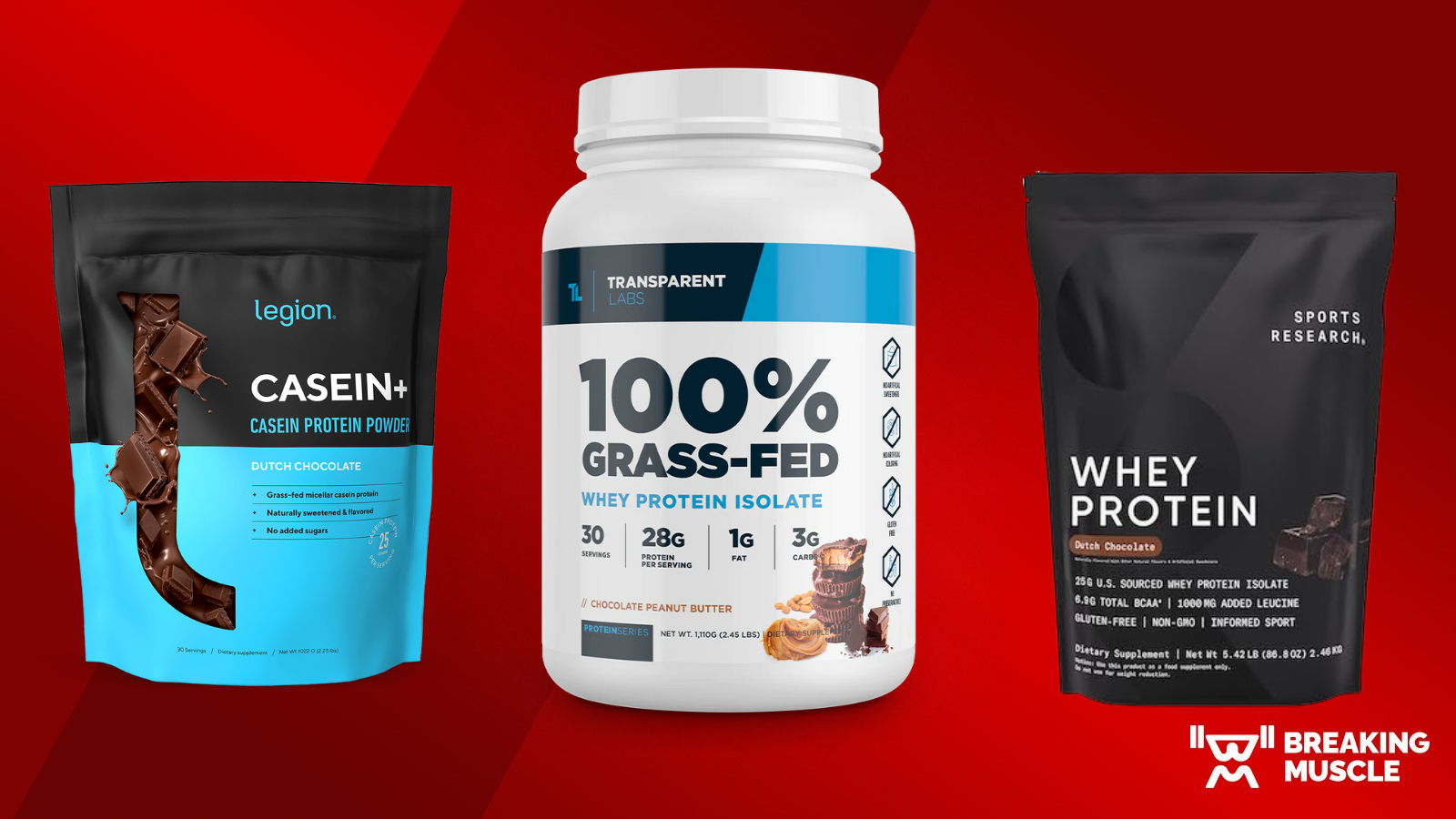
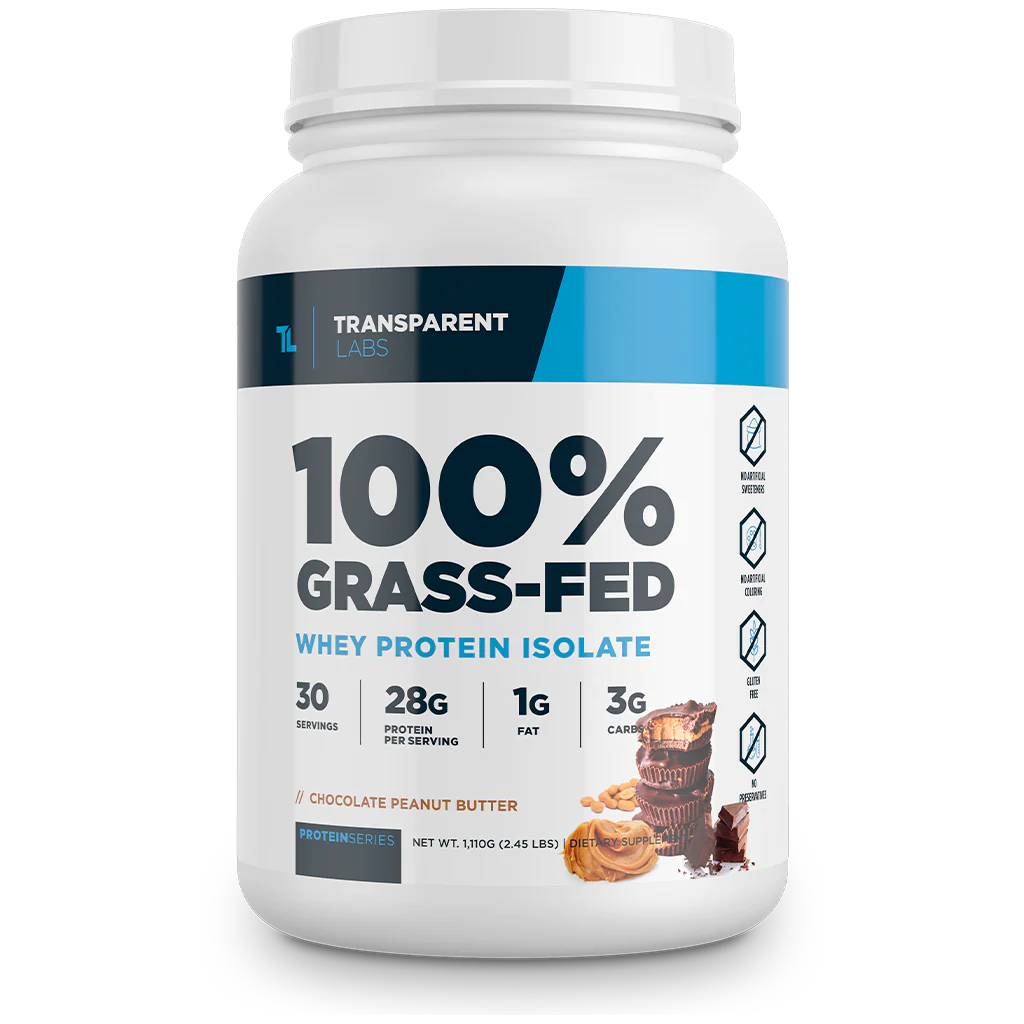
Transparent Labs 100% Grass-Fed Whey Protein Isolate has earned the top spot for its exceptional protein-to-calorie ratio, offering 28 grams of protein for just 130 calories per serving. This formulation is designed to maximize protein intake during a caloric deficit, a crucial strategy for preventing muscle loss. The product is third-party tested, Informed Choice certified, and free from artificial ingredients, reinforcing its commitment to quality and purity. Available in 15 distinct flavors, including highly recommended options like Chocolate Peanut Butter and Mocha, it also boasts excellent mixability in both blenders and shaker bottles. Testers found it effective in curbing sweet cravings and providing satiety between meals. A minor drawback noted in some customer feedback pertains to potential difficulties in contacting their customer service team.
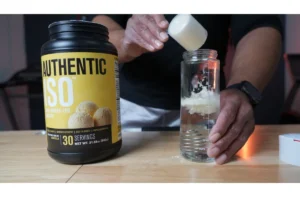
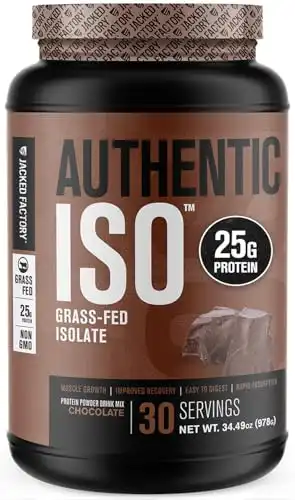
Best Affordable Protein Powder for Weight Loss: Jacked Factory Authentic Iso
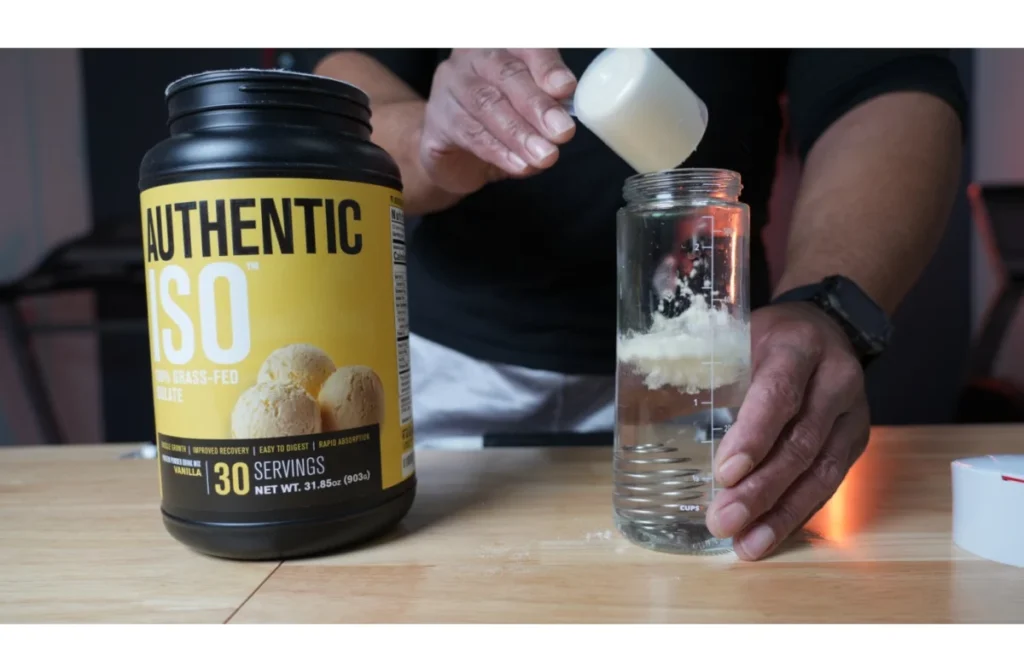
Jacked Factory Authentic Iso stands out as the most budget-friendly option on the list, with certain flavors priced as low as $1.05 per serving. Despite its affordability, it delivers a robust nutritional profile conducive to weight loss, featuring 25 grams of protein per serving with only 2 grams of carbohydrates and a mere 0.5 grams of fat, the lowest fat content among the reviewed powders. This macronutrient balance is ideal for individuals aiming for efficient weight loss. However, it’s important to note that this powder is sweetened with sucralose, an artificial sweetener that some studies have linked to potential health risks. Furthermore, unlike many competitors, Jacked Factory does not conduct third-party testing on its products, which means there’s no independent verification of ingredient purity and accuracy against the label. Testers praised its exceptional mixability, with one noting, "This is the only protein powder I’ve tried that didn’t settle at all." While some found it a bit too sweet, it was recognized as a dessert-like option for those who prefer sweeter profiles.
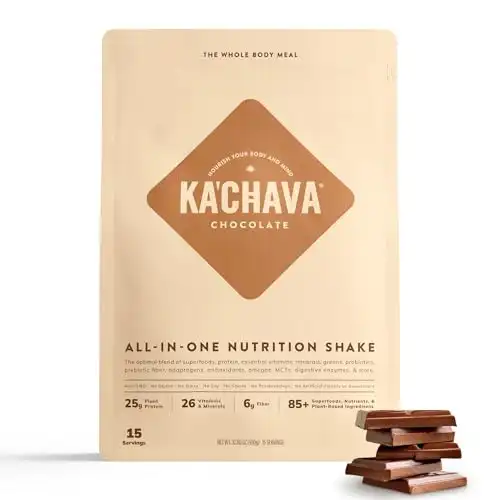
Best Plant-Based Protein Powder for Weight Loss: Ka’Chava
For those seeking a vegan protein powder that aligns with weight loss goals, Ka’Chava presents a compelling choice. Marketed as a "whole-body meal," it’s designed as a meal replacement rather than a simple protein supplement. Consequently, its calorie, carbohydrate, and fat counts are higher than traditional protein powders, with 240 calories, 25 grams of carbohydrates, and 7 grams of fat per serving. The carbohydrate content may be a consideration for individuals following a strict low-carb diet. However, it delivers 25 grams of plant-based protein, derived from a blend of peas, brown rice, and quinoa, which is instrumental in preserving muscle mass during a weight loss phase. User Zoe Ettinger, a certified nutrition coach in training, highly regards Ka’Chava, stating, "I’m a big fan of Ka’Chava. It tastes delicious mixed in a smoothie with some frozen blueberries. I also like that it also has adaptogens, probiotics, greens, and probiotics. I notice a difference in how good I feel when I take Ka’Chava regularly." A significant consideration is its price point, making it the most expensive option on the list at $79.99 for a 15-serving bag, reflecting its comprehensive nutritional profile as a meal replacement.
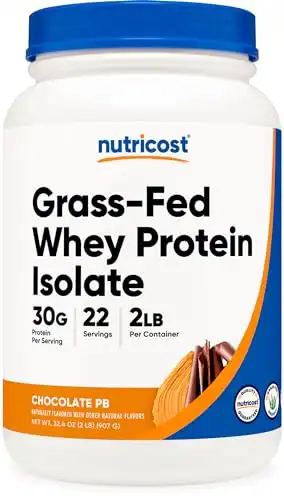
Best Protein Powder for Weight Loss on Amazon: Nutricost Grass-Fed Whey Protein Isolate
Nutricost Grass-Fed Whey Protein Isolate has been identified as the top protein powder for weight loss available on Amazon due to its highly favorable calorie and macronutrient profile for shedding pounds. It offers a substantial protein content per serving, crucial for enhancing satiety and preserving muscle mass during a calorie deficit. With minimal fat and carbohydrates, this protein powder ensures maximum protein intake without contributing excessive calories, making it an efficient choice for weight loss. The Vanilla flavor was tested and found to blend exceptionally well in both milk and water, boasting an authentic vanilla taste. Despite the use of artificial sweeteners, the sweetness level was deemed appropriate, avoiding the overly sweet profile sometimes associated with such ingredients. For individuals seeking to avoid artificial sweeteners, Promix or Transparent Labs are recommended alternatives.
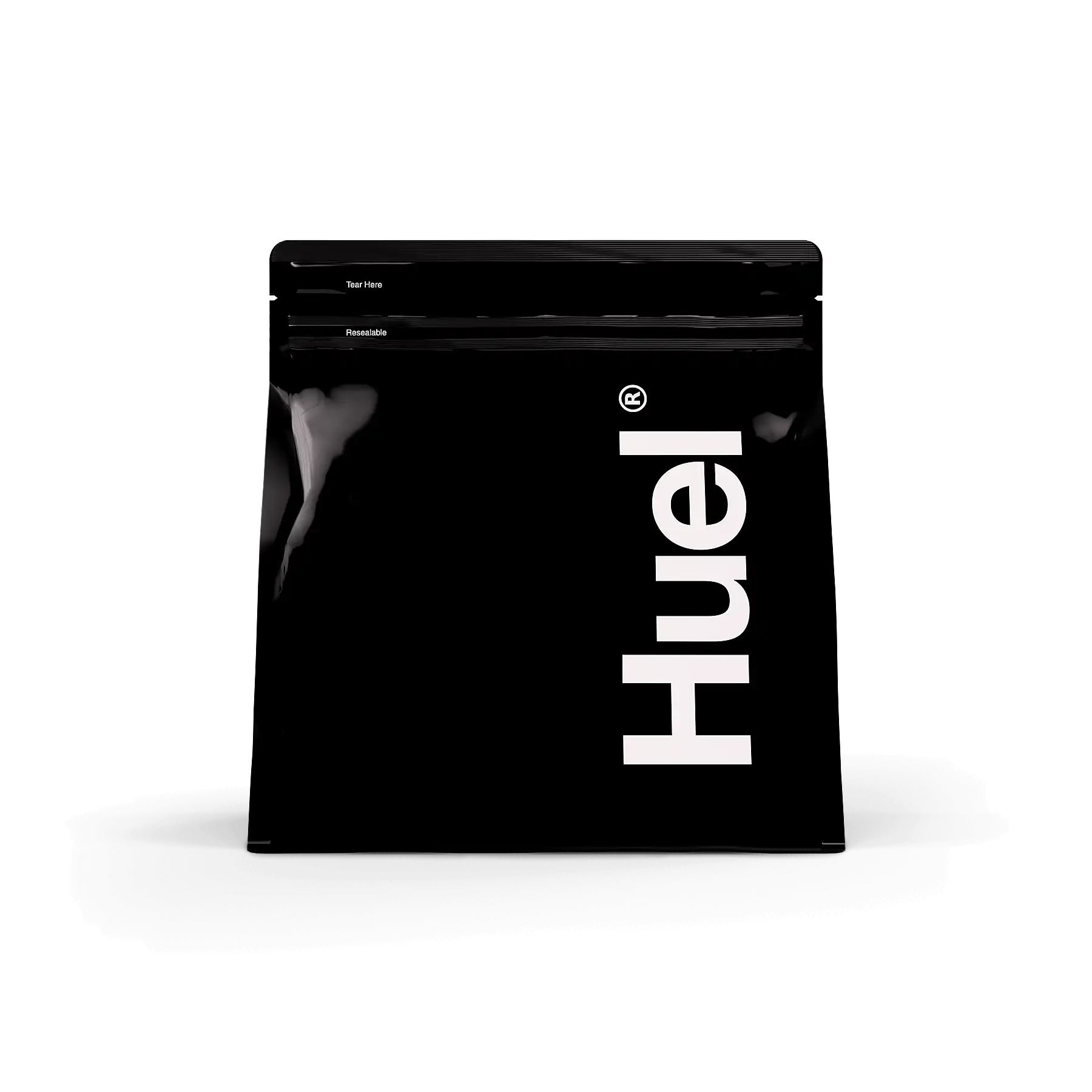
Best Meal Replacement Protein Powder for Weight Loss: Huel Black Edition
Huel Black Edition is recognized as a leading meal replacement option for weight loss, distinguished by its superior protein-to-carbohydrate ratio. Each serving contains a remarkable 40 grams of protein and 24 grams of carbohydrates. While the carbohydrate count might be higher than ideal for ketogenic diets, it remains a substantial and balanced portion for most individuals. Carbohydrates are an essential nutrient, and experts suggest that consuming between 100 to 150 grams daily can still facilitate weight loss. Tester Cory Kessler sampled both Chocolate and Vanilla flavors. He found the Chocolate flavor to be excellent, attributing its authentic taste to real cocoa powder. The Vanilla flavor, however, was less impressive, lacking a distinct vanilla taste and exhibiting an artificial aftertaste. Kessler also noted that while it doesn’t mix exceptionally well, it promotes a feeling of well-being, unlike some other products that can cause digestive discomfort.
Best Clean Protein Powder for Weight Loss: Promix Grass-Fed Whey
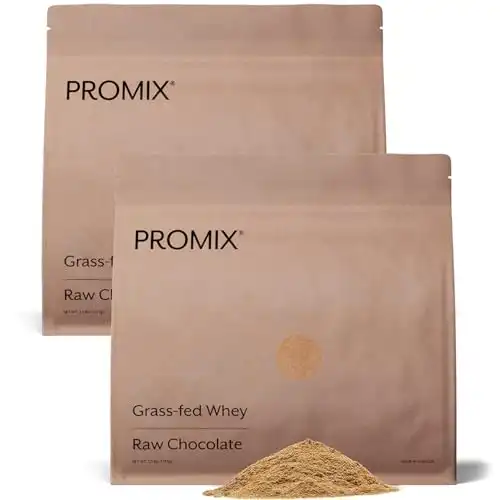
Promix Grass-Fed Whey is lauded as the premier clean protein powder due to its commitment to transparency and quality. The product undergoes rigorous third-party testing, with results readily available on Promix’s website, confirming its freedom from heavy metals and its gluten-free status. The powder boasts a simple ingredient list, with the Vanilla flavor containing only four ingredients and no artificial additives. Its protein-to-carb ratio is also well-suited for weight loss, providing 25 grams of protein to 7 grams of carbohydrates per serving. A 2020 study indicated that a higher protein-to-carbohydrate ratio can aid in weight loss and prevent weight regain. While the Vanilla flavor was generally enjoyed, some testers found it could benefit from slightly more sweetness and noted minor clumping during mixing. It’s important to note that Promix products are not specifically tested for banned substances in sports, making them less suitable for competitive athletes who require NSF Certified for Sport or Informed Sport certifications.
Best Casein Protein Powder for Weight Loss: Legion Athletics Casein+
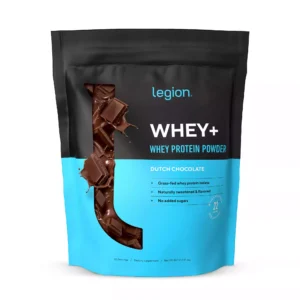
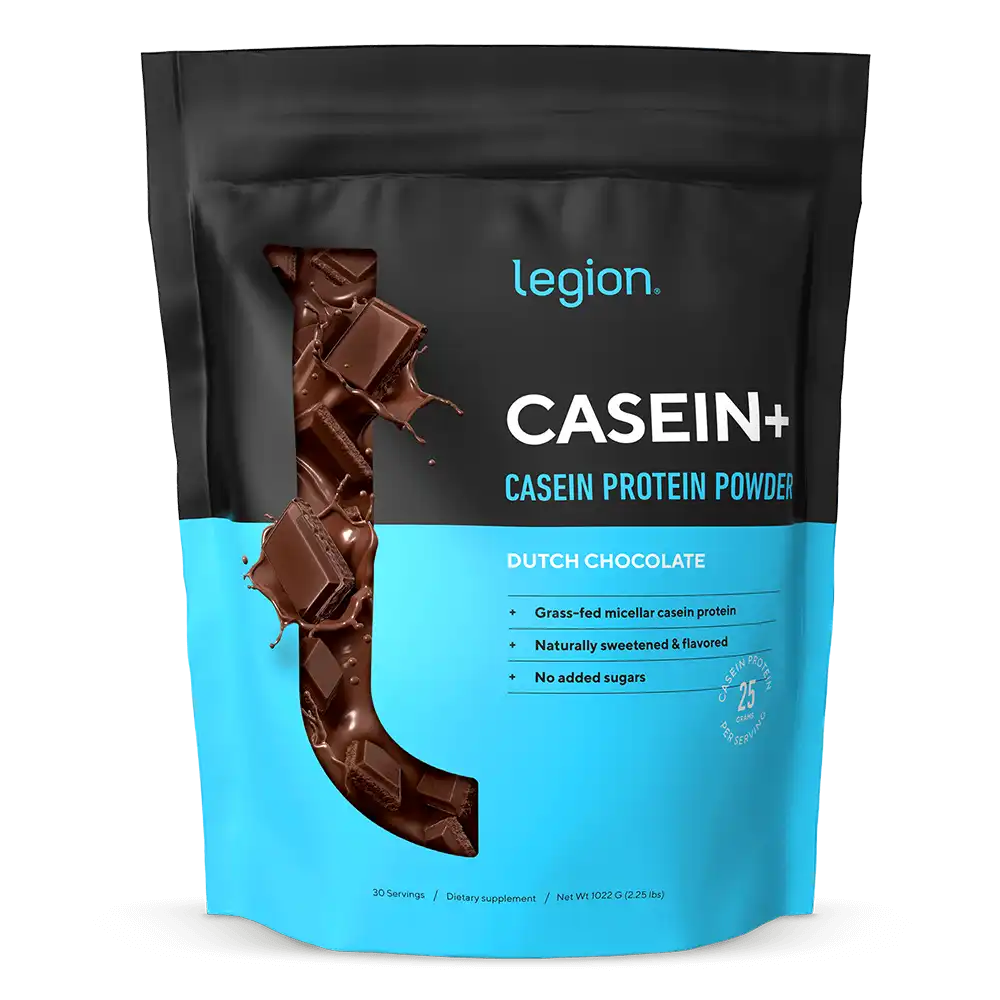
Legion Athletics Casein+ is a standout casein protein powder, selected for its all-natural formulation, free from artificial sweeteners, flavors, and colors. It also undergoes third-party testing by Labdoor for purity and potency. Each serving provides 25 grams of protein with a consistent 110 calories, regardless of flavor, making it highly conducive to weight loss. Casein, like whey, is derived from milk and is characterized by its slow digestion and absorption rate. This slow-release property makes it an effective tool for managing hunger and providing a sustained supply of amino acids, particularly beneficial during sleep or long intervals between meals. By offering a steady stream of protein to muscles, casein helps combat muscle breakdown associated with calorie restriction, thus supporting weight loss objectives. Brandon Lunsford, a certified personal trainer, found the Dutch Chocolate flavor reminiscent of a rich, balanced dark chocolate bar. The primary caveat with casein protein is its thicker consistency and slower dissolution compared to whey, which Lunsford noted as contributing to a "slightly chalky aftertaste."
Best Unflavored Protein Powder for Weight Loss: Naked Grass-Fed Whey
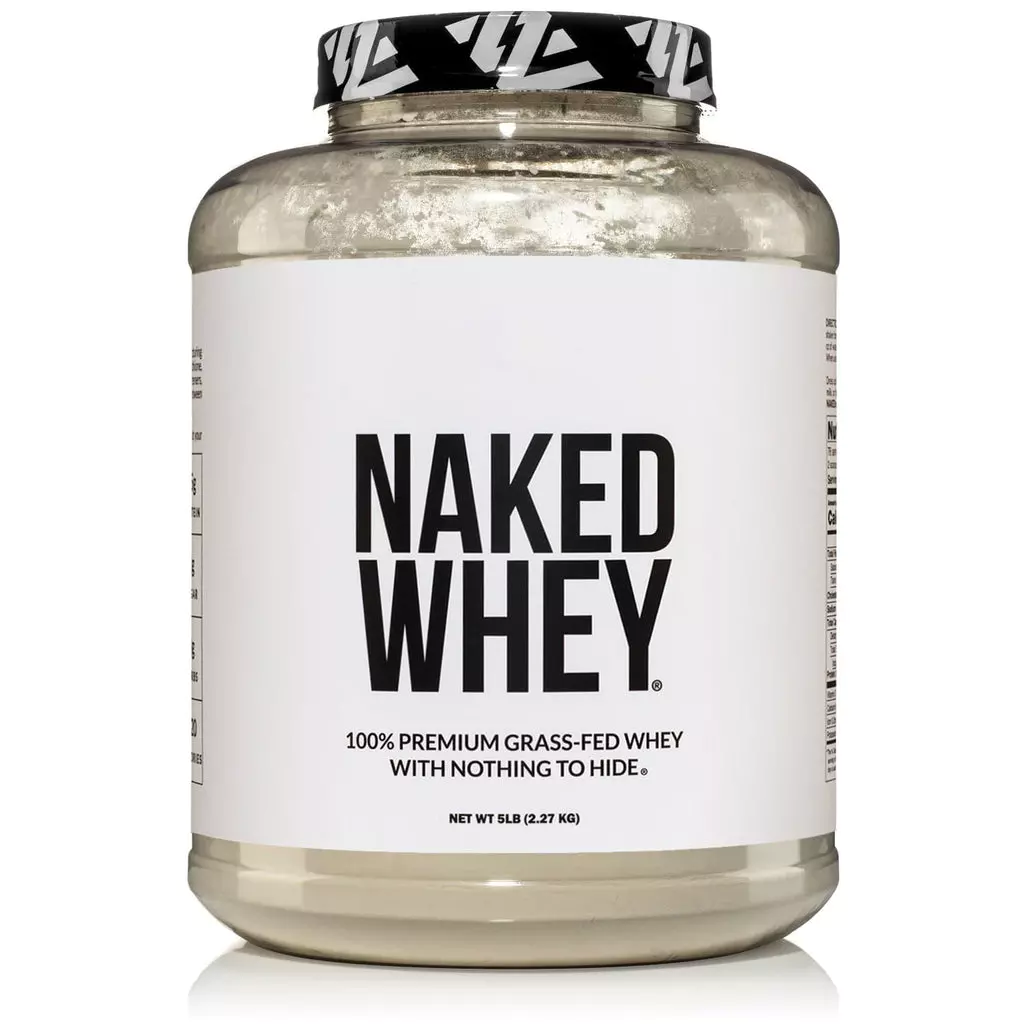
Naked Grass-Fed Whey’s Unflavored protein powder is recognized for its simplicity and purity, featuring a single ingredient: whey protein concentrate sourced from grass-fed cows. This minimalist approach aligns with Naked Nutrition’s brand ethos of transparency and avoidance of additives, fillers, or artificial ingredients. Its neutral flavor profile makes it highly versatile, allowing seamless integration into various recipes and smoothies without altering their taste. Tester Cory Kessler described the Unflavored version as having a "very slight vanilla taste" with an underlying earthiness, deeming it suitable for smoothies. He did suggest using extra liquid when blending due to the substantial two-scoop serving size. Naked also offers five flavored options, all sweetened with coconut sugar, a less intense sweetener than artificial alternatives like sucralose or acesulfame potassium.
Best Protein Powder for Weight Loss and Muscle Gain: Sports Research Whey Protein
Sports Research Whey Protein is selected as the best option for individuals aiming for both weight loss and muscle gain. It offers a strong protein-to-calorie ratio of 25 grams of protein to 140 calories, is Informed Sport Certified, reasonably priced at $1.20 per serving, and receives high marks for taste from testers. Nutritionally, it presents a favorable protein content with minimal carbohydrates (2 grams), though its fat content (3.5 to 4 grams) is on the higher side compared to some competitors. The inclusion of vitamin D is noteworthy, as recent research suggests a link between vitamin D levels and muscle health. Cory Kessler described the Creamy Vanilla flavor as tasting akin to vanilla ice cream when mixed with milk, but cautioned that mixing with water dilutes the flavor and amplifies the sweetness. He praised its excellent mixability, noting its lack of grittiness or clumping.
The Role of Protein Powder in Weight Loss
Protein powder serves as a valuable adjunct to weight loss efforts primarily by influencing several key physiological mechanisms:
- Enhanced Satiety: Protein is known to be more satiating than carbohydrates or fats, meaning it helps individuals feel fuller for longer. This can lead to reduced overall calorie intake and fewer cravings, facilitating adherence to a calorie-restricted diet.
- Muscle Preservation: During calorie restriction, the body can catabolize muscle tissue for energy. Adequate protein intake, especially when combined with resistance training, signals to the body that muscle is needed and should be preserved. This is crucial because muscle tissue is metabolically active and contributes to higher resting metabolic rates.
- Increased Thermic Effect of Food (TEF): The body expends more energy to digest, absorb, and metabolize protein compared to carbohydrates and fats. This higher thermic effect can contribute to a slightly increased daily calorie expenditure.
- Convenience and Efficiency: Protein powders offer a quick, easy, and often lean way to consume a significant amount of protein, making it simpler to meet daily targets, particularly for individuals with busy lifestyles or limited access to whole food protein sources.
A protein shake or smoothie provides a concentrated dose of protein with a controlled amount of calories, carbohydrates, and fats. The high protein-to-calorie ratio found in many protein powders makes them an efficient tool for achieving daily protein goals while adhering to calorie guidelines necessary for weight loss.
Choosing the Right Protein Powder for Weight Loss
Selecting the ideal protein powder for weight loss involves careful consideration of several factors:
Protein Content and Quality
Prioritize protein powders that deliver a substantial protein amount per serving, ideally around 25 grams. For weight loss, whey or pea protein isolates are often recommended due to their ultra-filtered nature, which minimizes carbohydrates and fats.
Calories per Serving
Opt for protein powders with a moderate calorie count, typically between 100 and 160 calories per serving. Crucially, the majority of these calories should be derived from protein to effectively support weight loss. Remember that protein provides four calories per gram, so a lean supplement with 25 grams of protein should contain approximately 110 to 120 calories.
Ingredient Quality
Scrutinize the ingredient list for added sugars, artificial sweeteners, flavors, colors, and unnecessary fillers. While these may enhance taste and texture, they often contribute unwanted calories. Protein powders with minimal, high-quality ingredients are generally preferred. Some powders may include beneficial additions like creatine, probiotics, or BCAAs, but it’s essential to assess whether these align with individual health and fitness objectives.
Taste and Mixability
The palatability of a protein powder is paramount for consistent consumption. Choose a flavor and texture that you genuinely enjoy, as disliking the taste can significantly reduce adherence to your supplementation plan.
Third-Party Testing
As advised by certified nutrition coaches, selecting a third-party tested protein powder is crucial for ensuring quality, purity, and safety. This is especially important for athletes who need to avoid contaminants and banned substances. Independent testing provides assurance that the product’s ingredients match the label claims and that it is free from harmful contaminants. Certifications such as Informed Choice or NSF Certified for Sport are indicators of robust testing protocols.
What to Avoid in a Protein Powder for Weight Loss
When selecting a protein powder with weight loss in mind, it’s advisable to steer clear of certain ingredients and nutritional profiles:
- Added Sugars: Products with significant amounts of added sugars will contribute unnecessary calories and can hinder weight loss efforts.
- Excessive Carbohydrates and Fats: While some carbohydrates and fats are necessary, overly high amounts in a protein powder can negate the benefits of a calorie deficit.
- Artificial Additives: Many consumers prefer to avoid artificial sweeteners (like sucralose, aspartame), flavors, and colors due to potential health concerns or personal preferences. Transparent Labs and Naked Nutrition are often cited for their natural formulations.
Final Thoughts: The Efficacy of Protein Powder for Weight Loss
From a certified nutrition coach’s perspective, protein powder is not an indispensable requirement for weight loss success. However, its convenience and effectiveness make it a beneficial tool when integrated into a comprehensive weight loss strategy that includes resistance training, adequate sleep, and healthy lifestyle habits. A high-protein diet, particularly during weight loss phases, is instrumental in managing hunger and preserving muscle mass. If a protein powder aids in meeting daily protein targets while maintaining a calorie deficit, its incorporation into a regular routine can be highly advantageous.
Protein Powder for Weight Loss FAQs
Should you drink protein shakes when you’re trying to lose weight?
Protein shakes can be an excellent method for preserving lean muscle mass during weight loss. For primary weight loss objectives, opting for a lean whey protein isolate, such as Transparent Labs 100% Grass-Fed Whey, is recommended. This type of powder maximizes protein content relative to calories, supporting daily protein targets without excessive carbohydrate or fat intake.
How much protein should I eat in a day to lose weight?
Weight loss strategies vary, but individuals aiming for weight loss should target at least 1.2 to 1.6 grams of protein per kilogram of body weight (approximately 0.5 to 0.7 grams per pound). This range helps support muscle mass while facilitating a necessary calorie deficit for weight loss.
What type of protein is best for weight loss?
Leaner protein sources are generally preferred for weight loss. Whey protein isolates, which undergo extensive processing to reduce fat and carbohydrates, are highly effective. While some plant-based proteins can be naturally higher in carbohydrates, high-quality options can yield comparable results to whey in promoting lean body mass. Lean animal proteins include chicken breast, fish, and eggs. Non-animal sources include Greek yogurt, tofu, beans, and lentils.
What should I drink for weight loss?
During weight loss, it’s advisable to avoid calorie-rich beverages such as sugary sodas, sports drinks, fruit juices, and alcohol. Instead, prioritize calorie-free options like water, seltzer, black coffee, and unsweetened tea. This allows for greater allocation of calories to nutrient-dense foods that promote satiety.
Which protein is best for belly fat loss?
No specific protein targets belly fat exclusively. However, prioritizing lean protein, such as whey protein isolate, contributes to overall weight loss goals. The reduced carbohydrate and fat content in isolates maximizes the protein-to-calorie ratio, making them an efficient choice for supporting protein intake within a calorie deficit.