








The field of endocrinology is increasingly defined by the concept of "pivotal moments," a theme that anchors the latest discourse within the medical community. These moments range from the microscopic—such as the specific gestational weeks when endocrine-disrupting chemicals can permanently alter a fetus’s hormonal trajectory—to the interpersonal, involving the building of patient trust through modern digital platforms and the long-term commitment required to manage rare metabolic disorders. The most recent insights from the Endocrine Society emphasize that the timing of intervention, the accuracy of diagnosis, and the strength of the clinician-patient relationship are the primary drivers of long-term health outcomes.
The Developmental Window: Endocrine-Disrupting Chemicals and Long-Term Vulnerability
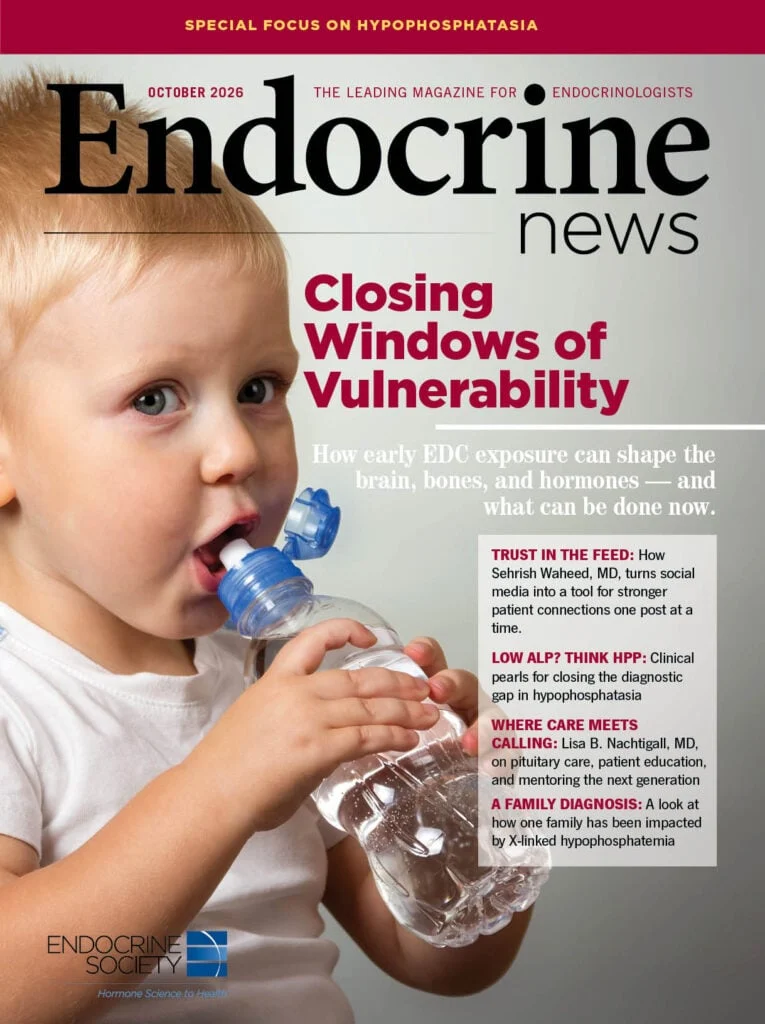
A central focus of current endocrine research involves the "Closing Windows of Vulnerability," a concept explored by health journalist Kelly Horvath. This research examines how exposure to endocrine-disrupting chemicals (EDCs) during critical stages of human development—infancy, childhood, and puberty—can lead to irreversible changes in physiological programming. EDCs, which include substances such as bisphenols (BPA), phthalates, and per- and polyfluoroalkyl substances (PFAS), mimic or interfere with the body’s natural hormones.
Recent data suggests that the economic burden of EDC exposure is staggering. In the United States alone, the annual cost associated with health complications arising from EDC exposure—including neurobehavioral disorders, obesity, and male infertility—is estimated to exceed $340 billion. Horvath’s analysis synthesizes three seminal studies to move the conversation from mere risk identification to actionable mitigation. These studies highlight that while regulatory bodies like the Environmental Protection Agency (EPA) and the Food and Drug Administration (FDA) play a role in limiting exposure, individual clinicians and product designers are the front line of defense.

The developmental window is particularly sensitive regarding brain function and bone development. During gestation, the thyroid hormone is essential for fetal brain architecture. Exposure to EDCs that interfere with thyroid signaling can result in permanent cognitive deficits. Furthermore, the programming of the endocrine system during these "windows" dictates how the body will respond to metabolic stress later in life. Experts suggest that reducing exposure requires a multi-tiered approach: clinicians must educate patients on avoiding specific plastics and pesticides, regulators must tighten thresholds for chemical safety, and designers must prioritize "green chemistry" to create products that do not possess endocrine-active properties.
Digital Integration: Strengthening the Clinician-Patient Bond
As the clinical landscape shifts, the role of the endocrinologist is expanding beyond the examination room. Dr. Sehrish Waheed, an early-career endocrinologist, has become a leading voice in discussing how social media can be leveraged to enhance medical practice. In an era where health misinformation is prevalent, Dr. Waheed argues that the "pivotal moment" often occurs online, where a patient first encounters information about their condition.
The "Building Trust, One Post at a Time" initiative highlights that social media, when used ethically and thoughtfully, serves as more than a marketing tool; it is a platform for public health advocacy. For patients dealing with obesity, the digital space is often fraught with stigma and "fat-shaming." Dr. Waheed’s approach emphasizes the use of social media to dismantle these biases, providing a safe, evidence-based environment for patients to seek guidance.
Statistics from recent surveys indicate that approximately 70% of healthcare providers use social media for professional purposes, yet only a fraction use it for direct patient education. The implications of this are significant. By establishing a digital presence, endocrinologists can counter the "infodemic" of unverified health claims. This digital engagement facilitates a new form of mentorship and professional connection, allowing early-career physicians to shape the public conversation around chronic conditions like diabetes and thyroid disease.
Specialized Care and the Challenge of Hypophosphatasia
The latest clinical focus also shines a light on rare metabolic bone diseases, specifically Hypophosphatasia (HPP). HPP is a rare genetic disorder characterized by low levels of the enzyme alkaline phosphatase, which is essential for bone mineralization. Without adequate mineralization, bones become soft and prone to fractures, and in severe cases, the condition can be life-threatening to infants.
The prevalence of HPP is estimated at 1 in 100,000 births for the severe form, though milder adult forms are likely more common and often underdiagnosed. The challenge for endocrinologists lies in the "diagnostic odyssey"—the years-long process many patients undergo before receiving a correct diagnosis. Enrichment of clinical knowledge in this area is vital, as the introduction of enzyme replacement therapy has revolutionized the prognosis for these patients, turning a once-fatal diagnosis into a manageable chronic condition.

The focus on HPP underscores a broader trend in endocrinology: the move toward highly specialized, niche care. This is further exemplified by the career of Dr. Lisa B. Nachtigall, the 2026 recipient of the Vigersky Outstanding Clinical Practitioner Award. Dr. Nachtigall’s work in complex pituitary care represents the pinnacle of clinical dedication. Pituitary disorders often present with vague symptoms, requiring a clinician who possesses both deep technical knowledge and the patience to listen to a patient’s unique narrative.
A Chronology of Progress in Endocrine Science
To understand the current state of the field, it is necessary to look at the chronology of endocrine milestones that have led to today’s standards of care:
- The Early 20th Century: The identification of the first hormones (such as insulin and thyroxine) shifts medicine from symptomatic treatment to hormonal replacement.
- 1991 – The Wingspread Conference: This historic meeting of scientists first articulated the "Endocrine Disruption" hypothesis, warning that man-made chemicals could interfere with development.
- 2000s – The Genomic Era: The mapping of the human genome allows for the identification of genetic markers for rare diseases like Hypophosphatasia, paving the way for targeted therapies.
- 2010s – The Digital Shift: The rise of social media and telemedicine begins to bridge the gap between specialist care and patient accessibility.
- 2024 and Beyond: The current focus on "Developmental Origins of Health and Disease" (DOHaD) integrates environmental science with clinical endocrinology to prevent disease before it begins.
Supporting Data and Statistical Analysis
The drive toward improving endocrine health is supported by rigorous data. In the realm of pituitary care, studies show that centers of excellence—where clinicians like Dr. Nachtigall practice—report significantly higher rates of successful surgical outcomes and long-term remission for conditions like acromegaly and Cushing’s disease.
Furthermore, the impact of mentorship cannot be overstated. Data from the Endocrine Society suggests that early-career members who engage in formal mentorship programs are 40% more likely to remain in clinical practice and 30% more likely to contribute to peer-reviewed research. This reinforces the value of the Vigersky Award and similar recognitions in fostering the next generation of leaders.
Regarding EDCs, a recent meta-analysis of over 50 studies confirmed that prenatal exposure to phthalates is consistently linked to a decrease in IQ and an increase in behavioral problems in children. This data provides the "knowledge and tools" mentioned by industry leaders to advocate for policy changes that protect the most vulnerable populations.
Official Responses and Broader Implications
The consensus among leading endocrinologists is that the field is at a crossroads. The integration of environmental health, digital communication, and rare disease management requires a more holistic approach to medical training. "Progress often begins with recognizing a critical window," notes the Endocrine Society’s leadership. This sentiment is echoed by regulatory advocates who argue that the burden of proof for chemical safety must shift from the consumer to the manufacturer.
The broader implications of these developments are profound. As endocrinologists become more vocal on social media, the paternalistic model of medicine is being replaced by a collaborative model. Patients are more informed, but they are also more overwhelmed. The role of the endocrinologist as a "trusted voice" is therefore more critical than ever.
In terms of public policy, the focus on EDCs is likely to lead to stricter labeling requirements and the phasing out of certain chemicals in consumer products. For rare diseases like HPP, the success of enzyme replacement therapies is driving a new wave of research into gene therapies that could offer permanent cures.
Conclusion: The Enduring Value of the Endocrine Perspective
The stories of EDCs, digital trust, and specialist care in pituitary and bone health are not disparate threads; they are part of a single narrative about the importance of timing and expertise. Whether it is the timing of a chemical exposure in the womb or the timing of a post on social media that reaches a struggling patient, these moments define the future of health.
As the medical community moves forward, the focus remains on the "determination to act." By combining rigorous scientific data with a commitment to patient-centered care, endocrinologists continue to improve lives. The ongoing work of clinicians, researchers, and advocates ensures that the windows of vulnerability are closed, and the windows of opportunity for health and healing remain wide open. The dedication of practitioners like Dr. Nachtigall and the innovative spirit of early-career physicians like Dr. Waheed represent the dual pillars of tradition and transformation that will sustain the field for decades to come.