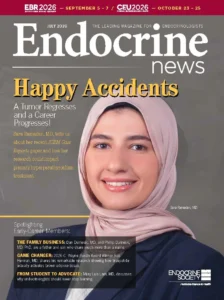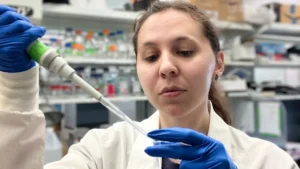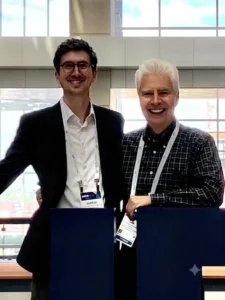






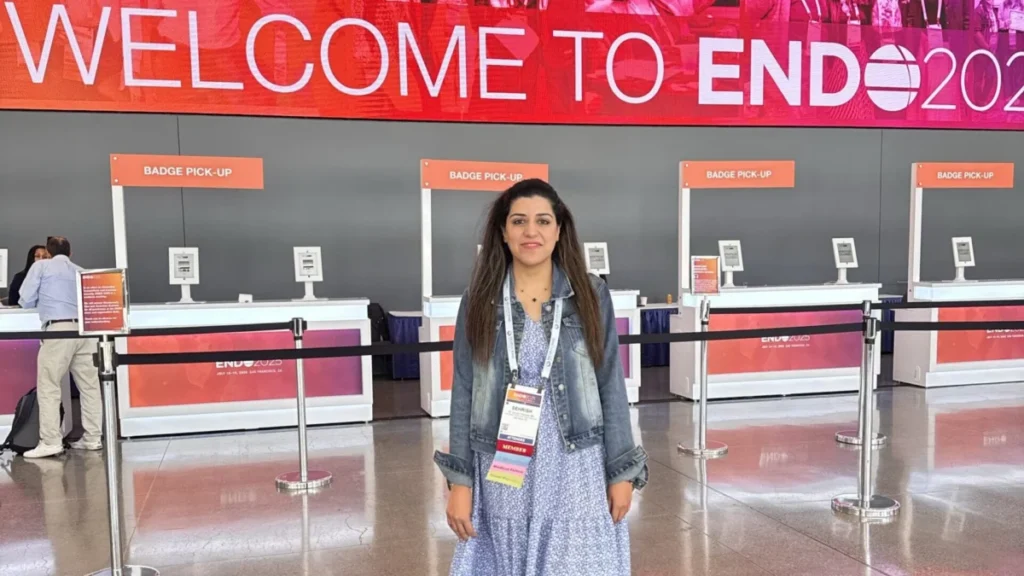
The path to medical board certification is often characterized by rigorous study, clinical immersion, and a reliance on specialized educational resources. For Dr. Sehrish Waheed, a Las Vegas-based endocrinologist known to the digital world as “@NoSugarMD,” this journey became an opportunity not only to refine her clinical expertise but also to humanize the medical profession through social media. Currently practicing at Platinum Hospitalists in Las Vegas, Dr. Waheed has emerged as a voice for early-career physicians, balancing the demands of a specialized medical practice with a commitment to public health education and the reduction of clinical stigma.
The Journey to Board Certification and Specialized Training
The American Board of Internal Medicine (ABIM) Endocrinology, Diabetes, and Metabolism certification exam represents the final hurdle for physicians transitioning from fellowship to independent practice. Preparation for this exam is notoriously demanding, requiring a deep understanding of complex hormonal systems, metabolic pathways, and the latest evidence-based treatment protocols.
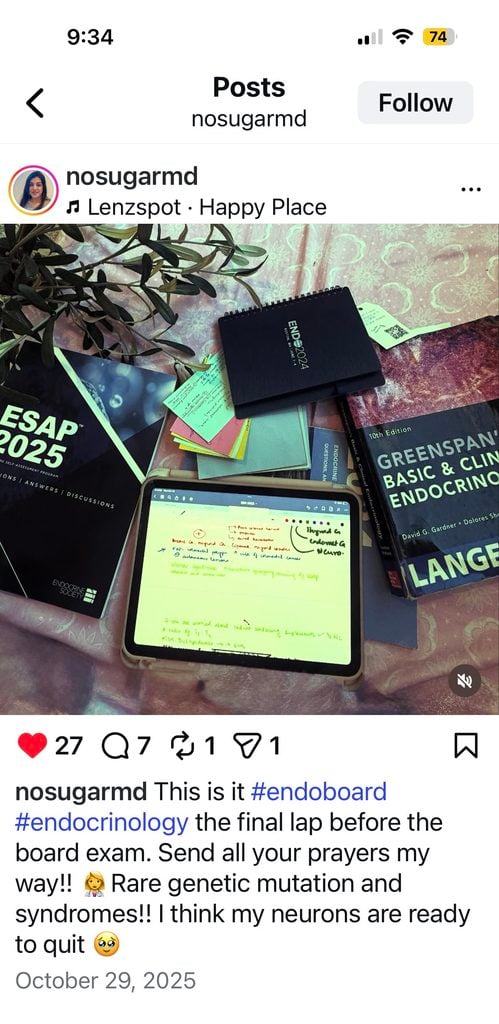
Dr. Waheed’s preparation process, which she shared with her followers in late 2024, centered on a structured use of resources provided by the Endocrine Society. These included the Endocrine Board Review (EBR), the Endocrine Self-Assessment Program (ESAP), and various in-training examination questions. The EBR, in particular, is designed as a comprehensive program that mirrors the ABIM blueprint, offering interactive practice exams and mock cases that simulate real-world clinical decision-making.
Data from medical education researchers suggests that early and consistent engagement with self-assessment tools is a primary predictor of success on high-stakes medical boards. Dr. Waheed’s approach—beginning her question-based study early in her fellowship at MountainView Hospital in Nevada—aligns with these pedagogical recommendations. By the time she joined Platinum Hospitalists in August 2025, she had established a foundational knowledge base that spanned the breadth of the field, from common diabetic management to the more nuanced areas of reproductive endocrinology and hormonal therapy.
Bridging the Gap: Social Media as a Tool for Public Health
The rise of the "medical influencer" or "medfluencer" has transformed how health information is disseminated. For Dr. Waheed, her Instagram persona, @NoSugarMD, serves a dual purpose: it acts as a platform for patient education and as a medium to demystify the life of a physician. In an era where medical misinformation proliferates on social media, professional voices are increasingly seen as essential gatekeepers of factual data.
Dr. Waheed’s content often addresses common misconceptions regarding metabolic health, such as the interpretation of insulin levels and the management of Polyendocrine Metabolic Ovarian Syndrome (PMOS)—formerly known as Polycystic Ovary Syndrome (PCOS). The shift in nomenclature to PMOS reflects a growing clinical consensus that the condition is fundamentally a metabolic and endocrine disorder rather than one confined solely to the ovaries. By blogging about these topics, Dr. Waheed provides a counter-narrative to the "wellness" trends that often lack scientific backing.
Furthermore, Dr. Waheed emphasizes the "human side" of medicine. By sharing glimpses of her personal life and her own struggles with maintaining a healthy lifestyle amidst a demanding career, she fosters a sense of relatability. This approach is supported by studies on the doctor-patient relationship, which indicate that perceived physician empathy and relatability can significantly improve patient adherence to treatment plans and overall health outcomes.
Clinical Focus: Addressing the Epidemic of Obesity and Stigma
At the core of Dr. Waheed’s practice is a focus on obesity, a condition that the World Health Organization (WHO) and the Centers for Disease Control and Prevention (CDC) have classified as a global epidemic. In the United States, adult obesity prevalence remains high, with nearly 42% of the population affected. Despite its status as a chronic disease, obesity remains one of the most stigmatized conditions in modern healthcare.
Obesity stigma, or weight bias, refers to the negative attitudes and stereotypes directed toward individuals because of their weight. In a clinical setting, this stigma can manifest as providers spending less time with patients, attributing all health issues to weight without further investigation, or using shaming language. The consequences are profound: patients who experience weight bias are more likely to delay or avoid medical care, leading to poorer outcomes and the progression of comorbid conditions like Type 2 diabetes and cardiovascular disease.
Dr. Waheed has made it a priority to create a "judgment-free zone" within her practice. Her commitment to building trusting relationships is particularly vital in Las Vegas, a metropolitan area with diverse healthcare needs. By acknowledging the challenges her patients have faced in the healthcare system, she works to rebuild the confidence necessary for effective long-term weight management.
The Role of Professional Societies in Physician Development
The transition from a trainee to an early-career physician is a period of significant professional vulnerability. Dr. Waheed credits the Endocrine Society with providing the structural support necessary to navigate this phase. Beyond educational materials, the Society offers mentorship programs that connect fellows with established leaders in the field.
During her fellowship, Dr. Waheed participated in specialized programs, including the Diabetes Type 1 and Obesity Fellow Programs. these initiatives are designed to provide deep-dive expertise in specific sub-sectors of endocrinology, ensuring that the next generation of specialists is equipped to handle the increasing complexity of metabolic diseases.
The mentorship aspect of these programs is particularly influential. For early-career scientists and clinicians, having access to a network of peers and veterans can alleviate the isolation often felt in specialized medicine. Dr. Waheed noted that the Endocrine Society’s efforts to recognize the contributions of young physicians, even those with modest social media followings, foster a sense of belonging and professional validation. This institutional support is a critical component in addressing the current shortage of endocrinologists in the U.S., as it encourages retention within the specialty.
Analysis of Implications: The Future of Endocrinology
Dr. Waheed’s career trajectory and her use of digital platforms highlight several emerging trends in the medical field:
- The Evolution of Patient Education: As patients increasingly turn to the internet for health advice, physicians must meet them where they are. Dr. Waheed’s model suggests that a professional digital presence can extend the reach of the exam room, providing a reliable source of information for a broader audience.
- The Shift Toward Metabolic-Centered Care: The rebranding of PCOS to PMOS and the focus on obesity as a primary endocrine disorder indicate a shift toward treating the underlying metabolic drivers of disease rather than just the symptoms.
- The Importance of "Soft Skills" in Specialized Medicine: While technical proficiency remains paramount, the ability to navigate complex social issues like stigma is becoming a hallmark of high-quality endocrine care. Dr. Waheed’s focus on the doctor-patient relationship reflects a broader move toward patient-centered care models.
- Institutional Engagement: The success of physicians like Dr. Waheed underscores the need for professional organizations to continue investing in early-career support. Programs that combine clinical education with mentorship and networking are essential for the sustainability of the medical workforce.
Chronology of Professional Milestones
The professional development of Dr. Waheed can be traced through a series of key milestones that reflect her growth as a specialist:
- Fellowship Training: Completed a rigorous endocrinology fellowship at MountainView Hospital in Nevada, where she began utilizing Endocrine Society resources for early-stage board preparation.
- Specialized Programs: Selected for the Endocrine Society’s Diabetes Type 1 and Obesity Fellow Programs, gaining specialized insights into two of the most prevalent metabolic conditions.
- Professional Transition (August 2025): Joined Platinum Hospitalists in Las Vegas, transitioning into a clinical role where she applies her fellowship training to a diverse patient population.
- Board Preparation (Late 2024 – 2025): Intensive study period for the ABIM Endocrinology, Diabetes, and Metabolism certification, utilizing the Endocrine Board Review (EBR) and ESAP programs.
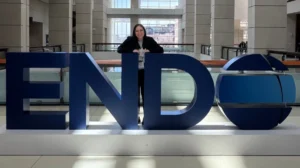
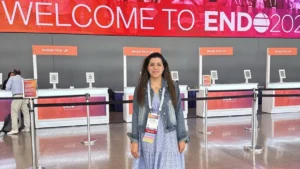
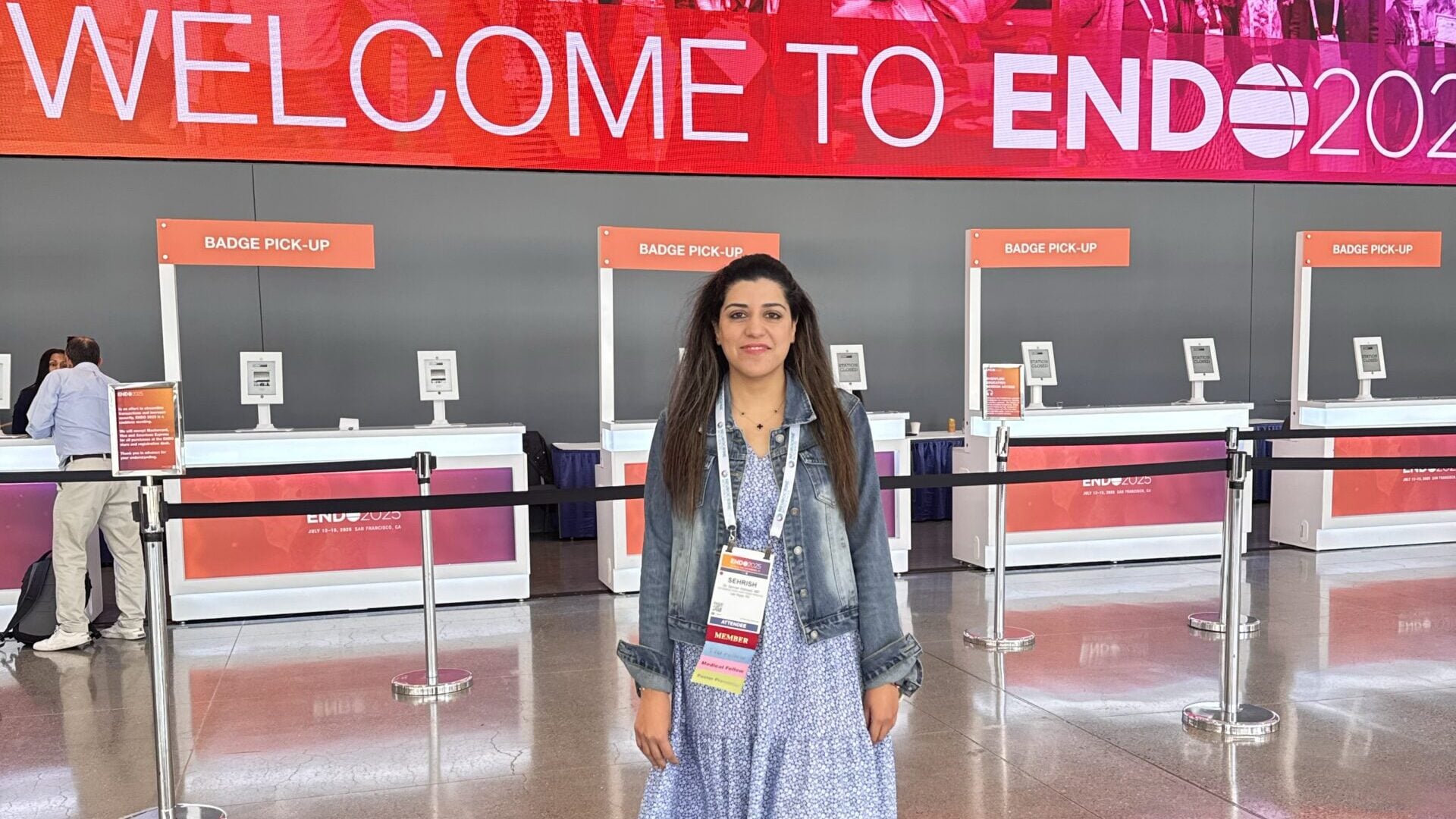
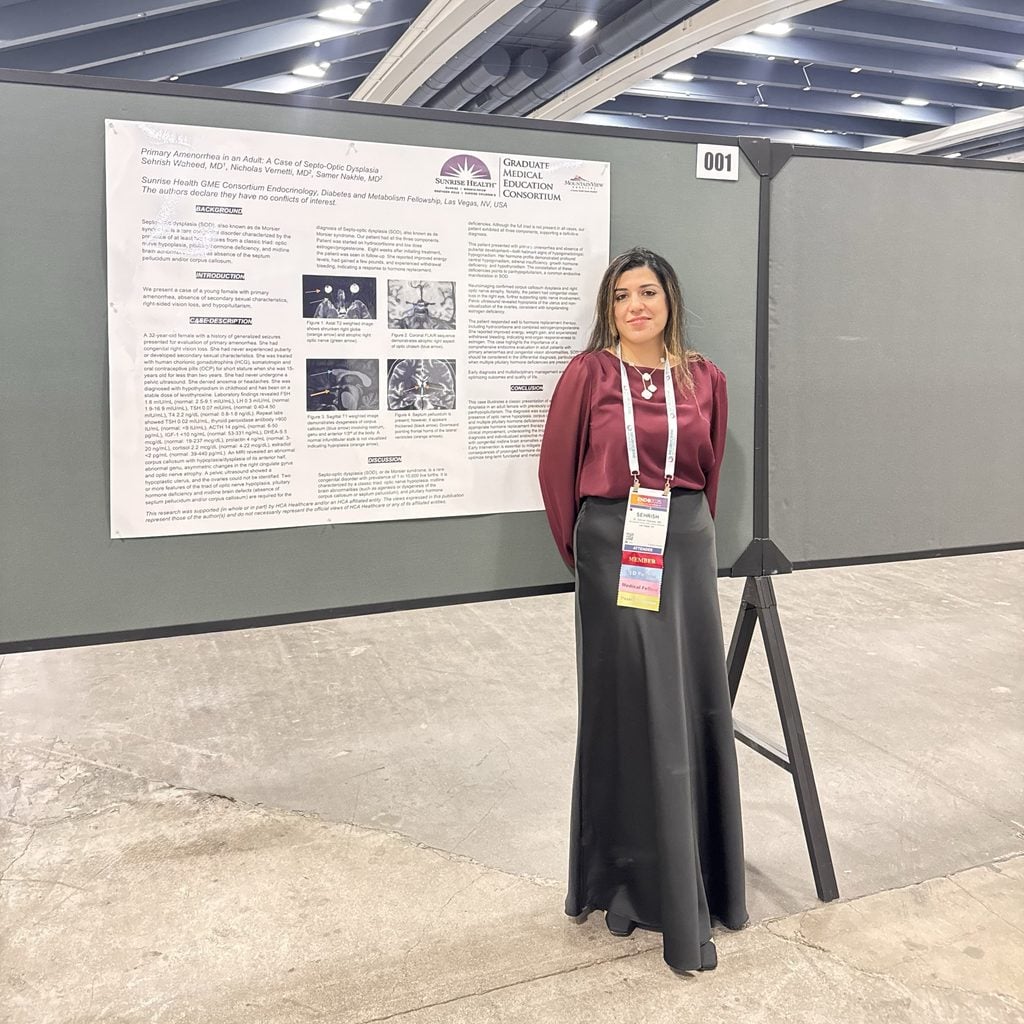
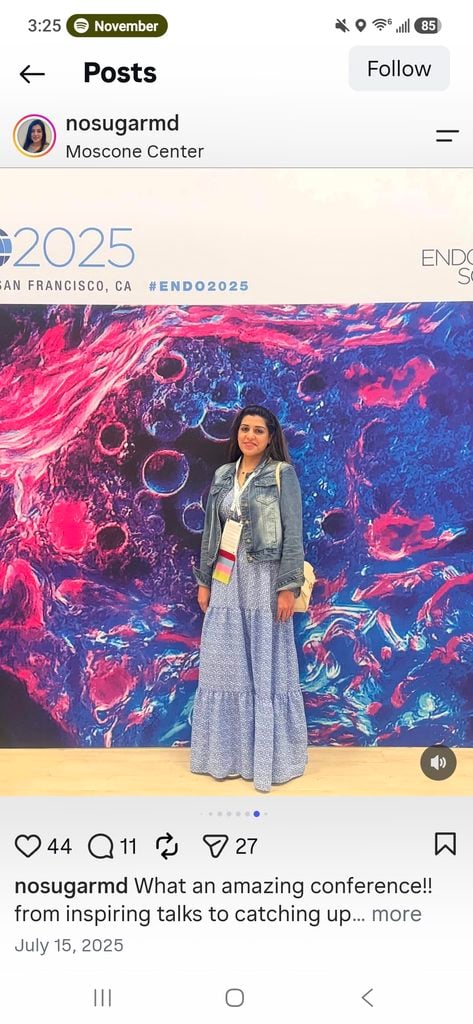
- National Engagement (2025): Participated in the ENDO 2025 conference in San Francisco, presenting research and engaging with the global endocrine community.
Conclusion
Dr. Sehrish Waheed’s approach to endocrinology represents a modern synthesis of clinical rigor and digital empathy. By leveraging the resources of the Endocrine Society and the reach of social media, she has positioned herself as a physician who is as committed to the scientific accuracy of her field as she is to the dignity of her patients. As she continues her work in Las Vegas, her focus on reducing obesity stigma and providing accessible health education offers a blueprint for the next generation of endocrinologists navigating an increasingly digital and complex healthcare landscape. The integration of professional support, early-career mentorship, and a commitment to humanizing the medical experience remains the cornerstone of her contribution to the field of endocrinology.