


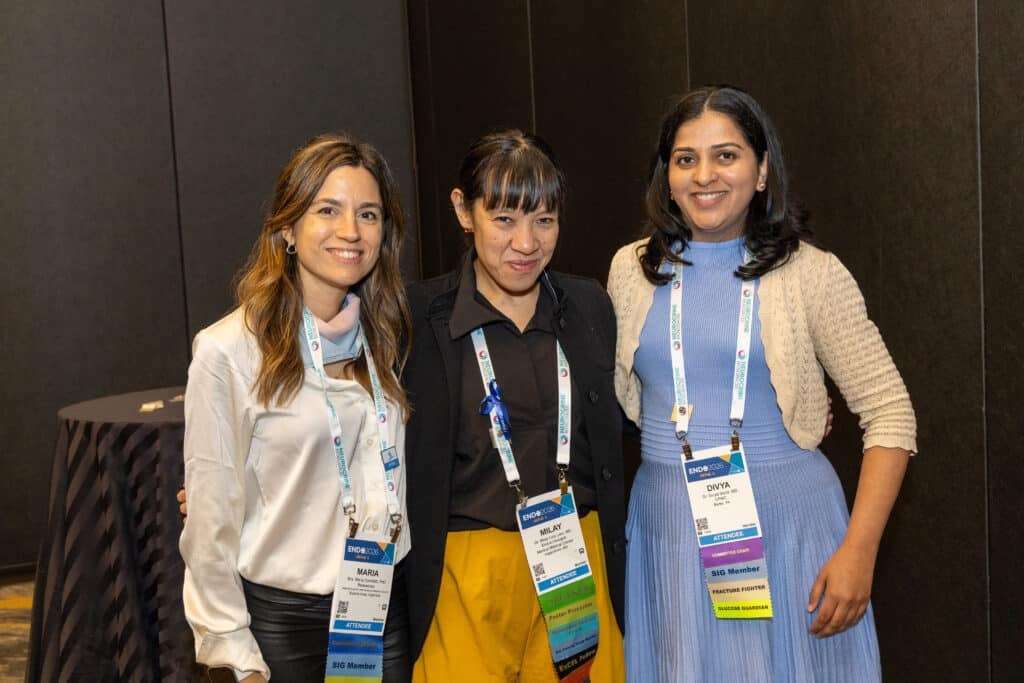
The landscape of modern endocrinology is undergoing a significant transformation, moving beyond the traditional focus on hormonal metrics toward a more integrated, human-centric approach to leadership and patient care. This shift was a central theme at the recent Excellence in Clinical Endocrinology Leadership (EXCEL) meeting, hosted by the Endocrine Society at its headquarters in Washington, D.C. The forum, which serves as a cornerstone for professional development within the specialty, recently brought together a diverse cohort of clinicians, including Milay Luis Lam, MD, the Division Chief and Medical Director of Meritus Endocrinology at Meritus Medical Center in Hagerstown, Maryland. Dr. Lam’s participation as a faculty mentor highlights a pivotal transition in the field: the move from technical proficiency to the cultivation of "humanity" as a core clinical competency.
The EXCEL program is designed to bridge the gap between clinical fellowship and high-level medical leadership. By providing a platform for mid-career and senior endocrinologists to mentor the next generation, the Endocrine Society aims to address the systemic challenges currently facing the specialty. These challenges include a growing shortage of specialists, the increasing complexity of chronic disease management, and a healthcare environment that often prioritizes throughput over thoroughness. For Dr. Lam, the meeting served as a reminder that the evolution of a physician is a lifelong process, characterized by the continuous integration of scientific knowledge and empathetic engagement.
The Evolution of Leadership in Endocrinology
The EXCEL meeting in Washington, D.C., represents a strategic effort by the Endocrine Society to fortify the leadership pipeline. Historically, medical training has focused heavily on pathophysiology and pharmacology, often leaving "soft skills" like advocacy, inter-departmental collaboration, and empathetic communication to be learned by osmosis. However, as healthcare systems become increasingly fragmented, the need for formal leadership training has become acute.
The chronology of the EXCEL program reflects this growing need. Established as a response to the changing dynamics of the U.S. healthcare system, the program has evolved from a series of informal workshops into a structured leadership curriculum. Over the past decade, the Endocrine Society has expanded its focus to include programs like FLARE (Future Leaders Advancing Research in Endocrinology), which targets underrepresented minorities, and EXCEL, which focuses on clinical leadership. These initiatives aim to ensure that the future of the field is not only scientifically robust but also demographically representative and ethically grounded.
Dr. Lam’s transition from a trainee to a faculty member at these events underscores the cyclical nature of medical education. This transition is critical for the sustainability of the specialty. According to data from the Association of American Medical Colleges (AAMC), the United States faces a projected shortage of up to 124,000 physicians by 2034, with subspecialties like endocrinology being particularly vulnerable. In this context, leadership programs are not just about professional development; they are a necessary intervention to prevent burnout and ensure the retention of experienced clinicians who can guide the workforce.

Challenging the Metric-Driven Paradigm
A primary concern raised during the EXCEL forum is the "quiet dehumanization" that can occur in high-volume clinical settings. Endocrinology is a field defined by precise data—hemoglobin A1c levels, thyroid-stimulating hormone (TSH) concentrations, and bone mineral density scores. While these metrics are essential for diagnosis and treatment, an over-reliance on numbers can lead to a clinical environment where the patient is viewed as a collection of lab values rather than a human being with a complex life.
Data from the Centers for Disease Control and Prevention (CDC) indicates that over 38 million Americans have diabetes, and approximately 98 million have prediabetes. The sheer volume of patients requiring long-term metabolic management places immense pressure on endocrinologists to maintain efficiency. This pressure often manifests as a "checklist" approach to medicine, where the objective is to normalize a lab value rather than understand the patient’s barriers to care.
Dr. Lam noted that in a fragmented healthcare system, it is easy for clinicians to "pass along" difficult cases or shift responsibility to other departments. This fragmentation contributes to a sense of detachment for both the provider and the patient. When patients perceive their physicians as distant or purely clinical, trust erodes. This lack of trust is a significant factor in medical non-adherence, which costs the U.S. healthcare system an estimated $100 billion to $289 billion annually.
Addressing Cultural Nuances and Systemic Barriers
The EXCEL meeting also addressed the critical role of cultural competence in endocrinology. Illness is not just a biological event; it is a cultural experience. How a patient perceives their diagnosis, their willingness to trust a provider, and their ability to follow a treatment plan are all shaped by their background, socioeconomic status, and past experiences with the medical system.
In many cases, what a clinician labels as "noncompliance" is actually a manifestation of systemic barriers. For example, a patient may struggle to manage their insulin not because they are indifferent to their health, but because they live in a "food desert" with limited access to healthy nutrition, or because they lack the financial resources to afford rising co-pays. Furthermore, cultural differences in communication can lead to misunderstandings. In some cultures, questioning a physician is seen as disrespectful, leading patients to nod in agreement even when they do not fully understand the instructions provided.
By recognizing these nuances, endocrinologists can move toward a model of "shared decision-making." This approach involves the physician and patient working together to choose tests, treatments, and care plans based on clinical evidence as well as the patient’s informed preferences. Analysis suggests that shared decision-making leads to better health outcomes, higher patient satisfaction, and lower rates of litigation.
The Role of Advocacy and Professional Collaboration
Advocacy was a recurring theme at the D.C. meeting, extending beyond the traditional definition of lobbying for policy changes. In the context of clinical leadership, advocacy involves fighting for a healthcare system that supports collaboration rather than division. This includes advocating for more time with patients, better integration of electronic health records (EHRs), and more equitable access to endocrine care in rural and underserved areas, such as those served by Meritus Medical Center in Maryland.
The "All SIG" (Special Interest Group) receptions at events like ENDO 2023 and the upcoming ENDO 2026 highlight the importance of interdisciplinary respect. Endocrinology does not exist in a vacuum; it overlaps with cardiology, oncology, primary care, and surgery. A leader in the field must be able to navigate these intersections, ensuring that the patient receives seamless care.
Official responses from participants in related programs, such as the FLARE ExCEL Luncheon, suggest that these networking opportunities are vital for building a sense of community. When physicians feel supported by their peers and mentors, they are more likely to remain engaged and empathetic in their clinical practice. The sense of "shared purpose" fostered at the EXCEL meeting acts as a buffer against the depersonalization that often precedes burnout.
Broader Implications for the Future of Medicine
The insights shared by Dr. Lam and her colleagues have implications that reach far beyond the field of endocrinology. As artificial intelligence and automation begin to handle more of the diagnostic and data-heavy aspects of medicine, the "human" element will become the primary value proposition of the physician.
The ability to mentor others, to advocate for systemic change, and to build deep, trusting relationships with patients cannot be replicated by algorithms. Therefore, the future of medical education must prioritize these qualities. The EXCEL program serves as a model for how specialty societies can take a proactive role in shaping not just the knowledge base, but the character and leadership capacity of their members.
In conclusion, the EXCEL meeting in Washington, D.C., served as a powerful reminder that clinical excellence is inseparable from human compassion. For leaders like Dr. Milay Luis Lam, the journey from trainee to faculty is not a move away from learning, but a move toward a deeper understanding of the human condition. As the field of endocrinology continues to navigate a complex and often impersonal healthcare landscape, the commitment to maintaining humanity remains the most essential protocol for success. The challenge for the next generation of endocrinologists will be to remain "open enough" to let the lessons of their patients and colleagues change them, ensuring that the heart of medicine remains as vibrant as the science behind it.
