EQT Private Equity has reached a definitive agreement to acquire Qiagen, a global leader in molecular diagnostics and sample preparation technologies, in a transaction valued at approximately $12.1 billion including the assumption of debt. The deal, which marks one of the largest private equity takeovers in the life sciences sector in recent years, follows a period of intense speculation regarding the future of the German-headquartered company. Under the terms of the agreement, EQT will pay a significant premium to take the company private, a move that the board of directors believes will provide the necessary flexibility to navigate a rapidly evolving healthcare landscape and invest in long-term research and development without the pressures of quarterly public earnings reports.
The offer from EQT represents a premium of roughly 40% to Qiagen’s closing share price of 33.15 euros on the Frankfurt-based Xetra electronic trading system as of July 8. This date serves as the benchmark for the valuation, as it was the final trading session before various media reports began circulating regarding interest from private equity consortia. Following a comprehensive review of strategic options that included discussions with both industrial competitors and financial institutions, Qiagen’s supervisory and managing boards have unanimously recommended that shareholders accept the offer.
Strategic Rationale and the Shift to Private Ownership
The decision to transition from a publicly traded entity to a privately held company comes at a pivotal moment for Qiagen. While the company saw a massive surge in demand for its products during the COVID-19 pandemic—specifically for its PCR-based testing kits and sample preparation technologies—the post-pandemic era has presented a more complex growth environment. By moving under the umbrella of EQT, Qiagen aims to decouple its long-term strategic goals from the short-term expectations of the stock market.

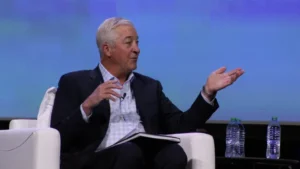
Thierry Bernard, the Chief Executive Officer of Qiagen, and other key leaders have signaled that private ownership will allow the firm to move with greater agility. Pratt, a senior representative for the company, noted that the freedom to allocate resources toward high-growth opportunities without the constraints of public market volatility is a primary driver for the deal. This sentiment is echoed by industry analysts who observe that the life sciences sector often requires capital-intensive, multi-year R&D cycles that do not always align with the immediate profit demands of retail and institutional investors.
EQT has committed to maintaining Qiagen’s operational integrity. The company will continue to operate under its established brand name, and its headquarters and key operational hubs are expected to remain intact. Furthermore, EQT has provided assurances regarding the retention of employee arrangements and continued investment in the company’s "Sample to Insight" portfolio, which spans from initial biological sample collection to the final digital data analysis.
Financial Analysis and Market Context
The acquisition price implies a valuation of approximately 15 times the 2027 estimated earnings before interest, tax, depreciation, and amortization (EBITDA), according to data provided by analysts at William Blair. Interestingly, this valuation sits slightly below the historical average for major transactions in the life sciences space, where multiples typically range from the high teens to the low 20s. This discrepancy suggests that while EQT is paying a healthy premium over the recent trading price, the deal remains an attractive entry point for the private equity firm given Qiagen’s foundational role in the diagnostics industry.
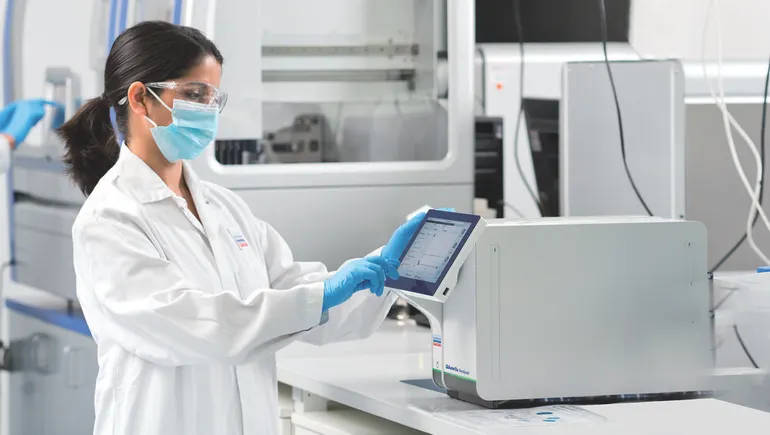
Analysts from William Blair pointed out that while Qiagen’s core portfolio remains robust, the company has struggled with "elusive" broad-based growth. Gains in specific segments, such as their QuantiFERON tuberculosis tests and the Qiastat-Dx syndromic testing platform, have occasionally been offset by headwinds in other divisions or by the normalization of the testing market following the pandemic-induced highs.
The $12.1 billion price tag also reflects the company’s debt load, which EQT will assume as part of the total enterprise value. For EQT, this acquisition represents a massive bet on the continued digitization and personalization of medicine. Qiagen’s technology is foundational to genomics, forensic testing, and clinical diagnostics, all of which are sectors expected to grow as healthcare systems shift toward more precise, molecular-level interventions.
A History of Takeover Speculation
Qiagen is no stranger to acquisition interest. The company was famously the target of a takeover bid by Thermo Fisher Scientific in 2020. At the time, Thermo Fisher offered approximately $11.5 billion, but the deal collapsed after Qiagen’s shareholders—emboldened by the company’s skyrocketing valuation during the early months of the COVID-19 pandemic—rejected the offer as undervalued.
Since the collapse of the Thermo Fisher deal, Qiagen has worked to prove its standalone viability. It successfully expanded its Qiastat-Dx platform, which uses advanced PCR (polymerase chain reaction) technology to diagnose complex infections quickly. However, as the global healthcare market stabilized, the pressure to find a permanent strategic partner or a private backer intensified. The current agreement with EQT appears to be the culmination of years of internal deliberation regarding the best path forward for the company’s shareholders and its technological roadmap.
Technological Core: The Qiastat-Dx and Beyond
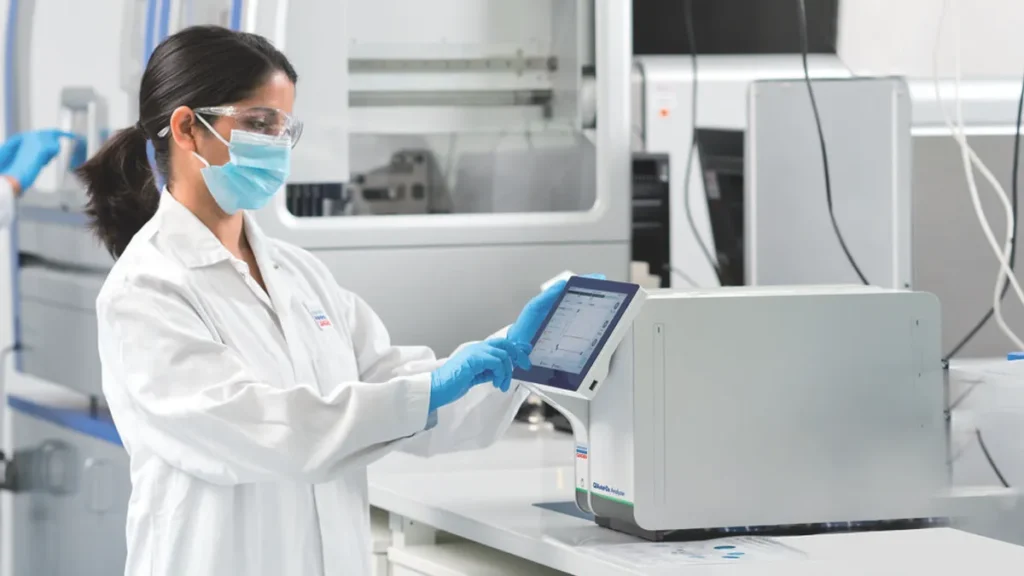
At the heart of EQT’s interest in Qiagen is the company’s sophisticated technological ecosystem. Qiagen’s flagship Qiastat-Dx system is a primary example of why the company remains a crown jewel in the diagnostics space. The platform allows clinicians to test for a multitude of pathogens simultaneously from a single sample, providing results in about an hour. This "syndromic testing" is increasingly becoming the standard of care in hospitals and emergency rooms, where rapid identification of respiratory or gastrointestinal infections is critical for patient outcomes and hospital resource management.
Beyond diagnostics, Qiagen is a world leader in sample technologies. Before a scientist can sequence DNA or a clinician can run a diagnostic test, the biological sample (blood, tissue, or saliva) must be purified and prepared. Qiagen’s kits are the gold standard in labs worldwide, used in everything from academic research and pharmaceutical drug discovery to criminal forensics and environmental testing. By acquiring this "picks and shovels" provider of the biotech world, EQT gains exposure to the entire lifecycle of biological research.
Timeline and Regulatory Path
The transaction is not expected to close immediately. Both parties have outlined a timeline that points toward a mid-2027 completion date. This extended window is common for large-scale, cross-border acquisitions in the healthcare sector, which are subject to rigorous regulatory scrutiny.

Qiagen operates in numerous jurisdictions, including the United States, Germany, and the Netherlands. Consequently, the deal will require clearance from antitrust authorities in multiple regions. Furthermore, given the sensitive nature of healthcare data and the strategic importance of diagnostic infrastructure, the deal may undergo review by foreign investment committees to ensure that the transfer of ownership does not impact national healthcare security.
In addition to regulatory hurdles, the deal remains subject to the approval of Qiagen’s shareholders. Given the 40% premium and the unanimous support from the board, many market observers expect the shareholder vote to be a formality, though the memory of the 2020 rejected bid remains a cautionary tale for those tracking the company’s history.
Implications for the Life Sciences Industry
The acquisition of Qiagen by EQT is a signal of a broader trend in the life sciences and medtech sectors. As public markets remain volatile and valuation gaps persist between public and private entities, private equity firms with deep pockets are increasingly stepping in to take high-quality assets private. This allows these companies to undergo internal restructuring, invest in next-generation technology, and emerge as more streamlined competitors.
For the diagnostics industry, this deal underscores the enduring value of molecular testing. While the "COVID boom" is over, the fundamental shift toward molecular diagnostics—driven by an aging global population and the rise of precision medicine—is irreversible. EQT’s willingness to commit $12.1 billion suggests a strong conviction that the underlying demand for Qiagen’s "Sample to Insight" solutions will continue to grow for decades.
As Qiagen prepares for its next chapter under private ownership, the industry will be watching closely to see how EQT manages the delicate balance between financial optimization and the high-stakes world of scientific innovation. If successful, the deal could serve as a blueprint for other established biotech firms looking for a way to fund their long-term visions away from the glare of the public eye.
In the interim, Qiagen has stated that it remains focused on its current customers and innovation pipeline. The company’s commitment to its R&D activities and its role as a critical supplier to the global scientific community remains the top priority as the transition begins. With the backing of EQT’s resources and the removal of public market constraints, Qiagen’s leadership is betting that the company’s most impactful innovations are yet to come.