









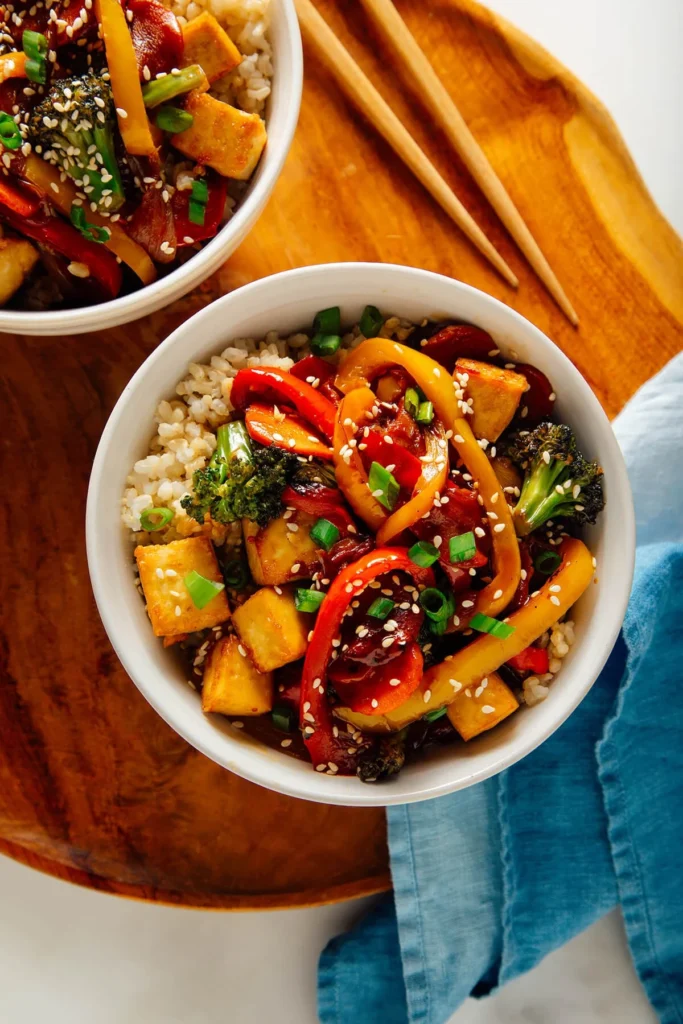
A newly refined vegetable stir-fry technique is poised to transform weeknight meals for home cooks, offering a pragmatic alternative to traditional wok-based preparation. This innovative method, detailed by culinary expert Kathryne Taylor of Cookie and Kate, focuses on achieving perfectly tender, seared vegetables enveloped in a savory, glossy sauce, all within the confines of a standard kitchen skillet. The approach is designed to democratize the stir-fry, making a notoriously high-heat, often smoky, cooking style accessible without specialized equipment or advanced culinary training.
The core of this culinary advancement lies in its departure from conventional stir-frying principles. Historically, stir-frying, or "chǎo" (炒) in Mandarin, originated in China centuries ago as an efficient cooking method that conserved fuel. Employing a large, round-bottomed wok over intense heat, chefs rapidly cooked ingredients, often achieving a distinctive smoky aroma and flavor known as "wok hei" (鍋氣). This technique demands constant movement, precise temperature control, and often significant ventilation, making it a challenging endeavor for the average home kitchen equipped with standard stovetops and flat-bottomed pans. The high heat required for authentic wok cooking can quickly lead to burning or unevenly cooked ingredients if not expertly managed, frequently triggering smoke detectors and requiring powerful exhaust systems rarely found in residential settings.
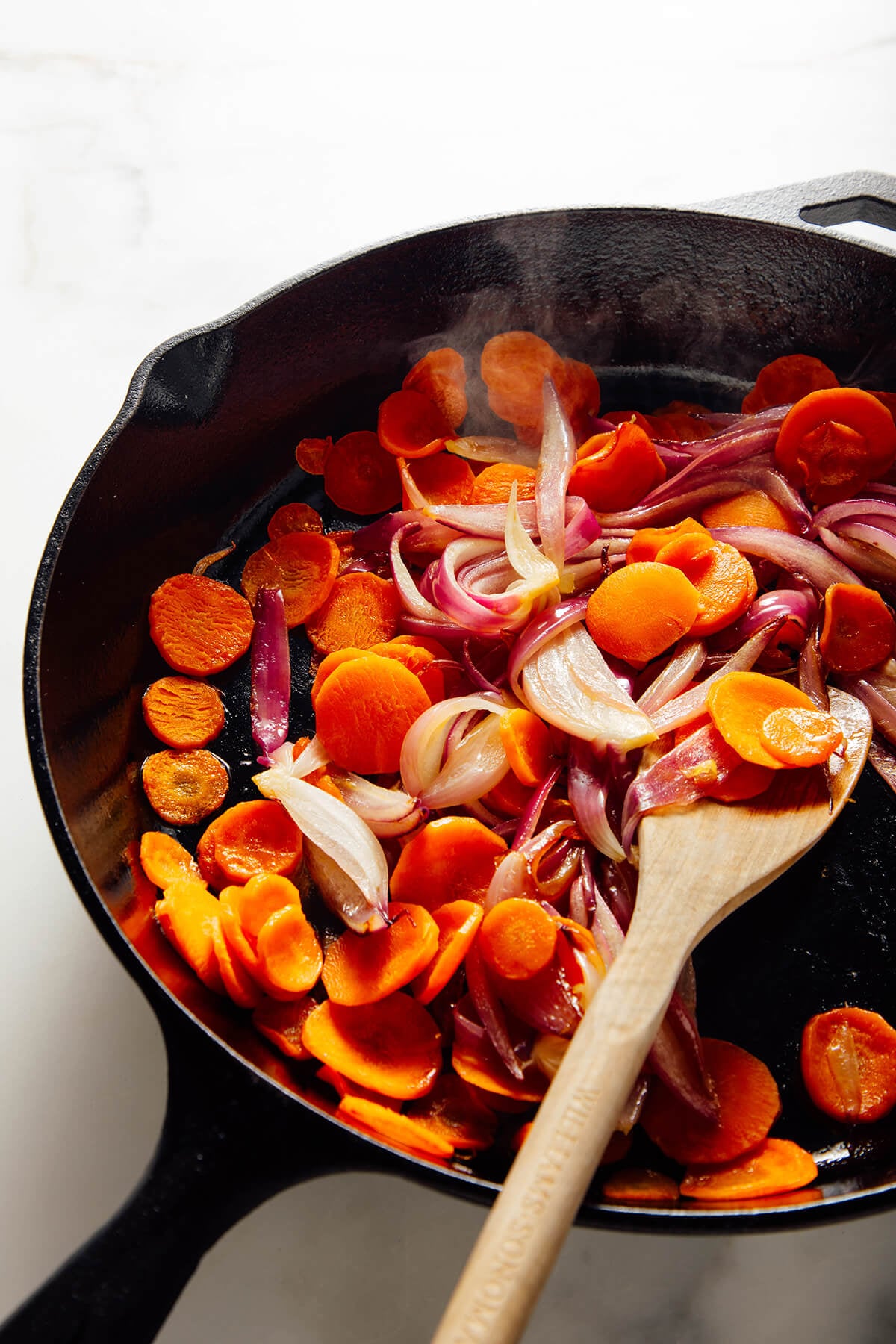
Recognizing these inherent challenges, the adapted stir-fry method introduces a "steam-then-sear" approach. Instead of continuous high-heat agitation, vegetables are initially cooked over medium-high heat in a large skillet—ideally cast iron or stainless steel for optimal heat retention and distribution—and briefly covered. This covering creates a steaming environment within the pan, allowing the vegetables to tenderize efficiently without direct, prolonged exposure to high, dry heat that can lead to charring. Once partially cooked through steaming, the lid is removed, and the vegetables are allowed to sear, developing desirable caramelized edges and a crisp-tender texture. This two-stage process effectively mimics the desired outcome of traditional stir-frying—crisp, vibrant vegetables with depth of flavor—while mitigating the risks of burning and excessive smoke. The efficacy of this method has been previously demonstrated in similar skillet-based preparations, such as specialized fajita vegetable recipes, underscoring its versatility for various quick-cooking applications.

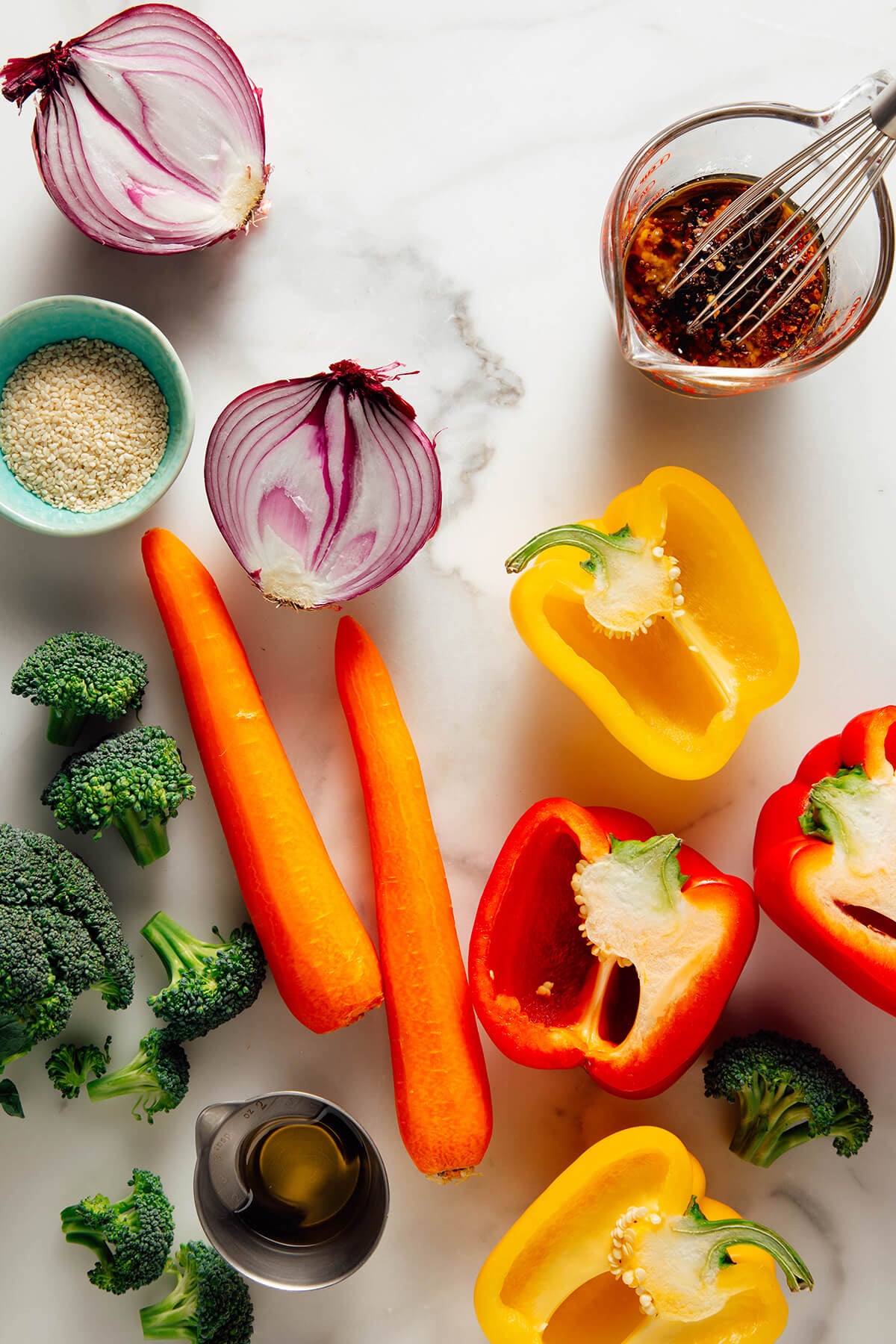
The recipe highlights a vibrant combination of broccoli florets, sliced bell peppers, julienned carrots, and red onion, chosen for their complementary textures and nutritional profiles. This selection is not merely aesthetic; it provides a broad spectrum of vitamins, minerals, and dietary fiber essential for a balanced diet. Broccoli, a cruciferous vegetable, is renowned for its high vitamin C and K content, as well as sulforaphane, a compound with anti-cancer properties. Bell peppers are excellent sources of vitamins A and C, while carrots contribute beta-carotene, crucial for vision and skin health. Red onions add a pungent, savory depth and are rich in antioxidants.
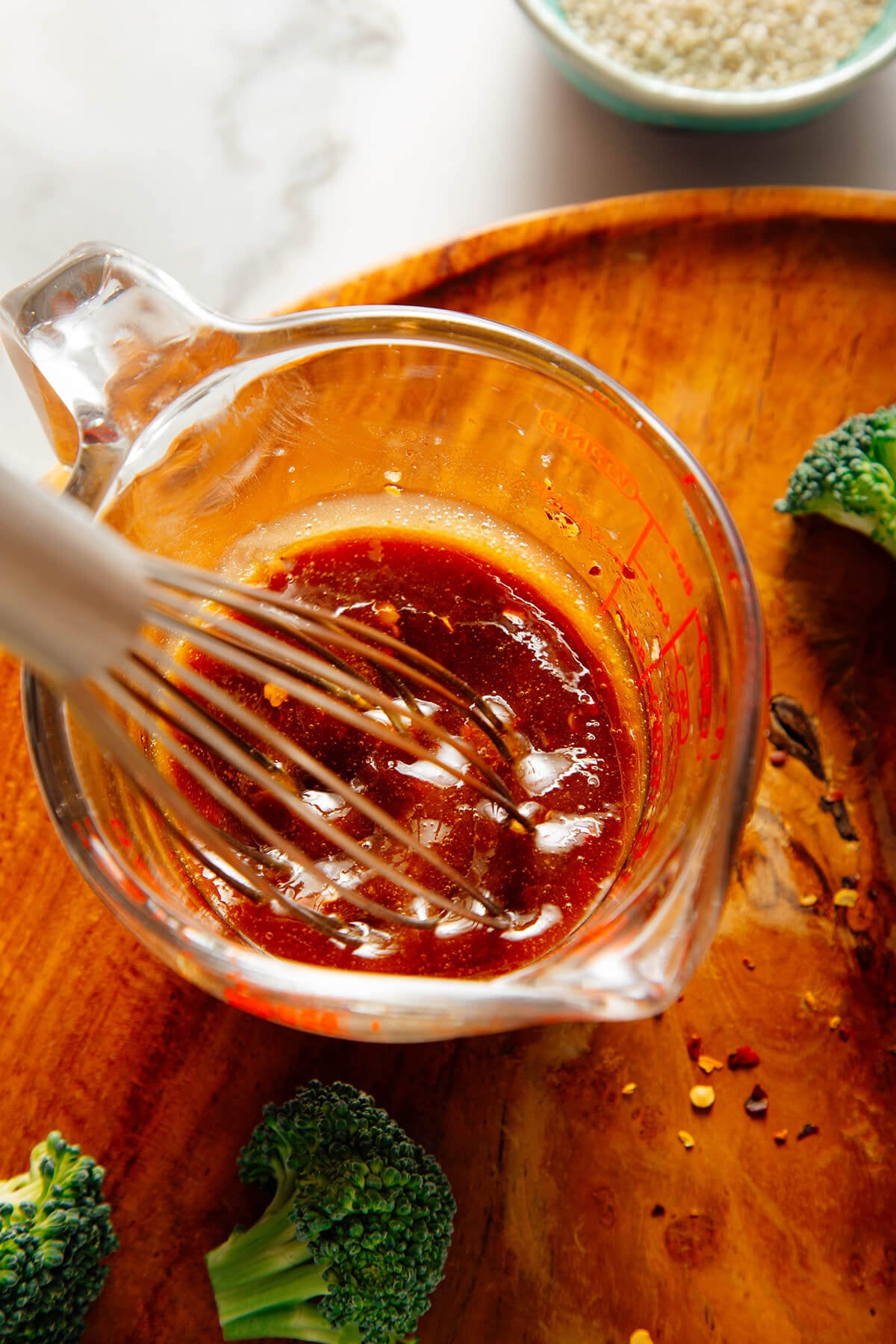
The accompanying sauce, characterized as more savory than sweet, plays a pivotal role in the dish’s appeal. Unlike many commercially available stir-fry sauces that often contain high levels of sugar and sodium, a homemade sauce allows for precise control over ingredients, catering to health-conscious preferences. Typical components include tamari (a gluten-free alternative to soy sauce), rice vinegar, a touch of maple syrup or honey for balance, and cornstarch or arrowroot powder for thickening, resulting in a glossy coating that adheres beautifully to the vegetables. This emphasis on fresh, whole ingredients and a balanced flavor profile positions the dish as a significantly healthier alternative to many takeout options, which often rely on excessive oils, sugars, and artificial additives.
From a nutritional standpoint, this skillet stir-fry aligns perfectly with contemporary dietary trends emphasizing plant-forward eating. Global health organizations consistently recommend increasing vegetable intake, with many dietary guidelines suggesting at least 2.5 cups of vegetables per day for adults. Data from the World Health Organization and national health agencies consistently link higher vegetable consumption to reduced risks of chronic diseases such as heart disease, type 2 diabetes, and certain cancers. The versatility of this recipe further supports these recommendations, as it encourages seasonal adjustments, allowing cooks to incorporate fresh produce readily available throughout the year, from spring asparagus and snap peas to summer zucchini and winter root vegetables. The only noted caution involves mushrooms, for which the steaming method might not yield optimal results due to their unique moisture content and textural properties.
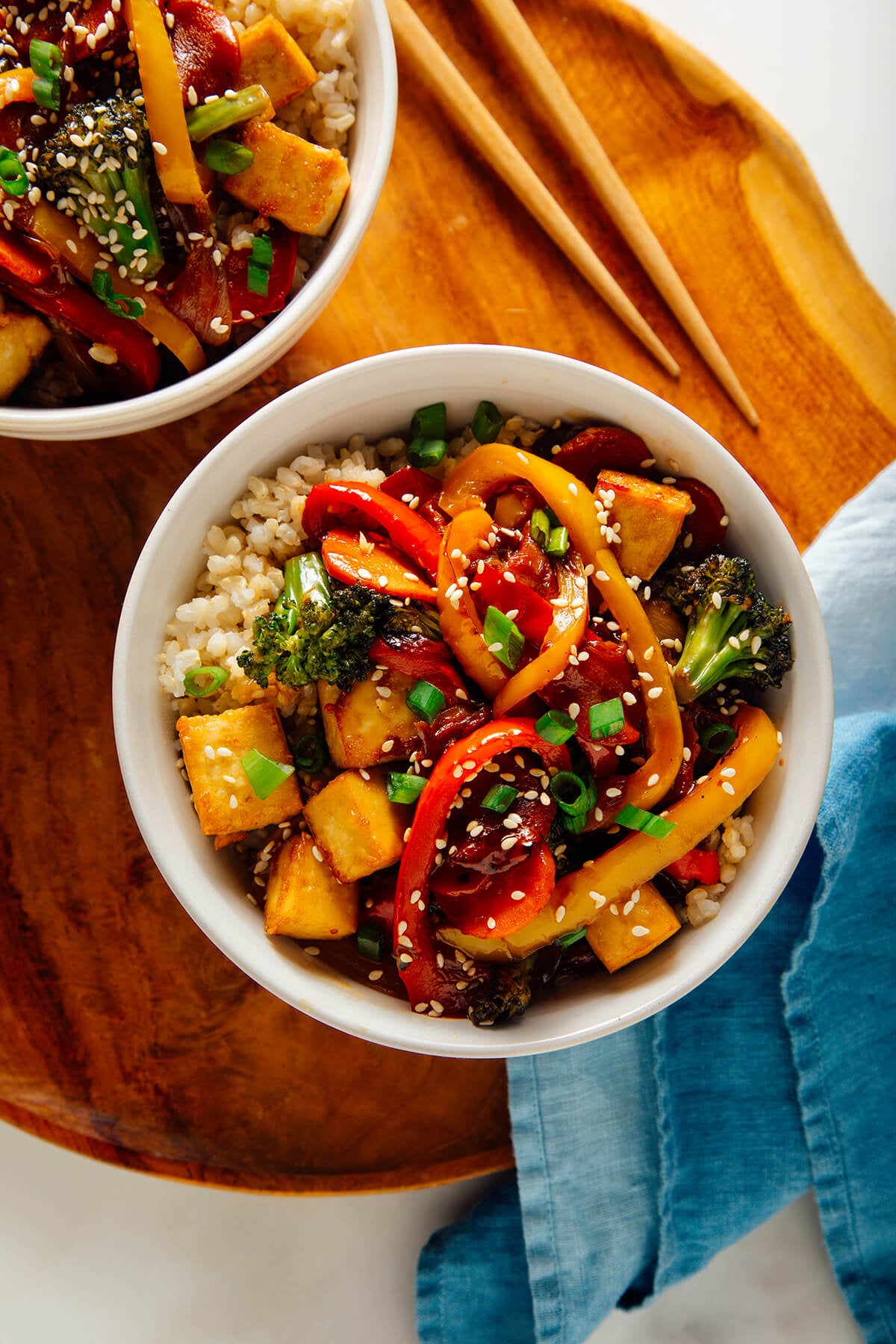
The practical implications of this accessible stir-fry method extend beyond mere convenience. It empowers individuals to take greater control over their food preparation, fostering healthier eating habits and potentially reducing reliance on external food sources. The ability to prepare a dish that tastes "much fresher than takeout" at home, often in a shorter timeframe than waiting for delivery, offers significant economic and health benefits. A typical serving of this vegetable stir-fry, when paired with a lean protein such as crispy baked tofu or fried eggs and a grain like brown rice, transforms into a complete, nutrient-dense meal suitable for lunch or dinner. The dish’s robust nature also ensures excellent shelf life, maintaining quality for up to four days when refrigerated, making it an ideal candidate for meal prepping and efficient reheating in a microwave.
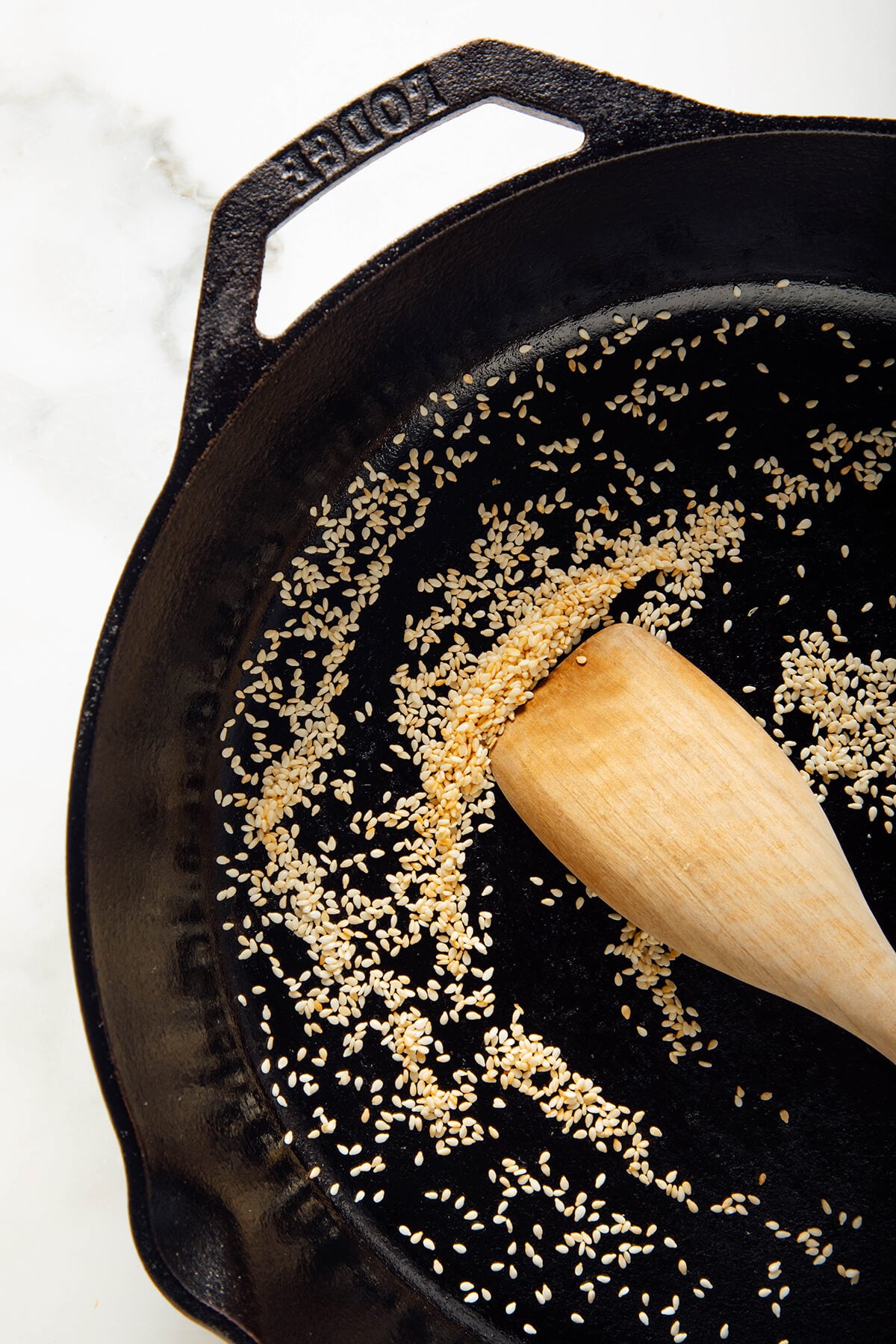
Culinary science underscores the effectiveness of the "steam-then-sear" technique. Covering the pan initially traps steam, which facilitates the rapid and even cooking of vegetables by conducting heat more efficiently than dry air. This process breaks down cell walls, tenderizing the vegetables while retaining their vibrant color and nutrient content. Once the lid is removed, the residual moisture evaporates, allowing the vegetables to come into direct contact with the hot pan surface. This direct contact promotes the Maillard reaction—a complex chemical reaction between amino acids and reducing sugars—which is responsible for the browning and development of rich, savory flavors, particularly on the seared surfaces of the vegetables. This controlled application of both moist and dry heat ensures optimal texture, flavor, and visual appeal, sidestepping the challenges of maintaining extremely high, consistent temperatures across a flat skillet surface that traditional wok cooking demands.
The broader impact of such accessible recipes resonates within the evolving landscape of home cooking. As consumers increasingly prioritize health, convenience, and culinary adventure, methods that demystify complex techniques become invaluable. The proliferation of food blogs and online recipe platforms, such as Cookie and Kate, serves as a crucial conduit for disseminating these innovations, reaching a global audience eager for practical cooking solutions. This particular stir-fry recipe exemplifies a growing trend towards "smart cooking"—leveraging culinary knowledge and adapted techniques to achieve restaurant-quality results in everyday kitchens. It encourages experimentation with seasonal produce and diverse protein sources, fostering a more adventurous and sustainable approach to meal preparation.
In conclusion, the skillet-adapted vegetable stir-fry represents a significant step forward in making healthy and flavorful Asian-inspired cuisine more approachable for the general public. By thoughtfully re-engineering a historically demanding technique, this method addresses the practical limitations of home kitchens while upholding the nutritional and gustatory standards of well-prepared food. It underscores a prevailing sentiment among culinary experts and home cooks alike: that delicious, nutritious meals should be within reach for everyone, regardless of their access to specialized equipment or advanced training. This innovation not only simplifies cooking but also promotes a deeper engagement with fresh ingredients and the rewarding experience of creating wholesome, homemade dishes.