








In a significant stride for the health and wellness industry, SOUND Foods is poised to redefine the landscape of functional food and supplement delivery formats by harnessing the power of sound waves. This innovative company, founded by CEO Don Dillon, has developed a proprietary process utilizing ultrasonic technology to bind ingredients at a particle level. Far from the realm of science fiction, this groundbreaking method offers formulators an unprecedented ability to integrate sensitive active ingredients into ingestible products without resorting to harsh manufacturing conditions that can degrade delicate compounds.
The genesis of SOUND Foods’ unique approach can be traced back to Don Dillon’s personal journey. Following health challenges he encountered during his military service, Dillon discovered the profound impact of specific dietary and nutritional interventions in mitigating his symptoms. This lived experience fueled a deep understanding of the potential of nutrition to influence well-being. It was at the 2017 SupplySide West event – now known as SupplySide Global, a premier trade show and conference for the health and nutrition industries – that Dillon first encountered the ultrasonic processing technology. Recognizing its potential beyond his personal needs, he envisioned its application in addressing broader health concerns. This pivotal moment marked the beginning of a multi-year endeavor involving securing patents, scaling manufacturing capabilities, and establishing the company’s first production line within a specialized dietary supplement facility. Now, SOUND Foods is set to reintroduce this transformative technology to the public at the very event where its potential was first recognized.
The Gentle Power of Sound Waves in Ingredient Processing
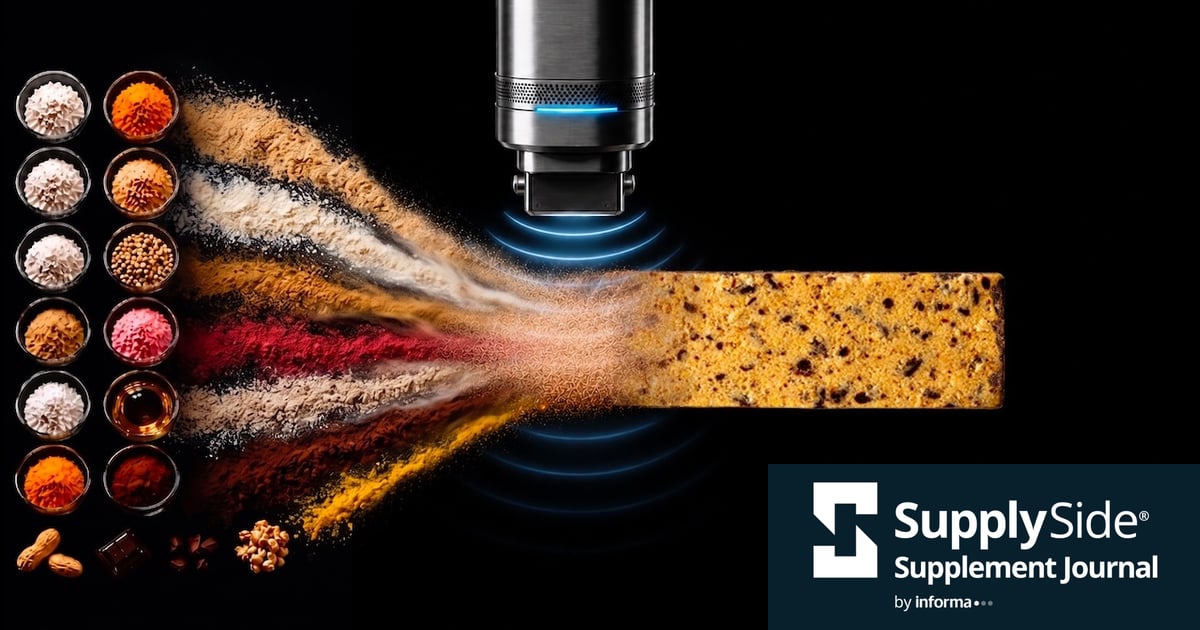
The core innovation lies in SOUND Foods’ application of ultrasonic waves, a technique scientifically referred to as ultrasonic agglomeration. This method offers distinct advantages for product formulators, primarily centered on its gentle nature and inherent flexibility. Unlike conventional manufacturing processes that often involve high heat or shear forces, ultrasonic agglomeration operates at low temperatures and with minimal mechanical stress. This low-impact approach is crucial for preserving the integrity of micronutrients and other delicate active compounds, which can be easily degraded by heat or intensive processing.

Instead of relying on thermal energy or chemical binders, the ultrasonic process employs acoustic energy to facilitate particle adhesion. This is a significant departure from traditional agglomeration techniques, which frequently incorporate sugar syrups or other binding agents to achieve desired product textures and formats, particularly in bars and other snack-like supplements. The scientific literature on ultrasonic agglomeration highlights its potential for creating stable, consolidated particles without compromising the chemical structure of the encapsulated ingredients. A review published in Food Chemistry, for instance, details how this process can either preserve or modify chemical structures with minimal impact on taste, further enhancing its suitability for ingestible products.
"We’re bringing a great experience – a snacking experience – to the supplement, because nobody likes to take a pill," stated Dillon in an earlier discussion, underscoring the consumer-centric benefit of this technology. "It makes it much easier, and much more enjoyable, to access advanced nutrition." This philosophy directly addresses a common barrier to supplement adherence: the unpalatable nature of traditional pills and powders. By transforming nutrient delivery into an enjoyable snack format, SOUND Foods aims to democratize access to advanced nutritional support.
Unlocking New Possibilities for High-Dose and Sensitive Actives
The flexibility and efficacy of ultrasonic agglomeration position SOUND Foods to overcome long-standing challenges in product formulation. The technology is adept at incorporating a wide array of ingredients, including powders, liquids, and inclusions such as protein crisps or fruit pieces. This versatility allows for the creation of diverse product textures and flavor profiles.
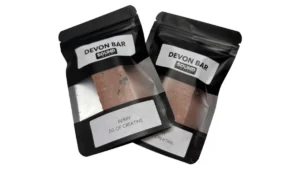
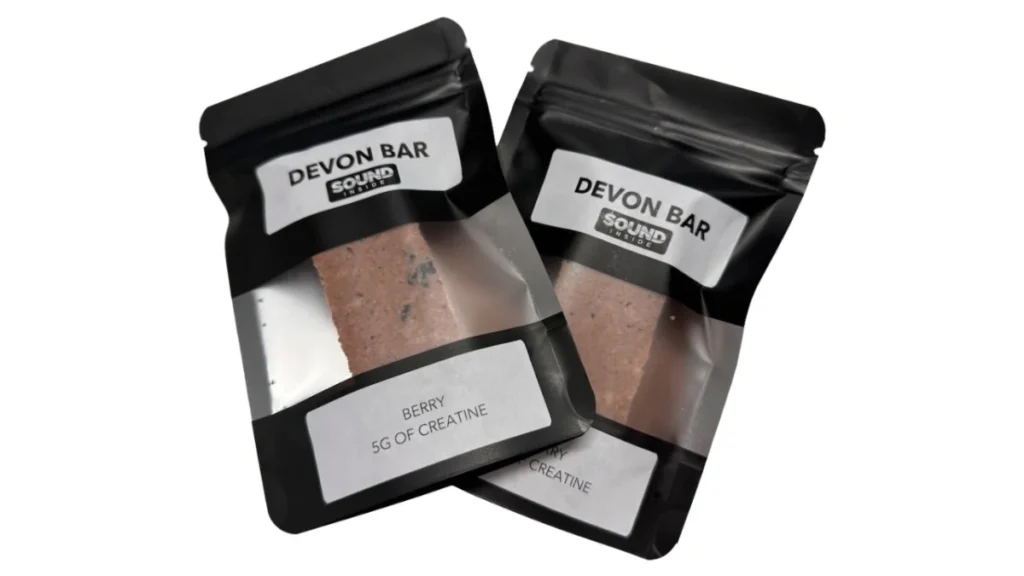
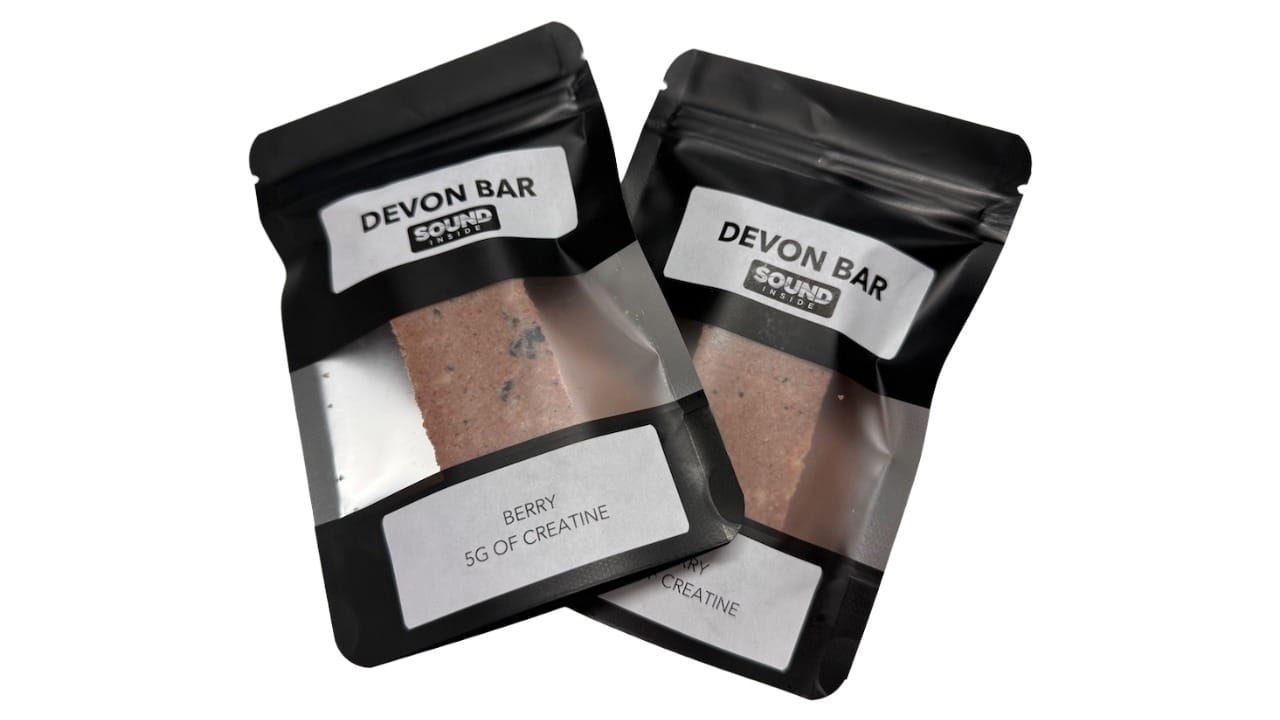
Ellie Boock, Director of Business Development at SOUND Foods and the formulator behind a personalized "Devon" bar developed for the author of the original article, highlighted the impressive capacity of the technology. She noted that each 60-70 gram bar can accommodate up to 25% active ingredients. As a practical demonstration, a single bar was formulated to contain a full 5-gram dose of creatine alongside 14 grams of protein. This demonstrates the ability to deliver high therapeutic doses of active compounds within a convenient and palatable format.
"We have very low water activity in our bars, and we get it to couple with great macros," Boock explained. Low water activity is a critical factor in extending the shelf life of food products, particularly those containing sensitive ingredients like probiotics. By achieving low water activity, SOUND Foods ensures that their products remain stable and effective over time, a significant advantage in the competitive supplement market.
Derek Webber, President of SOUND Foods, further elaborated on the technology’s capabilities, emphasizing its suitability for liposomal ingredients and probiotics. "We’re talking to some very large probiotic manufacturers with interest around this technology because we can get to a water activity level that is significantly low enough that these products will survive and be shelf-stable," Webber commented. This opens up new avenues for delivering these sensitive and highly beneficial microorganisms, which are often challenging to stabilize in conventional formulations. The ability to provide shelf-stable probiotic formats, particularly in a more appealing delivery system than capsules, represents a substantial market opportunity.
A Timeline of Innovation and Discovery
The journey of SOUND Foods from concept to commercialization illustrates a deliberate and strategic development process.
- 2017: Don Dillon encounters ultrasonic processing technology at SupplySide West. This event serves as the catalyst for his vision to apply this method to health and wellness products.
- Post-2017: Dillon and his team embark on securing intellectual property rights through patent applications, a crucial step to protect their innovative approach.
- Development and Scaling: Significant investment in research and development leads to the refinement of the ultrasonic agglomeration process for food and supplement applications. Simultaneously, efforts are focused on scaling manufacturing capabilities to meet anticipated demand.
- Facility Establishment: The company establishes its first production line within a specialized dietary supplement manufacturing facility, adhering to stringent quality and regulatory standards.
- Product Development: SOUND Foods begins developing prototype products, showcasing the versatility of the technology, including the creation of bars with high active ingredient loads and enhanced shelf stability.
- Present Day: SOUND Foods prepares for a public re-introduction of its technology at SupplySide Global, the successor to the event where the initial discovery was made. This signifies a transition from development to market introduction.
The broader context of SupplySide Global events underscores the significance of this innovation. These trade shows are critical platforms where ingredient suppliers, manufacturers, marketers, and researchers converge to explore the latest trends and advancements in the health and nutrition industries. For SOUND Foods, returning to this environment with a fully realized technology speaks to the maturity and readiness of their offering. The event typically draws thousands of attendees from around the globe, providing an ideal venue to connect with potential partners and customers eager for next-generation solutions.
Bridging the Gap Between Science, Snacking, and Supplements
The implications of SOUND Foods’ ultrasonic agglomeration technology extend across a wide spectrum of health and wellness applications. Dillon envisions broad opportunities, from enhancing nutritional intake for the elderly and promoting longevity to supporting the rigorous demands of athletes and sports nutrition. The technology’s ability to deliver precise, high doses of active ingredients in an enjoyable format has the potential to significantly improve dietary adherence and overall health outcomes for diverse populations.
Boock further identified prenatal nutrition as a particularly promising area. Ensuring expectant mothers and developing babies receive adequate and consistent nutrition is paramount. Ultrasonic agglomeration can facilitate the inclusion of essential vitamins, minerals, and other vital nutrients in easily consumed formats, addressing potential challenges with nausea or dietary restrictions during pregnancy.
The overarching mission of SOUND Foods, as articulated by Webber, is to "couple nutrition and supplements." This signifies a strategic niche focused on seamlessly integrating advanced nutritional science with the convenience and appeal of everyday foods. By transforming supplements from medicinal-like ingestibles into enjoyable, nutrient-dense snacks, the company aims to make proactive health management more accessible and sustainable for consumers.
Broader Impact and Analysis
The development of ultrasonic agglomeration by SOUND Foods represents a significant advancement in food science and nutraceutical manufacturing. Traditional methods often force a compromise between ingredient stability, dosage, and palatability. This new technology appears to offer a solution that addresses all three.
- Enhanced Bioavailability: While not explicitly detailed in the initial information, the gentle processing may preserve the native structure of certain compounds, potentially leading to improved bioavailability. Further research and clinical trials would be necessary to confirm this.
- Reduced Waste and Environmental Impact: By eliminating the need for sugar syrups and potentially reducing reliance on energy-intensive thermal processing, ultrasonic agglomeration could offer a more sustainable manufacturing approach.
- Market Disruption: The ability to create appealing, high-dose functional snacks could disrupt traditional supplement markets and create new categories within the broader food industry. This could lead to increased competition and innovation from existing players.
- Consumer Education: As with any novel technology, consumer education will be crucial. Clearly communicating the benefits of ultrasonic agglomeration and the science behind it will be key to widespread adoption.
The company’s success hinges on its ability to scale production efficiently, maintain rigorous quality control, and effectively communicate the scientific underpinnings and consumer benefits of its unique approach. As SOUND Foods prepares to re-enter the spotlight at SupplySide Global, the industry will be watching closely to see how this innovative sound-wave-driven technology reshapes the future of health and wellness products. The potential to make advanced nutrition more accessible, enjoyable, and effective marks a compelling chapter in the ongoing evolution of the functional food and supplement landscape.