




The food and beverage industries are experiencing a seismic shift, with agile, independent brands outperforming established giants and capturing a substantial portion of market growth. According to a comprehensive study released by Bain & Company on March 5, 2026, these "insurgent brands" accounted for a remarkable 25% of the total growth within the food sector in 2025. This trend underscores a significant evolution in consumer preferences, with a strong demand for products characterized by clean ingredients, natural formulations, and on-trend nutritional profiles.
The report, which identifies and analyzes brands that demonstrate superior market performance, defines insurgent brands as those growing at least ten times faster than their respective category averages, while either remaining independent or having been acquired by a large consumer packaged goods (CPG) company within the preceding two years. This criterion highlights a dynamic landscape where innovation and consumer responsiveness are paramount.
The Rise of the "Insurgent"
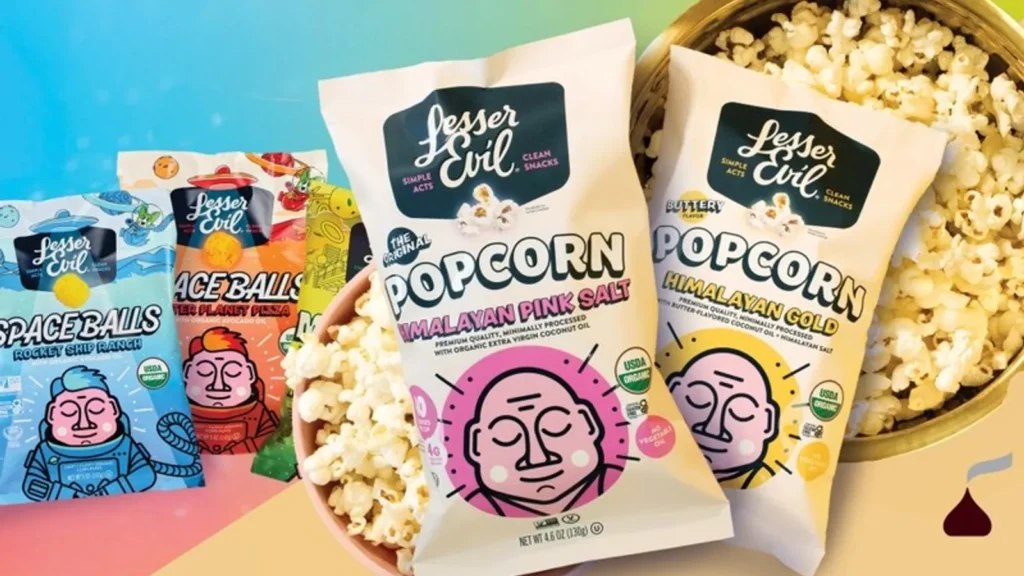
The ascendancy of these challenger brands is not merely a fleeting trend but a strategic recalibration of the market. In 2025, companies like LesserEvil, known for its better-for-you snacks, Chomps, offering clean-label meat sticks, and Kodiak Cakes, a producer of high-protein pancake mixes, have been at the forefront of this growth wave. Their success is intrinsically linked to a broader consumer awakening, prioritizing health and wellness, ingredient transparency, and authentic brand narratives.

Bain & Company’s analysis reveals specific characteristics that define these winning brands. A significant 44% of the insurgent brands featured on their 2026 list prominently displayed natural or organic claims. Furthermore, nearly 40% emphasized high protein content, catering to the growing demand for nutrient-dense options. Another quarter of these brands focused on elevated or global flavor profiles, indicating a consumer appetite for culinary exploration and unique taste experiences. This strategic alignment with consumer desires has allowed insurgent brands to carve out significant market share, often at the expense of more traditional, less agile CPG players.
A Strategic Pivot for Established Players
For large CPG companies, the challenge of achieving organic growth in a maturing market has become increasingly acute. In response, a key strategic lever has been the acquisition of these high-performing insurgent brands. This approach allows established players to swiftly enter new, high-growth categories, inject innovation into their portfolios, and revitalize lagging sales figures. The trend is clear: major CPGs are divesting slower-moving, non-core assets while aggressively pursuing faster-growing brands that align with current consumer trends.
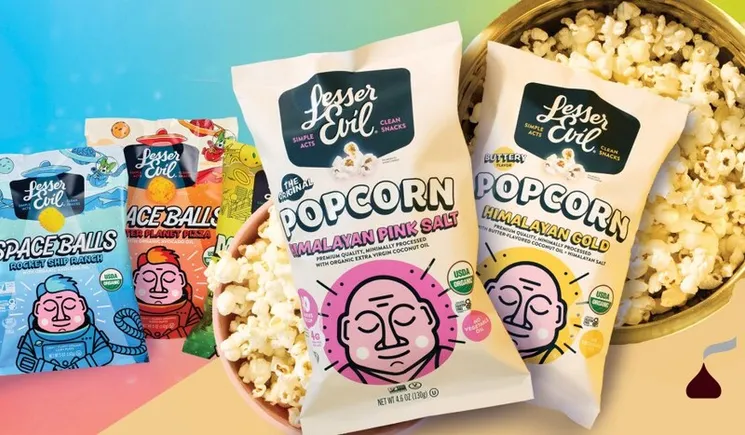
The Bain & Company report specifically points to several recent acquisitions that exemplify this strategy. LesserEvil, a recognized insurgent brand, was acquired by Hershey in November 2025, signaling the confectionary giant’s commitment to expanding its healthier snack offerings. Similarly, Bachan’s barbecue sauce, another brand lauded by Bain, was acquired by a larger food company within the past year, highlighting the value placed on artisanal and clean-label condiments. Good Culture, a maker of popular cottage cheese, also saw a significant strategic move, with a private equity firm, L Catteron, taking a majority stake in January 2026, demonstrating investor confidence in the brand’s growth trajectory.
Timeline of Acquisition Activity
The pace of acquisitions within the insurgent brand space has accelerated, reflecting the urgency for established companies to adapt.
- November 2025: Hershey completes its acquisition of LesserEvil, a move aimed at strengthening its position in the better-for-you snack market.
- Within the past year (pre-March 2026): Bachan’s barbecue sauce is acquired by a major food conglomerate, capitalizing on its clean-label appeal and distinct flavor profile.
- January 2026: Private equity firm L Catteron acquires a majority stake in Good Culture cottage cheese, recognizing the brand’s strong performance in the dairy aisle.
These transactions are not isolated incidents but part of a broader market consolidation driven by the need for growth and innovation.
Returning Insurgents and Brand Lineages
The Bain & Company list also features returning insurgent brands that continue to demonstrate remarkable resilience and market penetration. These include Conagra Brands’ offerings, such as Fatty meat sticks, Chomps meat sticks, Carbone sauces, and Kodiak Cakes. PepsiCo’s acquisition of Siete, a popular maker of better-for-you tortilla chips, further illustrates the appeal of these independent brands to food giants. Siete’s acquisition by PepsiCo, a relatively recent event for the food giant, underscores the ongoing strategic importance of acquiring brands that resonate with health-conscious consumers.
These returning brands, alongside new entrants, collectively paint a picture of a dynamic and evolving marketplace. Their sustained growth indicates not only strong product-market fit but also effective brand building and distribution strategies.
Beverage Sector Mirrors Food Trends
The influence of insurgent brands is not confined to the food aisle; the beverage sector is experiencing a similar transformation. Bain & Company reports that in 2025 alone, 13% of the growth in the non-alcoholic beverage category was attributable to insurgent brands. This parallel trend highlights a universal consumer shift towards healthier, more innovative beverage options.

The firm’s insurgent list in the non-alcoholic category showcases brands like Poppi, a prebiotic soda, Ghost, a prominent energy drink, and Fever-Tree, a producer of premium non-alcoholic carbonated mixers. These brands have not only captured consumer attention but have also become attractive acquisition targets for major beverage players.
The acquisition landscape in beverages is equally telling:
- 2025: PepsiCo makes a significant investment by purchasing Poppi for $2 billion, a move that significantly bolsters its presence in the rapidly growing functional beverage market. This acquisition followed intense competition and consumer enthusiasm for Poppi’s health-focused positioning.
- 2024: Keurig Dr Pepper acquires Ghost energy drink for over $1 billion, recognizing the brand’s strong appeal among younger demographics and its ability to disrupt the crowded energy drink market with unique flavors and branding.
- January 2025: Molson Coors secures a minority stake in Fever-Tree, a strategic partnership that aims to leverage Fever-Tree’s premium brand equity and expand its distribution network within Molson Coors’ broader beverage portfolio.
These acquisitions demonstrate a clear pattern: established beverage companies are actively seeking to integrate innovative brands that align with evolving consumer tastes and demand for healthier alternatives.
Analysis and Implications
The consistent success of insurgent brands and their attractiveness to larger CPG companies carry significant implications for the future of the food and beverage industries.
Innovation and Agility as Competitive Advantages
Insurgent brands often thrive due to their ability to be nimble, experiment with new ingredients and product formats, and respond quickly to emerging consumer trends. Their lean operational structures and focused brand missions allow them to bypass the bureaucratic hurdles that can sometimes slow down larger organizations. This agility is a key differentiator in a market that demands constant adaptation.
Shifting Consumer Priorities
The sustained demand for clean labels, natural ingredients, functional benefits (like protein or probiotics), and unique flavor profiles indicates a fundamental shift in consumer priorities. Consumers are no longer solely driven by price or brand recognition; they are increasingly making purchasing decisions based on perceived health benefits, ingredient transparency, and ethical sourcing. This empowers consumers and forces brands to be more accountable and transparent.

Consolidation and Portfolio Diversification
For established CPG companies, acquiring insurgent brands is a strategic necessity for maintaining relevance and growth. This consolidation allows them to diversify their portfolios, access new consumer segments, and mitigate the risk of being outmaneuvered by innovative competitors. However, it also presents challenges in integrating these distinct brand cultures and maintaining the authenticity that made them successful in the first place.
Investor Interest and Market Dynamics
The robust performance of insurgent brands attracts significant investor interest, not only from strategic CPG buyers but also from private equity firms and venture capitalists. This influx of capital fuels further innovation and competition, creating a virtuous cycle of growth and investment within the sector. As Charlotte Apps, executive vice president of Bain & Company’s consumer products practice, stated, "In a market where overall growth remains muted, insurgents are increasingly attractive investments for established consumer products players and investors seeking footholds into areas of growth." This sentiment underscores the strategic importance of these brands in the current economic climate.
The Future Landscape
The trend of insurgent brands driving growth is expected to continue. As consumer expectations evolve and new health and wellness trends emerge, smaller, more agile companies will likely remain at the forefront of innovation. Established players will likely continue their acquisition strategies, seeking to integrate these disruptive forces into their broader portfolios. The key challenge for both insurgent brands and their acquirers will be to maintain the authentic brand promise and product quality that initially captivated consumers, even as they scale operations and navigate the complexities of larger corporate structures. The continued success of brands like LesserEvil, Chomps, and Kodiak, as highlighted by Bain & Company, serves as a powerful testament to the evolving dynamics of the modern food and beverage marketplace.