The pharmaceutical landscape for endocrine disorders saw a series of transformative developments this week, marked by significant clinical trial successes and major regulatory milestones. From the presentation of Phase 3 data for a first-in-class treatment for post-bariatric hypoglycemia to the FDA clearance of a next-generation tubeless insulin pump and the advancement of a regenerative biologic for diabetic foot ulcers, these updates signal a shift toward more specialized and long-acting therapies. These advancements address critical unmet needs in metabolic health, focusing on reducing patient burden and improving clinical outcomes for chronic conditions that have historically lacked targeted therapeutic options.
Amylyx Pharmaceuticals Reports Success in Phase 3 LUCIDITY Trial for Avexitide
On November 14, Amylyx Pharmaceuticals, Inc. announced the 16-week results from its pivotal Phase 3 LUCIDITY clinical trial, evaluating the efficacy and safety of avexitide. Avexitide is an investigational, first-in-class glucagon-like peptide-1 (GLP-1) receptor antagonist designed specifically for patients suffering from post-bariatric hypoglycemia (PBH) following Roux-en-Y gastric bypass (RYGB) surgery.
PBH is a severe metabolic complication that occurs in a subset of patients who have undergone gastric bypass. Unlike the "dumping syndrome" that occurs shortly after eating, PBH typically manifests one to three hours post-meal. The condition is characterized by an exaggerated insulin response to carbohydrates, leading to dangerously low blood glucose levels. For many patients, this results in neuroglycopenic symptoms, including confusion, loss of consciousness, and seizures, which significantly impair quality of life and daily independence.

Analysis of the LUCIDITY Clinical Data
The LUCIDITY trial was a multicenter, randomized, double-blind, placebo-controlled study that enrolled 78 adults with a confirmed diagnosis of PBH. Participants were randomized in a 3:2 ratio to receive either 90mg of avexitide administered subcutaneously once daily or a placebo. The study’s primary objective was to evaluate the reduction in hypoglycemic events over a 16-week period.
The trial successfully met its primary endpoint, showing a 55% reduction in the composite rate of self-monitoring of blood glucose (SMBG)-confirmed Level 2 and adjudicated Level 3 hypoglycemic events. Specifically, the avexitide group experienced a mean event rate of 0.55 events per week, compared to 1.24 events per week in the placebo group (p=0.0000034).
Secondary endpoints further corroborated these findings:

- Level 2 Hypoglycemia: SMBG-confirmed events were reduced by 63% (p=0.0000032).
- Level 3 Hypoglycemia: Adjudicated severe events were reduced by 47% (p=0.0016).
- Continuous Glucose Monitoring (CGM): Level 2 events detected via CGM decreased by 42% (p=0.00016).
In a secondary analysis measuring change from baseline, the avexitide arm saw a 72.9% decrease in events, while the placebo arm saw a 37.8% decrease. The safety profile remained consistent with previous studies; adverse events were primarily gastrointestinal or related to the injection site, and no treatment-related serious adverse events or deaths were reported.
Clinical Implications and Regulatory Pathway
The significance of these results lies in the current lack of FDA-approved treatments for PBH. Patients currently rely on strict, often difficult-to-maintain dietary modifications or off-label use of medications like acarbose or octreotide, which frequently come with significant side effects.
"The debilitating nature of this condition is clear," noted Marilyn Tan, MD, FACP, principal investigator of the LUCIDITY trial and Clinical Professor at the Stanford School of Medicine. "At baseline, the majority of participants entered the study experiencing daily hypoglycemia symptoms, with many reporting a history of loss of consciousness and hospitalizations."
Avexitide has previously received Breakthrough Therapy Designation from the FDA. Amylyx is currently conducting a 32-week open-label extension of the LUCIDITY trial and maintains an Expanded Access Program to continue gathering long-term safety and efficacy data.
FDA Clears MiniMed Fit: A Paradigm Shift in Tubeless Insulin Delivery
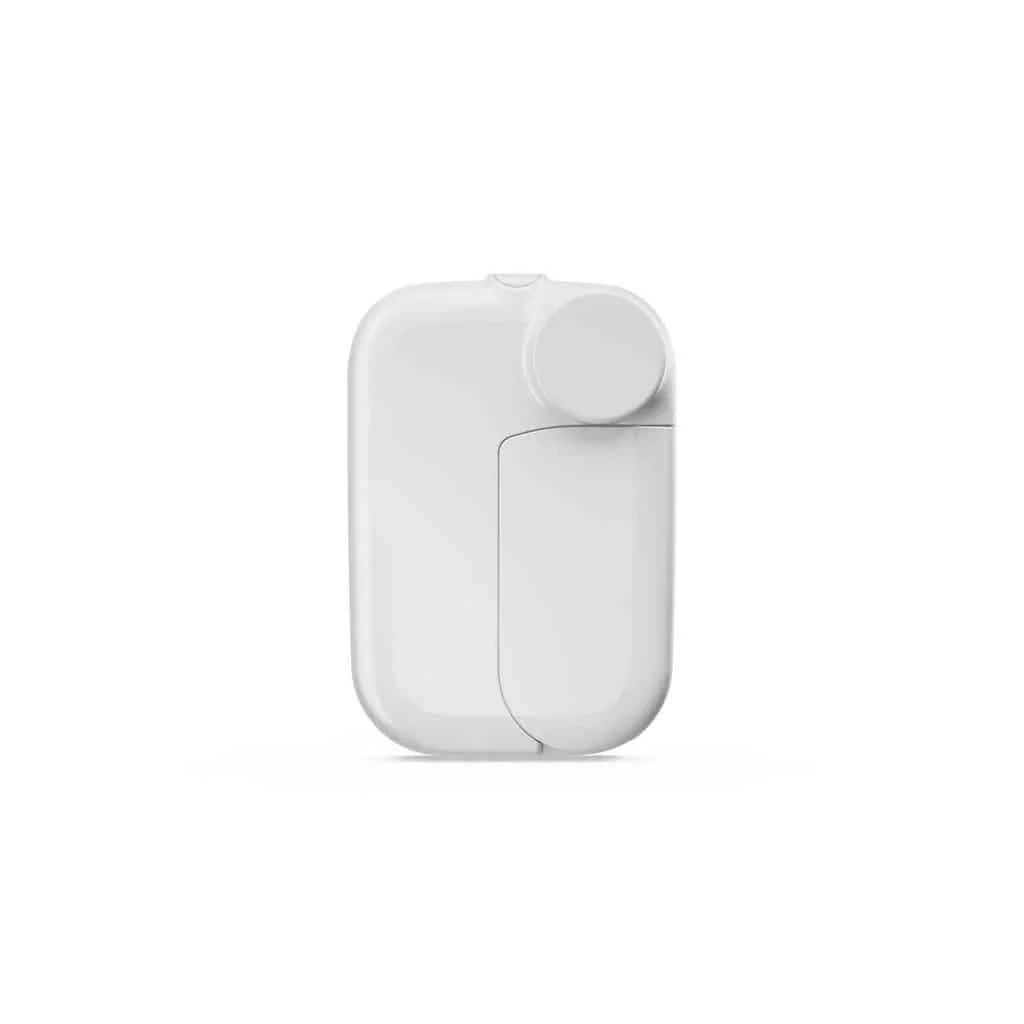
In a major move for the diabetes technology sector, MiniMed announced on November 16 that the U.S. Food and Drug Administration (FDA) has cleared the MiniMed Fit™, the world’s first tubeless insulin pump designed for up to seven days of continuous wear. This clearance arrived ahead of schedule, positioning the company to compete aggressively in the growing tubeless pump market, which has been largely dominated by a single player for years.
The MiniMed Fit is engineered to bridge the gap between the convenience of tubeless "patch" pumps and the sophisticated automation found in traditional durable pumps. The system integrates MiniMed’s proprietary SmartGuard™ technology, an automated insulin delivery (AID) algorithm that adjusts insulin dosing based on real-time sensor data to keep blood sugar levels within a target range.
Key Technological Innovations
The MiniMed Fit introduces several features intended to reduce the "diabetes burden"—the cumulative mental and physical effort required to manage the disease.

- Extended Wear Time: Most existing tubeless pumps require replacement every 2.5 to 3 days. The MiniMed Fit’s seven-day wear cycle effectively halves the number of site changes required by patients.
- High Reservoir Capacity: With a 300-unit insulin capacity, the device is 50% larger than many competitors, making it a viable option for individuals with higher insulin requirements, particularly those with Type 2 diabetes.
- Sensor Integration: At launch, the pump will be compatible with two sensors: the Simplera Sync™ (7-day wear) and the Instinct™ by Abbott (up to 15-day wear).
- Smartphone Control: The system is fully controllable via compatible iOS and Android devices, allowing for discreet bolusing and monitoring.
Market Strategy and Rollout Timeline
The FDA clearance covers individuals aged seven and older with either Type 1 or Type 2 diabetes. MiniMed CEO Que Dallara emphasized that the company’s strategy involves utilizing the pharmacy channel to increase accessibility.
The commercial rollout is planned in phases. An "early customer experience" phase is slated for the fourth quarter of MiniMed’s fiscal year 2027, followed by a full U.S. launch in the spring of 2027. This timeline allows the company to scale manufacturing capacity and finalize commercial infrastructure to meet the anticipated high demand for a 7-day tubeless solution.
PolarityBio’s SkinTE Receives Priority Review for Diabetic Foot Ulcers
PolarityBio® announced that the FDA has accepted its Biologics License Application (BLA) for SkinTE®, an autologous cutaneous multicellular biologic intended for the treatment of Wagner Grade 1 diabetic foot ulcers (DFUs). In a significant win for the company, the FDA granted the application Priority Review, setting a Prescription Drug User Fee Act (PDUFA) action date of March 16, 2027.
Diabetic foot ulcers represent one of the most severe complications of diabetes, often leading to chronic infections and, in many cases, lower-limb amputation. Wagner Grade 1 ulcers are characterized by superficial involvement of the skin without deeper tissue infection. Despite standard care, many of these ulcers remain non-healing for months or years.
The Science Behind SkinTE
SkinTE is a "first-in-class" regenerative therapy. Unlike traditional skin substitutes or cadaver-derived grafts, SkinTE is autologous, meaning it is derived from a small sample of the patient’s own healthy skin. The company’s proprietary process harvests the full complement of multicellular units—including keratinocytes, fibroblasts, and skin appendages—and processes them into a product that can be applied back to the wound to facilitate functional skin regeneration.
The BLA submission is anchored by data from the COVER DFUS II pivotal Phase III trial. This study randomized 120 patients to receive either SkinTE plus standard of care (SOC) or SOC alone. The primary endpoint was complete wound closure within 12 weeks.
- Efficacy: The study met its primary endpoint, showing a statistically significant improvement in closure rates for the SkinTE group.
- Safety: The addition of SkinTE was associated with a reduction in adverse events compared to the control group.
- Durability: Participants were followed for 24 weeks to ensure the stability of the healed tissue.
Regulatory and Reimbursement Context
The grant of Priority Review shortens the FDA’s review goal from ten months to six months. This designation is reserved for therapies that offer significant improvements in safety or effectiveness for serious conditions. SkinTE has also received Regenerative Medicine Advanced Therapy (RMAT) and Breakthrough Therapy designations.

Beyond clinical efficacy, PolarityBio is navigating a complex reimbursement environment. Following Medicare changes in early 2026, the regulatory pathway of a product has become a primary determinant of payment. By pursuing a BLA (the pathway for biological products) rather than a 510(k) or PMA (device pathways), SkinTE is positioned to receive separate payment under Medicare Part B. This is a critical factor for adoption in wound care clinics, where reimbursement stability often dictates treatment availability.
Broader Impact on the Endocrine Sector
The simultaneous advancement of these three distinct technologies highlights a broader trend in endocrinology: the move toward precision medicine and long-acting solutions.
In the case of Amylyx, the focus is on a rare but life-altering complication of a common surgery. By targeting the GLP-1 receptor with an antagonist, they are providing a physiological solution to a physiological problem, potentially sparing thousands of patients from the fear of sudden, severe hypoglycemia.
The MiniMed Fit represents the ongoing evolution of the "artificial pancreas" concept. By extending the wear time to seven days and removing the infusion set tubing, the industry is moving closer to a "set it and forget it" model of diabetes management, which is essential for reducing the mental fatigue associated with the disease.
Finally, PolarityBio’s progress with SkinTE underscores the increasing role of regenerative medicine in managing the long-term complications of metabolic disease. As the global prevalence of diabetes continues to rise, the ability to heal chronic wounds efficiently will be paramount in reducing the economic and human costs of the disease.
As these products move toward their respective launch dates and regulatory decisions in 2027, the endocrine community anticipates a significant shift in the standard of care for both glucose management and the treatment of secondary diabetic complications. The data presented this week suggests that the next generation of endocrine therapies will be defined by their ability to integrate seamlessly into patients’ lives while providing robust, clinically validated protection against the most severe aspects of metabolic dysfunction.