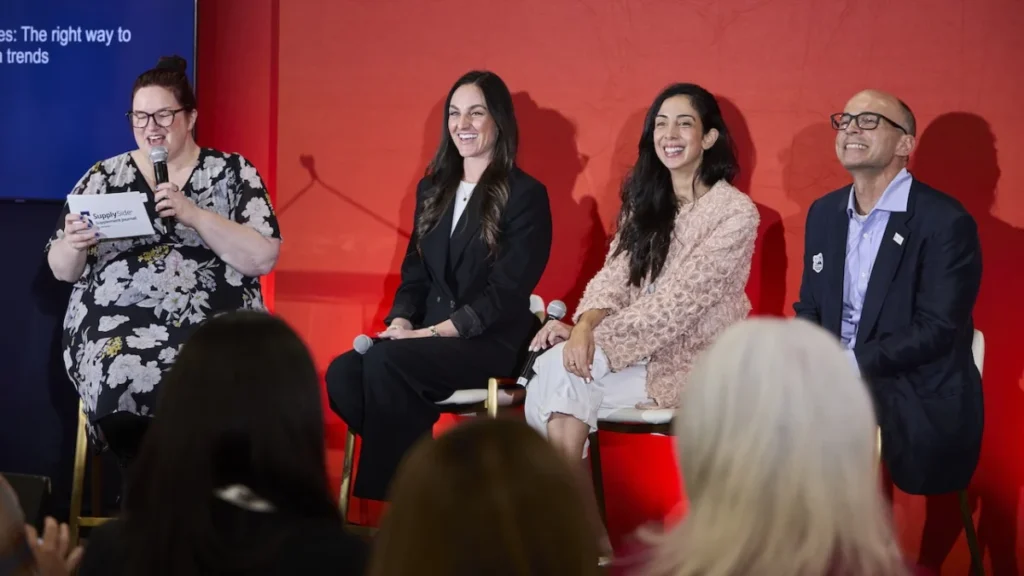
The pervasive influence of social media is fundamentally reshaping numerous global industries, and the dietary supplement market is a prime example of this transformative power. Trends dictated by influencers and online discourse are now a significant force driving the sector’s direction, posing a complex challenge for brands and ingredient suppliers seeking to understand and adapt to this dynamic environment. This critical issue was recently explored in depth at SupplySide Global, a prominent event for the nutrition and health industries, where a panel of experts convened to dissect the intricate interplay between social media, consumer behavior, and scientific validation. Three pivotal insights emerged from this crucial discussion, offering a roadmap for navigating the modern supplement marketplace.
SupplySide Global: A Hub for Industry Innovation and Dialogue
SupplySide Global, held annually, serves as a critical nexus for professionals across the dietary supplement, functional food, and beverage industries. It is a premier platform for ingredient innovation, market intelligence, and networking. The event brings together manufacturers, suppliers, brand owners, researchers, and regulatory experts to discuss the latest scientific advancements, market trends, and business strategies. The discussions held at SupplySide Global often set the tone for industry-wide conversations and inform strategic decisions for the coming years. The panel focused on the impact of social media, a particularly timely subject given the exponential growth of online content creation and its direct influence on consumer purchasing decisions in the health and wellness sector.

Influencers: The Crucial Conduit Between Scientific Discovery and Consumer Understanding
One of the most significant takeaways from the SupplySide Global panel was the indispensable role of social media influencers in bridging the often-wide chasm between complex scientific research and the everyday consumer. Talia Shavit, Head of Commerce at TikTok, articulated this point with clarity, emphasizing that the impact of creators and influencers extends far beyond direct sales figures. She defines creators and influencers as individuals who generate social media content pertaining to products, and their influence is multifaceted.
"Creators and influencers are shaping the conversation around specific topics, industries, and even ingredients," Shavit stated. "They are the ones who are bridging the gap between the science and the consumer." This direct connection is something that brands and ingredient suppliers, despite their scientific expertise, often lack. In an era where information is rapidly disseminated and consumed digitally, influencers possess an innate ability to translate technical information into relatable narratives, build trust, and foster community engagement. Their authenticity, or perceived authenticity, allows them to connect with audiences on a personal level, making them powerful conduits for product information and health education.
Shavit further elaborated on the strategic advantage of collaborating with influencers. She highlighted that brands can leverage an "army of creators" to tap into diverse and niche communities, thereby expanding their reach and understanding of varied consumer demographics. Crucially, these creators also serve as invaluable resources for identifying emerging trends before they become mainstream. The speed at which trends materialize and evolve on platforms like TikTok necessitates a proactive approach.
"The main thing is to identify consumer behavior and try to look a few steps further," Shavit advised. "It’s not just about locating trends—it’s about understanding consumer behavior, trying to predict the following (actions), and act fast." This forward-thinking strategy requires ongoing monitoring of social media conversations, engagement patterns, and the content generated by influencers themselves. The ability to anticipate consumer needs and preferences based on these digital signals can provide a significant competitive edge.
The year-over-year growth in influencer marketing spending underscores its significance. Industry reports consistently show a double-digit percentage increase in global influencer marketing budgets, with the health and wellness sector being a major contributor. This financial commitment reflects the industry’s recognition of influencers not just as marketing channels, but as integral partners in consumer engagement and market insight. For instance, a significant portion of consumers report making purchasing decisions based on recommendations from influencers they follow, particularly within categories like supplements, fitness, and nutrition.
Science as the Validator, Not the Chaser, of Trends
While influencers are instrumental in disseminating information, the integrity and efficacy of the products themselves rely on robust scientific backing. Brittany Johnson, Ph.D., Business Development Manager at FutureCeuticals, stressed the critical distinction between using science to validate emerging trends and allowing trends to dictate scientific claims. The industry’s long-term credibility hinges on this principle.
"We can’t change the science to make the sale, but we can create the science to encourage a sale," Dr. Johnson explained. This statement encapsulates a fundamental ethical and scientific imperative. The pursuit of sales should never compromise scientific accuracy or lead to the misrepresentation of product benefits. Instead, the scientific community and R&D departments within companies should actively investigate promising trends and develop products that are supported by evidence.
Dr. Johnson cautioned against the pervasive discrepancies that often exist between popular trends and the scientific evidence available to support them. The rapid pace of social media can amplify unsubstantiated claims, creating a market driven by hype rather than verifiable benefits. This is where rigorous scientific research and development become paramount.
"It takes really good research and development teams to look at the science and be able to bridge that gap," she asserted. "I think that’s where science plays a huge role in creating formulas aligned with trends." This involves not only understanding the existing scientific literature but also potentially commissioning new studies to rigorously test the efficacy and safety of ingredients and formulations. The ability to translate complex scientific findings into understandable language, without overstating claims, is a crucial skill for R&D professionals.
Furthermore, transparency with consumers is non-negotiable. Dr. Johnson recommended that brands be forthright about what scientific research confirms and what remains to be investigated. This builds trust and manages consumer expectations, preventing potential disappointment and safeguarding the brand’s reputation. In an environment where consumers are increasingly discerning and information-rich, honesty about scientific limitations is a hallmark of responsible brand building.
The implications of this approach are far-reaching. Companies that prioritize science-backed product development are better positioned to withstand regulatory scrutiny and build enduring consumer loyalty. A study published in the Journal of Consumer Research found that transparency regarding product efficacy and scientific evidence significantly enhances consumer trust and purchase intent in the long run, even if the claims are more conservative. Conversely, brands that chase trends without scientific validation risk damaging their credibility and facing potential legal repercussions.
Ethical Wordsmithing: The Art of Compliant Marketing in a Digital Age
Navigating the regulatory landscape while effectively communicating product benefits is perhaps one of the most significant challenges in the dietary supplement industry. The inherent tension between marketing aspirations and legal compliance, especially concerning scientific claims, requires a delicate balance. Asa Waldstein, Principal at Apex Compliance, aptly described this challenge as "the art of ethical wordsmithing."
"How do we take clinical data and translate it ethically, without misleading the consumer, into compliant marketing?" Waldstein posed this critical question, highlighting the complex task of communicating scientific findings in a way that is both persuasive and legally sound. The phrase "clinically proven," once a common marketing term, now carries significant legal weight and can even invite future litigation if not meticulously supported by robust and relevant clinical trials.
Waldstein also underscored a crucial point for brands operating in the digital sphere: regulatory bodies often consider influencer content and social media conversations associated with a brand as an extension of its marketing efforts. This means that statements made by influencers, even if not directly scripted by the brand, can be attributed to the company.
"I see a lot of (companies) working with influencers to build the script; they’ll upload their brand voice, their approved claims, and co-build the influencer script for social media posts together," he observed. This collaborative approach is essential for ensuring that influencer content remains compliant. By working closely with influencers to craft messaging that aligns with approved claims and scientific evidence, brands can mitigate the risk of regulatory violations and maintain a consistent brand message.
The evolution of regulatory enforcement, particularly from agencies like the U.S. Food and Drug Administration (FDA) and the Federal Trade Commission (FTC), has placed greater emphasis on the accuracy and substantiation of marketing claims, regardless of the platform. This heightened scrutiny necessitates a proactive and diligent approach to content creation, especially in the rapidly evolving social media environment. Companies that invest in compliance training for their marketing teams and influencer partners are better equipped to navigate this complex terrain.
The implications of ethical wordsmithing extend to consumer perception. When brands communicate clearly and honestly about the science behind their products, they build a foundation of trust that can withstand market fluctuations and competitive pressures. Conversely, misleading or exaggerated claims can quickly erode consumer confidence, leading to brand damage and potential financial losses. The long-term success of any dietary supplement brand hinges on its ability to communicate its value proposition truthfully and responsibly.
Influencers: An Opportunity, Not Merely a Liability
In closing remarks, the speaker drew a parallel to a previous observation made during a women’s health panel, where hormones were reframed from a liability to an opportunity. This perspective, the speaker believes, is equally applicable to the role of influencers in the dietary supplement market.
"I believe the same is true for influencers," the speaker stated. When approached with a commitment to scientific integrity and consumer education, influencers and creators can become powerful allies in disseminating accurate information about the benefits and potential of dietary supplements. While acknowledging the inherent risks of misinformation and the potential for influencers to fail in providing quality education, the overarching message was one of opportunity.
"Yes, influencers can propagate misinformation and fail to provide quality education to consumers. But they provide a tremendous opportunity for brands and ingredient companies to position their products truthfully and backed by science, if they are willing to put in the work," the speaker concluded. This "work" entails strategic partnership, clear communication, robust training, and ongoing oversight.
The potential for influencers to amplify the reach of science-backed health information is immense. By collaborating with credible influencers who are committed to ethical communication and scientific accuracy, brands can effectively educate consumers, foster healthy habits, and promote the responsible use of dietary supplements. This proactive engagement can transform a perceived challenge into a significant strategic advantage, ensuring that the burgeoning dietary supplement market continues to grow on a foundation of trust, transparency, and scientific validity. The future of the industry will undoubtedly be shaped by how effectively brands can harness the power of social media while upholding the highest standards of scientific integrity and consumer protection.