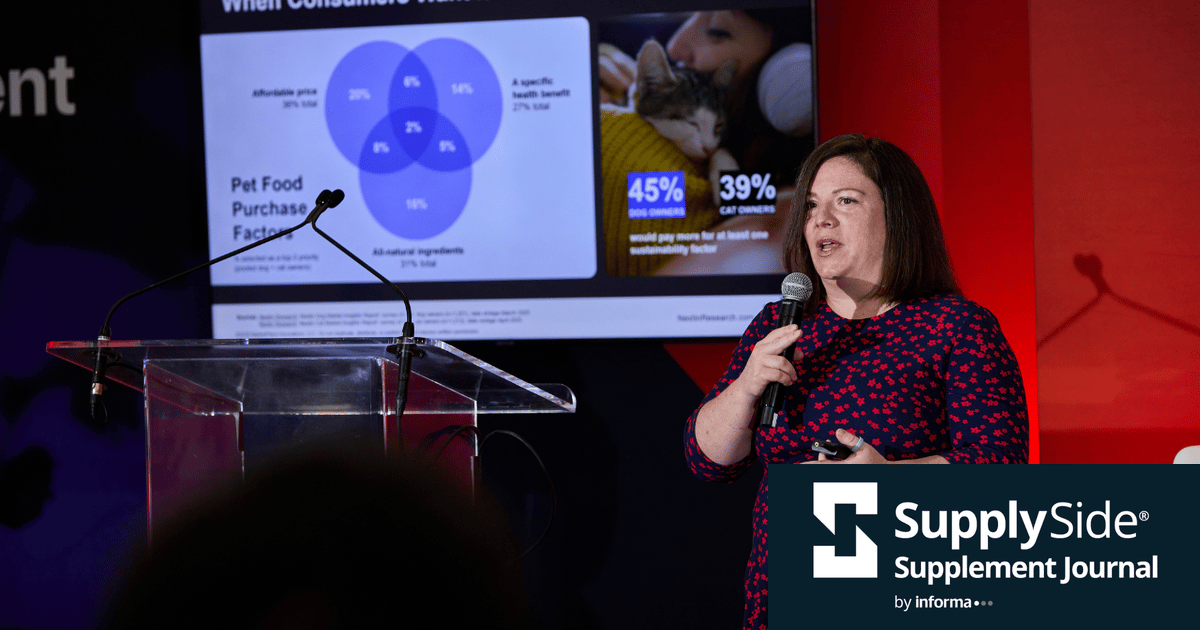
The burgeoning pet supplement market, now estimated to exceed $5 billion, is no longer a niche segment. It has rapidly matured, mirroring the trajectory of its human counterpart in structure, ingredient innovation, and even its reliance on scientific validation. This parallel evolution was a central theme at the recent SupplySide Global event, specifically during the insightful session titled "Barking Up the Right Tree: Pet Nutrition Trends and the Science Gap." The discussion, featuring market trend data from Nicole Hill of MarketPlace and an update on the state of pet clinical research from Susanne Mitschke of Citruslabs, illuminated the increasingly intertwined relationship between the pet and human wellness industries.
SupplySide Global, a premier event for the health and nutrition industries, convenes manufacturers, suppliers, researchers, and marketers to explore the latest innovations, market trends, and scientific advancements. This year’s focus on pet nutrition underscored a significant shift: the recognition that advancements in human wellness are not only inspiring but actively informing the development of products for our animal companions. The "Barking Up the Right Tree" session served as a critical forum for dissecting this dynamic, highlighting how both sectors are collaboratively, albeit indirectly, driving research and product development.
Consumer Demand: A Shared Blueprint for Wellness
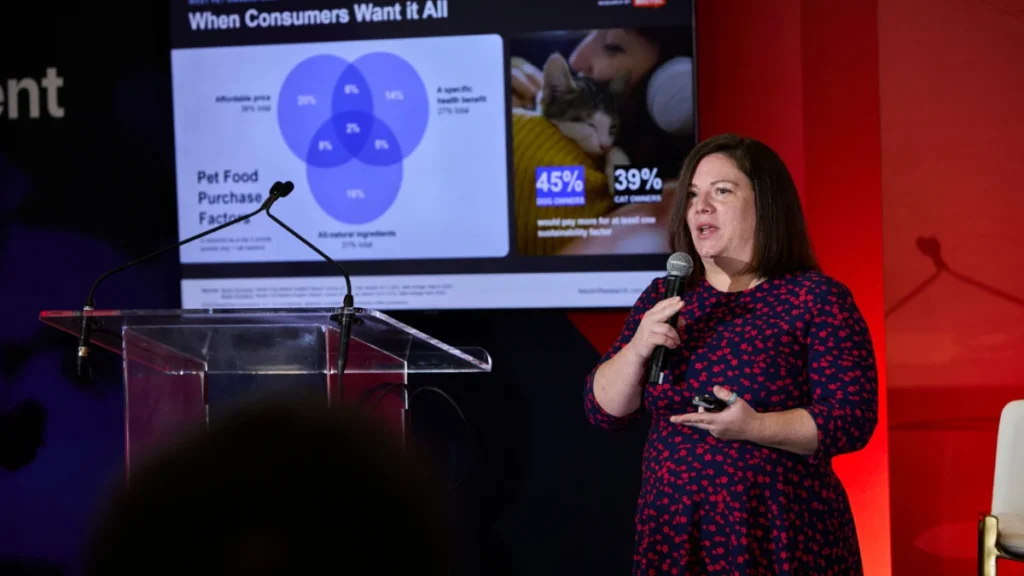
Nicole Hill’s presentation revealed a compelling consumer behavior in the pet sector that directly echoes trends observed in human supplementation. Pet owners are increasingly adopting a "format stacking" approach, combining traditional pet food with specialized toppers and dedicated supplements. This strategy mirrors the human consumer’s practice of curating personalized supplement regimens to address specific health concerns. The primary drivers of this demand, according to Hill’s data, are remarkably consistent across both species: gut health, joint mobility, cognitive function and longevity support, and weight management.
"We’re seeing a clear parallel in how consumers approach health and wellness for themselves and for their pets," stated Hill during the session. "The desire for proactive health management, for addressing specific concerns like joint discomfort or cognitive decline, is universal. Pet owners are actively seeking out products that can deliver these benefits, and they are willing to invest in them."
This convergence of consumer interest creates a fertile ground for ingredient innovation. As ingredients gain traction in the human market, their potential application in pet supplements becomes a logical next step. This has led to a rapid adoption of trends, often with a slight delay, as the pet industry assesses efficacy and consumer acceptance.
The Science Gap: Bridging the Divide with Rigor
While consumer demand is robust, the scientific substantiation for pet supplements is still in a phase of rapid development, as outlined by Susanne Mitschke. She emphasized that the "science gap" in the pet sector is not a reflection of a lack of effort but rather a stage of maturity. Mitschke cautioned against simplistic assumptions about research quality, particularly concerning the perception that only randomized controlled trials (RCTs) constitute high-quality evidence.
"The quality of research is paramount, but it’s crucial to understand what constitutes quality," Mitschke explained. "A poorly designed RCT can be less informative than a well-executed single-arm clinical study. The true measure of quality lies in the rigor of the methodology, the clarity of the endpoints, and the integrity of the data collected, rather than solely relying on the study design’s label."
Mitschke estimated that the pet health research landscape currently lags approximately eight years behind that of human health and wellness research. This timeline is comparable to where human clinical research stood before the widespread adoption of robust, evidence-based studies became the industry standard. However, she also identified this period as a critical inflection point. "We are witnessing an increasing number of pet health companies investing in rigorous research and developing products that are genuinely clinically backed, moving away from loosely substantiated claims," she noted.
This shift is particularly evident in the types of research being conducted. While RCTs are gaining traction, there’s also a growing appreciation for other study designs that can provide valuable insights. For instance, owner-perception studies, when designed and executed meticulously, can offer significant data on the real-world impact of supplements on pets’ quality of life. The emphasis is moving towards understanding not just the physiological changes but also the observable improvements in a pet’s well-being from the owner’s perspective.
Ingredient Trends: A Mirror Image with a Time Lag
The cyclical nature of ingredient trends is another striking parallel between the human and pet supplement industries. Both sectors are susceptible to "fast fashion" ingredient adoption, driven by consumer buzz and emerging scientific interest. Mitschke drew a direct comparison, citing the trajectories of ingredients like CBD, protein, creatine, and the current widespread focus on the microbiome. These ingredients, after demonstrating promise and gaining consumer acceptance in the human market, have systematically found their way into pet supplement formulations.
"The process is often similar: an ingredient gains significant attention in human wellness, supported by early research or anecdotal evidence. Then, the pet industry observes this trend, conducts its own investigations, and begins to incorporate it into pet products," Mitschke elaborated. "This creates a dynamic where the pet market essentially follows the innovation curve of the human market, but with a discernible time lag."
The current emphasis on the microbiome is a prime example. Just as human consumers are increasingly aware of the gut-brain axis and its impact on overall health, pet owners are beginning to understand the profound connection between gut health and a pet’s well-being. Hill highlighted the growing linkage between a pet’s gut health and the condition of its coat, a testament to the exploration of the gut-skin axis, a concept well-established in human dermatology and nutrition. This holistic approach, recognizing that seemingly disparate health aspects are interconnected, is a hallmark of advanced wellness thinking and is now firmly taking root in the pet sector.
The Rise of Clinical Trials in Pet Supplements
A significant development noted during the session was the observed uptick in randomized controlled trials (RCTs) within the pet supplement space, particularly over the last 12 months. Susanne Mitschke pointed out that these more rigorous studies are increasingly being undertaken by well-funded, established brands, distinguishing them from smaller, bootstrapped companies that may still be relying on less robust forms of evidence.
"We have definitely seen an uptick specifically in the last 12 months with RCTs in the pet supplement space, in particular specifically with well-funded brands versus bootstrapped brands," Mitschke stated. This trend suggests a maturing market where companies are willing to invest substantial resources into generating high-quality clinical data to support their product claims. This investment is likely driven by a combination of factors: increased competition, a more discerning consumer base, and a desire to establish long-term credibility and market leadership.
The implications of this growing investment in clinical research are far-reaching. For consumers, it means a greater assurance of product efficacy and safety. For the industry, it signifies a move towards greater standardization and a stronger scientific foundation, potentially paving the way for more nuanced regulatory frameworks and a more sophisticated marketplace. As more pet supplement brands commit to rigorous clinical testing, the industry will likely see a consolidation of scientifically validated products and a clearer distinction between genuine innovations and those with less demonstrable benefits.
Broader Implications and Future Outlook
The symbiotic relationship between the pet and human supplement industries has profound implications for both sectors and for the broader landscape of health and wellness. The shared pursuit of consumer trends and the increasing demand for scientific validation create a virtuous cycle of innovation and improvement.
For the human supplement industry, the success and evolving research methodologies in the pet sector can offer valuable insights. The rapid adoption of novel ingredients and delivery systems in pet products, for instance, can sometimes precede or complement trends in human wellness. Furthermore, the direct and observable benefits often seen in companion animals can serve as powerful anecdotal evidence that can inspire further research and consumer interest in similar ingredients for humans.
For the pet industry, the established research infrastructure and decades of scientific inquiry in human nutrition provide a valuable blueprint. By learning from the successes and challenges of the human market, pet supplement companies can accelerate their own development, avoid common pitfalls, and build a more robust and credible industry. The growing investment in clinical trials is a clear indicator that the pet sector is not content to simply follow; it is actively striving to contribute its own unique scientific knowledge.
The convergence of consumer demand for natural, science-backed wellness solutions for both humans and pets is a defining characteristic of the current market. As the pet supplement industry continues to mature, its reliance on and contribution to scientific research will only deepen. The insights gleaned from sessions like "Barking Up the Right Tree" at SupplySide Global underscore that the future of wellness, for all species, is increasingly intertwined with a commitment to rigorous scientific investigation and a keen understanding of evolving consumer needs. The lessons learned and the partnerships forged, even by proxy, are setting a new standard for how we approach health and longevity for our beloved companions and ourselves.