The ketogenic diet, characterized by a drastic reduction in carbohydrate intake and a corresponding increase in fat consumption, prompts a fundamental metabolic shift within the body. This transition moves the primary energy source from glucose (derived from carbohydrates) to ketones (produced from fat breakdown), a state known as ketosis. While often lauded for its potential benefits in weight management, blood sugar control, and cognitive function, this dietary paradigm can also introduce unique nutritional demands and challenges. Consequently, a range of dietary supplements has emerged to support individuals embarking on or maintaining a ketogenic lifestyle, aiming to bridge potential nutrient gaps, mitigate transitional discomforts, and optimize overall well-being.
Understanding the Ketogenic Shift and Its Nutritional Implications
The ketogenic diet typically involves consuming less than 50 grams of carbohydrates per day, with moderate protein and high fat intake. This macronutrient distribution forces the liver to convert fat into fatty acids and then into ketone bodies—beta-hydroxybutyrate (BHB), acetoacetate, and acetone—which then serve as an alternative fuel source for the brain and muscles. While this metabolic adaptation is central to the diet’s efficacy, it can present an initial adjustment period, commonly referred to as the "keto flu." Symptoms such as fatigue, headaches, muscle cramps, irritability, and brain fog are often experienced as the body depletes its glycogen stores and adapts to burning fat for fuel. These symptoms are primarily attributed to electrolyte imbalances and dehydration, as reduced insulin levels lead to increased excretion of water and sodium.

Beyond the initial adaptation, the restrictive nature of the ketogenic diet, which often limits fruits, starchy vegetables, and certain grains, can inadvertently lead to deficiencies in essential vitamins and minerals. Ensuring adequate intake of micronutrients becomes crucial for long-term adherence and health optimization. For active individuals, those new to keto, or those struggling to meet specific nutrient targets through food alone, carefully selected supplements can play a supportive role in maintaining energy levels, enhancing physical performance, and sustaining the diet’s benefits.
Key Supplements Supporting a Ketogenic Lifestyle
A variety of supplements are frequently recommended within the ketogenic community, each targeting specific physiological processes or potential dietary shortcomings.
1. Exogenous Ketones: Accelerating the Transition and Boosting Energy
When an individual follows a ketogenic diet, their liver naturally produces ketone bodies, known as endogenous ketones, from the breakdown of fat. Exogenous ketones, by contrast, are ketone bodies supplied directly to the bloodstream through oral supplementation, typically in the form of beta-hydroxybutyrate (BHB) salts or esters. These supplements are designed to temporarily elevate blood ketone levels, offering a rapid surge of energy that can be particularly beneficial during the initial phases of the diet or before strenuous physical activity.
Research indicates that exogenous ketones can help alleviate symptoms of the "keto flu" by providing an immediate fuel source, thereby smoothing the transition into nutritional ketosis. Furthermore, some studies suggest that these supplements may contribute to appetite suppression by influencing ghrelin, the hunger hormone. While exogenous ketones can induce a state of ketosis, it is crucial to understand that they do not directly accelerate fat loss. Their primary utility lies in supporting the body’s adaptation and providing an energy boost, rather than acting as a shortcut for weight management. Typical effective doses range from 6-12 grams for BHB salts and 20-25 grams for BHB esters in controlled trials. Consumers are advised to select products free from unnecessary fillers, binders, or hidden carbohydrates that could disrupt ketosis.
2. MCT Oil and Powder: Rapid Fuel for Brain and Body
Medium-chain triglycerides (MCTs) are a unique type of saturated fat that differs from long-chain triglycerides (LCTs) in their metabolic pathway. Unlike LCTs, which require bile for digestion and are transported through the lymphatic system, MCTs are rapidly absorbed and transported directly to the liver. Here, they are quickly converted into ketones, making them an efficient and readily available energy source for both the brain and muscles. This rapid conversion capacity allows MCTs to quickly elevate ketone levels, providing a sustained energy boost and enhancing mental clarity.
Commonly found in coconut oil, butter, and certain dairy products, MCTs are often consumed as concentrated supplements in oil or powder form. Many individuals incorporate MCT oil or powder into their morning coffee, smoothies, or shakes to enhance satiety and provide a steady stream of energy. MCT powder is often preferred by those with sensitive digestive systems, as it tends to be gentler than MCT oil and mixes more easily into beverages. However, it is advisable to start with a small dose (e.g., one teaspoon) and gradually increase to avoid potential gastrointestinal discomfort. Sourcing MCTs from pure coconuts and ensuring the absence of added sugars or artificial ingredients are key considerations for optimal benefit.
3. Collagen: Supporting Structural Integrity and Gut Health
Collagen, the most abundant protein in the human body, serves as the primary structural component of skin, hair, nails, joints, bones, and connective tissues. Despite its omnipresence, modern diets often lack sufficient collagen, even with the inclusion of collagen-rich foods like bone broth and quality meats. Supplementing with grass-fed collagen provides essential amino acids, particularly glycine, proline, and hydroxyproline, which are crucial for the body’s natural collagen synthesis.
The benefits of collagen supplementation extend beyond superficial improvements, encompassing joint comfort, muscle health, and the integrity of connective tissues. Collagen peptides are highly bioavailable, meaning they are easily absorbed and utilized by the body. Research suggests that collagen can play a role in reducing inflammation and aiding in the repair of stressed cells. When combined with MCTs, as found in some specialized supplements, collagen becomes an even more valuable addition to a ketogenic diet. This combination not only supports the body’s structural health but also provides sustained energy and promotes smoother ketosis, all while maintaining a low impact on blood sugar levels.
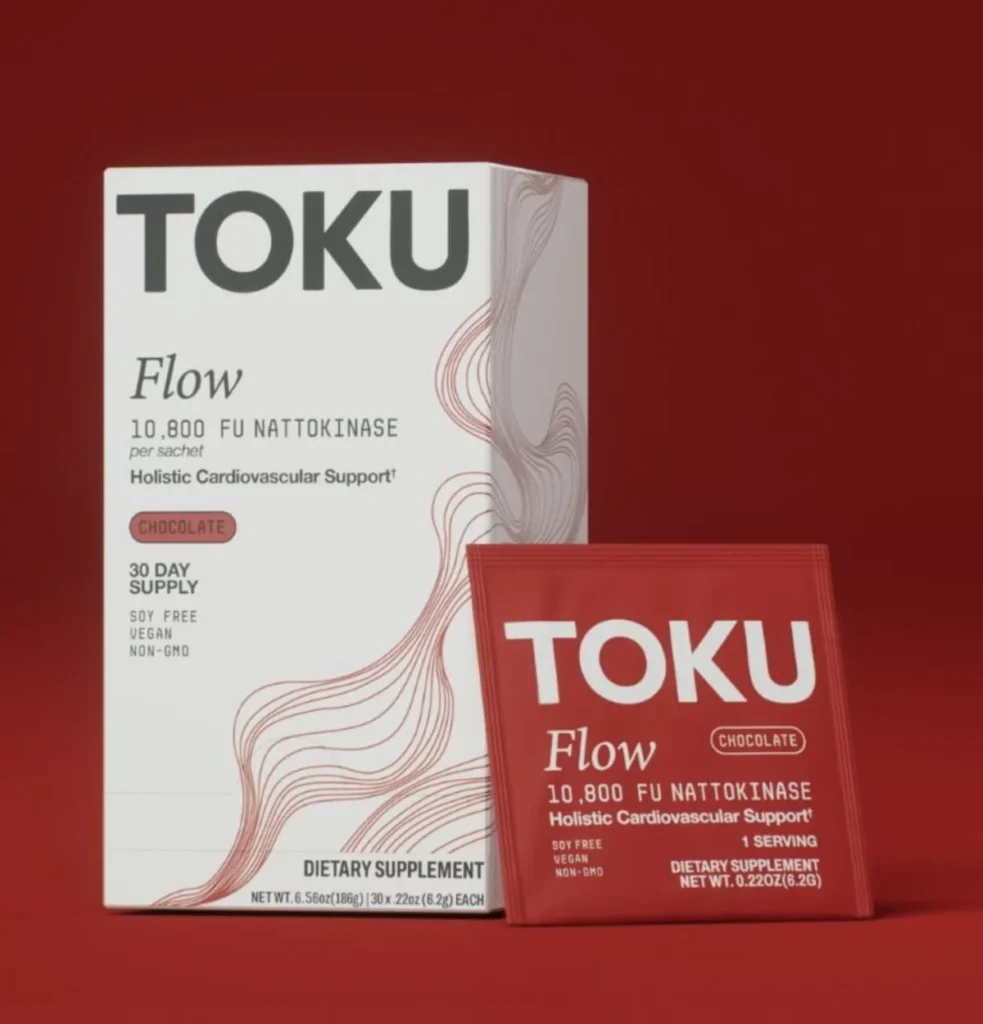
4. Toku Flow (Nattokinase): Enhancing Cardiovascular Wellness
Maintaining optimal blood circulation is paramount for overall health, particularly within a ketogenic lifestyle where fat intake is significantly higher. Efficient circulation ensures that nutrients are delivered effectively, metabolic waste products are cleared, and inflammation is managed. Toku Flow, a daily powdered supplement, focuses on promoting clear and efficient blood flow through its key ingredient, nattokinase.
Nattokinase is a potent natural enzyme derived from natto, a traditional Japanese fermented soybean dish. It has garnered significant attention for its cardiovascular benefits, particularly its fibrinolytic activity, meaning its ability to break down fibrin, a protein involved in blood clot formation. A comprehensive 12-month clinical study involving over 1,000 participants demonstrated compelling results with a daily dose of 10,800 FU (fibrinolytic units) of nattokinase combined with 180 mcg of Vitamin K2. Participants experienced a remarkable 39.1% improvement in coronary plaque health, a 25% increase in carotid artery flexibility, and reductions in total cholesterol and triglycerides. These findings underscore the importance of adequate nattokinase dosage, as many commercially available supplements contain only 2,000 FU per serving, potentially limiting their therapeutic efficacy. Nattokinase, therefore, represents an excellent companion to a ketogenic diet, supporting long-term vitality and robust cardiovascular health by ensuring that blood flows smoothly, delivering vital nutrients to organs and muscles while efficiently removing waste.
5. Electrolytes: Counteracting "Keto Flu" and Maintaining Hydration
Electrolytes are indispensable minerals—such as sodium, potassium, magnesium, and calcium—that carry an electric charge when dissolved in body fluids. They are vital for numerous physiological processes, including nerve impulse transmission, muscle contraction, fluid balance, and maintaining stable energy levels. On a ketogenic diet, the body’s electrolyte balance is particularly vulnerable. As insulin levels decrease due to carbohydrate restriction, the kidneys excrete more water and sodium. This increased diuresis leads to a rapid loss of essential electrolytes, often contributing to the debilitating symptoms of the "keto flu," including muscle cramps, headaches, brain fog, fatigue, and digestive issues. The consumption of alcohol can further exacerbate this effect, necessitating even greater attention to hydration and electrolyte replenishment.
Replenishing electrolytes is critical for preventing these symptoms and supporting proper hydration and recovery. Dietary sources include avocados, leafy green vegetables, and salmon, but many individuals find supplementation to be a more convenient and consistent method. Recommended daily amounts vary by individual factors like age, sex, and activity level. For example, adult males typically require around 3,400 mg of potassium per day, while adult females need approximately 2,600 mg. The upper recommended limit for sodium intake is generally 2,300 mg per day. Individuals with pre-existing conditions like kidney disease or high blood pressure should consult their healthcare provider before significantly increasing electrolyte intake, as imbalances can pose risks.
6. Omega-3 Fatty Acids (Fish or Krill Oil): Balancing Fats and Reducing Inflammation
Omega-3 fatty acids, particularly eicosapentaenoic acid (EPA) and docosahexaenoic acid (DHA), are polyunsaturated fats essential for optimal heart, brain, and metabolic health. While the ketogenic diet is high in fats, it’s crucial to distinguish between different types of fats. A common challenge on keto can be achieving a healthy balance between omega-3 and omega-6 fatty acids. The diet often includes higher intakes of omega-6 rich foods like nuts, seeds, and certain oils, which, if not balanced by sufficient omega-3s, can contribute to systemic inflammation.
Maintaining an optimal omega-3 to omega-6 ratio is vital for supporting healthy cholesterol levels, reducing inflammation, and ensuring smooth metabolic function. For individuals who do not regularly consume fatty fish such as salmon, sardines, or mackerel, supplementation with fish oil or krill oil becomes important. Both fish oil and krill oil provide EPA and DHA. However, krill oil also contains astaxanthin, a powerful antioxidant that protects the omega-3s from oxidation and may enhance their bioavailability. A general recommendation for overall health is 250-500 mg of combined EPA and DHA daily, with higher doses (1,000-3,000 mg) potentially offering additional benefits for cardiovascular health and metabolic syndrome risk reduction.
7. Protein Powders: Muscle Preservation and Satiety
Despite its emphasis on fat, adequate intake of high-quality protein is fundamental to a ketogenic diet. Protein is essential for maintaining lean muscle mass, supporting recovery after physical exertion, and promoting satiety, which can aid in appetite control. For those engaging in resistance training, sufficient protein intake is critical for maximizing muscle repair, growth, and overall athletic performance.
Keto-friendly protein supplements include whey protein isolate, collagen peptides, and various plant-based protein powders (e.g., pea, hemp). Whey protein isolate is known for its rapid digestion and rich amino acid profile, making it an excellent choice for post-workout recovery. Collagen peptides, as discussed, offer benefits for joint health, connective tissue, and gut integrity. Combining different protein sources can ensure a more complete amino acid profile. Experts generally recommend a daily protein target range of 1.2-2.0 grams per kilogram of body weight, depending on activity levels and individual goals. To optimize recovery, aiming for 20-40 grams of protein within one to two hours after exercise is often advised. When selecting protein powders, it is crucial to look for low-carb, unsweetened formulas devoid of fillers or added sugars to ensure they align with ketogenic principles.
8. Nootropic Blends: Enhancing Cognitive Function
Many individuals adopting a ketogenic lifestyle report enhanced mental clarity, improved focus, and sustained cognitive energy, often attributed to the brain’s efficient utilization of ketones and the diet’s potential anti-inflammatory effects. For those seeking an additional cognitive edge, nootropic blends, often referred to as "smart drugs," may offer complementary benefits. These supplements are formulated to support various aspects of brain function, including memory, focus, and mental energy.
Common ingredients found in nootropic blends include L-theanine (an amino acid found in green tea), ginkgo biloba, green tea extract, DHA (an omega-3 fatty acid), and MCTs. Research suggests that combinations of these ingredients may improve blood flow to the brain and enhance cognitive function. For instance, L-theanine combined with caffeine (often from green tea) can promote alert relaxation, while DHA is a critical structural component of brain cell membranes. While studies on complex nootropic blends are still evolving and individual responses can vary, they represent an area of interest for keto dieters seeking to optimize their mental performance. When considering nootropics, it is prudent to choose blends that integrate ingredients known to be beneficial for brain health and are free from unnecessary additives.
Selecting Safe and Effective Keto Supplements: A Critical Approach
The supplement industry, unlike pharmaceutical products, is not regulated by the Food and Drug Administration (FDA) in the same stringent manner. This necessitates a cautious and informed approach when selecting any dietary supplement, particularly for a specific dietary regimen like keto. Consumers should prioritize products that demonstrate a commitment to quality, transparency, and safety.
Key considerations include:
- Third-Party Testing: Look for certifications from independent organizations (e.g., NSF International, USP, ConsumerLab.com) that verify product purity, potency, and the absence of contaminants.
- Ingredient Transparency: Opt for brands that clearly list all ingredients, including active compounds and any inactive fillers or excipients. Avoid proprietary blends where individual ingredient amounts are not disclosed.
- No Hidden Carbs or Sugars: Ensure that supplements are specifically formulated for ketogenic diets, meaning they should be low in carbohydrates and free from added sugars, artificial sweeteners (unless keto-friendly like stevia or monk fruit), or other non-keto ingredients that could disrupt ketosis.
- Reputable Manufacturers: Choose products from well-established companies with a history of positive customer reviews and adherence to Good Manufacturing Practices (GMP).
Safety Considerations and Expert Recommendations
Even natural supplements can pose risks, including potential side effects or interactions with medications. It is imperative to approach supplementation with diligence and, ideally, under the guidance of a healthcare professional.
- Consult a Healthcare Provider: Individuals with pre-existing health conditions, those taking prescription medications, or pregnant/nursing women should always consult their doctor or a registered dietitian before initiating any new supplement regimen. This is especially important for conditions like kidney disease, high blood pressure, or diabetes, where certain electrolytes or other supplement ingredients could be contraindicated.
- Adhere to Dosage Guidelines: Always follow the recommended dosage instructions provided by the manufacturer. Exceeding recommended doses, particularly for supplements like MCT oil or exogenous ketones, can lead to gastrointestinal distress (e.g., nausea, diarrhea, bloating). Excessive electrolyte intake can also cause imbalances leading to symptoms like nausea, fatigue, or headaches.
- Monitor for Side Effects: Pay close attention to how your body responds to new supplements. Discontinue use and consult a professional if adverse reactions occur.
- Supplements as Complementary Tools: It is critical to remember that supplements are intended to supplement a healthy diet, not replace it. A well-formulated ketogenic diet rich in whole, nutrient-dense foods remains the cornerstone of health and successful adherence. Supplements serve to fill specific gaps or provide targeted support.
Broader Impact and Implications
The growing popularity of the ketogenic diet has fueled a significant expansion in the keto supplement market. This trend reflects a broader consumer interest in personalized nutrition and functional foods that support specific health goals. While this market growth offers consumers a wider array of choices, it also underscores the importance of regulatory oversight and consumer education to ensure product safety and efficacy. The implications for public health lie in empowering individuals to make informed decisions about their dietary choices and supplement use, moving beyond anecdotal evidence to rely on scientific research and expert guidance.
Conclusion
For many individuals embracing the ketogenic diet, carefully selected supplements can be valuable allies. They can facilitate the challenging initial adaptation phase by mitigating "keto flu" symptoms, support sustained energy levels, enhance cognitive function, aid in muscle maintenance and recovery, and ensure adequate intake of essential micronutrients that might be challenging to obtain solely through food. From exogenous ketones and MCTs that boost ketone production and energy, to electrolytes that combat dehydration and muscle cramps, and omega-3s that balance fat intake and reduce inflammation, each supplement offers targeted benefits. Collagen and protein powders support structural health and muscle mass, while specialized supplements like Toku Flow (Nattokinase) address crucial cardiovascular health aspects.
However, the efficacy of these supplements is maximized when integrated into a comprehensive approach that prioritizes a well-formulated, nutrient-dense ketogenic diet, regular physical activity, and consistent healthy habits. Supplements are not a substitute for these foundational elements but rather powerful tools to enhance and simplify the ketogenic journey. By prioritizing quality, understanding individual needs, and seeking professional advice, individuals can effectively leverage the best keto supplements to optimize their health, sustain their lifestyle, and truly feel their best.