
The supplement industry continues to evolve, marked by new scientific insights, product innovations, and strategic alliances. This week’s "Supplement Shorts" highlights a comprehensive review examining the multifaceted role of multivitamins, emerging research on the digestive benefits of citrus flavonoids, and significant developments from key industry trade associations, including award nominations and international collaborations. These updates offer a glimpse into the dynamic landscape of nutritional science and business strategy within the global supplement market.
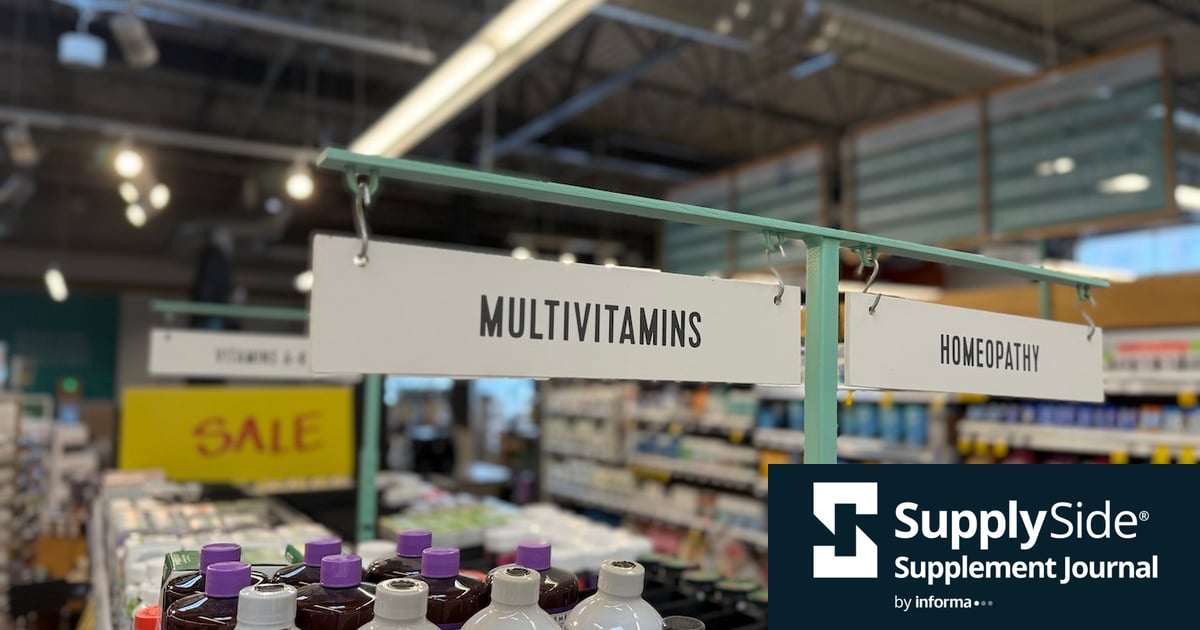
The Nuanced Role of Multivitamins: Nutritional Support Versus Disease Prevention
A recent comprehensive review has shed light on the long-debated efficacy of multivitamins, suggesting that while they play a crucial role in supporting nutritional status, their capacity to prevent chronic diseases is far more nuanced than often portrayed. The findings, published in the Journal of Dietary Supplements, challenge the notion of multivitamins as a universal "longevity biohack" and emphasize the importance of context in interpreting their benefits.
The study, led by Dr. Taylor Wallace, CEO of the research firm Think Healthy Group, meticulously analyzed existing data to delineate the specific advantages of multivitamin supplementation. According to the report, the most consistently observed benefit of multivitamin intake is the improvement of circulating levels of key nutrients, specifically folate, vitamin B6, and vitamin B12. The authors noted that the impact on other vitamin biomarkers "varied by context and baseline nutritional status," indicating that individual dietary intake and existing nutrient levels play a significant role in how a multivitamin affects a person’s biochemical profile. This suggests that for individuals with documented deficiencies, multivitamins can be highly effective in restoring optimal levels.

Beyond these biochemical markers, the review explored the clinical benefits of multivitamins. The authors identified potential positive associations with prenatal health and cognitive function, but these effects were also described as context-specific. The report explicitly states that these benefits "varies across outcomes, populations and comparators," underscoring that a one-size-fits-all approach to understanding multivitamin efficacy is insufficient.
Dr. Wallace articulated this distinction clearly on LinkedIn, stating, "Interpreting this evidence requires attention to the formulation, baseline nutritional status and the outcome being measured. Improving a nutrient biomarker and preventing a clinical disease are different objectives." This statement highlights a critical point of discussion within the scientific and consumer communities: the difference between achieving optimal nutrient levels and achieving tangible disease prevention outcomes. While correcting a deficiency through supplementation can improve health markers, it does not automatically equate to preventing a complex disease process.
The implications of this review are significant for manufacturers, marketers, and consumers alike. It calls for a more precise and evidence-based approach to product claims and consumer education. The industry may see a shift towards emphasizing the nutritional support aspects of multivitamins, with clearer guidance on who might benefit most from supplementation based on their dietary habits and health status. For consumers, this research encourages a more informed approach to supplement selection, urging them to consider their individual needs and consult with healthcare professionals. The review also implicitly supports the ongoing trend of personalized nutrition, where interventions are tailored to individual biomarkers and health goals.
Emerging Science: Citrus Flavonoids and Digestive Well-being
In parallel with reviews on established supplements, cutting-edge research is uncovering new potential for natural compounds. Recent investigations are pointing towards the significant digestive benefits offered by citrus flavonoids, a class of polyphenolic compounds found abundantly in citrus fruits. These findings suggest a promising avenue for new product development focused on gut health, a market segment that continues to experience substantial growth.
Citrus flavonoids, such as hesperidin, naringenin, and apigenin, have been traditionally recognized for their antioxidant and anti-inflammatory properties. However, emerging research is delving deeper into their specific mechanisms of action within the gastrointestinal tract. Studies are beginning to explore how these compounds might influence the gut microbiome, modulate intestinal barrier function, and alleviate symptoms associated with digestive discomfort.
Preliminary research indicates that citrus flavonoids may act as prebiotics, selectively feeding beneficial gut bacteria. By fostering a healthier gut microbiome, these compounds could contribute to improved nutrient absorption, enhanced immune function, and a reduction in gut inflammation. Furthermore, there is growing interest in their potential to strengthen the intestinal lining, preventing the "leaky gut" phenomenon, which has been linked to a variety of systemic health issues.
The appeal of citrus flavonoids lies in their natural origin and their established safety profile. Consumers are increasingly seeking natural solutions for digestive health, and ingredients derived from fruits align well with this trend. The research in this area is still in its nascent stages, but the early results are compelling enough to attract the attention of supplement manufacturers looking for innovative ingredients with scientifically supported benefits. This could lead to the development of novel dietary supplements, functional foods, and beverages designed to support digestive health through the targeted inclusion of citrus flavonoid extracts.
Industry Trade Associations: Driving Innovation and Global Reach
The supplement industry’s robust ecosystem is further bolstered by the proactive engagement of its trade associations. This week has seen significant announcements from these organizations, signaling a commitment to recognizing excellence and fostering international collaboration.
Award Nominations Open: Leading trade associations have officially opened the nomination period for their prestigious industry awards. These accolades serve to recognize outstanding contributions in various facets of the supplement sector, from scientific innovation and product development to marketing and corporate social responsibility. The nomination process typically spans several months, culminating in an awards ceremony that celebrates the achievements of individuals and companies shaping the future of the industry. These awards not only honor past successes but also inspire future endeavors, encouraging a culture of continuous improvement and innovation. They provide a valuable platform for companies to showcase their commitment to quality, efficacy, and ethical business practices.
Announcement of Overseas Partnerships: In a move that underscores the globalization of the supplement market, several industry trade associations have announced new overseas partnerships. These collaborations are designed to facilitate cross-border trade, promote regulatory harmonization, and foster knowledge exchange between different regional markets. By forging these international alliances, trade associations aim to create a more interconnected and supportive global environment for their member companies. This can involve joint advocacy efforts on international regulatory issues, the organization of collaborative trade missions, and the sharing of market intelligence. Such partnerships are crucial for businesses looking to expand their reach into new territories, navigate complex international regulations, and tap into emerging consumer demand worldwide.
These organizational updates highlight the strategic importance of industry bodies in advocating for the sector, promoting best practices, and facilitating growth on both national and international levels. Their efforts are instrumental in ensuring that the supplement industry continues to thrive and meet the evolving needs of consumers globally.
New Product Launches and Market Trends
The dynamic nature of the supplement market is further exemplified by recent product launches that cater to specific health needs and emerging consumer interests. Companies are continuously innovating, bringing forth new formulations that address contemporary health concerns.

KAL Vitamins and Protocol for Life Balance are among the companies introducing new products designed to support overall well-being and metabolic health. These launches reflect a broader market trend towards supplements that offer comprehensive support rather than addressing isolated symptoms.
KAL Vitamins, for instance, has introduced products focusing on "whole-body support," suggesting formulations that aim to address multiple physiological systems simultaneously. This approach aligns with a growing consumer desire for holistic health solutions that promote balance and vitality.
Protocol for Life Balance’s new offerings are centered on "metabolic health." This area has seen a surge in consumer interest, particularly with the widespread discussion around GLP-1 medications and their impact on weight management and metabolic function. Companies are responding by developing supplements that aim to support healthy metabolism, energy levels, and nutrient utilization, often incorporating ingredients that complement or support the body’s natural metabolic processes.
These new product introductions are not only indicative of individual company strategies but also reflect broader shifts in consumer priorities. The emphasis on metabolic health, in particular, signals a heightened awareness of the interconnectedness of diet, lifestyle, and metabolic function. As scientific understanding of metabolic pathways deepens, the supplement industry is poised to offer increasingly sophisticated and targeted solutions.
A Call for Industry Engagement
SupplySide Supplement Journal, a leading publication in the field, actively seeks to highlight the latest advancements and news within the industry. The journal encourages companies and researchers to share their developments, whether it be the launch of innovative ingredients and products, the publication of new clinical trials, or significant company announcements. This commitment to comprehensive coverage ensures that the industry remains informed about scientific breakthroughs, market trends, and business developments. By fostering an open channel for communication, SupplySide aims to contribute to a more collaborative and progressive nutraceutical community.
The contributions of individuals like Devon Gholam, Ph.D., an editor at SupplySide Supplement Journal, are vital to this endeavor. With nearly two decades of experience in the functional food and nutraceutical industry, Gholam brings a wealth of knowledge spanning product development, innovation, technical sales, and technical writing. Her passion for women’s health and the burgeoning impact of GLP-1 medications on the food, beverage, and supplement sectors underscores a forward-looking perspective. Gholam’s dedication to sharing credible science and fostering an innovative spirit is emblematic of the individuals driving progress within the nutraceutical community.
In conclusion, the supplement industry is characterized by a continuous cycle of scientific discovery, product innovation, and strategic business development. The latest insights into multivitamin efficacy, the promising research on citrus flavonoids, and the proactive efforts of industry trade associations all point towards a sector that is both scientifically rigorous and commercially dynamic. As the industry continues to evolve, staying informed about these developments is crucial for all stakeholders seeking to navigate and contribute to the future of health and wellness.